The “18 Wheels of Steel” series has captivated players for years with its immersive simulation of the long-haul trucking experience across the vast landscapes of North America. This exploration delves into the core gameplay, features, and reception of these titles, examining what made them popular and where they fell short. While variations exist across the different games in the series, this analysis focuses on common elements and recurring themes, providing a comprehensive overview of the “18 Wheels of Steel” experience.
The Allure of the Open Road: Gameplay and Core Mechanics
The core gameplay loop of “18 Wheels of Steel” revolves around the realistic (for the time) simulation of driving large semi-trucks across extensive maps representing various regions of North America. Players take on the roles of independent truckers, often starting with a small fleet and working their way up to owning and managing a larger trucking empire. This progression is usually facilitated through successfully completing delivery contracts, earning money to upgrade trucks, purchase new vehicles, and expand operations.
The driving itself is the central focus, demanding precision and skill, particularly given the size and handling characteristics of the trucks. Navigating tight corners, maneuvering through busy traffic, and managing the truck’s speed and momentum are all crucial aspects of gameplay. Many players found this to be a genuinely challenging and rewarding experience, particularly those who appreciated the realism offered in comparison to more arcade-style racing games. The attention to detail in the vehicle physics, though not perfect by modern standards, was noteworthy for its time and contributed to a sense of weighty control and immersion.
Beyond the core driving mechanic, various management elements add depth and complexity to the experience. Players must monitor fuel levels, maintain their trucks through timely repairs, and manage their finances to ensure profitability. Strategic route planning is often crucial for maximizing efficiency and minimizing costs. The management aspect adds a layer of complexity beyond just the driving, appealing to players who enjoy balancing economic and logistical considerations within a simulated environment.
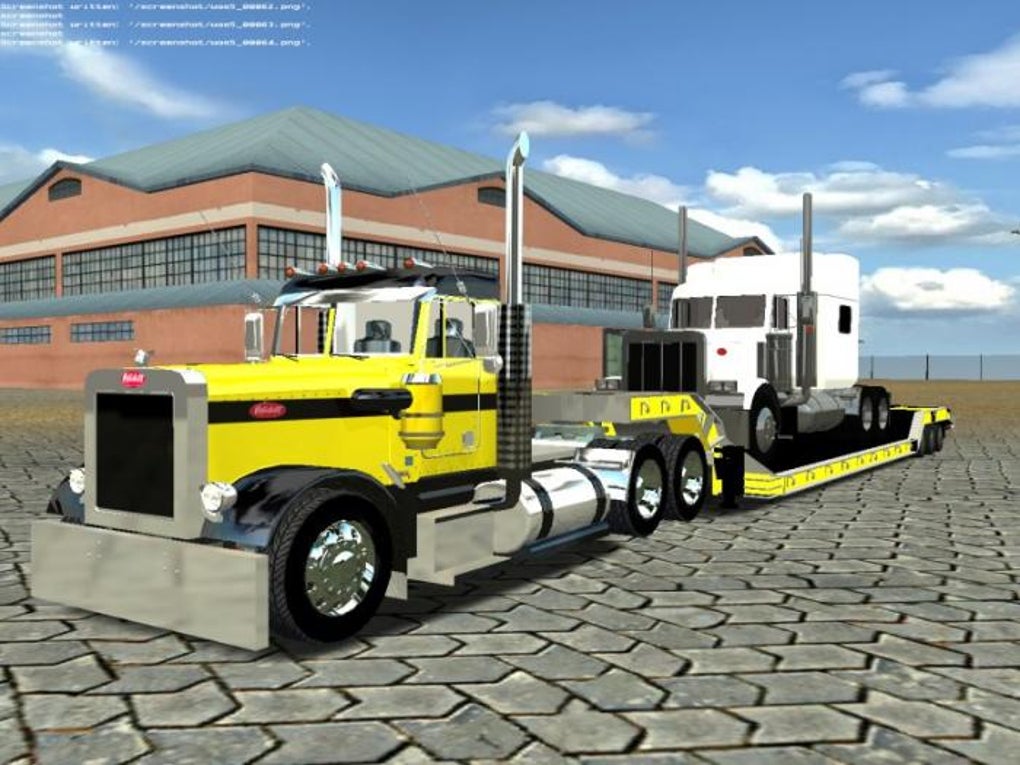
Different versions of the game introduced various refinements to these core mechanics. Some titles offered more extensive customization options for trucks and trailers, while others featured more detailed maps or expanded the types of cargo that could be transported. The overall gameplay experience, however, remained consistent across the series: a blend of realistic driving simulation and business management, demanding both skill and strategic thinking.
Building an Empire: Campaign Mode and Progression Systems
The campaign mode in “18 Wheels of Steel” games typically provides a structured progression system, starting players with a limited budget and a single truck. As players successfully complete delivery contracts, they earn money to upgrade their trucks, purchase additional vehicles, and hire drivers to expand their trucking business. The aim is to grow their enterprise into a profitable and substantial operation, ultimately dominating the trucking industry within the game’s world.
This progression system provides a compelling long-term goal, encouraging repeated gameplay and engagement. The increasing complexity and responsibilities as the business grows, ranging from simple deliveries to complex logistical operations, introduce a significant sense of accomplishment. However, user reviews often criticized the lack of clear objectives and direction in the campaign mode, sometimes causing frustration as players struggle to understand their ultimate goals or track their progress.
The game’s bidding system also plays a pivotal role in the campaign mode. Players can choose between accepting or rejecting delivery contracts based on the offered price, which impacts their overall profitability. This adds a strategic layer, requiring players to balance immediate gains with long-term goals and risk management. While adding realism and depth, this mechanic also often frustrated players who felt it added unnecessary complexity or created an unpredictable and potentially unfair playing environment. The balance between realism and enjoyable gameplay remained a delicate one.
Beyond the Wheel: Graphics, Sound, and Overall Presentation
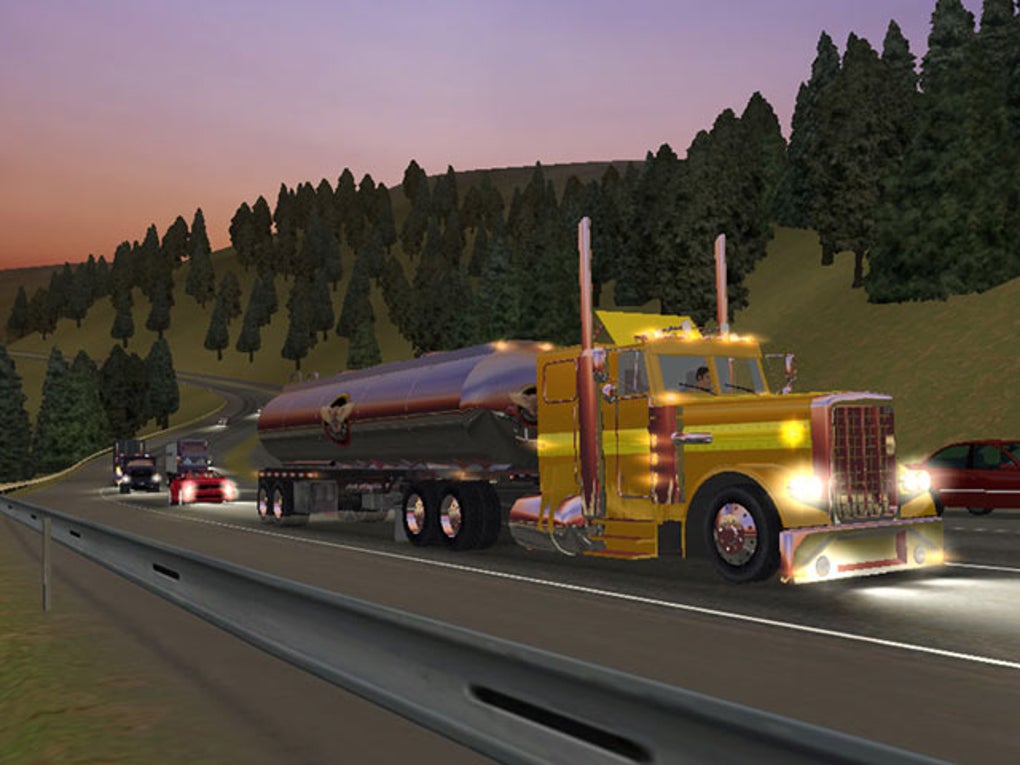
The graphical fidelity of “18 Wheels of Steel” games varied across different titles and reflected the technological capabilities of their release dates. While early installments showcased relatively simple graphics, later entries offered more refined visuals, including improved detail in environments, vehicles, and weather effects. However, even in later titles, the graphics were generally criticized for not being entirely up to par with contemporary standards, appearing somewhat dated compared to other driving simulations released around the same time. This was often cited as one of the more significant shortcomings of the series, detracting from the overall immersion for some players.
The sound design also varied significantly among the games in the series. While some offered atmospheric soundscapes appropriate to the trucking experience, including the sounds of engines, horns, and road noise, others were criticized for lacking sufficient audio detail or for inconsistent sound effects. The most common criticism was that in-game music was sparse or completely absent, which some players felt negatively impacted the overall mood and atmosphere of the game. The lack of a dynamic soundtrack, in particular, was a point of contention, contrasting sharply with modern driving simulation titles that often utilize adaptive music systems.
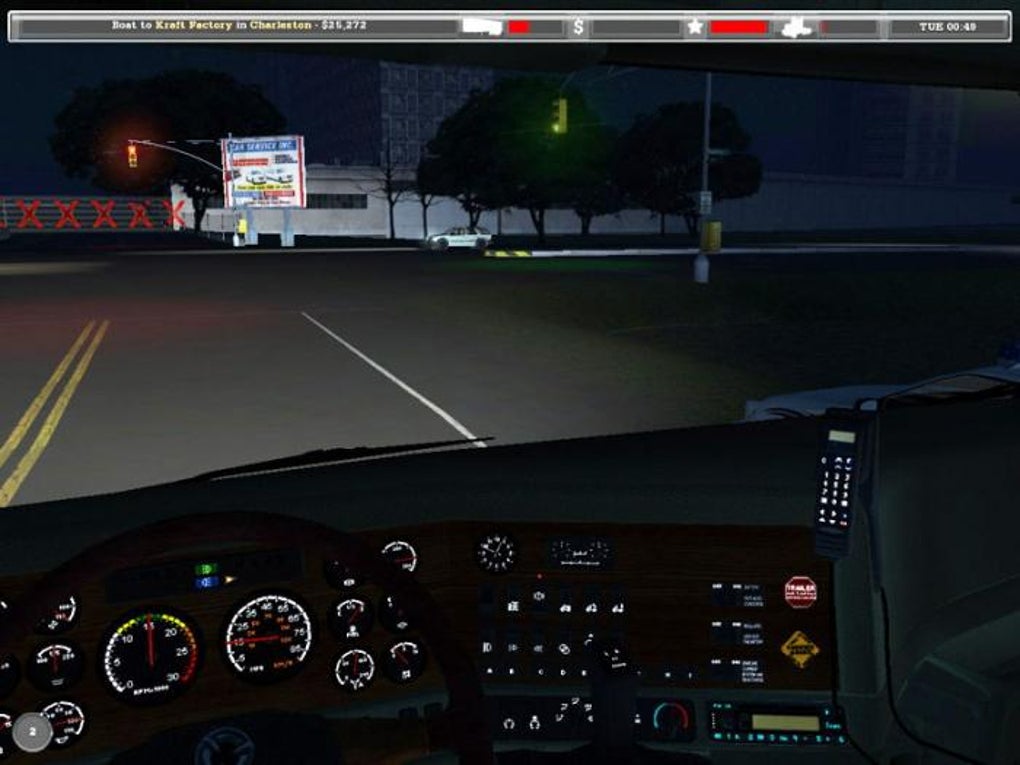
The user interface also received mixed reviews. While generally functional, the interface in some versions of the game was criticized for being cluttered, unintuitive, or not adequately informative, contributing to player frustration. The lack of clear directions and objectives within the campaign mode was often compounded by a confusing or unhelpful interface, further hindering the overall player experience.
Critical Reception and Legacy: A Mixed Bag
“18 Wheels of Steel” games received a mixed reception from critics and players alike. While praised for their realistic driving simulation and the challenge of managing a trucking business, they were frequently criticized for their graphical limitations, sometimes awkward controls, and occasionally unclear gameplay objectives. The inconsistencies in quality across various titles in the series further contributed to a less consistent critical reception. Some versions were lauded for their depth and replayability, while others suffered from technical issues, glitches, or simply a less refined and immersive experience.
Despite their shortcomings, the “18 Wheels of Steel” series holds a place in gaming history for its focus on simulating the life of a long-haul trucker, a niche rarely explored in depth at the time. The game offered a blend of driving simulation and business management that appealed to a specific audience, albeit one that often found itself frustrated by the game’s occasional flaws. The series’ legacy remains a testament to the enduring appeal of realistic simulation games, even when they lack the graphical polish and refinement found in more modern titles. The “18 Wheels of Steel” games, while imperfect, offered a unique and engaging gameplay experience that has left a lasting impression on many players. They provide a noteworthy example of early attempts at complex simulation gaming, paving the way for the more refined and visually impressive driving simulators of today.
File Information
- License: “Trial version”
- Version: “american-long-haul”
- Latest update: “December 13, 2007”
- Platform: “Windows”
- OS: “Windows 7”
- Language: “English”
- Downloads: “613.2K”
- Size: “113.03 MB”