
In the vast and ever-evolving landscape of digital entertainment, where high-definition graphics and complex narratives often dominate, there occasionally emerges a title that deliberately eschews conventional gaming tropes in favor of a more introspective, atmospheric, and artistic experience. Such is the case with “2:22 AM,” a unique and thought-provoking creation from independent developer Alice Lai, known also as umbrella-isle. More than just a game, “2:22 AM” is an invitation to a liminal space, a digital séance designed to be performed under specific conditions: late at night, and in solitude. What unfolds is not a challenge to be overcome, but a series of fragmented visions, a surreal television broadcast seemingly plucked from the fringes of subconscious thought and rendered in the nostalgic, grainy haze of an old VHS tape.
Upon its initial release, “2:22 AM” quickly garnered attention for its unconventional approach. Described by many as a free artistic video game, it offers Windows users a journey into a dreamlike reality, presented through the lens of a public access TV channel that only truly comes alive when the world outside is hushed and asleep. The game’s premise is deceptively simple, yet profoundly impactful: tune into a stream of disjointed broadcasts, each a vignette, a fleeting glimpse into scenarios that often defy logical explanation. From the mundane act of cooking eggs in a strangely quiet kitchen to the unsettling exploration of a dark, mist-shrouded forest, these scenes flash before the player, lacking any overt cohesiveness, yet bound together by an undeniable atmosphere of unease and ethereal beauty.
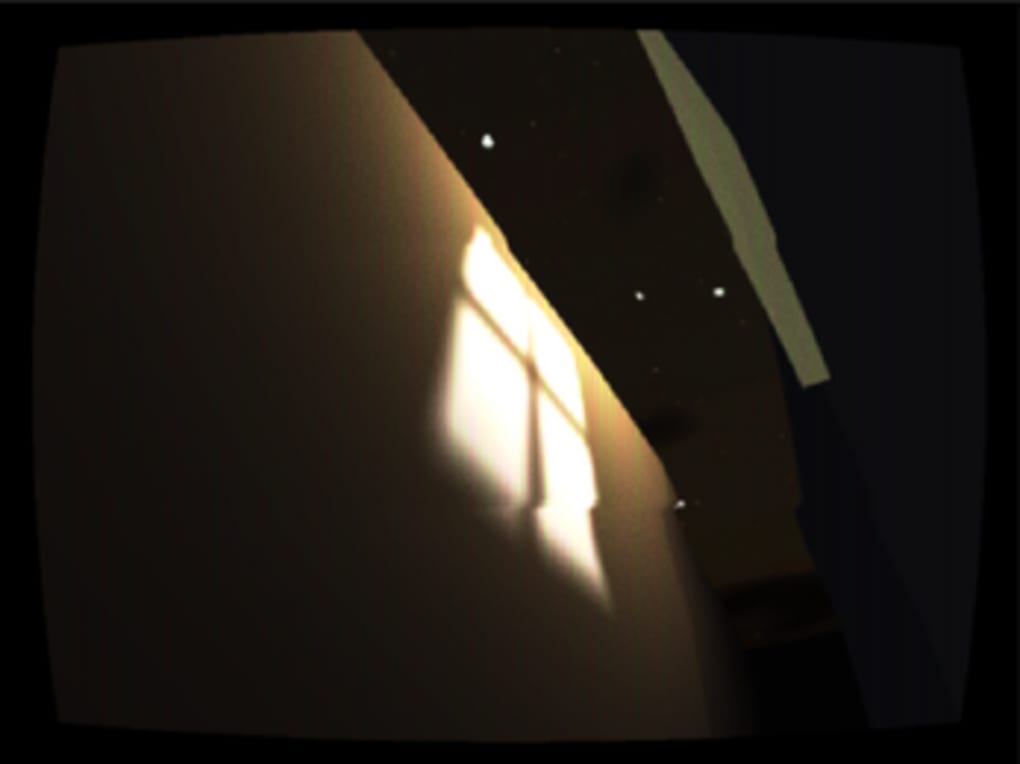
The deliberate ambiguity of “2:22 AM” is both its greatest strength and its most significant barrier to entry for some players. It dares to challenge expectations, presenting itself less as a traditional interactive game and more as an immersive artistic display. This necessitates a particular mindset from the player—one open to interpretation, willing to embrace the abstract, and prepared for an experience that prioritizes mood and sensory immersion over clear objectives or narrative progression. It is within this carefully constructed framework that the true essence of “2:22 AM” reveals itself, beckoning players to explore the strange, often unsettling beauty of its nocturnal world.
The Hypnagogic Broadcast: Deconstructing 2:22 AM’s Artistic Vision
At the core of “2:22 AM” lies a profound artistic statement, manifested through its meticulously crafted aesthetic and narrative structure. The game doesn’t just display surreal imagery; it immerses the player in a simulated broadcast experience, specifically evoking the bygone era of VHS recordings and late-night public access television. This choice of medium is far from arbitrary; it’s a critical component of the game’s overall message and emotional impact.
The visual and auditory fidelity of a VHS tape is intrinsically linked to nostalgia for many, but it also carries connotations of degradation, distortion, and a certain analogue warmth that digital clarity often lacks. In “2:22 AM,” these “imperfections”—the tracking lines, the color bleed, the subtle fuzz, the characteristic hum and hiss of an old VCR—are not flaws but deliberate artistic choices. They serve to immediately establish a sense of temporal displacement, transporting the player to a time when technology was less polished, and the lines between reality and simulation were perhaps more easily blurred. This lo-fi aesthetic acts as a filter, softening the edges of reality and priming the player for the dreamlike state the game aims to induce. It’s a psychological trick, leveraging our collective memory of old media to create an instant emotional resonance and a feeling of stepping into something aged, perhaps forgotten, and subtly uncanny.
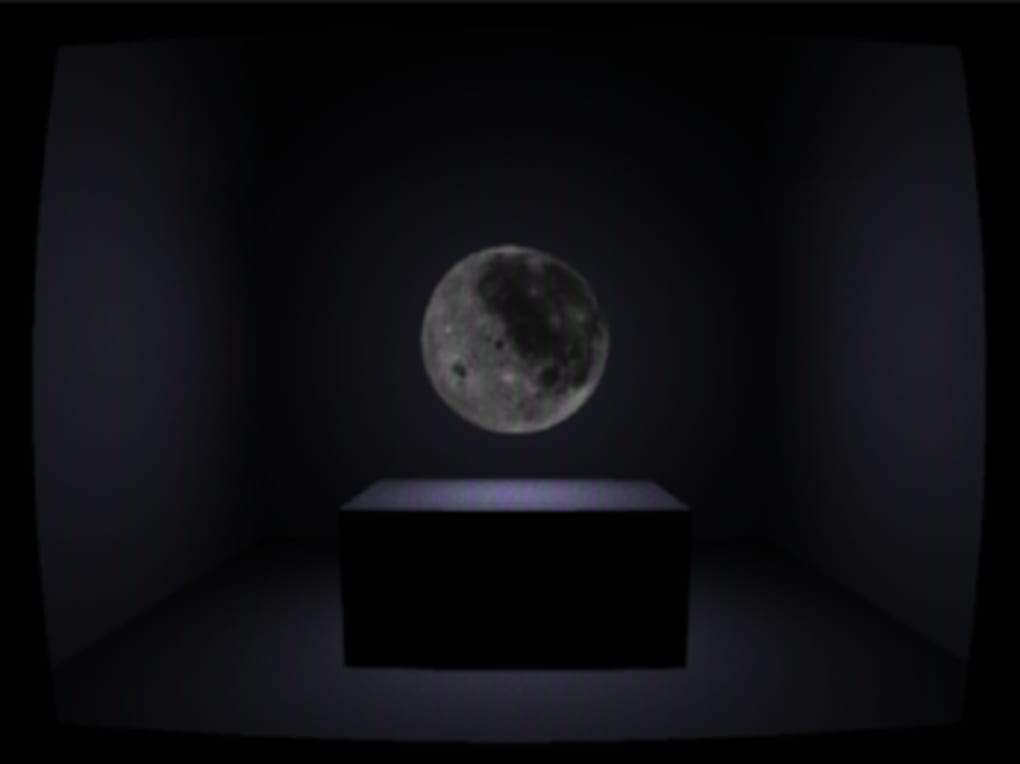
The structure of “2:22 AM” further enhances its artistic ambition. Instead of a linear plot or a series of interconnected challenges, players are presented with a series of “vignettes”—short, self-contained scenes that flicker on and off the screen like channels being surfed or memories fragmenting. These vignettes range wildly in content, from the mundane (as mentioned, cooking eggs) to the overtly unsettling (a dark forest, perhaps an empty room with an inexplicable light source). The lack of explicit cohesiveness between these scenes is central to the game’s design. It mirrors the erratic, often nonsensical logic of dreams, where disparate elements can collide and coexist without demanding rational explanation. The game forces the player to relinquish the need for a traditional narrative, instead encouraging them to passively observe and allow the combined effect of these fragmented images to wash over them. Title cards flash sporadically, often revealing nothing more than the scene’s brief designation, further emphasizing the feeling of an ephemeral, unedited broadcast.
This approach consciously positions “2:22 AM” as an “artistic display” rather than a conventional game. Its goal isn’t to entertain through complex mechanics or compelling storytelling in the traditional sense, but to evoke specific feelings: a sense of unease, wonder, melancholy, or profound introspection. The game becomes a canvas for the developer’s vision, using interactive elements sparingly to enhance the atmospheric immersion rather than drive a goal-oriented play cycle. By opting for this surreal, non-linear presentation, “2:22 AM” invites players to engage with it on a deeper, more personal level, allowing their own subconscious to fill the narrative gaps and construct meaning from the presented fragments. It’s an experience that values mood over mechanics, suggestion over explicit exposition, and the journey of internal reflection over external achievement.
Navigating the Labyrinth of Liminality: Gameplay and Player Engagement
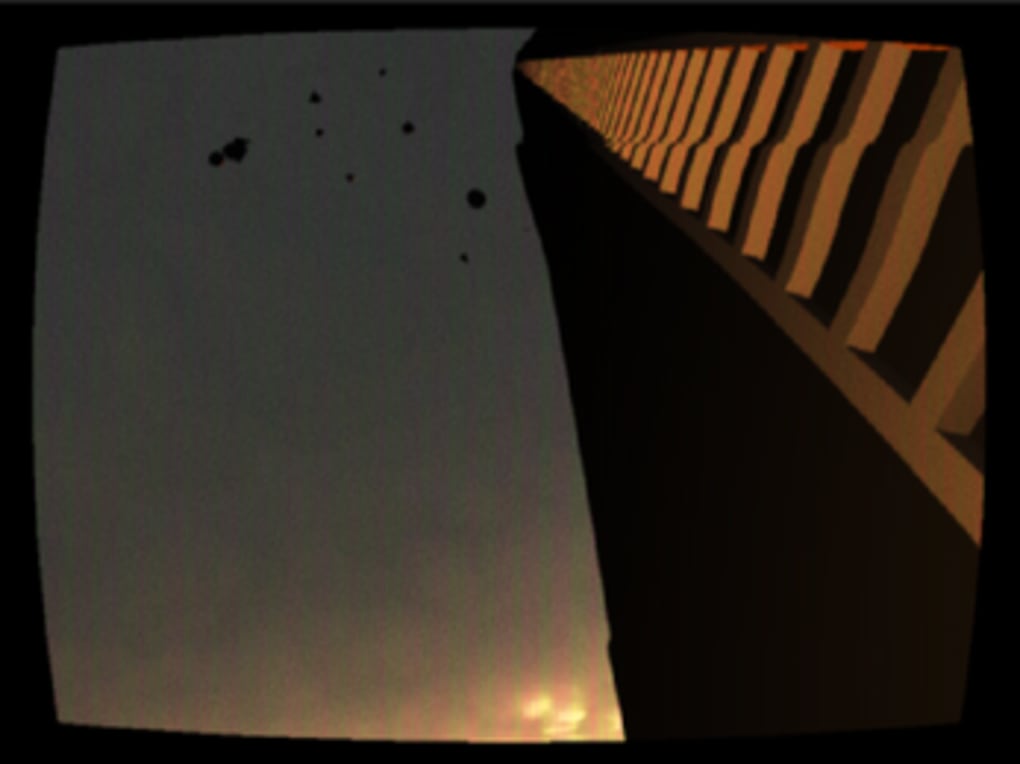
While “2:22 AM” intentionally steers away from traditional gameplay structures, it nonetheless employs a minimalist set of interactive elements that are crucial for shaping the player’s experience. The game’s controls are deliberately simple, designed not to challenge motor skills but to facilitate exploration and interaction within its dreamlike environments. Players primarily use their mouse to pan the camera, allowing them to survey the often unsettling or serene landscapes presented in each vignette. Additionally, specific click interactions might reveal subtle details or trigger minor environmental changes, though these are rare and serve more to deepen immersion than to advance any objective. Movement, when available, is handled through the familiar W, A, S, D keys, allowing the player to navigate certain spaces, though these segments often lean heavily into the “walking simulator” genre.
The term “walking simulator” often carries a divisive connotation in the gaming community, sometimes implying a lack of substantive gameplay. However, in the context of “2:22 AM,” this genre classification is not a limitation but a deliberate stylistic choice. By stripping away complex puzzles, combat, or elaborate progression systems, the game foregrounds the act of observation and atmospheric absorption. The player’s primary role is to be present, to move through the spaces, to witness the unfolding surrealism, and to allow the environment and sound design to envelop them. This intentional reduction of interactivity is essential to creating the specific “dreamscape vibe” the developer aims for. Just as one might passively experience a dream, the player is largely a spectator, a silent witness to a reality that operates on its own peculiar logic.
However, this minimalist approach also brings with it a significant caveat: the “lack of direction” and limited interactivity can be a source of disappointment for players accustomed to more conventional gaming experiences. Those seeking clear goals, puzzles to solve, or a compelling story arc might find themselves adrift, struggling to connect with “2:22 AM”’s abstract nature. The game doesn’t hold your hand; it simply presents its world and leaves the player to make sense of it, or to simply exist within it. This requires a certain level of “manual immersion” from the player. It’s not enough to simply launch the game; one must actively cultivate a receptive mindset, allowing the game’s atmosphere to seep in and influence their thoughts.
The instructions provided by the developer—“play at night and play alone”—are not mere suggestions but integral components of this manual immersion. Playing alone eliminates external distractions, fostering a sense of isolation that mirrors the solitary nature of dreams. Playing at night, especially in a dimly lit room, further enhances the game’s atmospheric potency. The quietude of the late hours, often associated with introspection and the stirring of the subconscious, perfectly aligns with the game’s themes. Under these specific conditions, the flickering VHS visuals, the disembodied sounds, and the fragmented scenes can coalesce into a truly haunting and memorable experience, transforming the simple act of watching into a profound meditation on the liminal space between waking and sleeping. Without this conscious effort from the player to meet the game on its own terms, “2:22 AM” risks feeling hollow or purposeless, its artistic intent lost in translation. Its success hinges not just on its design, but on the player’s willingness to participate in its unique ritual.
Beneath the Flickering Screen: Thematic Resonance and Psychological Impact
“2:22 AM” transcends its status as a simple video game by tapping into universal human experiences and psychological phenomena. The game’s pervasive dream-like quality is not merely an aesthetic choice; it’s a thematic anchor, inviting players to explore the often-unconscious realms of the mind, particularly those visited during sleep or in moments of profound introspection. The lack of linear progression and the arbitrary sequencing of events perfectly mimic the fractured logic of dreams, where disparate elements combine in illogical ways, and emotional states often overshadow concrete narratives. This allows the game to act as a mirror, reflecting subconscious anxieties, desires, or simply the fleeting, ungraspable nature of thoughts that surface in the quiet hours.
A core theme woven into the fabric of “2:22 AM” is liminality—the state of being on a threshold, neither here nor there, a transitional phase between two states. The title itself, “2:22 AM,” evokes this feeling; it’s a time when most are asleep, a moment removed from the bustling activity of day and yet still far from the dawn. It’s a “between” time, fertile ground for the surreal and the introspective. The game’s environments, whether a quiet domestic space or an eerie forest, often feel empty, devoid of overt human presence, reinforcing a sense of isolation and detachment. This emptiness can be unsettling, but also oddly liberating, allowing the player’s own mind to project meaning and emotion onto the sparse landscapes. The blurred, distorted visuals inherent in the VHS aesthetic further contribute to this liminal feel, blurring the lines between reality and simulation, making the familiar subtly unfamiliar, and the strange almost comfortable.
The game also subtly explores themes related to media consumption and the passive role of the observer. By casting the player as a viewer of a late-night public access broadcast, “2:22 AM” comments on how we interact with media, particularly during vulnerable, solitary moments. The fragmented, often nonsensical content mirrors the overwhelming and sometimes meaningless flow of information we encounter daily, prompting a reflection on what we choose to consume and how it shapes our internal landscapes. The experience becomes a form of digital voyeurism, a glimpse into a world that exists only for the lone watcher, highlighting the intimate and often unsettling relationship between media and the individual.
Furthermore, the “dreamy sense of unease” mentioned in its review is a significant psychological component. “2:22 AM” doesn’t rely on jump scares or explicit horror; its unsettling quality stems from a more subtle, pervasive atmosphere of the uncanny. The uncanny, as Sigmund Freud described, is the feeling of something being both familiar and alien at the same time, often evoking a sense of dread or discomfort. The game achieves this through its distorted, lo-fi presentation of otherwise mundane scenes, and the unsettling juxtaposition of calm domesticity with strange, inexplicable events. This subtle psychological manipulation is far more potent for some players than overt frights, leaving a lasting impression that lingers long after the screen goes dark. It’s an experience that resonates not with fear, but with the quiet, persistent hum of existential uncertainty.
A Niche Awakening: Who is 2:22 AM For?
Given its highly unconventional nature, “2:22 AM” is certainly not a game for everyone. Its appeal lies firmly within a niche audience—those who appreciate experimental media, avant-garde art, and experiences that challenge the very definition of what a “game” can be. For these players, “2:22 AM” offers a rare opportunity to engage with digital art that prioritizes atmosphere, introspection, and sensory immersion over traditional gameplay mechanics.
The strengths of “2:22 AM” are precisely what might deter others. As noted by PhanMemFree, its “realistic VHS effects” are a significant draw. These aren’t just cosmetic; they’re foundational to the game’s identity, providing a nostalgic filter that is both aesthetically pleasing and thematically relevant. The “simple controls” ensure that accessibility isn’t an issue, allowing players to focus on the experience rather than grappling with complex mechanics. Furthermore, the “wide variety of scenes,” despite their lack of explicit connection, contribute to the game’s unpredictable, dream-like quality, ensuring that no two moments feel entirely alike and maintaining a subtle thread of curiosity. Each vignette is a small, self-contained artistic piece, contributing to a larger, fragmented mosaic.
However, these very qualities translate into its limitations for a broader audience. The “not a lot of interactions” aspect means that players accustomed to agency, puzzles, or combat will find little to occupy them. “2:22 AM” is a game to be experienced, not mastered. Its “strictly linear gameplay” within each vignette—meaning the scenes play out largely as cinematic segments with minimal player input—further reinforces its nature as an interactive film or an atmospheric art piece rather than a traditional game. For those who derive satisfaction from progression, skill development, or narrative choices, this linearity can feel restrictive and ultimately unfulfilling.
Therefore, “2:22 AM” is best recommended for individuals who:
- Embrace experimental and art games: Players who enjoy titles that push boundaries and prioritize artistic expression over conventional gaming loops.
- Appreciate atmosphere and mood: Those who can find enjoyment in a game that excels at building a specific emotional ambiance, even if it’s unsettling.
- Are open to abstract narratives: Individuals who don’t require explicit plotlines and are comfortable with interpreting fragmented information.
- Seek unique and memorable experiences: Gamers looking for something genuinely different from the mainstream, something that might linger in their thoughts long after playing.
- Can follow specific instructions: The “play at night and alone” directive is crucial for the optimal experience, and players willing to adhere to it will reap the most benefit.
Ultimately, “2:22 AM” stands as a testament to the diverse possibilities within the digital medium. It might be short, as its PhanMemFree review implies, but its brevity is a deliberate design choice, ensuring that its powerful, concentrated atmosphere doesn’t overstay its welcome or dilute its impact. It’s a game that asks you to slow down, to observe, and to immerse yourself in its unique, late-night broadcast. For those with the right mindset, it offers a fleeting but profound journey into the surreal corners of digital dreams, proving that sometimes, the most memorable experiences are found not in grand narratives, but in quiet, flickering moments between consciousness and sleep.
The Ethereal Echo: 2:22 AM’s Lasting Impression
In an industry often driven by blockbuster releases and endless sequels, independent creations like “2:22 AM” carve out essential spaces for innovation and artistic exploration. Alice Lai’s project is a significant example of how powerful experiences can be crafted with minimalist resources, relying instead on conceptual strength, atmospheric design, and a clear artistic vision. “2:22 AM” is more than just a free download; it’s an invitation to a curated psychological state, a digital dream presented in the nostalgic, decaying beauty of a bygone media format.
The lasting impression of “2:22 AM” stems from its courage to defy genre conventions. It doesn’t aim to be a grand adventure, a complex puzzle, or a competitive challenge. Instead, it aspires to be a mood, a feeling, a fleeting glimpse into the uncanny valley of the subconscious. The deliberately low-fidelity VHS aesthetic is a masterstroke, imbuing every frame with a sense of aged authenticity and unsettling familiarity. This visual style, coupled with evocative sound design and fragmented narrative vignettes, constructs a world that feels both deeply personal and universally resonant—a digital echo of the dreams and anxieties that surface when the world falls silent at 2:22 AM.
While its limited interactivity might deter a segment of the gaming populace, this very constraint is integral to its artistic integrity. By minimizing player agency, the game forces a more passive, observational role, mirroring the experience of watching a film or, more accurately, dreaming. It demands that the player meet it halfway, bringing their own introspection and willingness to engage with abstract concepts to truly unlock its depth. When played under the recommended conditions—alone and late at night—“2:22 AM” transforms from a simple walking simulator into a profoundly atmospheric journey, a meditation on isolation, the subconscious, and the surreal beauty of the mundane warped through a dreamlike lens.
PhanMemFree’s assessment, while acknowledging its shortcomings in traditional gameplay, ultimately positions “2:22 AM” as a “good recommendation” for “dream-like games.” This sentiment captures the essence of its unique appeal. It exists in a category of its own, serving as a reminder that the art of game development can extend far beyond established formulas, venturing into realms of pure atmosphere and emotional evocation. “2:22 AM” is a quiet revolution in interactive art, a subtle yet powerful testament to the idea that sometimes, the most impactful experiences are those that ask us to simply watch, listen, and allow our minds to wander in the liminal space between reality and the beautiful, strange broadcasts of our inner worlds. Its legacy will likely endure as a compelling example of how simplicity, artistic clarity, and a specific mood can combine to create something truly unforgettable within the expansive universe of digital entertainment.
File Information
- License: “Free”
- Version: “1.0”
- Latest update: “July 13, 2020”
- Platform: “Windows”
- OS: “Windows 8.1”
- Language: “English”
- Downloads: “591”
- Size: “128.20 MB”


