
In the ever-evolving landscape of personal computing, the desktop environment serves as more than just a workspace; it’s a canvas for self-expression, a reflection of individual taste, and often, a source of digital inspiration. Among the myriad ways to personalize this digital space, wallpapers stand out as the most fundamental and impactful. While flat, static images have long been the standard, the advent of 3D wallpaper introduced a new dimension of visual depth and engagement, transforming mundane screens into portals of immersive artistry. One such program, simply titled “3D Wallpaper,” offered a distinctive and memorable experience for Windows users, carving a niche for itself with its unique blend of surrealism and efficiency.
Developed by Flash-screen, this particular “3D Wallpaper” application, available as a free desktop customization program for Windows, was a pioneer in bringing a sense of depth and fantastical elements to the user’s immediate digital surroundings. Long before dynamic wallpapers and elaborate desktop widgets became commonplace, this software provided a simple yet profoundly atmospheric alteration to the traditional desktop, inviting users into a slightly surreal world directly from their screens. Its enduring presence and popularity, particularly in certain global regions, speak volumes about the lasting appeal of well-executed digital aesthetics, even in a rapidly changing technological environment.
This comprehensive exploration delves into the specifics of Flash-screen’s “3D Wallpaper,” examining its unique visual style, its technical underpinnings, its historical impact, and how it stands in contrast to and alongside both its contemporaries and modern alternatives. We will uncover what made this seemingly simple application a significant choice for thousands of users seeking to infuse their personal computers with a touch of the extraordinary, all while maintaining the lean performance crucial for the computing era it emerged from. The journey through “3D Wallpaper” is not just about a piece of software; it’s about understanding the human desire to personalize, to beautify, and to find a bit of wonder in the everyday digital experience.
Discovering 3D Wallpaper: A Glimpse into Digital Art
At the heart of the “3D Wallpaper” experience lies its singular artistic vision. Unlike the multitude of static images or generic nature scenes that often populate wallpaper libraries, Flash-screen’s offering provided something distinctly different: an intentional push towards the fantastical and the visually intriguing. This wasn’t merely a photograph given a 3D effect; it was a curated piece of digital art designed to evoke a specific mood and aesthetic.
The Allure of Surrealism on Your Screen
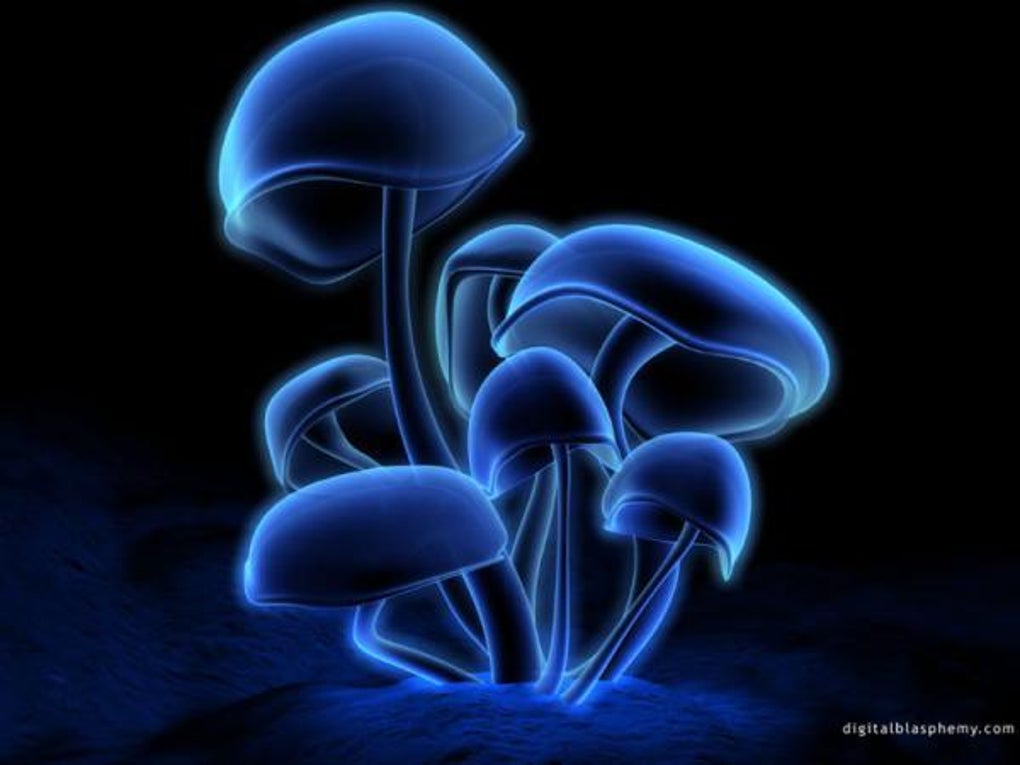
The defining characteristic of this “3D Wallpaper” is its “slightly surrealist look.” Instead of realistic landscapes or abstract patterns, users were presented with an image featuring “dark blue mushrooms [that] have a hallucinatory glow.” This choice immediately set it apart, transforming the desktop into a scene reminiscent of a fantastical dreamscape or an alien forest. The “dark blue” color palette, often associated with mystery, tranquility, and depth, combined with the “hallucinatory glow,” created an atmosphere that was both calming and subtly disquieting in a captivating way.
This surrealist approach allowed the wallpaper to transcend mere background decoration, becoming an interactive piece of art that encouraged contemplation. The 3D rendering, even in its early form, lent a tangible sense of depth to these glowing fungi, making them appear as if they were sprouting directly from the user’s desktop rather than simply lying flat on the screen. This unique touch offered users an escape from the mundane, a small window into another realm every time they minimized an application or returned to their home screen. For many, it was an early encounter with how digital art could genuinely transform the perceived reality of their computer, offering a sense of wonder and individuality that was highly coveted. It wasn’t about hyper-realism but about imaginative immersion, demonstrating that visual impact can stem from concept and artistry as much as from raw technical fidelity. The “unique touch” it promised was not an overstatement; it genuinely delivered a distinct visual identity for the user’s machine, making it stand out in an era where personalization options were far less diverse than today.
Technical Foundations: Designed for Accessibility
Beyond its striking appearance, the brilliance of Flash-screen’s “3D Wallpaper” also lay in its technical design, particularly its accessibility and lightweight nature. In an era when computing resources were significantly more constrained than they are today, the ability to deliver compelling visuals without bogging down the system was paramount. “3D Wallpaper” excelled in this regard, making it a viable and attractive option for a wide range of users.
Initially available for “Windows 95 and previous versions,” with later specifications noting compatibility up to “Windows 98,” this program was designed with older operating systems and hardware limitations in mind. Its modest requirements meant that even computers with limited RAM and slower processors could effortlessly run the wallpaper without a noticeable performance hit. This was a crucial factor in its widespread adoption; users didn’t have to sacrifice system responsiveness for aesthetic appeal. The fact that it was also available in English, with hints of broader language support (as indicated by download options on platforms like PhanMemFree.org), further expanded its reach.
Perhaps the most telling statistic regarding its efficiency is its minuscule file size: “58.74 KB.” In an age where even a simple icon can be larger, this demonstrated an exceptional level of optimization. Such a small footprint meant that the download was quick, installation was instantaneous, and the program consumed almost negligible disk space. This “not that heavy program” characteristic was a significant advantage, especially for users with slower internet connections or limited storage capacity, which was common in the early 2000s. The developer, Flash-screen, clearly prioritized delivering a visually rich experience within the constraints of the technology of its time, a testament to thoughtful software engineering. This strategic design choice not only made the wallpaper accessible but also ensured that it remained a practical solution for desktop customization, allowing users to enhance their screens without compromising their computer’s overall performance. This balance of aesthetic appeal and technical efficiency forged its legacy as a beloved and enduring customization tool.
Beyond the Visuals: User Experience and Historical Impact
While the visual appeal of “3D Wallpaper” was undeniably its primary draw, its impact and legacy extend beyond just what met the eye. The program’s history, user engagement, and ease of deployment paint a picture of a successful and well-received utility that resonated with a broad audience, demonstrating the sustained demand for simple yet effective personalization tools.
A Legacy of Downloads and Global Reach
The enduring popularity of “3D Wallpaper” is evident in its download statistics. Since its introduction to platforms like PhanMemFree.org in 2005, the program accumulated “53,565 downloads,” a significant number for a niche customization utility. What’s even more remarkable is its continued, albeit slower, activity; the reference indicates “last week it achieved 49 installations,” suggesting that even years after its initial release and despite the evolution of operating systems and hardware, a segment of users continued to seek out and install this specific wallpaper. This phenomenon speaks to its lasting appeal, perhaps for those running older systems, or for individuals who specifically appreciated its unique aesthetic that remained unmatched by more contemporary offerings.
The program’s global footprint is also noteworthy. It was “mostly downloaded in countries such as India, Indonesia, and Bangladesh.” This geographical popularity might be attributed to several factors. In regions where access to newer, more powerful computing hardware might have been limited, the lightweight nature of “3D Wallpaper” made it an ideal choice for personalizing older machines without demanding significant resources. Furthermore, cultural preferences for vibrant, imaginative, or surreal imagery could have also played a role in its greater acceptance and sustained usage in these specific countries. This global reach underscores the universal desire for digital personalization, regardless of geographical location or technological advancement, and highlights how a simple, well-executed concept can find an enthusiastic audience worldwide. The fact that it required “not that much space than the average program in the section Desktop customization software” made it an attractive, low-commitment download for users looking for quick and impactful visual changes.
Installation and Simplicity: Getting Started with 3D Wallpaper
One of the cornerstones of “3D Wallpaper”’s success was its absolute simplicity from a user’s perspective. In an era before complex installation managers and elaborate customization suites became common, a straightforward “free download” and minimal setup process were highly valued. As a “free software,” it presented no financial barrier to entry, making it accessible to anyone with a compatible Windows system. The installation process was typically seamless, reflecting the program’s lean design. Users would download the small executable file, run it, and with a few clicks, have the surreal mushroom landscape adorning their desktop. This ease of use was a significant factor in its broad adoption, eliminating any technical hurdles that might deter less experienced users.
The “Security Status” listed by PhanMemFree.org, indicating “Free” and, importantly, “Clean,” further reassured users about the safety and integrity of the software. In an age where downloadable content could sometimes harbor unwanted extras, an explicit “Clean” status from a reputable platform like PhanMemFree.org was crucial for building trust. This commitment to user safety, combined with the inherently simple operational model, meant that users could enhance their desktop experience without worries about malware or system complications. This straightforward, no-frills approach to both acquisition and deployment positioned “3D Wallpaper” as an accessible and reliable tool for desktop customization, reinforcing its image as a user-friendly utility designed to bring a unique visual flair to personal computers with minimal fuss. This combination of free access, easy installation, and a clean bill of health made it a go-to choice for those seeking a quick and safe desktop aesthetic upgrade.
The Evolving Landscape of Desktop Customization: Where 3D Wallpaper Stands
The world of desktop customization has undergone a profound transformation since “3D Wallpaper” first emerged. What was once a relatively niche interest has blossomed into a sophisticated ecosystem of tools and applications, offering everything from animated backgrounds to fully interactive desktop environments. Understanding where “3D Wallpaper” fits into this modern context requires a look at both its enduring qualities and the advancements that have reshaped the personalization landscape.
Comparing with Modern Alternatives and Dynamic Wallpapers
Today, users have an unprecedented array of options for desktop personalization, many of which far exceed the capabilities of Flash-screen’s “3D Wallpaper.” Applications like “Lively Wallpaper,” “N0va Desktop,” and “Push Video Wallpaper” offer dynamic, interactive, and often animated backgrounds that can respond to music, system activity, or even display live video feeds. “Bing Wallpaper” provides a daily changing, high-resolution image, while “Earth 3D Live Wallpaper” offers real-time views of our planet, complete with weather effects. These modern alternatives leverage contemporary hardware capabilities, including powerful GPUs and multi-core processors, to deliver incredibly rich and immersive experiences that were simply not feasible in the early 2000s.
The contrast with “3D Wallpaper” is stark. While Flash-screen’s offering provided a static 3D image, modern dynamic wallpapers offer true animation, often with real-time rendering. They can change throughout the day, present customizable elements, and integrate with other desktop utilities. For instance, “God Of War 3” and “Michael Jackson’s Moonwalk” wallpapers, though perhaps older, offered motion, moving beyond a single static 3D scene. This evolution reflects not just technological advancement but also a shift in user expectations, where interactivity and constant novelty are highly valued. Yet, despite these advancements, “3D Wallpaper” retains a specific charm. Its simplicity is both a limitation and a strength; it doesn’t demand system resources, nor does it seek to overwhelm with constant motion, offering instead a stable, aesthetically pleasing backdrop that remains consistent. It represents a foundational step in the journey of desktop visual enhancement, a precursor to the elaborate systems we see today, highlighting the constant drive for richer, more engaging digital environments.
The Enduring Appeal of Static 3D Art
In a world increasingly dominated by dynamic and interactive digital experiences, one might wonder about the relevance of a static 3D wallpaper. However, the continued, albeit niche, appeal of programs like Flash-screen’s “3D Wallpaper” underscores an important aspect of user preference: not everyone desires constant motion or resource-intensive animations on their desktop. There is a distinct and enduring value in static 3D art, offering a unique blend of depth, tranquility, and efficiency that even the most advanced dynamic wallpapers sometimes fail to capture.
The allure of static 3D art lies in its ability to create a sense of immersion without distraction. A well-designed 3D image, like the surreal mushrooms with their “hallucinatory glow,” provides depth and visual interest that a flat 2D image cannot, yet it remains perfectly still. This stillness is often a benefit; it doesn’t compete for attention with open applications, consume valuable CPU cycles, or drain battery life on portable devices. For users who prioritize system performance, clarity, and a calm, consistent visual environment, a static 3D wallpaper is an ideal solution. It offers the aesthetic richness of three dimensions without the computational overhead of animation.
Moreover, the specific artistic style of “3D Wallpaper”—its surrealism and unique color palette—provides a distinct atmosphere that might not be replicated by generic dynamic backgrounds. It’s a deliberate artistic statement, a curated piece of digital scenery that speaks to a particular taste. This focus on a singular, evocative image allows for a more direct and unambiguous expression of personality than a constantly changing or overly complex animated scene. In essence, the enduring appeal of static 3D art, as exemplified by “3D Wallpaper,” is found in its perfect balance: it elevates the desktop beyond flat imagery by adding depth and character, while simultaneously respecting system resources and maintaining a serene, unobtrusive presence. It is a testament to the idea that sometimes, less is indeed more, particularly when “less” is executed with a unique artistic vision and technical pragmatism.
Conclusion
Flash-screen’s “3D Wallpaper” stands as a charming relic and a testament to the early days of desktop customization, offering a window into how users sought to personalize their digital worlds with ingenuity and efficiency. From its distinct “surrealist look” featuring “dark blue mushrooms” with a “hallucinatory glow” to its remarkably lightweight footprint of just “58.74 KB,” the program carved out a significant niche. It proved that profound visual impact could be achieved without demanding extensive system resources, making it accessible to a wide audience using older Windows operating systems like Windows 95 and 98.
The program’s impressive download figures, tallying over 53,000 installations from platforms like PhanMemFree.org, and its sustained popularity in regions such as India, Indonesia, and Bangladesh, highlight a universal desire for unique desktop aesthetics. This success wasn’t merely about novelty; it was about delivering a “unique touch” that transformed a utilitarian screen into a personal canvas of digital art. Its straightforward, “free” and “Clean” status on PhanMemFree.org further cemented its reputation as a reliable and safe choice for desktop enhancement.
In an era dominated by sophisticated dynamic wallpapers and interactive desktop environments, “3D Wallpaper” continues to hold relevance for those who appreciate its specific artistic vision and its inherent simplicity. It offers a calm, consistent, and visually deep background without the performance overhead associated with more modern, animated alternatives. Its legacy is not just about its specific imagery, but about demonstrating how a well-conceived, technically efficient application can leave an indelible mark on the digital experience, proving that sometimes, a single, captivating 3D image is all that’s needed to truly personalize and elevate one’s desktop. “3D Wallpaper” ultimately represents a significant, if understated, chapter in the ongoing story of how we make our digital spaces truly our own.
File Information
- License: “Free”
- Latest update: “September 23, 2021”
- Platform: “Windows”
- OS: “Windows 98”
- Language: “English”
- Downloads: “55.1K”
- Size: “58.74 KB”


