
411 is a free-to-play first-person horror game for Windows PCs, reminiscent of titles like Amnesia. The premise is simple: you, a student, must transfer files from a dilapidated, twelve-year-old computer to a newer machine. However, this seemingly straightforward task quickly descends into a terrifying ordeal filled with unsettling environments, mysterious occurrences, and a creeping sense of dread that permeates every aspect of the gameplay experience. This review will delve into the game’s strengths and weaknesses, exploring its narrative, gameplay mechanics, and overall impact.
Gameplay and Mechanics: A Simple Yet Effective Horror Experience
411’s gameplay is characterized by its simplicity. The game focuses primarily on exploration and puzzle-solving, with minimal interaction options. Players navigate the environment, interacting with objects to progress the storyline and uncover clues about the unsettling events unfolding around them. This simplicity, while initially appealing for its ease of access, also presents a notable limitation. The lack of diverse gameplay mechanics can feel restrictive, potentially leading to a repetitive experience for some players. The limited interaction options also prevent players from directly engaging with certain narrative elements, creating a sense of passivity that might not resonate with everyone.
The game’s atmosphere is arguably its strongest asset. The developers have successfully crafted a chilling and immersive environment, punctuated by moments of intense suspense and unexpected jump scares. The dark and dimly lit settings, combined with the unsettling soundscape, effectively build tension and create a pervasive sense of unease. The visual design, while not overly sophisticated, serves its purpose, contributing to the game’s overall unsettling mood. However, the lack of brightness adjustment can be a drawback, especially for players sensitive to overly dark environments. The fixed controls also provide little room for customization, potentially hindering the overall enjoyment for some players.
Narrative and Story: A Muddled Mystery
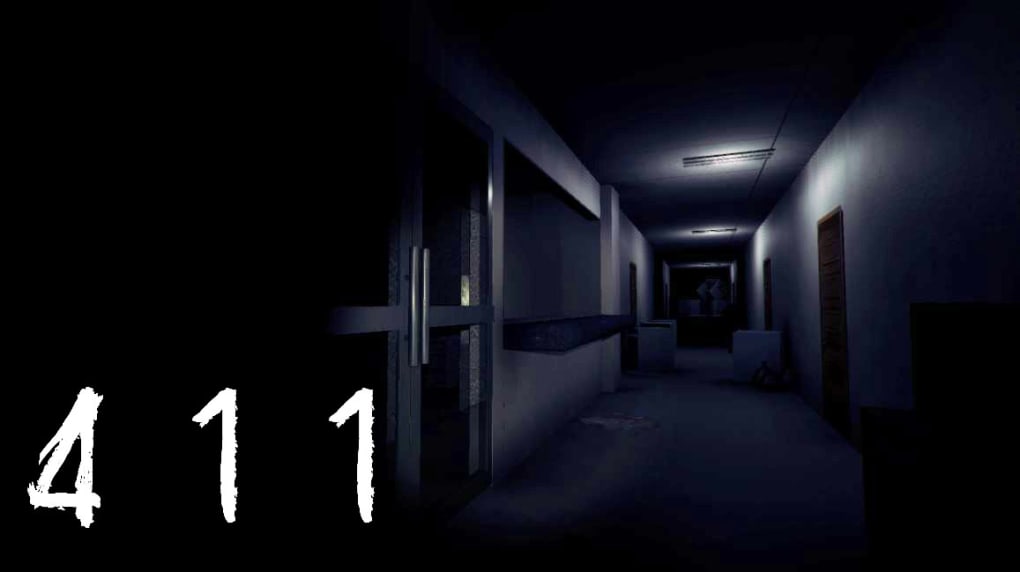
The narrative in 411 presents a compelling premise, but its execution falls short in several aspects. While the core concept is intriguing – the transfer of files from an old computer that seems to possess a sinister presence – the story unfolds in a fragmented and somewhat unclear manner. Crucial details are often left unsaid or implied, leaving players to piece together the narrative through scattered clues and environmental storytelling. This approach, while aiming for a sense of mystery, can sometimes lead to confusion and frustration, particularly as some key concepts remain vaguely defined throughout the gameplay.
The game lacks the guidance necessary to fully understand the narrative’s subtleties. There are no in-game explanations or readily available hints to clarify ambiguous elements of the story. This lack of direction can hinder the player’s ability to fully engage with the narrative, as they may struggle to decipher the meaning behind certain events or interactions. The unclear writing further compounds this issue, sometimes failing to convey critical information effectively. This ultimately affects the player’s overall experience, as the narrative potential is partially unrealized due to the shortcomings in its presentation.
Atmosphere and Sound Design: A Masterclass in Tension
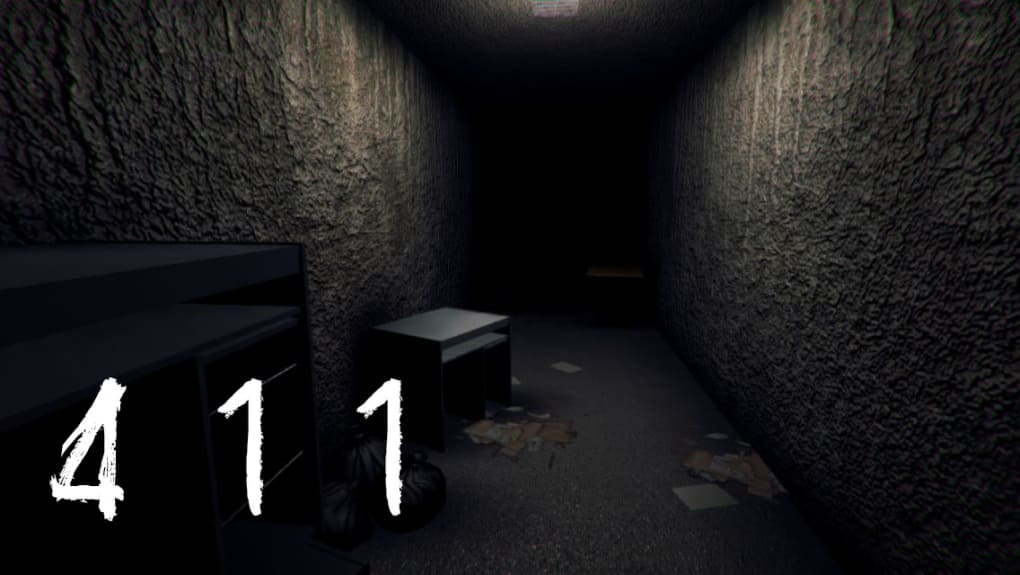
Despite its narrative shortcomings, 411 excels in creating a chilling and immersive atmosphere. The game masterfully utilizes sound design to enhance the sense of dread and unease. Subtle creaks, unsettling whispers, and unexpected bursts of noise work in tandem to build suspense and create a consistently tense gameplay experience. The use of silence is equally effective, often allowing for anticipation to build before moments of sudden terror. This masterful blend of audio elements contributes significantly to the overall unsettling atmosphere, effectively creating a sense of vulnerability and paranoia in the player.
The visual presentation of 411, though not graphically demanding, effectively complements the audio design. The dark and gritty aesthetic contributes to the game’s overall unsettling ambiance. The dimly lit environments, combined with the use of shadows and strategically placed objects, enhances the sense of foreboding and mystery. While the visuals may not be highly detailed, their simplicity actually contributes to the game’s unsettling mood by emphasizing the unsettling atmosphere over high-fidelity graphics.
Overall Impression: A Promising Horror Game With Room for Improvement
411, while possessing a compelling premise and effective atmosphere, suffers from shortcomings in its narrative and gameplay mechanics. The lack of clarity in the storytelling and the limited interaction options can hinder the player’s overall engagement. The game’s strengths lie in its immersive atmosphere, skillfully crafted through its sound design and visual presentation. The jump scares and moments of genuine suspense are effectively implemented, creating a tense and occasionally terrifying experience.
Ultimately, 411 provides a solid foundation for a potentially more refined horror experience. With some improvements to its narrative clarity and gameplay mechanics, this game could significantly enhance its player engagement and deliver a more complete and satisfying horror experience. As it stands, the game caters primarily to players who prioritize atmosphere and suspense over complex storylines and diverse gameplay. The game is free, and thus the overall experience offered is fair for the price, but significant improvements could elevate it to a truly memorable entry in the first-person horror genre.
Areas for Future Development
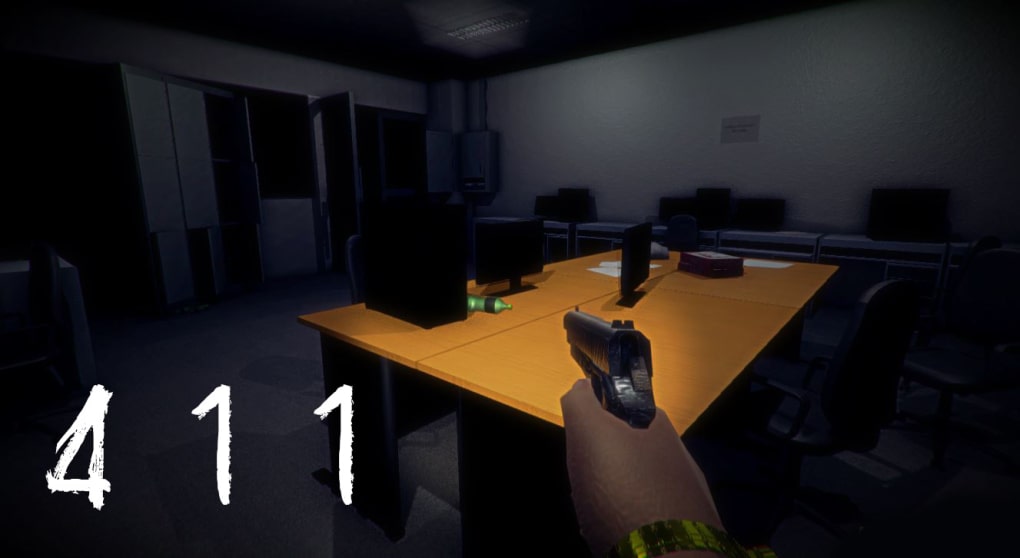
Several areas within 411 could benefit from improvement in future iterations or updates. The most significant of these is undoubtedly the narrative. Clarifying ambiguous elements, improving the overall writing, and providing more guidance to the player would significantly enhance the game’s storytelling. Adding interactive elements and expanding the gameplay mechanics beyond simple exploration and puzzle-solving could also add depth and replayability. Furthermore, allowing players to customize brightness settings and controls would significantly improve accessibility and player comfort.
A more robust hint system or in-game journal could help bridge the gap between the game’s fragmented narrative and the player’s understanding. Environmental storytelling, while effective in some areas, could be enhanced through more subtle clues and contextual details, allowing for greater immersion and a more satisfying sense of discovery. By addressing these key areas, 411 could transform from a promising horror game into a truly compelling and memorable experience. The current version provides a taste of the potential, but further development would realize this potential fully.
File Information
- License: “Free”
- Version: “1.0”
- Latest update: “February 18, 2018”
- Platform: “Windows”
- OS: “Windows 8”
- Language: “English”
- Downloads: “72”
- Size: “95.73 MB”


