The world of antique ceramics is rich with history, artistry, and often, intricate mysteries waiting to be unraveled. Among the most cherished and recognizable is Gien pottery, a testament to French craftsmanship and artistic innovation. For collectors, dealers, and enthusiasts alike, identifying and dating these exquisite pieces hinges almost entirely on understanding their distinctive marks. These marks are more than just signatures; they are historical timestamps, factory identifiers, and often, indicators of the piece’s value and authenticity. Navigating the myriad of Gien pottery marks, which have evolved significantly since the Faiencerie de Gien’s inception in 1821, can be a complex endeavor, requiring specialized knowledge and reliable reference tools.
The Enduring Legacy of Faiencerie de Gien
Founded by Thomas Hall, an Englishman, in Gien, France, the Faiencerie de Gien quickly established itself as a leading producer of earthenware. Initially inspired by English models, particularly Staffordshire pottery, Gien soon developed its own unique style, blending traditional techniques with contemporary artistic trends. Over nearly two centuries, the factory produced an astonishing variety of pottery, ranging from utilitarian dinnerware to highly decorative art pieces, often adorned with elaborate designs, coats of arms, and exotic motifs.
Gien pottery is celebrated for its diverse range of styles, including:
- Imitation Vieux Rouen: Replicating the distinctive blue and white designs of old Rouen faience.
- Neo-Renaissance: Featuring intricate patterns and mythological scenes.
- Art Nouveau and Art Deco: Embracing the flowing lines and geometric forms of early 20th-century aesthetics.
- Chinoiserie: Incorporating East Asian influences with fantastical landscapes and figures.
This rich tapestry of styles means that the marks themselves are incredibly varied, reflecting different periods, designers, and production techniques. The evolution of these marks—from simple impressed letters to complex printed logos with date codes—is a fascinating journey mirroring the factory’s own history. For a serious collector, discerning the subtleties of these marks is paramount, not only for accurate dating and valuation but also for appreciating the full story behind each cherished artifact.
Apps: Revolutionizing Pottery Mark Identification
In the digital age, the way we access information and conduct research has been utterly transformed. This revolution has extended to the world of antique collecting, where mobile applications now offer unprecedented convenience and depth of knowledge. Traditionally, identifying pottery marks required cumbersome reference books, often spanning multiple volumes and necessitating a keen eye for detail. While these books remain invaluable, the advent of specialized apps has introduced a dynamic and accessible alternative, particularly for those on the go, examining pieces at antique fairs, auctions, or in private collections.
One such tool, A Guide to Gien Pottery Marks, emerged as an Android application developed by USEFUL APPS. Its very existence highlighted a growing demand for portable, interactive reference materials. The app aimed to serve as a comprehensive guide, providing users with the means to identify and accurately date Gien pottery marks. Its promise was a user-friendly interface that presented a wealth of information, complete with detailed descriptions and, crucially, high-quality images. The inclusion of a search function was particularly noteworthy, allowing users to quickly pinpoint specific marks and retrieve corresponding dates, thereby streamlining a process that once took hours of meticulous cross-referencing.
The app’s target audience was broad, encompassing seasoned collectors, professional antique dealers, and anyone with a budding interest in Gien pottery. It was designed to be an indispensable companion, simplifying the often-challenging task of authentication and dating. Compatible with Android 9.0 and later, it represented a significant step forward in making specialized knowledge readily available in a convenient digital format. The convenience of having an extensive database of Gien pottery marks in one’s pocket cannot be overstated; it empowers individuals to make informed decisions, whether they are considering a purchase or simply seeking to learn more about a piece they already own.
However, despite its promising utility and positive initial reception (indicated by a 4.7-star rating from users), the download for A Guide to Gien Pottery Marks is unfortunately no longer available. This discontinuation, which could be due to various reasons such as the program being discontinued by the developer, the presence of security issues, or other commercial decisions, underscores a common challenge in the digital realm: the ephemeral nature of software availability. While its original intent was to be a crucial tool, its absence now means collectors must look to alternative resources, blending traditional methods with other digital solutions that may still be available or have emerged since its discontinuation. This development highlights the importance of having multiple avenues for research and not solely relying on a single digital platform, no matter how comprehensive it once was.
Android: The Platform for On-the-Go Collectors
The Android ecosystem has become a cornerstone of mobile technology, powering billions of devices worldwide. For niche communities like antique collectors, its open nature and widespread accessibility make it an ideal platform for developing specialized applications. A Guide to Gien Pottery Marks, being an Android-exclusive app, leveraged this platform to deliver its comprehensive database to a broad audience of enthusiasts. The choice of Android 9.0 as its minimum compatibility threshold ensured that a vast number of smartphone and tablet users could access the tool, making it highly inclusive for the time it was available.
The advantages of an Android-based app for pottery mark identification are numerous:
- Portability: Collectors can carry an extensive library of marks wherever they go, from auction houses to antique shops. This eliminates the need for heavy, bulky reference books, allowing for instant verification and research.
- Instant Access: The ability to pull up information on demand can be crucial in fast-paced environments like estate sales, where quick decisions are often necessary.
- Visual Aid: High-resolution images, often zoomable, allow for detailed examination of marks, replicating the experience of using a magnifying glass on a physical reference.
- Search Functionality: A key feature of such apps, the search function dramatically cuts down research time. Instead of flipping through hundreds of pages, users can type in keywords, patterns, or partial marks to narrow down possibilities instantly.
- Regular Updates (when active): Unlike static books, apps have the potential for continuous updates, allowing developers to add new marks, correct existing information, or improve functionality. While this particular app is no longer available, the general principle remains vital for digital resources.
The ubiquity of Android devices also means that more users can potentially contribute to or benefit from community-driven knowledge bases, fostering a collaborative environment for learning and sharing. The fact that the app garnered a 4.7-star rating speaks volumes about how well it resonated with its users within the Android community, validating the demand for such specialized tools on this platform. The developer, USEFUL APPS, recognized the need and successfully filled a gap, even if temporarily, for Android users passionate about Gien pottery.
The challenge, as evidenced by the app’s discontinuation, lies in the long-term sustainability and maintenance of such digital resources. Factors like developer support, updates for newer Android versions, and evolving security standards all play a role. However, the initial success and positive reception of A Guide to Gien Pottery Marks demonstrate the immense potential and critical role that the Android platform plays in empowering niche interests and providing invaluable tools for collectors globally. Its impact, even in its absence, serves as a blueprint for future endeavors in digital antique reference.
Education & Reference: Gien Pottery Marks as Historical Documents
Beyond their practical utility for identification and valuation, Gien pottery marks serve as invaluable educational and reference points, akin to historical documents etched onto ceramic. Each mark tells a story: the era of its creation, the factory’s branding at that specific time, and sometimes even clues about the artisan or particular series. Understanding these marks transforms a mere object into a historical artifact, connecting us to the craftspeople and the cultural landscape of past centuries.
For the aspiring ceramist, art historian, or enthusiastic collector, an in-depth study of Gien pottery marks offers a rich educational experience. It delves into:
- Chronology: Learning to differentiate marks across different periods (e.g., pre-1875, late 19th century, early 20th century) helps in establishing a precise timeline for the factory’s output and artistic evolution.
- Technical Variations: Marks can be impressed (stamped into the clay before firing), transfer-printed (applied as a decal), hand-painted (often with artist initials), or stenciled. Each method indicates different production techniques and periods.
- Branding Evolution: Observing how the Faiencerie de Gien’s logo and branding evolved over time provides insight into corporate identity and marketing strategies of the era. For example, early marks might be simple “GIEN” while later ones incorporate more elaborate crests, “Faiencerie de Gien,” or even “Made in France” for export.
- Rarity and Significance: Certain marks are rarer than others, perhaps used for a short period, a limited edition, or a specific exhibition. Identifying these rare marks adds significant value and historical weight to a piece.
- Authenticity and Forgery: A deep understanding of genuine marks is the best defense against fakes. Forgers often struggle to perfectly replicate the subtle nuances, aging, and specific details of authentic historical marks.
The “A Guide to Gien Pottery Marks” app, while no longer available for download, was a perfect example of how technology can distill this complex educational material into an accessible format. It provided a structured way to explore the various categories of marks, offering detailed descriptions and high-quality images that served as excellent visual aids. Such digital guides bridge the gap between abstract textual descriptions and concrete visual examples, making the learning process more intuitive and effective.
In the broader context of education and reference, the study of pottery marks extends beyond Gien. It forms a crucial part of ceramic studies, decorative arts history, and antique appraisal. Resources like the app, or traditional books, online databases, and museum archives, all contribute to this body of knowledge. They empower individuals to not just collect, but to understand and appreciate the deeper historical and artistic significance of each piece, transforming them from mere owners into custodians of history. The absence of a single, definitive digital guide emphasizes the ongoing need for continued efforts in cataloging and disseminating this vital cultural information.
Books: Traditional Pillars of Pottery Mark Knowledge
Before the advent of digital applications, and indeed continuing to this day, books have been the bedrock of knowledge for pottery mark identification. For generations of collectors, dealers, and researchers, specialized reference books have served as the authoritative guides, providing comprehensive catalogs of marks, historical context, and invaluable insights. While digital tools offer convenience, the depth, detail, and tactile experience of a well-researched book often remain unparalleled.
For Gien pottery specifically, comprehensive books are indispensable for several reasons:
- Historical Depth: Books often provide extensive narratives on the factory’s history, key periods, artistic directors, and specific designers, which helps contextualize the marks. They delve into the economic, social, and artistic influences that shaped the pottery’s production.
- Detailed Illustrations and Photographs: High-quality photographs, sometimes in black and white or color plates, are crucial for distinguishing subtle variations in marks. Good books often include sketches of marks, showing variations in size, script, or accompanying symbols.
- Comprehensive Catalogs: Many books aim to be exhaustive, listing every known mark with its corresponding date range, often cross-referenced with specific patterns or forms. This level of detail is hard to replicate in a lightweight app.
- Expert Authoritative Voice: Reference books are typically authored by recognized experts in the field, lending them credibility and reliability. Their research often involves direct access to factory archives, historical documents, and extensive personal collections.
- Cross-Referencing and Appendices: Books often include appendices of artists’ monograms, lists of patterns, or bibliographies, allowing for deeper research beyond just the marks themselves.
While an app like “A Guide to Gien Pottery Marks” offered quick lookups, a traditional book provides the surrounding narrative that enhances understanding. For instance, knowing that a particular Gien mark was used during a period of significant artistic experimentation, or that it coincided with a major international exhibition, adds layers of appreciation to the piece. The act of leafing through pages, comparing intricate details, and reading the accompanying scholarly text can be a more immersive and educational experience for some.
The challenge with books, especially for a factory with a long history like Gien, is that they can become outdated as new discoveries are made or as the factory’s history is further researched. Newer editions or supplementary volumes are sometimes published, but they require additional investment. Furthermore, carrying multiple heavy volumes to an antique show is impractical, which is where the value of a portable digital guide was evident.
Despite the digital shift, the role of specialized books on Gien pottery marks remains central. They are the foundational texts that inform and validate much of the information found in digital formats. Collectors often rely on a combination of both: a physical library for deep dives and scholarly context, and digital tools (when available) for quick, on-the-spot identification. The disappearance of a dedicated Gien pottery app simply underscores the enduring importance and reliability of well-researched physical reference books as the ultimate authority in this field.
Unraveling the Mysteries: Key Gien Mark Periods and Characteristics
Identifying Gien pottery marks requires a systematic approach, understanding that these marks evolved significantly over the factory’s history. Each period often features distinctive characteristics that, once learned, can help narrow down the age of a piece with remarkable accuracy.
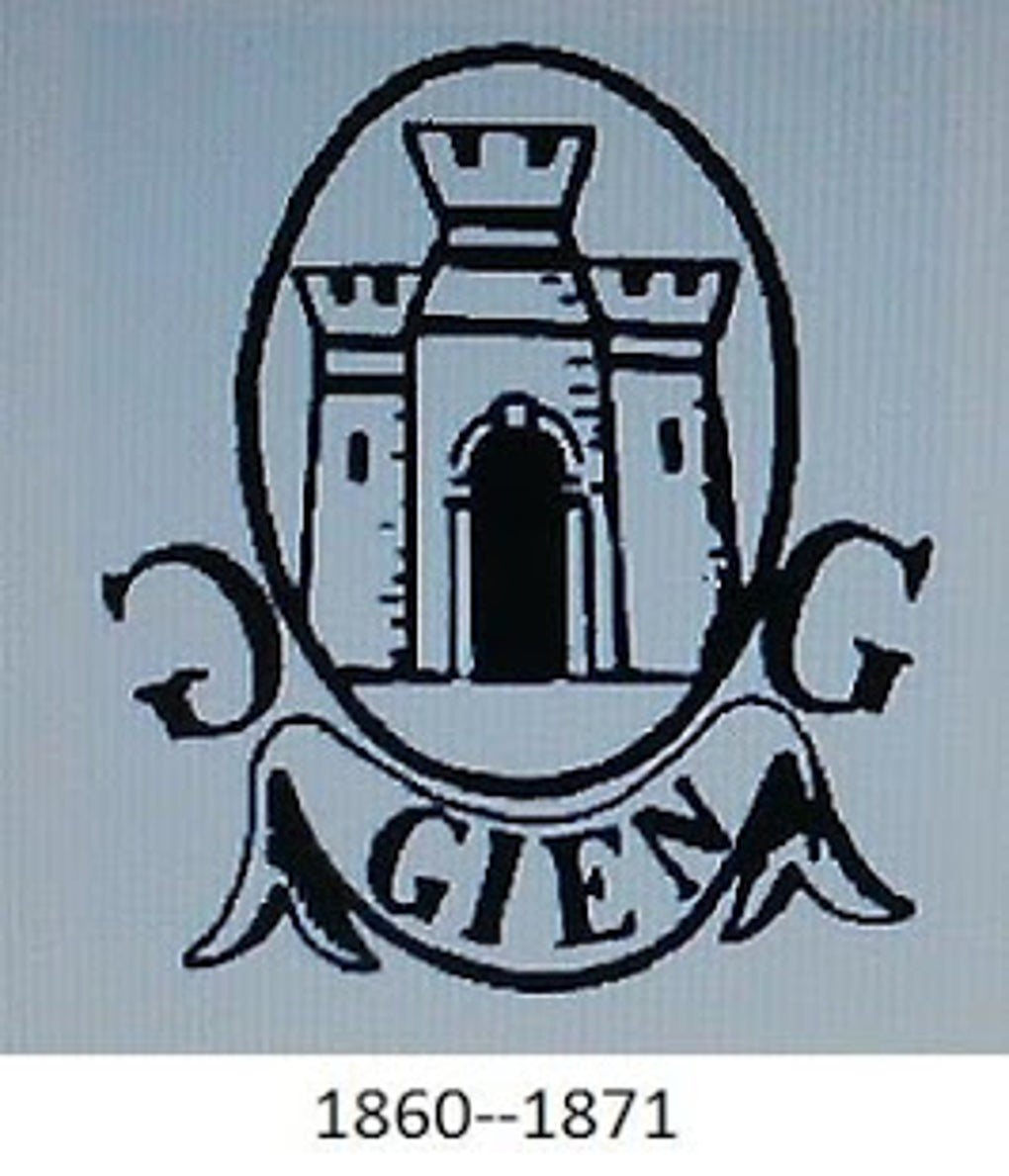
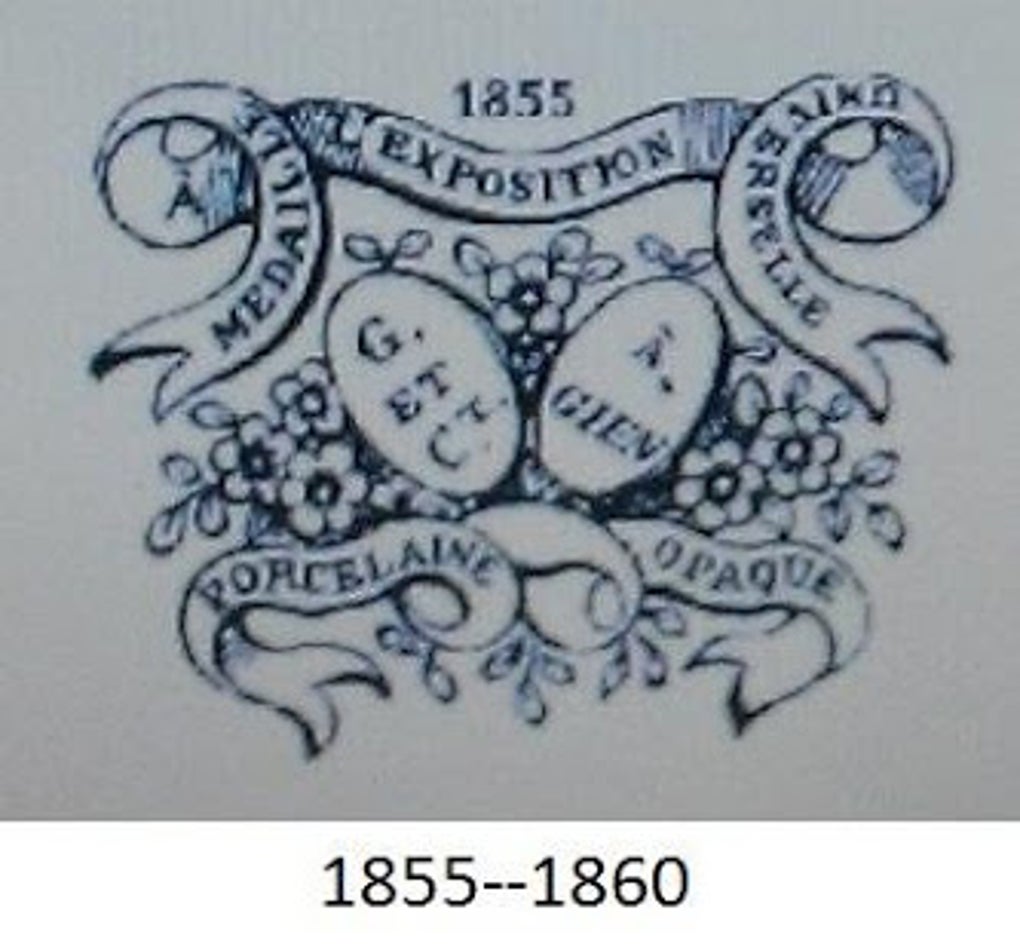
Early Marks (Pre-1875): In its nascent years, the Faiencerie de Gien often used simpler marks. These might include:
- Impressed Marks: Early pieces often bear impressed marks, such as “GIEN” or initials of the factory or owner (e.g., “H” for Hall). These marks are pressed into the clay before firing, making them feel recessed. They can be subtle and sometimes difficult to read clearly due to variations in production.
- Simple Printed Marks: Some early pieces might feature a basic printed mark, often in black, with just the word “GIEN” in various simple fonts. These were less elaborate than later marks.
- Absence of Marks: It’s not uncommon for very early or less significant pieces to bear no mark at all. This can make identification challenging and often requires knowledge of specific forms, glazes, and decorative styles characteristic of the period.
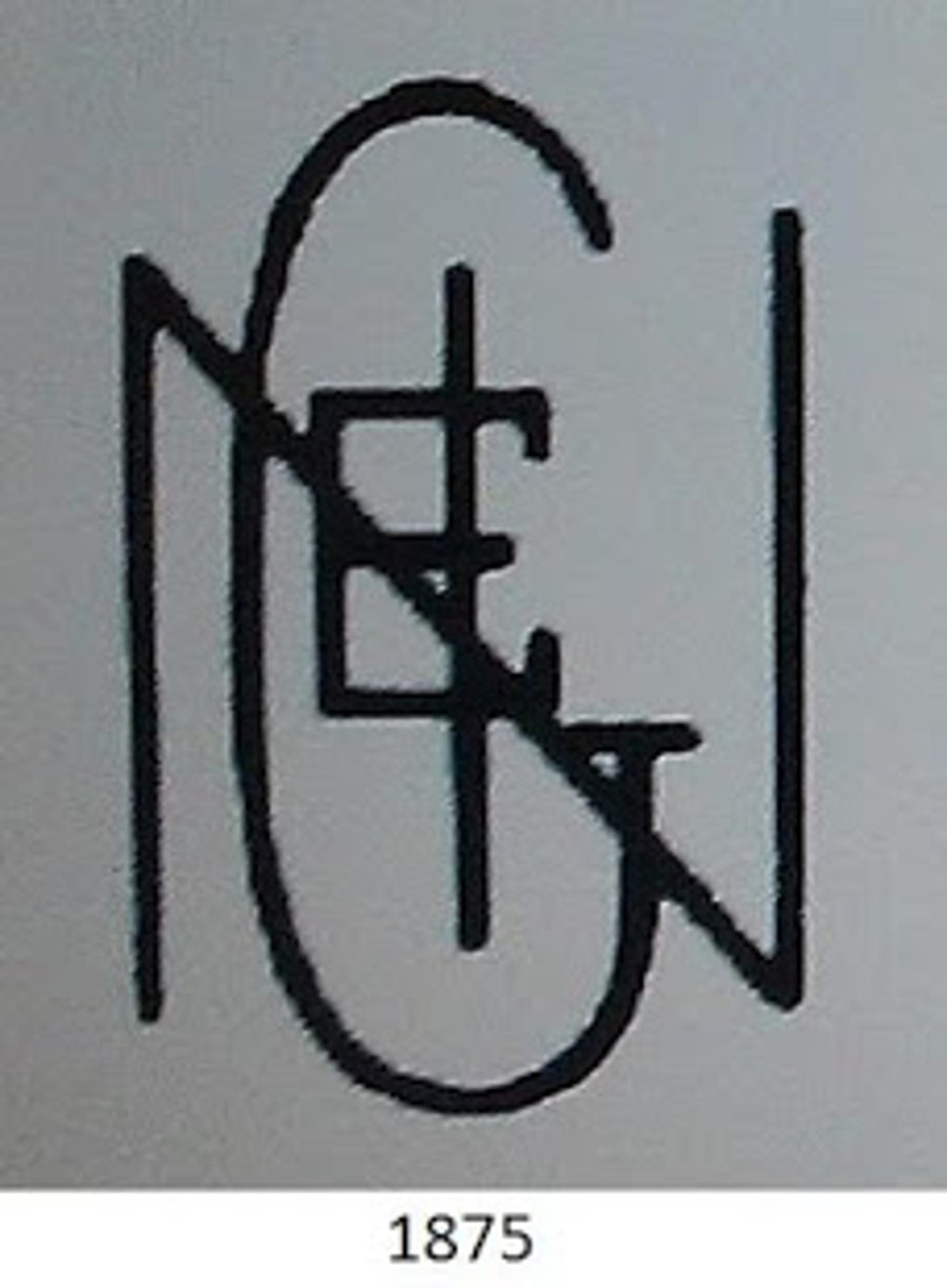
Late 19th Century Marks (1875-1900s): This period saw a significant expansion in Gien’s production and artistic output, reflected in more sophisticated marks. The 1875 Paris Exposition Universelle, where Gien won a gold medal, often marks a turning point.
- Factory Crests and Coats of Arms: Many marks from this era incorporate a coat of arms or a stylized crest, often featuring a shield, a crown, and sometimes an animal like a lion. These marks were usually printed in black, red, or blue.
- “Faiencerie de Gien”: The full name of the factory frequently appears, often encircling a crest or presented prominently.
- “France” or “Made in France”: With increasing exports, the country of origin began appearing on marks, signaling a global reach.
- Specific Pattern Names/Numbers: Some pieces might include a pattern name or a registration number, which can be invaluable for cross-referencing in detailed catalogs.
Early to Mid-20th Century Marks (1900s-1950s): The turn of the century brought new artistic movements and production methods, which again influenced the marks.
- Simpler Logos: While some elaborate marks persisted, many became more streamlined, reflecting modern design sensibilities.
- Updated Factory Names: Variations like “GIEN FRANCE” or “GIEN FAIENCERIE” in block letters or more contemporary fonts became common.
- Model Numbers and Artist Signatures: As Gien continued to produce art pottery, individual artist signatures or factory model numbers might appear, often hand-painted under or over the glaze.
- Specific Date Codes: Some Gien marks from this period, particularly on more mass-produced items, might incorporate specific numerical or letter codes that correspond to a production date. Decoding these often requires a dedicated reference guide.
Late 20th Century to Present (1950s-Current): Modern Gien marks tend to be more standardized and consistent, often using contemporary printing techniques.
- Clear “Gien France” Logos: Modern marks are typically very clear, often in a distinct font, and always include “France.”
- Microwave/Dishwasher Safe Indicators: As functionality became more important, modern marks might include symbols indicating suitability for appliances.
- Barcodes or Production Information: Contemporary pieces may feature barcodes or other machine-readable information.
Challenges in Identification:
- Wear and Tear: Marks on older pieces can be faded, chipped, or worn away, making them illegible.
- Variations: Even within the same period, there could be slight variations in how a mark was applied (e.g., hand-painted vs. transfer-printed).
- Overglaze vs. Underglaze: Marks applied under the glaze are typically more durable, while those over the glaze can be more susceptible to wear.
- Factory Seconds/Unmarked Pieces: Occasionally, factory seconds or pieces not intended for retail might be unmarked or bear an altered mark.
For any serious collector, delving into these nuances is key. Tools like the “A Guide to Gien Pottery Marks” app, when available, sought to simplify this process by providing visual comparisons and detailed descriptions. Without such a specific app, collectors must rely on the wealth of knowledge found in comprehensive books, online databases (often requiring careful verification), and the collective expertise within collector communities to confidently identify and appreciate the historical tapestry woven into each piece of Gien pottery.
Navigating the Current Landscape: Alternatives and Future Resources
The discontinuation of “A Guide to Gien Pottery Marks” leaves a notable void for Android users seeking a dedicated, mobile reference for Gien pottery marks. In its absence, collectors, dealers, and enthusiasts must turn to a combination of alternative resources and strategies to continue their pursuit of accurate identification and dating.
1. Comprehensive Reference Books: As discussed, traditional books remain the gold standard. Investing in well-regarded, authoritative texts specifically on Gien pottery or broader French faience is paramount. These books, often compiled by experts, contain extensive catalogs of marks, historical context, and detailed photographs. While they lack the portability of an app, their depth and reliability are often unmatched. Look for books published by reputable art history or antiques publishers, and consider seeking out editions that are more recent or have been revised.
2. Online Databases and Forums: The internet offers a vast array of resources, though careful discernment is crucial:
- Museum and Auction House Databases: Many prominent museums (e.g., Musée des Arts Décoratifs) and major auction houses (e.g., Christie’s, Sotheby’s) maintain online archives of past sales or collections. Searching these can yield images of marked Gien pieces with provenance and estimated dates.
- Specialized Antiques Websites: Websites like PhanMemFree.org (formerly Softonic.com) or other antique and ceramics enthusiast sites might host articles, image galleries, or forum discussions dedicated to pottery marks. While useful, always cross-reference information from multiple sources to ensure accuracy.
- Collector Forums and Social Media Groups: Online communities dedicated to antique pottery or French ceramics are excellent places to share images of marks and seek advice from experienced collectors. Members often possess a wealth of knowledge and can help identify obscure marks. However, remember that advice from forums is not always professional, and should be verified.
3. Expert Appraisers and Dealers: For particularly valuable or difficult-to-identify pieces, consulting a professional appraiser specializing in European ceramics or a reputable antique dealer with expertise in Gien pottery is a wise investment. Their trained eye and extensive experience can provide definitive identification and valuation. They often have access to private archives and knowledge bases not available to the public.
4. Public Library and University Resources: Local and university libraries may house specialized books on ceramics and decorative arts that are not easily found elsewhere. University art history or archaeology departments can also sometimes offer guidance or access to academic resources.
5. Photography and Documentation: Regardless of the resource used, meticulous documentation of your own pieces is essential. Take high-resolution photographs of the entire piece, the mark from multiple angles, and any specific decorative elements. This digital record can be easily shared with experts or used for comparative analysis with online and book resources.
Looking Ahead: The Future of Digital Tools While “A Guide to Gien Pottery Marks” is no longer available, the underlying demand for such tools persists. It’s plausible that new applications or web-based platforms could emerge to fill this gap. Future digital resources might incorporate:
- AI-driven Image Recognition: Advanced AI could potentially identify marks from photographs, even if they are partial or worn.
- Crowdsourced Databases: Platforms where collectors can contribute verified marks and information, reviewed by experts.
- Augmented Reality (AR): Apps that overlay information onto real-world objects viewed through a phone’s camera.
The collecting community’s need for accessible, reliable, and up-to-date information on Gien pottery marks remains strong. While the digital landscape for a specific, dedicated Gien marks app may currently be sparse, the combination of traditional scholarly resources, growing online communities, and the potential for future technological advancements ensures that the fascinating pursuit of identifying these exquisite French ceramics will continue to thrive. The legacy of Gien pottery, with its rich artistic heritage, will always inspire collectors to seek out and understand the unique signatures that tell its story.
File Information
- License: “Free”
- Version: “18.10.18”
- Latest update: “May 27, 2024”
- Platform: “Android”
- OS: “Android 9.0”
- Downloads: “34”
- Size: “17.35 MB”
- Download Options: “APK, Google Play”
- Filename: “com-tresors86-aguidetogienpotterymarks-2-41207131-f3bcddef0d74296014fbefd5df3fd5c3.apk”