
Acoustica Beatcraft, a Windows-based drum machine software, enjoyed a period of popularity, particularly among users who appreciated its intuitive interface and straightforward approach to beat creation. While no longer actively updated or supported, its legacy continues through user testimonials and the enduring demand for a Mac version, highlighting the software’s impact on a segment of the music production community. This article explores the features, history, and lasting impression of Acoustica Beatcraft.
Acoustica Beatcraft: Features and Functionality
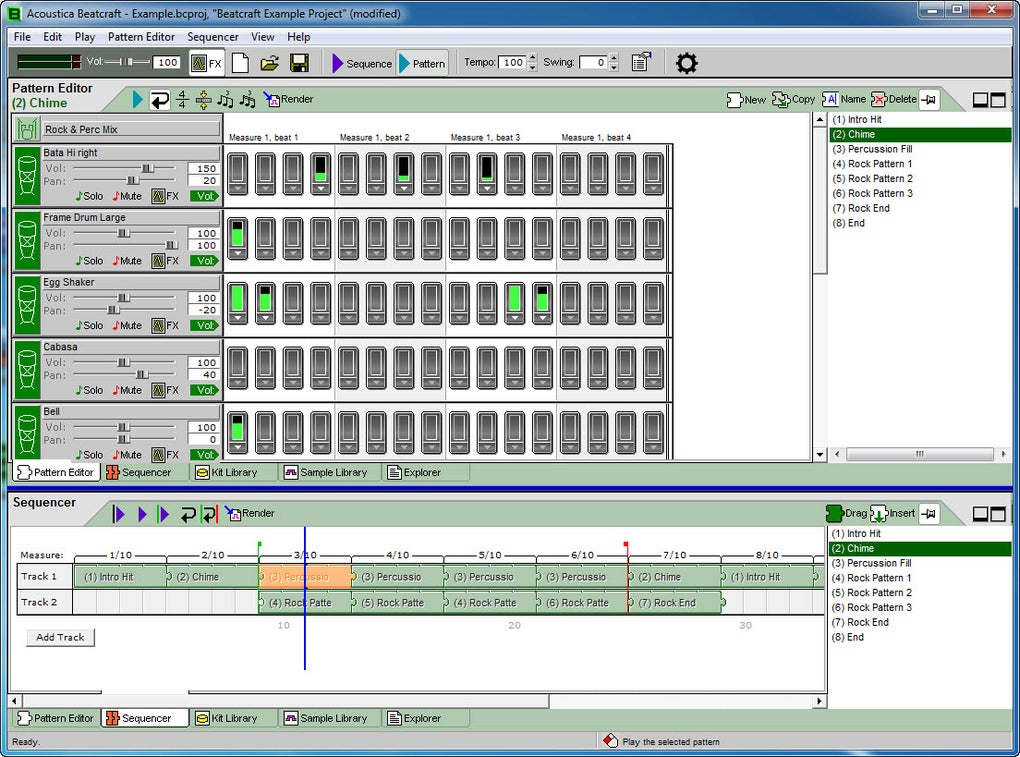
Acoustica Beatcraft presented itself as a user-friendly option within the often complex world of Digital Audio Workstations (DAWs). Unlike many professional-grade DAWs with extensive features and steep learning curves, Beatcraft focused on providing a streamlined experience for creating drum beats. While precise details on its feature set are limited due to the software’s age and lack of readily available documentation, user reviews and descriptions indicate a core functionality centered around:
-
Intuitive Drum Machine Interface: The core of Beatcraft’s appeal lay in its user-friendly design. The interface was likely designed to be easy to navigate, even for users with limited experience in music production software. The visual layout probably prioritized ease of use over an overwhelming amount of options.
-
Sampling Capabilities (likely): Given the nature of drum machines, Beatcraft likely included the ability to import and manipulate samples, allowing users to customize their drum sounds. This feature would have been crucial in creating unique and personalized beats.
-
Basic Beat Sequencing: The software provided the essential tools for sequencing drum patterns, allowing users to arrange drum hits in time and create rhythmic variations. This core function would have been the foundation of the entire user experience.
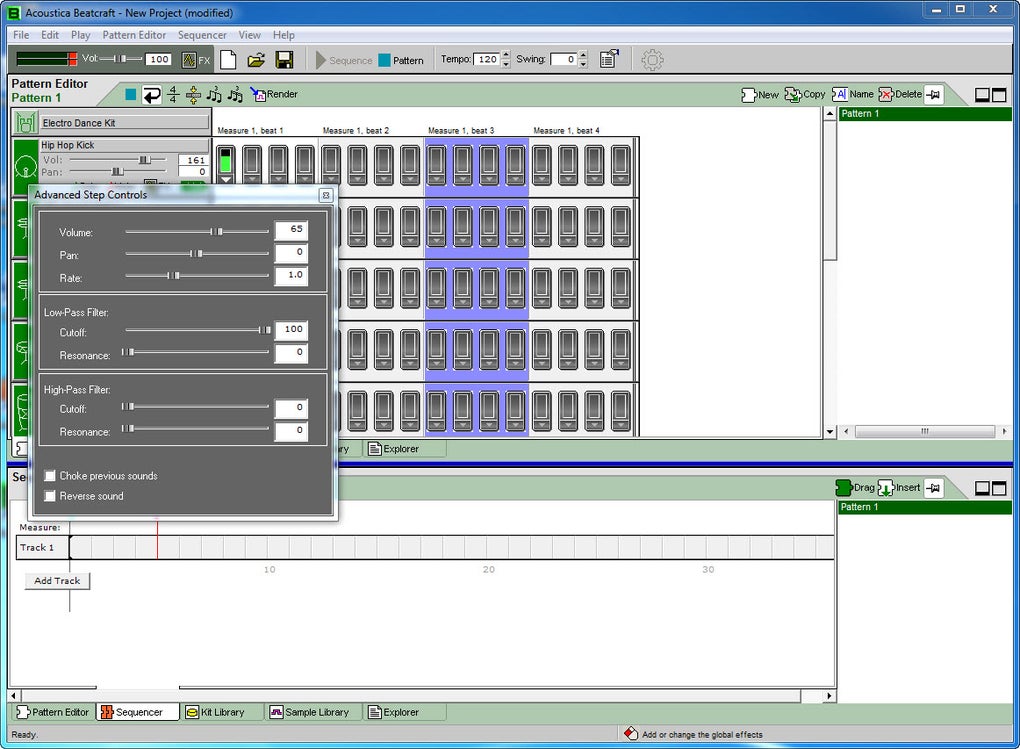
- Limited Effects Processing (possibly): While not a core selling point, it’s possible Beatcraft incorporated basic effects processing, like reverb or EQ, to enhance the sound of the drums. The extent of these effects likely remained modest compared to professional DAWs.
The software’s overall strength was its simplicity and ease of use, a stark contrast to the complexity of many professional-grade options available at the time. It likely focused on providing essential tools for beat creation without overwhelming the user with unnecessary features. This accessibility was a significant factor contributing to its popularity.
Acoustica Beatcraft: System Requirements and Availability
Acoustica Beatcraft was exclusively available for Windows, supporting Windows 95 and earlier versions. This limited compatibility inevitably restricted its user base, particularly as newer operating systems emerged. The software was only available in English, further limiting its potential reach.
The program’s relatively small size (8.72 MB) suggests a minimal footprint on the computer’s resources, a characteristic that would have been advantageous for users with less powerful systems. This modest system requirement contributed to its accessibility to a wider range of users, especially considering the older hardware it supported. The trial version, which was freely downloadable, allowed prospective users to test the software before committing to purchase. However, the availability of a full, paid version is unclear, given the age of the software and the lack of current information.
Acoustica Beatcraft: User Reception and Legacy
Despite its age and lack of continued support, Acoustica Beatcraft has left a positive impression on its users. Online reviews, such as the one from Ernesto Catalan, clearly demonstrate the affection and loyalty it garnered. Catalan’s frustration at the lack of a Mac version speaks volumes about the software’s success in captivating its user base. The yearning for a continuation or port to Mac OS emphasizes the software’s unique appeal and its ability to establish itself as a trusted and well-loved tool.
The review by an anonymous user, praising Beatcraft as a “perfect beat station” and likening its use to “cooking beats in the kitchen,” reveals the user-friendly and creative aspects that defined the software. This user’s enthusiastic feedback reflects the software’s intuitive nature and the joy it brought to its users. The positive reception is remarkable, indicating the software achieved its goal of providing an accessible and enjoyable way for users to create music.
Acoustica Beatcraft: A Comparison to Contemporary Software
Comparing Acoustica Beatcraft to contemporary music production software reveals a significant shift in the industry. Modern DAWs like Ableton Live, Logic Pro X, and FL Studio offer vastly more features, including advanced audio processing, MIDI editing capabilities, extensive virtual instrument libraries, and advanced mixing and mastering tools. These programs cater to professional and advanced users, boasting an array of options that would have been unimaginable in Beatcraft’s time.
However, the sophistication and abundance of features in modern software also come with a price: complexity. The learning curve for modern DAWs can be steep, deterring users unfamiliar with music production techniques. Acoustica Beatcraft’s simplicity offers a compelling contrast. While lacking the advanced features of modern counterparts, it prioritized ease of use, offering a barrier-to-entry significantly lower than professional-grade DAWs. This simplicity made it accessible to a wider range of users, including those with limited musical experience.
The shift highlights a fundamental change in the market: a trade-off between ease of use and sophisticated functionality. While modern software provides expansive creative possibilities, the simpler, more focused approach of Acoustica Beatcraft remains appealing to some users, illustrating the enduring value of accessible and user-friendly tools.
In conclusion, Acoustica Beatcraft’s legacy is not defined by its technical specifications or its place in a constantly evolving software market. Its enduring appeal stems from its user-friendliness, its focus on a specific task (drum beat creation), and its success in creating a loyal user base who valued its simplicity and intuitive design. The ongoing requests for a Mac version serve as a testament to its lasting impact, a reminder that in the world of software, accessibility and user experience can be as impactful as cutting-edge technology. The software’s story stands as a case study of how a straightforward and well-designed tool can leave a lasting mark on users, even years after its last update.
File Information
- License: “Trial version”
- Version: “1.02.19”
- Latest update: “December 26, 2011”
- Platform: “Windows”
- OS: “Windows XP”
- Language: “English”
- Downloads: “13K”
- Size: “8.72 MB”


