
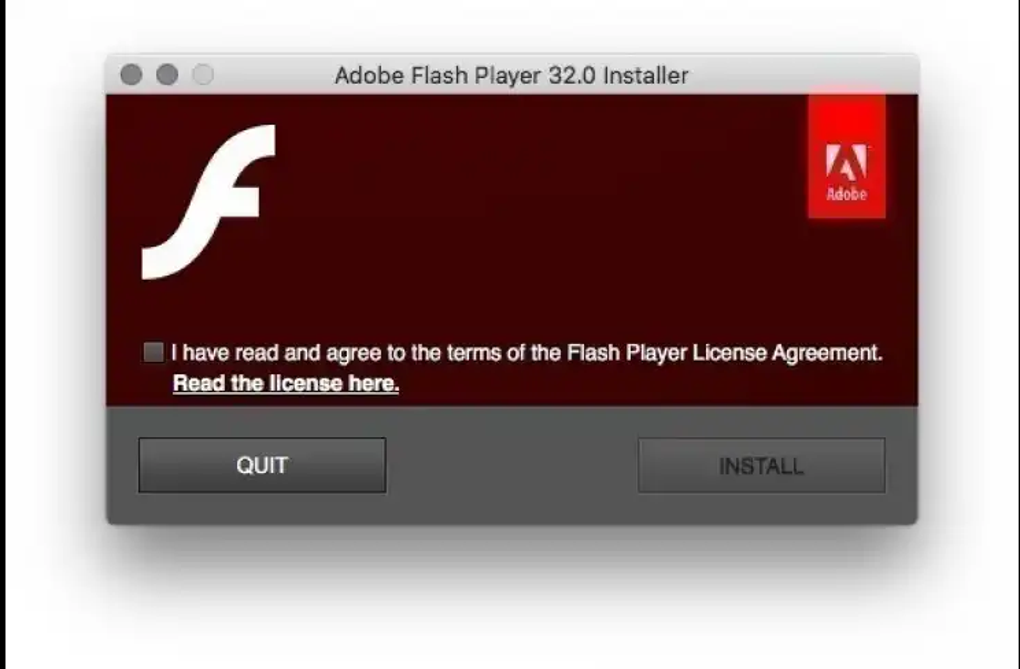
Adobe Flash Player, once a ubiquitous plugin for web browsers, has been officially discontinued since December 31, 2020. This article serves as a retrospective look at the software, examining its functionality, impact, and ultimate demise. While download links are no longer functional, the information below offers valuable context for understanding its role in the history of the internet.
Apps
Adobe Flash Player wasn’t just a video player; it was a versatile runtime environment capable of running a broad range of applications. These applications, built using ActionScript, ranged from simple interactive elements on websites to complex games and utilities. The ability to create interactive experiences directly within a web browser was a significant advantage, eliminating the need for separate application downloads and installations. This facilitated the creation of dynamic websites that responded to user input in real-time, opening up new possibilities for web design and user engagement. However, the reliance on a plugin also introduced security vulnerabilities that ultimately contributed to its downfall. Many sophisticated applications, however, were built upon this platform, demonstrating its capabilities, albeit with limitations that would later be addressed by more modern technologies.
The range of applications built with Flash was vast, encompassing everything from simple online calculators and interactive forms to more complex applications requiring significant processing power. Flash’s ability to handle multimedia content seamlessly integrated these features into the user experience, creating immersive and engaging interactions that were novel at the time. The ease of development, relative to native applications, contributed to its widespread adoption for applications across various sectors. However, the limitations of Flash’s security model and the eventual rise of more secure and efficient web technologies ultimately sealed its fate. The legacy of Flash applications, however, remains visible in the historical archives of the internet.
Games
The impact of Adobe Flash Player on the gaming industry is undeniable. Prior to its demise, countless games were developed and played using the Flash platform. From casual browser games to more elaborate titles, Flash provided an accessible platform for game developers, requiring only a web browser and the Flash Player plugin. This significantly lowered the barrier to entry for both game creation and consumption. This accessibility led to a flourishing online gaming community, with numerous websites hosting thousands of Flash-based games. Many of these games enjoyed widespread popularity, shaping the early landscape of online gaming and influencing the design principles for subsequent generations of browser-based and mobile games.
The simplicity of deployment and the wide reach of the Flash Player contributed to its popularity among independent game developers. The relatively low cost of development and the large potential audience made Flash an attractive option. While Flash games often lacked the sophisticated graphics and complex game mechanics of their console or PC counterparts, their accessibility and ease of play contributed to their significant cultural impact. However, the limitations of the Flash Player, such as performance issues and security concerns, led to the eventual transition to more robust gaming platforms.
News and Multimedia
Flash Player became an integral part of how news and multimedia content were consumed on the internet. Its ability to handle rich media content, such as video and animation, made it a popular choice for embedding interactive news presentations, animated infographics, and video streaming directly into web pages. The integration of video capabilities in Flash allowed news organizations and media outlets to deliver engaging and multimedia-rich experiences to their audience. Prior to the widespread adoption of HTML5 video, Flash was the dominant technology for streaming video online. Many news websites relied heavily on Flash for delivering video content and interactive elements within their news articles, making Flash an indispensable part of the news consumption experience.
The versatility of Flash Player also extended to delivering multimedia content beyond just news. Interactive educational resources, presentations with embedded animations, and marketing materials with interactive components all benefitted from Flash’s capability to combine text, images, audio, and video seamlessly within a single web page. Its adoption spread throughout a broad range of sectors, impacting online learning, marketing and advertising, and overall internet content.
Adobe Flash Player for Business
For businesses, Adobe Flash Player provided a powerful tool for creating interactive and engaging online experiences. From interactive product demos and presentations to online training modules and e-commerce applications, Flash offered a robust platform for developing applications that went beyond static web pages. The ability to build rich, interactive interfaces made it a valuable asset for numerous business functions.
Marketing and advertising heavily relied on Flash Player. Animated banner ads, interactive marketing campaigns, and online game promotions all leveraged Flash’s capabilities to enhance engagement and create memorable brand experiences. However, its security vulnerabilities and performance issues ultimately led to its decline and the search for alternative business solutions.
Adobe Flash Player for Mac
While Adobe Flash Player was available for Mac operating systems, its performance and security issues were more pronounced on Apple’s platform. Apple’s comparatively strict security policies and focus on system stability often led to conflicts with Flash, resulting in compatibility problems and performance issues that were not always fully resolved by updates. This created a less than optimal experience for Mac users compared to those on Windows.
The resource-intensive nature of Flash Player was a particularly noticeable issue on Mac systems. Unlike Windows, where the prevalence of Flash-optimized hardware and software was widespread, Mac users experienced more frequent crashes and performance slowdown as a result of using Flash, highlighting the compatibility challenges. Apple itself actively discouraged the use of Flash, leading to its eventual deprecation within the Safari browser.

Multimedia and Video Capabilities
Flash Player’s ability to handle various multimedia formats was a key reason for its widespread adoption. It supported audio, video, and interactive elements, all within a single plugin. Prior to the development of HTML5 video and other standardized web technologies, Flash was the go-to solution for embedding video directly into websites. This ability to smoothly incorporate multimedia significantly enhanced the user experience, enabling the creation of dynamic and engaging web pages. YouTube, for instance, heavily relied on Flash Player for video playback for a significant portion of its early years.
However, Flash’s proprietary nature and the ensuing licensing issues hampered its development and led to the emergence of open standards and more collaborative development models. The lack of cross-platform compatibility, security vulnerabilities, and resource consumption further fueled the shift toward open web technologies.
The Decline and Demise of Adobe Flash Player
The reasons for the discontinuation of Adobe Flash Player are multifaceted. Security vulnerabilities were a primary concern. Flash’s architecture proved susceptible to various exploits, making it a prime target for malware and security breaches. These security risks posed significant threats to users’ data and systems. Moreover, the rise of more modern web technologies, such as HTML5, provided more secure, performant, and versatile alternatives for creating rich web experiences.
The performance issues associated with Flash Player, especially on less powerful systems, also contributed to its decline. Flash Player was known for its resource-intensive nature, leading to slower load times and performance bottlenecks, particularly on mobile devices. The emergence of HTML5, which could render multimedia content directly in the browser without the need for a plugin, significantly improved performance and reduced the strain on system resources.
Finally, the proprietary nature of Flash Player and the associated licensing costs contributed to its eventual decline. The lack of open standards and collaborative development hindered its broader adoption and evolution. Open web technologies like HTML5, CSS3, and JavaScript, promoted by the W3C and other standards bodies, offered a more collaborative and standardized approach to web development, ultimately facilitating faster innovation and widespread adoption.
The final verdict on Adobe Flash Player is complex. While it played a significant role in shaping the early internet and paving the way for interactive web experiences, its security vulnerabilities, performance issues, and proprietary nature ultimately led to its demise. While the legacy of Flash lives on in countless archived games and applications, its successor technologies offer more secure, efficient, and standardized methods for creating immersive online experiences. The lessons learned from Flash’s journey serve as a reminder of the importance of security, openness, and performance in the ever-evolving landscape of the internet.
File Information
- License: “Free”
- Latest update: “May 23, 2023”
- Platform: “Mac”
- OS: “Mac OS X”
- Language: “English”
- Downloads: “2.2M”
- Size: “14.53 MB”


