
Adobe Soundbooth CS5, a now-discontinued audio editing software, represented a significant step in the evolution of digital audio workstations (DAWs) for many users. While superseded by more recent iterations and Adobe Audition, understanding its capabilities and limitations provides valuable context for those familiar with older audio editing software or those interested in the historical progression of digital audio technology. This review delves into the features, strengths, weaknesses, and overall user experience of Adobe Soundbooth CS5.
Feature Set and Capabilities
Adobe Soundbooth CS5 offered a robust set of tools designed to simplify and streamline the audio editing process. Its compatibility with a wide array of audio file formats was a major advantage, allowing users to work with diverse projects without extensive format conversion. This versatility was a key selling point, appealing to both professional and amateur audio editors.
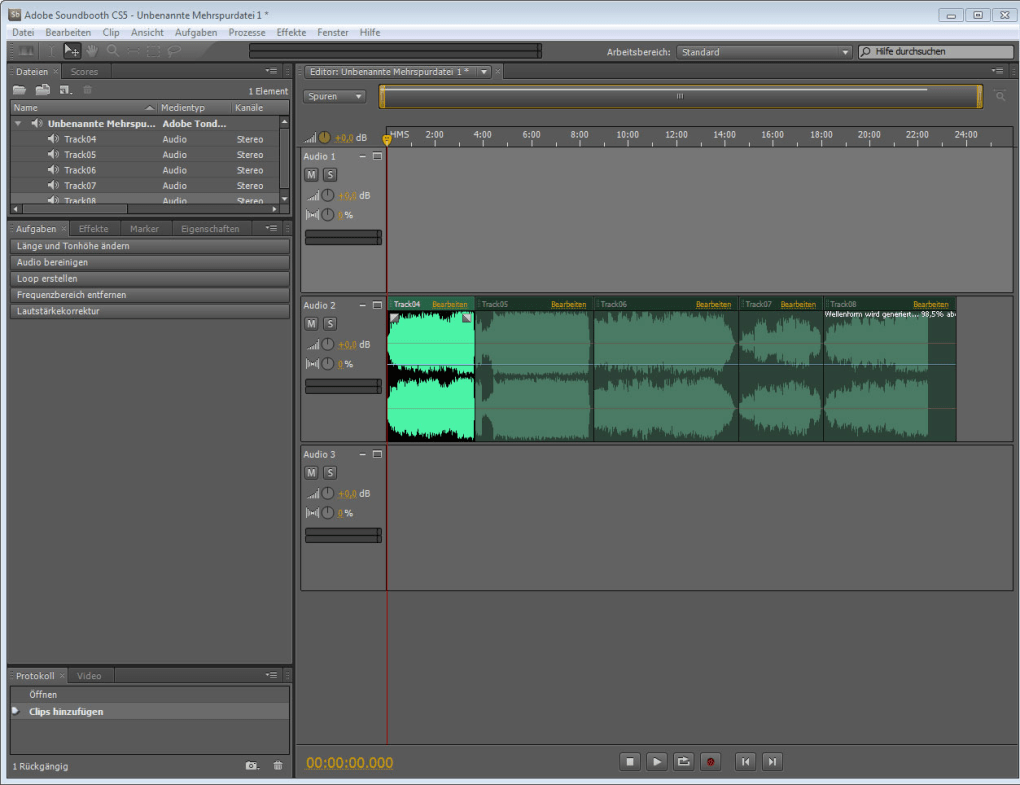
The software excelled in several key areas:
-
Noise Reduction: Soundbooth CS5 incorporated powerful noise reduction algorithms, enabling users to effectively minimize background noise, hiss, and other unwanted artifacts. This was crucial for cleaning up recordings made in less-than-ideal acoustic environments, improving the overall quality and clarity of the final product. The noise reduction tools were relatively intuitive, even for less experienced users, making the process of cleaning audio more accessible.
-
Audio Editing: Beyond noise reduction, the core editing capabilities were comprehensive. Standard functions such as cutting, pasting, copying, and trimming were implemented seamlessly, allowing for precise manipulation of audio waveforms. Users could also adjust audio levels, apply fades (both in and out), and perform other fundamental edits necessary for shaping and refining audio tracks. The software also supported multitrack editing, though its capabilities in this regard were less advanced compared to more full-featured DAWs.
-
Sound Effects and Samples: Soundbooth CS5 provided a library of built-in sound effects and samples, expanding the creative possibilities for users. This feature was particularly useful for adding ambiance, transitions, or other sonic enhancements to projects. While the library may not have been as extensive as those offered by some dedicated sound effect libraries, it served as a convenient resource for users directly within the editing environment.
-
Intuitive Interface: While mastering professional audio editing software always requires a learning curve, Soundbooth CS5 was praised for its relatively intuitive interface. The layout was designed to be user-friendly, making it easier for users to locate and access the tools they needed. This accessibility contributed to the software’s popularity among both beginners and seasoned audio editors.
-
Workflow Integration: As part of the Adobe Creative Suite, Soundbooth CS5 integrated seamlessly with other Adobe applications. This was a significant advantage for users already invested in the Adobe ecosystem, providing a streamlined workflow for projects involving both audio and video editing. This integration simplified the process of transferring audio between applications, ensuring a smooth and efficient editing process.
Limitations and Drawbacks
Despite its considerable strengths, Adobe Soundbooth CS5 had certain limitations that should be acknowledged:
- Limited Multitrack Capabilities: Compared to dedicated DAWs, Soundbooth CS5’s multitrack editing capabilities were relatively basic. While it allowed users to work with multiple tracks, the features for advanced mixing, mastering, and complex audio arrangements were less extensive. Users seeking advanced multitrack functionality would find it necessary to explore more powerful DAWs.
-
Windows Only: The software was exclusively available for Windows operating systems, excluding users of macOS and other platforms. This limitation significantly restricted its potential reach, excluding a substantial segment of the audio editing market.
-
Incremental Improvements over CS4: Many users who already owned Adobe Soundbooth CS4 found the upgrade to CS5 to be relatively minor. While new features were introduced, the changes weren’t substantial enough to justify the upgrade for users who were already comfortable with the previous version. This lack of significant improvements contributed to a slower adoption rate among existing users.
-
Discontinuation: The most significant drawback is that Adobe Soundbooth CS5 is no longer supported by Adobe. This means no further updates, bug fixes, or technical assistance are provided. Users are encouraged to migrate to more current and supported software for continued use.
Comparison to Alternatives
At the time of its release, Adobe Soundbooth CS5 competed with a variety of audio editing software options, including both professional-grade DAWs and consumer-level applications. Its strengths lay in its user-friendly interface and solid feature set, making it a compelling option for users who valued ease of use without sacrificing essential tools. However, users needing more advanced features, especially in multitrack editing and mixing, would benefit from exploring more comprehensive software such as Pro Tools, Logic Pro X, or Cubase.
Even compared to other Adobe products, Soundbooth CS5 ultimately found itself overshadowed by Adobe Audition, which absorbed and extended the functionality of Soundbooth with additional features and a stronger focus on professional audio workflows. Adobe Audition became the successor and continues to evolve as a leading audio workstation.
User Experience and Learning Curve
The user experience of Adobe Soundbooth CS5 was largely positive. Its intuitive interface and well-organized tools made it relatively easy to learn, even for users with limited prior experience in audio editing. The software’s comprehensive help documentation and readily available online tutorials further enhanced the learning process. While mastering all the software’s capabilities took time and practice, the overall design contributed to a more accessible learning curve compared to some of its more complex competitors.
Overall Assessment
Adobe Soundbooth CS5 was a capable audio editing software that provided a solid balance of ease of use and functionality. Its compatibility with a wide range of audio formats, powerful noise reduction tools, and intuitive interface were significant advantages. However, its limitations in multitrack editing and the lack of significant improvements over its predecessor, along with its eventual discontinuation, limited its long-term viability. While it held a place in the audio editing landscape, it ultimately serves more as a historical marker in the evolution of Adobe’s audio software offerings, with Adobe Audition emerging as the definitive successor. For users looking for a current and supported audio editing solution, exploring modern alternatives is highly recommended. However, for those interested in a glimpse into the past of digital audio editing, understanding Soundbooth CS5’s features provides valuable insight into the historical progression of the field.
File Information
- License: “Trial version”
- Latest update: “May 9, 2018”
- Platform: “Windows”
- OS: “Windows 7”
- Language: “English”
- Downloads: “39.1K”
- Size: “494.65 MB”


