
Age of Empires III, released in 2005, marked a significant departure for the acclaimed real-time strategy (RTS) series. While retaining the core gameplay loop of resource management, base building, and military conquest that defined its predecessors, Age of Empires III transported players to the New World, offering a fresh perspective on the familiar formula. This shift in setting allowed for new mechanics, units, and civilizations, creating a unique and engaging experience, albeit one that sparked debate amongst long-time fans regarding its historical accuracy.
A New World Awaits: Gameplay and Mechanics
Age of Empires III presented players with a drastically different strategic landscape compared to its predecessors. Instead of focusing solely on a single civilization across a relatively short timeframe, players now guided a European nation through several centuries of colonial expansion, beginning in the Age of Discovery and progressing through to the Industrial Age. This extended timeline introduced a more dynamic and complex gameplay experience. Players weren’t merely vying for control of a single map; they were building and managing empires across vast continents, engaging in trade, diplomacy, and military conflict on a grand scale.
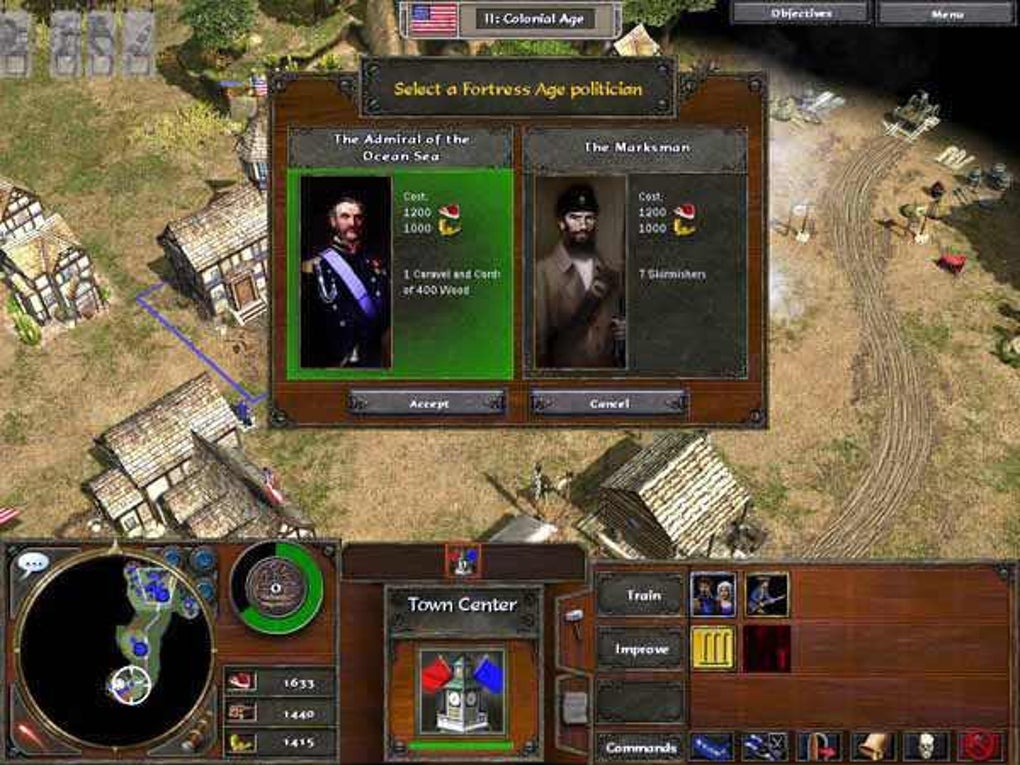
One of the most distinctive features of Age of Empires III was the home city mechanic. Unlike previous installments where players relied solely on resources gathered on the map, Age of Empires III allowed players to receive support from their home city in Europe. This home city acted as a secondary base of operations, providing access to a steady stream of resources, units, and upgrades. Players could strategically manage their home city’s development, sending shipments of resources and units to bolster their colonial efforts in the New World. This mechanic added a layer of strategic depth, requiring players to balance resource management between their home city and their colonies.
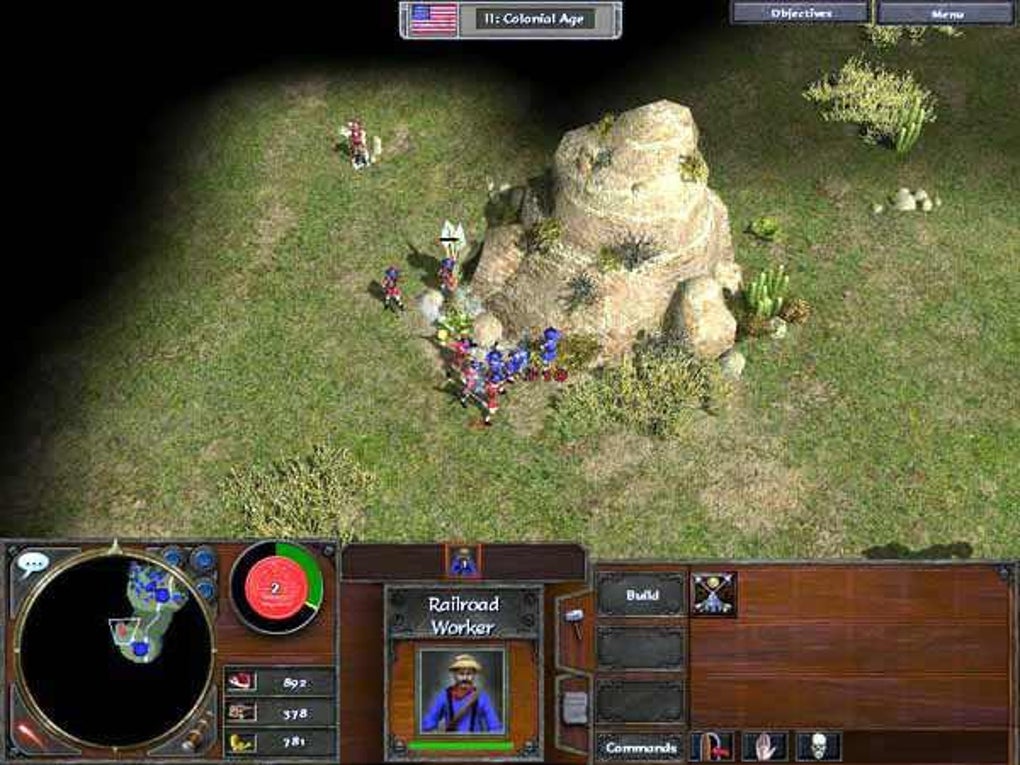
The introduction of Native American civilizations also significantly impacted gameplay. These civilizations weren’t simply opponents; they were potential allies, offering unique units and bonuses. Players could forge alliances with these tribes, gaining access to powerful warriors and resources. This added a compelling diplomatic element, forcing players to consider the political ramifications of their actions and potentially changing the tide of war through strategic alliances. The relationships with Native American tribes, while adding a new dimension to the gameplay, also contributed to criticisms regarding the game’s historical accuracy.
Beyond the strategic innovations, Age of Empires III boasted significantly improved graphics compared to its predecessors. The game world was rendered with more detail and vibrancy, bringing the New World to life with lush forests, towering mountains, and bustling colonial settlements. However, this focus on visual fidelity came at the cost of some historical accuracy, a point that drew criticism from many players.
Civilizations and Units: A Diverse Cast of Combatants
Age of Empires III showcased a diverse range of playable civilizations, each with its unique strengths, weaknesses, and units. While the game featured European nations as the primary focus, the inclusion of Native American civilizations provided a more multicultural and historically nuanced setting. This allowed for a greater variety in strategic approaches, as players could adapt their tactics and strategies based on the specific strengths of their chosen civilization.
European nations, such as the British, French, Spanish, and others, brought their own unique military units and technologies to the game. The British, for example, were renowned for their powerful line infantry, while the French excelled in cavalry. This diversity in military units encouraged players to experiment with different tactical approaches and find strategies that best suited their chosen nation’s strengths. The unique abilities and units of each civilization were integral to the strategic depth of Age of Empires III.
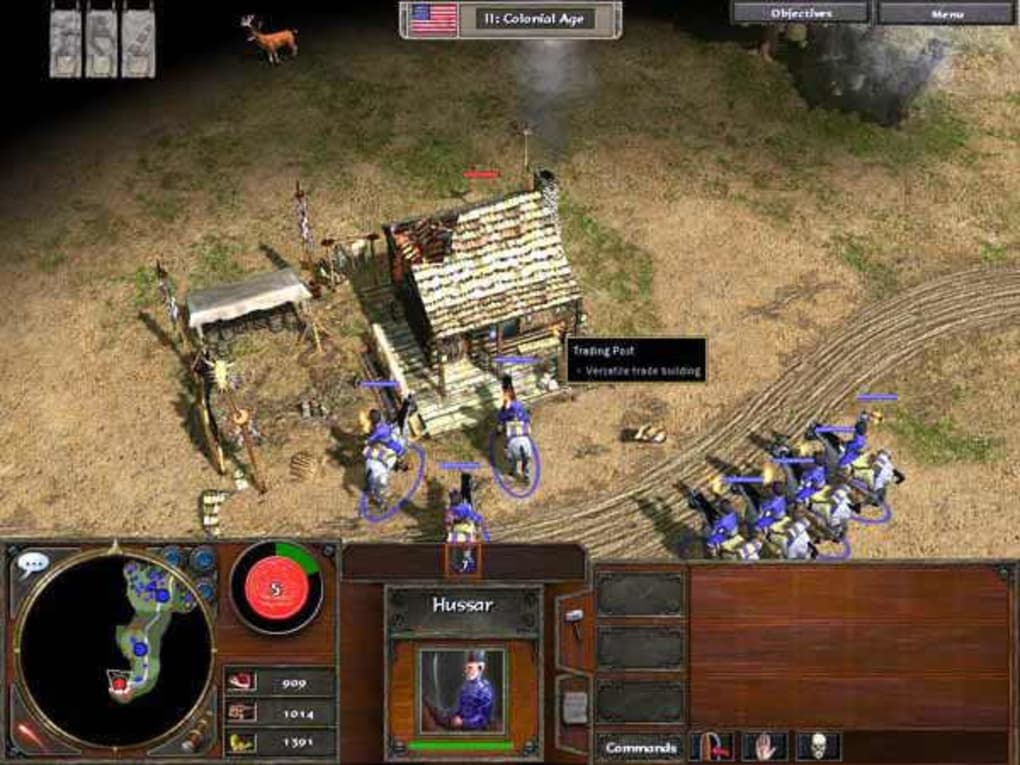
Native American civilizations also played a significant role in shaping the gameplay. They introduced new types of units, such as unique warriors and support units, bringing a different dynamic to combat. Furthermore, the alliances that could be forged with these civilizations opened up new strategic possibilities, creating a more dynamic and multifaceted gaming experience. The interplay between European nations and Native American civilizations added a layer of depth and intrigue to the game’s historical setting.
Historical Accuracy: A Point of Contention
While Age of Empires III was lauded for its improved graphics and engaging gameplay, the game faced criticism regarding its historical accuracy. The game, while drawing inspiration from historical events and civilizations, often took liberties with historical facts, leading to a debate about the balance between historical fidelity and gameplay enjoyment.
One of the most frequently cited criticisms was the portrayal of Native American civilizations. Some critics argued that the game simplified the complex cultures and histories of these tribes, reducing them to mere mercenaries or allies for European powers. This representation was viewed by some as a misrepresentation of the rich cultural heritage of these civilizations. The game’s depiction of gold mines appearing hundreds of years before their actual discovery further fueled these criticisms.
While the game offered a compelling narrative through its campaigns, focusing on historical figures like Simon Bolivar and the conflicts of the French and Indian War, the overall historical accuracy remained a subject of debate. The game’s focus on gameplay and entertainment sometimes overshadowed a strict adherence to historical facts, leading to a tension between engaging gameplay and accurate historical representation. This aspect of the game became a major point of discussion among players and historians alike.
Legacy and Impact: A Lasting Influence on RTS Games
Despite its criticisms, Age of Empires III left a lasting impact on the real-time strategy genre. The game’s innovations, such as the home city mechanic and the incorporation of Native American civilizations, introduced new layers of strategic depth and complexity. The game’s improved graphics also set a new standard for the series, influencing the visual style of subsequent RTS titles.
The game’s success cemented Age of Empires’ position as a leading franchise in the RTS genre, demonstrating the enduring appeal of historical-themed strategy games. Its continued popularity through expansions and online play signifies a significant achievement in the gaming industry. The game’s impact extended beyond its own success; its innovative mechanics influenced the design of other strategy games, shaping the evolution of the genre for years to come.
Age of Empires III, though imperfect, represents a significant milestone in the Age of Empires franchise. It successfully combined engaging gameplay with a visually impressive rendition of the New World, even while facing criticism regarding its historical accuracy. The game’s enduring popularity and its impact on the RTS genre serve as a testament to its overall success and lasting influence on the gaming world.
File Information
- License: “Trial version”
- Latest update: “June 16, 2008”
- Platform: “Windows”
- OS: “Windows XP”
- Language: “English”
- Downloads: “1.4M”
- Size: “383.60 MB”


