
Agony is not merely a game; it is an unholy pilgrimage, a visceral descent into the most terrifying and grotesque envisioning of Hell ever rendered in digital form. Developed by Madmind Studio, this survival horror title plunges players into a nightmare realm inspired by Dante Alighieri’s Inferno, pushing the boundaries of what is considered disturbing and immersive in interactive entertainment. Released across multiple platforms, including Windows, PlayStation 4, Xbox One, and Nintendo Switch, Agony quickly garnered attention for its uncompromising vision, stunningly depraved art direction, and a relentless atmosphere of dread that refuses to offer any respite.
From the very first moments, Agony establishes its identity as a game that revels in its macabre setting. Players awaken as a tormented soul, devoid of memories, condemned to wander the depths of a suffocating, blood-soaked abyss. The primary objective is stark and simple: find a way out of this infernal prison. However, the path to salvation is paved with unspeakable horrors, intricate puzzles, and a constant struggle against the damned and the demonic. It’s a game designed to unsettle, to challenge perceptions, and to immerse players in a truly unique brand of psychological and visceral terror.
A Descent into Dante’s Inferno: The World of Agony
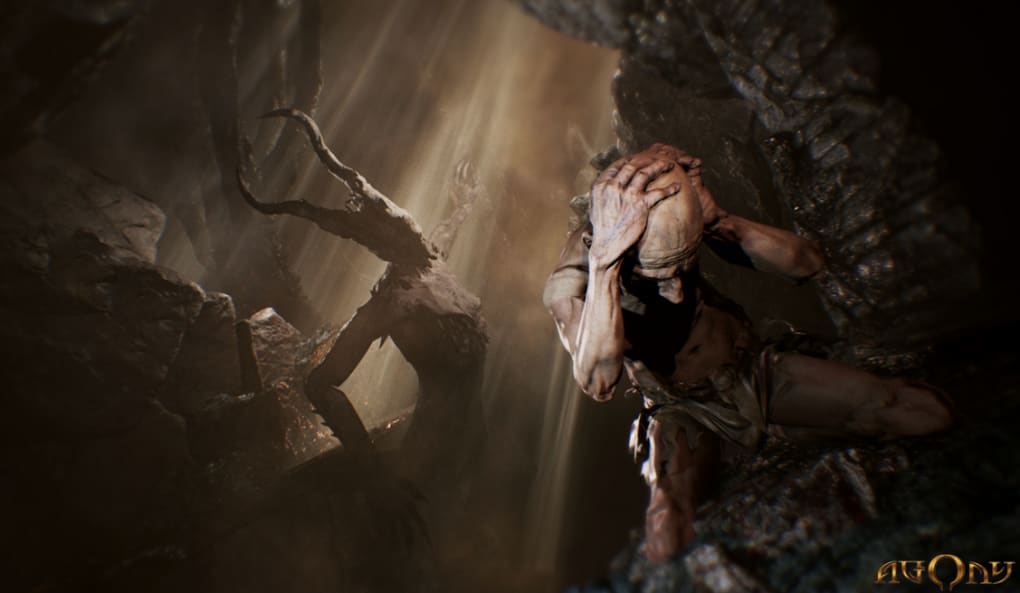
Agony’s most striking feature, and arguably its greatest strength, is its meticulously crafted world. This is not a generic depiction of the underworld; it is a landscape forged from the very essence of human sin and suffering, brought to life through a confluence of artistic styles that defy convention. Madmind Studio has taken the abstract concept of Hell and made it tangible, breathing, and horrifyingly real. Every cavern, every charnel house, every river of blood feels like a consequence of eternal damnation. The environment itself is a character, constantly communicating the game’s themes of torture, despair, and cosmic insignificance.
The narrative, though sparse in traditional dialogue, is woven directly into the fabric of this hellish environment. Players learn about the intricate lore, the demonic hierarchy, and the tragic fates of other condemned souls through visual storytelling, cryptic symbols, and the horrifying architecture of the abyss. This reliance on environmental narrative is a bold choice, and one that largely pays off, allowing players to piece together the grim history of their surroundings and their own forgotten past. The absence of heavy exposition forces deeper engagement, demanding that players actively interpret the gruesome tableau unfolding before them.
Visuals and Soundscapes of Hell
The graphics in Agony are nothing short of outstanding, particularly due to the innovative use of varied art styles. It’s evident that different creative teams or artistic visions contributed to distinct areas, a strategy that worked wonders in preventing visual monotony. One moment, players might find themselves traversing vibrant, almost hallucinogenic landscapes of fire and brimstone, where molten rivers glow with an unnatural intensity and the air shimmers with heat. The next, they could be plunged into monochromatic, charcoal-colored abysses, where shadows are so dense they appear almost fluid, and details are painstakingly picked out by the faintest glimmers of distant light or the grotesque textures of organic matter. This dynamic range keeps the visual experience fresh and constantly disorienting.
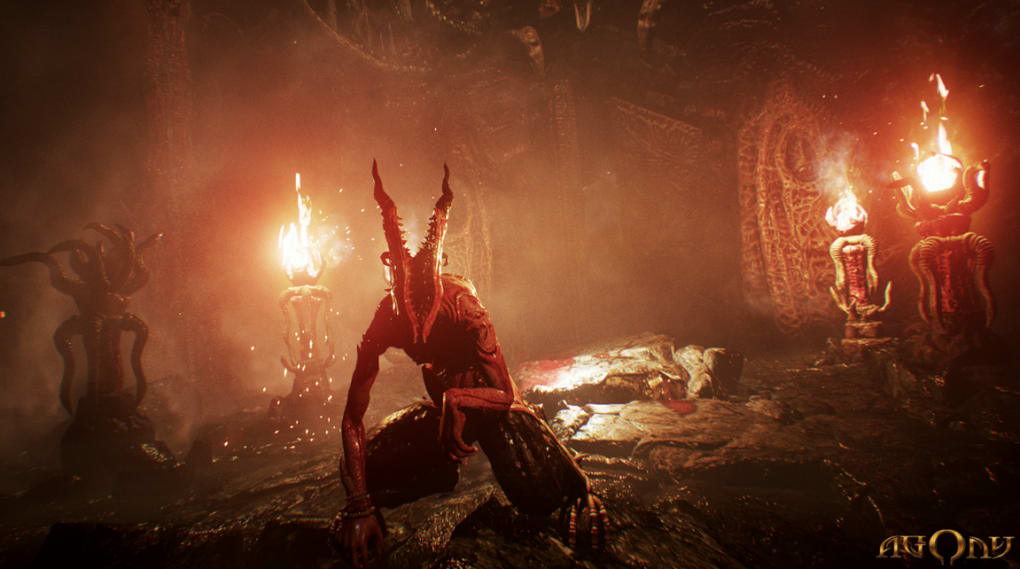
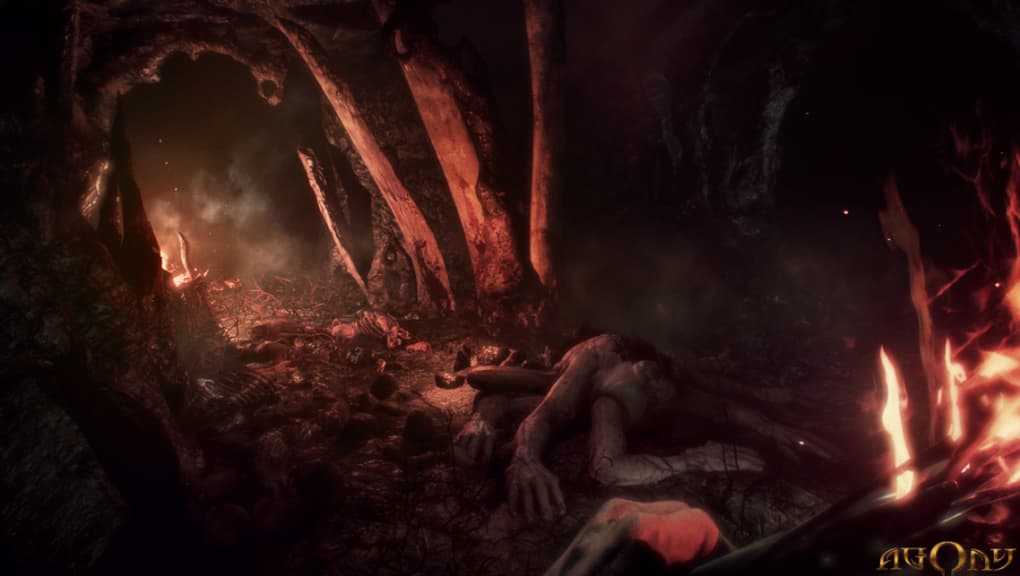
The blend of organic and inorganic elements is also masterful. Walls might pulsate with what appears to be flesh, corridors could be lined with screaming faces, and pathways may be carved from bone and sinew. The sheer level of detail in these gruesome environments is unsettling, forcing players to confront the true horror of their surroundings at every turn. This isn’t just gore for shock value; it’s an intrinsic part of the world’s design, reflecting the suffering that permeates every inch of Hell.
Complementing the visual feast of despair is a sound design that is equally crucial to Agony’s immersive horror. The game features crushingly realistic sound effects that amplify the unsettling atmosphere. The squelch of flesh underfoot, the distant screams of the damned, the guttural growls of unseen demons – each sound bite is meticulously crafted to contribute to a pervasive sense of dread. The voice acting, particularly for the groans and cries of tortured souls, is piercing and gruesome, making every sound a reminder of the agony that defines this realm. There’s no comforting silence here; even when seemingly still, the environment hums with the whispers of torment, the distant clanking of chains, or the subtle, chilling sound of a creature lurking just beyond the player’s perception. This auditory onslaught ensures that the player’s senses are constantly assaulted, reinforcing the idea that there is no true escape, even in their own mind.
Unyielding Horror and Survival Mechanics
Agony distinguishes itself from many other horror titles by eschewing cheap thrills and jump scares in favor of a sustained, pervasive sense of psychological terror. This isn’t a game where moments of intense fright are punctuated by periods of calm; instead, it is a relentless barrage of unsettling visuals, oppressive atmosphere, and constant danger. The developers understood that true horror lies not just in sudden fright, but in the slow, agonizing realization that one is utterly helpless and trapped in an inescapable nightmare.
The core gameplay loop revolves around survival in an environment designed to kill you in myriad gruesome ways. Players must navigate treacherous landscapes, solve environmental puzzles, and, most importantly, avoid the myriad demonic entities and tormented souls that infest Hell. Stealth is often the primary tool, as direct confrontation is usually a recipe for a swift and brutal end. This constant need for vigilance contributes significantly to the game’s unyielding dread.
Beyond Jump Scares: The Psychology of Dread
“Agony is not about jump scares; it is about a constant feeling of horror and dread.” This statement perfectly encapsulates the game’s philosophy. Unlike titles that rely on sudden bursts of noise or visual surprises, Agony builds its tension through sustained exposure to the horrific. There are no “safe rooms” or areas where players can truly take a breather and feel secure. Each step forward brings the player into yet another beautifully crafted, yet terrifying, segment of Hell. This design choice ensures that the player is always on edge, always anticipating the next threat, and always aware of their precarious position.
This relentless psychological assault is further amplified by the game’s masterful use of light and darkness. The developers demonstrate a profound understanding of how to wield these elements to create tension, often surpassing the techniques seen in even iconic horror franchises like Silent Hill or Resident Evil. There are areas where darkness is almost fluid, thick and palpable, obscuring vision and fostering a sense of claustrophobia and vulnerability. It’s not just a lack of light; it feels like an active, oppressive presence, a physical manifestation of the dread. Conversely, flashes of light, whether from distant fires or the glow of demonic eyes, often serve not to reveal, but to highlight grotesque details or to briefly illuminate a lurking threat before plunging the environment back into deeper shadow. This intelligent interplay of light and shadow turns the environment into an active participant in the horror, making every dimly lit corridor a gauntlet of unseen terrors. It ensures that players never feel truly safe, even when a path appears clear, because the darkness itself can be a predator.
Navigating the Underworld: Abilities and Adversaries
As a lost soul, the player character possesses unique abilities that are both unsettling and essential for survival. One of the primary mechanics involves the ability to possess other tormented souls. This allows players to bypass certain dangers, interact with specific environmental elements, or simply gain a temporary reprieve from their own fragile form. This mechanic also adds a layer of moral ambiguity: are you truly helping these souls, or merely using them as tools in your own escape? The game doesn’t shy away from presenting such uncomfortable ethical dilemmas.
Further into the game, players gain the even more potent ability to possess certain lesser demons. This shifts the gameplay dynamic, offering moments where players can turn the tables on their tormentors, albeit temporarily. Using a demon’s form allows for greater strength, access to new areas, and the ability to fight back against some of the smaller, but equally dangerous, entities. This mechanic adds strategic depth, forcing players to decide when and how to utilize these powerful, yet finite, possessions.
However, despite these unique abilities, the challenges remain formidable. The “gore is extreme,” not just visually, but often as a gameplay element. Environmental hazards frequently involve pools of blood, mounds of dismembered bodies, or pulsating, fleshy obstacles. The brilliant graphics and crushingly realistic sound effects make these encounters all the more unsettling, blurring the line between grotesque imagery and actual threats.
One common criticism, acknowledged even by the original reviews, is that “some small looking demons are seemingly over powered.” This can lead to moments of frustration where players, despite their best efforts, find themselves quickly dispatched by seemingly minor adversaries. While this design choice can heighten the feeling of helplessness and constant danger, it occasionally tips into unfairness, disrupting the immersion with unexpected difficulty spikes. These encounters force players to master the stealth mechanics and timing of their possessions, as even the smallest hellish entity can prove to be a deadly threat if underestimated. It emphasizes that in Hell, even the weak can be instruments of your undoing.
The Madmind Studio Vision: Crafting a New Hell
Madmind Studio embarked on an ambitious journey with Agony, aiming to create a horror experience that was both graphically stunning and psychologically profound. Their vision was not to simply replicate existing horror tropes, but to carve out a unique niche within the genre, offering a truly uncompromising and unholy vision of eternal damnation. The game stands as a testament to their dedication to this vision, presenting a world that is cohesive in its horror, even with its varied artistic influences.
The development team’s commitment to visual storytelling is evident throughout the game. They succeeded in “building a new world without relying on dialog,” a feat that speaks volumes about their confidence in environmental design and implicit narrative. Instead of lengthy cutscenes or expository voice-overs, the story of Agony is told through the horrifying architecture of its landscapes, the tormented expressions of its inhabitants, and the subtle clues scattered throughout its labyrinthine levels. This approach allows for a deeper, more personal interpretation of the lore, as players become active participants in piecing together the overarching tragedy.
A Universe Forged in Gore and Innovation
Agony is a game that boldly embraces its identity as a truly extreme horror experience. The developers had a keen “understanding about how to use light than any of the Silent Hill or Resident Evil developers,” as previously mentioned, but their innovation extends beyond mere lighting. They understood that to create a “very convincing version of what hell may look like,” they needed to fuse artistic creativity with raw, visceral shock. The entire game is a masterclass in atmospheric density, where every visual and auditory cue contributes to the overarching feeling of despair and torment.
The game’s “pros,” as highlighted in early impressions, truly underscore its unique strengths: “Truly amazing art styles and graphics” are evident in every frame, creating a world that is both repellent and captivating. The decision to “build a new world without relying on dialog” is a testament to the power of environmental storytelling, allowing the player to feel like an archaeologist of suffering, uncovering secrets through observation rather than exposition. This innovative approach to narrative elevates the horror, making it feel more personal and less guided.
However, Agony is not without its challenges. The “little respite from the horror” is indeed a “con” for some players. While it is integral to the game’s psychological dread, it can also lead to player fatigue or a sense of being overwhelmed, making prolonged play sessions difficult for those not accustomed to such relentless tension. This constant pressure, combined with the occasional perceived unfairness of “overpowered small demons,” can sometimes detract from the overall enjoyment, despite the game’s artistic merits. It demands a particular kind of player – one who not only tolerates but actively seeks out an unrelenting, brutal, and psychologically taxing experience.
Ultimately, Agony is a game that is unafraid to confront its audience with the darkest corners of imagination. It is a bold, controversial, and unforgettable journey into a Hell that is as beautiful as it is horrific. It challenges the player’s endurance, their perception of beauty, and their capacity for psychological dread, making it a unique entry in the survival horror genre that will be remembered long after its disturbing images have faded.
Conclusion
Agony stands as a bold and uncompromising vision of Hell, a survival horror experience that dares to push the boundaries of extreme content and psychological dread. From its inception by Madmind Studio, the game aimed to immerse players in a world so grotesque, so despairing, that it would leave an indelible mark. And in many ways, it succeeds. The truly amazing art styles and graphics, characterized by an astonishing variety of hellish landscapes – from vibrant infernos to fluid, oppressive darkness – are a visual feast of torment. The crushingly realistic sound effects and piercing cries of the damned create an auditory environment that is as unsettling as it is immersive.
What sets Agony apart is its deliberate eschewing of cheap jump scares for a sustained, suffocating feeling of horror and dread. There are no safe havens, no moments of true respite; every step is a venture deeper into beautifully crafted terror. The game’s innovative use of light and shadow, surpassing many genre titans, transforms the environment into an active participant in the player’s torment. Furthermore, the unique mechanics of possessing other souls and demons offer intriguing strategic depth, allowing players to briefly turn the tables on their tormentors.
While the game excels in its artistic and atmospheric ambition, it is undeniably “not for the faint-hearted.” The extreme gore is ever-present, integral to the world’s fabric, and some players may find the constant lack of respite and the occasional overpowerment of smaller demons to be frustrating rather than challenging. Yet, for those who seek an unyielding, visceral, and psychologically demanding horror experience, Agony delivers a singular journey into the depths of a truly convincing and unforgettable Hell. It is a game that builds its complex, horrifying world without relying on traditional dialogue, allowing its awe-inspiring, yet depraved, visuals and soundscapes to tell a story of eternal suffering that will resonate with genre aficionados long after they’ve navigated its final, agonizing moments.
PhanMemFree may receive a referral fee if you click or buy any of the products featured here.
Your review for Agony. Thank you for your review! Program review. Your program review has been submitted successfully. Submit review.
In PhanMemFree we scan all the files hosted on our platform to assess and avoid any potential harm for your device. Our team performs checks each time a new file is uploaded and periodically reviews files to confirm or update their status. This comprehensive process allows us to set a status for any downloadable file as follows:
Clean. It’s extremely likely that this software program is clean. What does this mean? We have scanned the file and URLs associated with this software program in more than 50 of the world’s leading antivirus services; no possible threat has been detected.
Warning. This software program is potentially malicious or may contain unwanted bundled software. Why is the software program still available? Based on our scan system, we have determined that these flags are possibly false positives. What is a false positive? It means a benign program is wrongfully flagged as malicious due to an overly broad detection signature or algorithm used in an antivirus program. We’d like to highlight that from time to time, we may miss a potentially malicious software program. To continue promising you a malware-free catalog of programs and apps, our team has integrated a Report Software feature in every catalog page that loops your feedback back to us. Flag any particular issues you may encounter and PhanMemFree will address those concerns as soon as possible.
About Us. PhanMemFree Info. Help & Support. Jobs. Editorial Guidelines. Advertising. Monetization solutions for Publishers. Upload and Manage your Software. Software Policy. Advertising Opportunities.
Legal. DMCA. Legal Information. Terms of use. Privacy Policy. Cookie Policy. Cookie settings.
Social media. PhanMemFree in:عربيDeutschEnglishEspañolFrançaisBahasa IndonesiaItaliano日本語한국어NederlandsPolskiPortuguêsРусскийSvenskaภาษาไทยTürkçeTiếng Việt中文.
Copyright PHANMEMFREE INTERNATIONAL S.A. © 1997–2025 — All rights reserved.
File Information
- License: “Full”
- Version: “1.0”
- Latest update: “June 14, 2023”
- Platform: “Windows”
- OS: “Windows 8.1”
- Language: “English”
- Downloads: “1.6K”


