
In the ever-evolving landscape of digital entertainment, horror games stand as a testament to humanity’s enduring fascination with fear. Among the countless titles vying for the attention of scare-seeking enthusiasts, Chilla’s Art has carved out a distinctive niche, specializing in first-person horror experiences deeply rooted in Japanese folklore and urban legends. Their premium action game, Aka Manto | 赤マント, is a prime example of their craft, plunging players into a terrifying ordeal inspired by one of Japan’s most chilling restroom specters.
Released by the acclaimed developer Chilla’s Art, Aka Manto | 赤マント is more than just a game; it’s an immersive journey into the heart of a Japanese urban myth, designed to evoke a profound sense of dread and unease. Unlike many horror titles that rely on jump scares or gore, Aka Manto crafts its terror through atmospheric tension, psychological suspense, and the unsettling familiarity of its legendary antagonist. This first-person horror adventure invites players to step into the shoes of an unwitting victim, trapped within a sinister setting, forced to confront a malevolent entity whose very existence is a staple of Japanese bedtime stories and cautionary tales. The game distinguishes itself by not just featuring an urban legend, but by intricately weaving the legend’s lore, cultural nuances, and terrifying implications into its gameplay and narrative, offering a compelling and uniquely Asian-flavored horror experience that stands apart in a genre often dominated by Western tropes.
The Terrifying Legend of Aka Manto
The genesis of Aka Manto | 赤マント the game lies in a deeply unsettling and widely circulated Japanese urban legend. Known variously as “Red Cape” or “Red Mantle,” Aka Manto is a spectral figure whose tales have been whispered across generations, primarily haunting public restrooms, particularly those in schools. The legend itself is a masterpiece of psychological horror, playing on universal fears of vulnerability in private spaces and the chilling uncertainty of facing a supernatural entity with a deadly choice.
Origins and Lore
The core narrative of the Aka Manto legend revolves around a masked spirit, often described as incredibly handsome in life, who was driven to madness or violence. This spirit, now wearing a striking red cloak, manifests in public restrooms, usually the last stall, where it confronts individuals, predominantly young women. The encounter typically begins with a deceptively simple question, yet one laden with dire consequences: “Which do you prefer, the red paper or the blue paper?”
This seemingly trivial choice dictates the victim’s gruesome fate. If one chooses “red paper,” the Aka Manto is said to either slice the victim until their clothes are drenched in their own blood, making them appear to be wearing a red cloak, or flay them alive. Opting for “blue paper” is no less horrifying; the spirit will reportedly strangle the victim until their face turns blue or drain all their blood, leaving them a pale, lifeless husk. The legend also contains variations where other colors are offered, such as yellow, leading to the victim’s head being shoved into the toilet bowl. A common piece of advice in these tales is to choose “no paper” or to simply run away, although even these responses are not without peril, as the Aka Manto is known for its relentless pursuit and creativity in inflicting torment.
The exact origins of the Aka Manto legend are somewhat hazy, as is often the case with folklore. Some speculate it emerged in the mid-20th century, possibly as a cautionary tale for schoolchildren, or as a byproduct of the burgeoning post-war urbanization in Japan, where public spaces like schools and restrooms became settings for both mundane and supernatural anxieties. The consistency of its presence in school bathrooms across Japan suggests a connection to the intense pressures and often isolated experiences of students. The mask worn by Aka Manto is also a significant detail, hinting at a hidden identity, a past tragedy, or simply the dehumanizing terror of facing a faceless killer. It adds another layer of mystery and dread, preventing the victim from ever truly understanding the entity’s true form or motivation, making the encounter even more disorienting and terrifying. The legend’s endurance speaks to its potent combination of everyday setting, an unsettling premise, and a terrifyingly simple, yet inescapable, choice.
The Cultural Significance
The enduring popularity and terror associated with the Aka Manto legend in Japan can be attributed to its clever exploitation of several deep-seated cultural and psychological vulnerabilities. Firstly, the setting—a public restroom—is inherently unsettling. It’s a place where individuals are at their most vulnerable, exposed, and isolated, despite being in a public building. This juxtaposition of public space and private vulnerability creates a potent breeding ground for anxiety. The legend taps into the primal fear of being caught unawares, unable to defend oneself, and confronted by an inexplicable malevolence.
Furthermore, the legend reflects a common motif in Japanese folklore (yokai) and urban legends: the idea of vengeful spirits (onryō) or entities that manifest in everyday locations, blurring the lines between the mundane and the supernatural. Unlike Western ghosts often tied to specific haunted houses, Japanese spirits frequently appear in schools, train stations, or tunnels, imbuing ordinary places with a sense of dread. Aka Manto specifically preys on the concept of choice and its irreversible consequences, a theme deeply rooted in many philosophical and religious traditions. The forced choice, where both options lead to a grim fate, highlights a sense of helplessness and fate’s cruel hand, resonating with anxieties about control and destiny.
Culturally, the legend might also reflect unspoken social anxieties or taboos, particularly concerning gender roles or expectations. The frequent targeting of young women could be interpreted as a cautionary tale, a reflection of societal pressures, or simply a manifestation of vulnerability attributed to them in certain contexts. The spectral nature of Aka Manto, often appearing in a uniform or specific attire (the red cloak), also aligns with other Japanese urban legends like Kuchisake-onna (Slit-Mouthed Woman) or Hanako-san (Toilet-bound Hanako-san), which feature distinct appearances and engage victims with questions or challenges. These legends serve not just as scary stories but as cultural conduits, transmitting lessons, reinforcing social norms, or simply providing a cathartic outlet for collective fears. The fact that Aka Manto the game draws inspiration from this rich tapestry of Asian folklore makes it a rarity and a compelling entry in the horror genre, offering a cultural depth that transcends mere jump scares.
Navigating the Horror: Gameplay and Mechanics
Aka Manto | 赤マント is designed to immerse players directly into the harrowing experience of confronting the legendary spirit. Chilla’s Art meticulously crafts a gameplay loop that emphasizes atmosphere, exploration, and the constant threat of the unknown, ensuring that every moment is fraught with tension.
A First-Person Nightmare
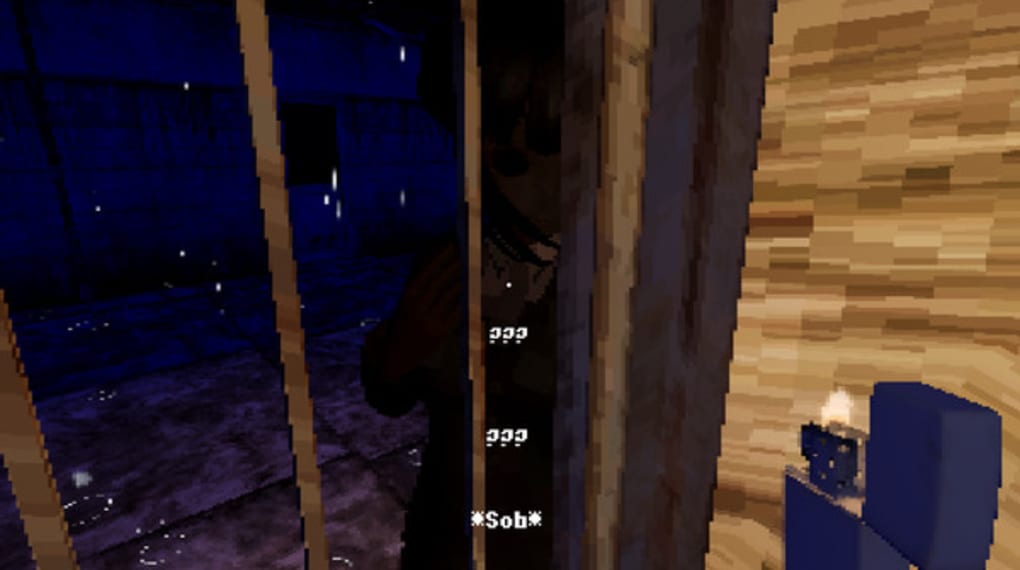
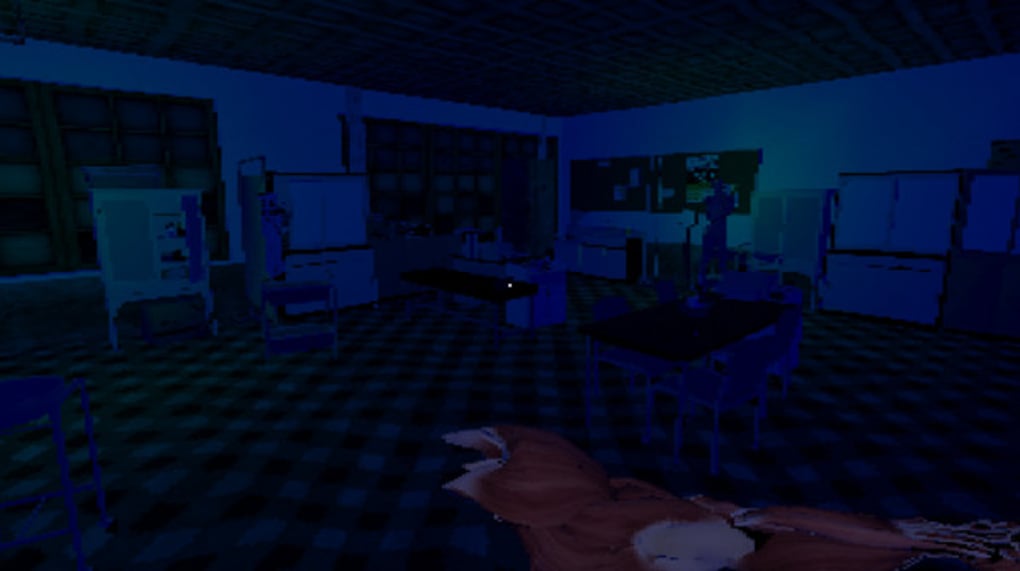
The choice of a first-person perspective is crucial to the game’s effectiveness. By placing the player directly into the protagonist’s shoes, the game maximizes immersion, making every creak, shadow, and sudden appearance feel intensely personal and immediate. The confined and claustrophobic environment of a Japanese school building serves as the perfect backdrop for this psychological torment. Dark, narrow hallways stretch seemingly endlessly, their dimly lit interiors concealing unknown dangers around every corner. The architecture, reminiscent of older Japanese schools, adds an authentic layer of cultural context and an uncanny familiarity that makes the supernatural intrusions all the more unsettling. Fluorescent lights flicker, casting long, distorted shadows that play tricks on the eyes, while the silence is often broken only by the player’s own footsteps, the distant drip of water, or an inexplicable, eerie sound.
This deliberate environmental design is key to building an atmosphere of pervasive dread. The school, typically a place of learning and safety, is transformed into a labyrinth of terror, where the mundane becomes menacing. Locked doors, inaccessible rooms, and seemingly innocuous objects acquire a sinister quality, hinting at hidden secrets and lurking horrors. The limited field of view inherent in a first-person perspective, coupled with the dimly lit corridors, forces players to constantly be on edge, peering into the gloom, aware that Aka Manto could materialize at any moment. This visual design, combined with a sparse yet effective soundscape, creates an oppressive environment that effectively isolates the player and amplifies their vulnerability against the supernatural stalker.
Survival Against the Spirit
At its core, Aka Manto | 赤マント challenges players to survive a relentless pursuit. The primary objective is not combat, but avoidance and escape. Players must navigate the treacherous school building, constantly mindful of the masked spirit’s presence. This involves stealth, careful observation, and often, quick thinking to evade direct confrontation. The game cleverly integrates “bizarre puzzles” into this survival loop. These puzzles are not mere intellectual challenges but often serve to gate progress, reveal lore, or trigger encounters, further entangling the player in the spirit’s web. Many of these puzzles are subtly imbued with elements of Japanese culture, from traditional objects to cryptic references, adding an authentic layer of depth that enriches the experience for those familiar with the context, and mystifies those who are not, adding to the unsettling atmosphere.
The tension in Aka Manto arises not just from the direct threat but from the constant psychological pressure. Players are encouraged to explore, but every step taken deeper into the school carries the risk of encountering the entity or triggering a new terrifying event. This dynamic encourages a cautious yet investigative playstyle, where environmental storytelling and subtle cues are as important as direct action. The game does not hold the player’s hand, instead relying on environmental breadcrumbs and the pervasive sense of dread to guide their horrifying journey. The “various characters” mentioned in the description, while not explicitly detailed, likely serve to provide exposition, warnings, or even red herrings, further complicating the player’s quest for survival and escape.
Unraveling the Mystery
Beyond the immediate terror of survival, Aka Manto | 赤マント offers a compelling narrative layer through its scattered “tape recordings.” These recordings serve as crucial lore dumps, providing fragmented insights into the legend of the red-capped stalker, its origins, and the tragic circumstances that might have led to its malevolent existence. Collecting these tapes is not just an optional side activity; it’s essential for a deeper understanding of the game’s world and its primary antagonist.
Each recording might unveil a piece of a larger puzzle, detailing past encounters, historical accounts of the spirit, or even personal testimonies from previous victims or researchers. This method of storytelling, often used effectively in horror games, allows players to piece together the narrative at their own pace, fostering a sense of discovery and personal investment in the lore. The fragmented nature of the information enhances the mystery, forcing players to connect the dots and interpret the ominous implications. Through these tapes, the masked spirit transforms from a mere jump-scare generator into a figure with a backstory, albeit a terrifying and often tragic one, making the encounters with it even more psychologically impactful. Understanding the story and origin of Aka Manto doesn’t lessen the fear, but rather enriches it, adding a layer of tragic inevitability to the horrors faced.
Consequences and Replayability
One of Aka Manto | 赤マント’s most impactful features, and a significant contributor to its high stakes, is the inclusion of “permadeath.” This mechanic means that failure, whether by succumbing to Aka Manto or making a fatal error, results in the game ending abruptly, forcing the player to restart from the very beginning. This unforgiving design choice elevates the tension to excruciating levels, ensuring that every decision, every stealthy movement, and every solved puzzle carries immense weight. The threat of losing all progress makes players acutely aware of their mortality within the game world, transforming mere gameplay into a genuine struggle for survival. It’s a bold move that some might find frustrating, but for horror aficionados, it intensifies the fear and makes victory feel hard-earned and incredibly satisfying.
Adding to the game’s depth and value is the presence of “different possible endings.” This encourages multiple playthroughs, as players will be motivated to explore alternative paths, make different choices, or uncover all hidden secrets to unlock each narrative conclusion. These varying endings not only provide replay value but also offer different interpretations of the Aka Manto legend within the game’s context. Some endings might offer a glimmer of hope, while others plunge the player into an even deeper despair, challenging their understanding of the events that transpired. The combination of permadeath and multiple endings creates a robust experience, where even though a single playthrough might be “a couple of hours,” the desire to uncover all facets of the story and master the game’s challenges can extend the overall playtime significantly. It transforms the game from a linear horror experience into a narrative puzzle box, rewarding persistence and exploration.
Chilla’s Art: Masters of Atmospheric Horror
Chilla’s Art, the development studio behind Aka Manto | 赤マント, has steadily built a reputation as a purveyor of unique and deeply unsettling horror games. Their approach stands in stark contrast to many mainstream horror titles, prioritizing psychological tension and environmental storytelling over gratuitous violence or reliance on cheap scares.
The Developer’s Signature Style
Chilla’s Art has cultivated a distinct signature style that is immediately recognizable to fans of indie horror. Their games often feature a grainy, VHS-esque aesthetic, reminiscent of found footage films from the late 20th century. This visual filter, coupled with intentionally limited graphical fidelity, contributes significantly to an unsettling, lo-fi atmosphere that feels both nostalgic and deeply uncanny. It evokes a sense of realism, as if the player is witnessing a forgotten, disturbing tape, rather than playing a high-budget video game. This style effectively bypasses the need for hyper-realistic graphics, proving that atmosphere and psychological impact are far more potent than photorealism in horror.
Beyond the visuals, Chilla’s Art excels at crafting soundscapes that are sparse yet incredibly effective. The ambient sounds in their games—the distant hum of electricity, the creaking of old buildings, the subtle changes in background noise—are meticulously designed to build dread. Silence itself becomes a character, often broken by a sudden, jarring noise or the whisper of something unseen. Their narratives are typically minimalist, delivered through environmental cues, fragmented notes, and unsettling encounters, allowing players to piece together the story and fill in the terrifying blanks with their own imagination. This indirect storytelling fosters a deeper, more personal form of fear. Moreover, their games frequently feature ordinary, everyday Japanese settings – apartments, convenience stores, schools – which are then twisted into nightmarish labyrinths. This transformation of the familiar into the frightening is a hallmark of their work, making the horror feel more grounded and therefore, more impactful. This signature style is perfectly encapsulated in Aka Manto, where the ordinary school setting becomes a stage for extraordinary terror, enhanced by the distinct visual and auditory presentation.
The Impact of “Aka Manto” on the Indie Horror Scene
Aka Manto | 赤マント, much like other titles from Chilla’s Art, has made a notable impact on the indie horror scene by championing a specific brand of culturally rich, atmospheric horror. In a genre often saturated with Western-centric monsters and narratives, Aka Manto’s deep dive into Japanese urban legends offers a refreshing and culturally significant alternative. It exposes a wider audience to the unique terrifying elements found in Asian folklore, which, as the description notes, is “still a bit of a rarity in the genre.” This focus not only enriches the horror landscape but also serves as an educational bridge, introducing players to distinct aspects of Japanese cultural anxieties and storytelling traditions.
The success of Aka Manto and its ilk from Chilla’s Art has demonstrated that there is a strong appetite for horror that prioritizes psychological unease and environmental storytelling over shock value. It encourages other indie developers to explore their own local folklore and unique cultural narratives, proving that authenticity and a strong thematic core can be incredibly compelling. The game’s emphasis on permadeath and multiple endings also influences design choices, showing how such mechanics can enhance replayability and tension, making a shorter game feel more substantial. By showcasing the potency of low-fi aesthetics and carefully constructed sound design, Chilla’s Art, with Aka Manto as a shining example, has solidified its position as a trendsetter in the indie horror community, inspiring a new wave of creators to craft deeply personal, culturally resonant, and genuinely terrifying experiences. Its presence on platforms like PhanMemFree (formerly Softonic) indicates its accessibility and reach within the PC gaming community, further cementing its influence.
Is Aka Manto | 赤マント Worth the Dread?
Having explored the depths of its terrifying premise, intricate gameplay, and cultural significance, the ultimate question remains: is Aka Manto | 赤マント worth the dread it promises? For fans of horror, particularly those seeking a distinctive and psychologically impactful experience, the answer is a resounding yes.
Pros and Cons Revisited
The game’s strengths are considerable. As highlighted by PhanMemFree’s (formerly Softonic’s) assessment, Aka Manto | 赤マント delivers an “engaging and terrifying experience.” This isn’t just about jump scares; it’s about the pervasive atmosphere of dread, the unsettling lore, and the constant psychological pressure. The “multiple endings” significantly boost its replay value, turning a seemingly short game into a narrative puzzle that begs for repeated exploration to uncover every possible outcome and nuance of the story. The “permadeath” mechanic, while potentially divisive, is unequivocally a “pro” for those who appreciate high-stakes gameplay and an amplified sense of danger. It forces players to be meticulously careful and makes every successful evasion or puzzle solution feel like a genuine triumph against overwhelming odds.
The primary “con” listed is “short gameplay.” While a single playthrough might indeed be completed in “a couple of hours,” this criticism needs to be contextualized. For a horror game designed for intense, concentrated fear, a shorter runtime can actually be a benefit, preventing the experience from becoming diluted or repetitive. Moreover, the multiple endings and the unforgiving permadeath mechanic mean that the actual total playtime, for players aiming to experience everything the game has to offer, will be considerably longer. The intensity of the experience and the high replay value effectively mitigate the perceived brevity of a single run. In fact, its conciseness allows the dread to remain potent throughout, never overstaying its welcome.
Target Audience
Aka Manto | 赤マント is particularly well-suited for a specific segment of the gaming community. It will deeply resonate with fans of psychological horror, those who appreciate a slow burn of dread over constant action. Players who are fascinated by Japanese urban legends, folklore, and cultural nuances will find the game’s premise and execution particularly compelling. First-person exploration and puzzle-solving enthusiasts who enjoy being immersed in a richly atmospheric world will also find much to appreciate. Lastly, gamers who crave a challenge, for whom the permadeath mechanic is an exciting test of skill and nerve rather than a frustration, will likely embrace Aka Manto’s unforgiving nature. If you’re looking for a game that will genuinely unsettle you, make you question every shadow, and leave you with a lasting impression long after you’ve finished playing, then Aka Manto | 赤マント is an ideal choice.
Conclusion
Aka Manto | 赤マント stands as a compelling example of indie horror done right. Chilla’s Art has expertly taken a potent Japanese urban legend and transformed it into a deeply immersive, terrifying, and culturally rich video game experience. Its unique blend of first-person exploration, psychological tension, challenging mechanics like permadeath, and a narrative that encourages multiple playthroughs, all wrapped in a distinctive lo-fi aesthetic, makes it a standout title. Despite its relatively short individual play sessions, the depth of its lore and the impact of its gameplay ensure a memorable and chilling encounter. For those seeking horror that truly gets under the skin and offers a taste of terror inspired by unique Asian folklore, Aka Manto | 赤マント is an experience well worth diving into, even if it means confronting the masked spirit in the bathroom. Give it a try and see for yourself the compelling dread that awaits. It is available for download for Windows, as reviewed on Phanmemfree.org (formerly Softonic.com).
File Information
- License: “Full”
- Version: “varies-with-devices”
- Latest update: “September 7, 2022”
- Platform: “Windows”
- OS: “Windows 7”
- Language: “English”
- Downloads: “3.8K”


![[Bober Bros] It's Just a Prank: A Deep Dive into Slavic Horror](https://phanmemfree.org/images/download-bober-bros-its-just-a-prank.webp?v=d9ff4a202efcd5d76f66579716b3686a)


