
Alice: Madness Returns, a 2011 action-adventure game, plunges players into a dark and disturbing reimagining of Lewis Carroll’s classic tale. This isn’t the whimsical Wonderland of childhood memories; this is a fractured, nightmarish landscape reflecting the fractured psyche of its protagonist, Alice Liddell. Building upon the foundation laid by American McGee’s Alice, this sequel delves deeper into Alice’s trauma, exploring themes of mental illness, loss, and the blurring lines between reality and delusion. The game masterfully blends visceral combat, intricate puzzles, and unsettling visuals to create a truly unforgettable and unsettling experience.
A Fractured Mind, A Fractured Wonderland
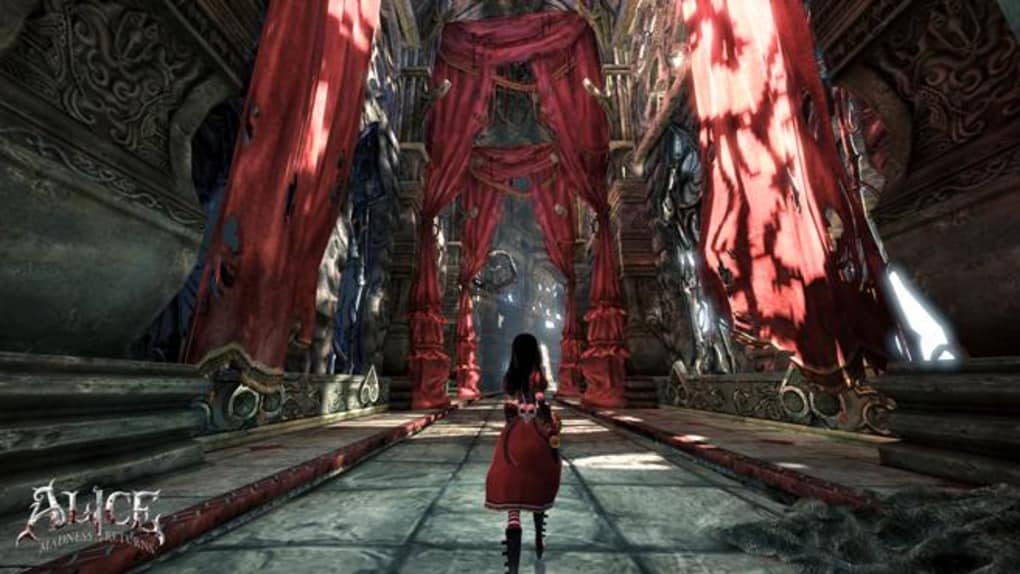
The game begins in Victorian London, where Alice, still grappling with the aftermath of a devastating family tragedy, finds herself haunted by fragmented memories. These recurring visions, blurring the lines between her past and present, push her back into the depths of her madness, triggering a return to Wonderland. However, this is not the whimsical paradise of Carroll’s tales. Instead, Wonderland is a reflection of Alice’s inner turmoil, a twisted and horrifying landscape populated by grotesque creatures and surreal environments. The once-familiar landscapes are warped and distorted, mirroring the fragmented state of Alice’s mind. The cheerful landscapes of the original tale are replaced by decaying forests, blood-soaked rivers, and nightmarish creatures born from Alice’s subconscious. The vibrant colors are muted, replaced by a palette of browns, greys, and blood reds, enhancing the oppressive atmosphere. Even familiar characters, such as the Mad Hatter and the Cheshire Cat, are twisted parodies of their original selves, their sanity as fractured as Alice’s own.
Gameplay: A Blend of Action and Puzzle Solving
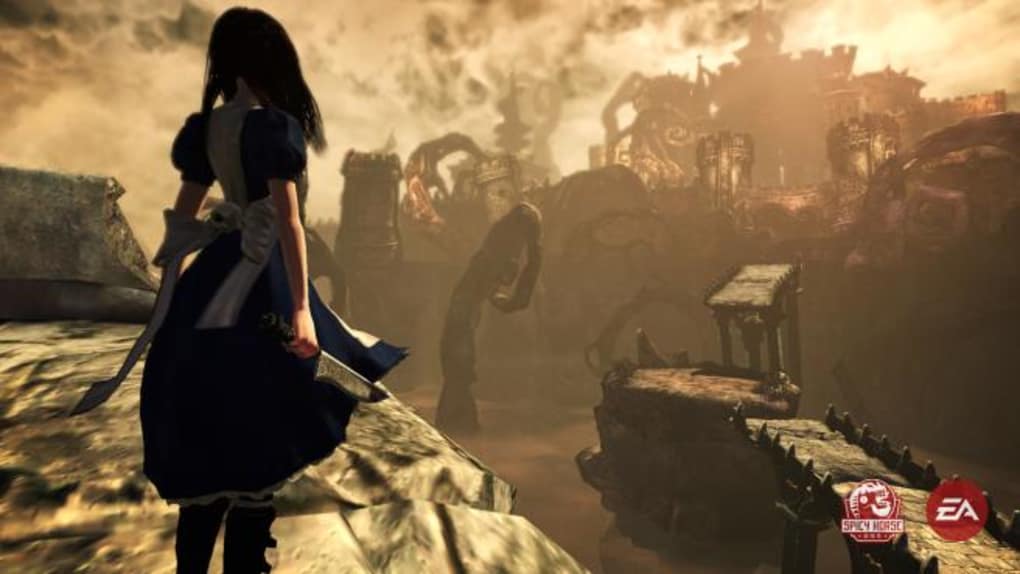
Alice: Madness Returns offers a diverse gameplay experience, seamlessly blending elements of action, platforming, and puzzle solving. Combat is a significant component of the game, requiring players to master Alice’s unique arsenal of weaponry and abilities. She wields a variety of weapons, including the Vorpal Blade, a razor-sharp blade capable of slicing through enemies, and Pepper Grinder, a weapon that uses pepper to temporarily stun foes. Alice’s abilities extend beyond mere weaponry. She can execute swift acrobatic moves, utilize the environment to her advantage, and unleash devastating special attacks, adding a dynamic layer to combat encounters. The combat system isn’t just about button mashing; it requires strategic thinking, skillful maneuvering, and timing to overcome the challenging encounters.
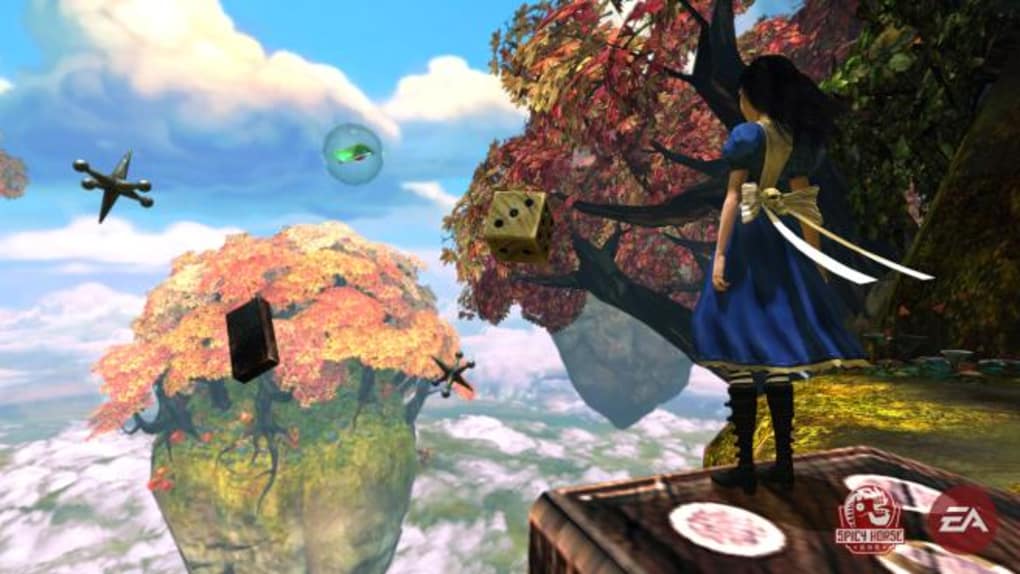
Beyond the combat, Alice: Madness Returns features a strong emphasis on platforming and puzzle-solving. Alice navigates a series of challenging levels, utilizing her agility and unique abilities to overcome obstacles. These platforms are not just for traversal; they often incorporate puzzle elements, demanding creative solutions and often testing players’ spatial reasoning skills. Puzzles range from simple environmental interactions to more complex challenges requiring careful observation and manipulation of objects within the game world. Some puzzles are integrated into combat encounters, adding an extra layer of complexity and requiring players to use both their combat skills and problem-solving abilities.
The Story: Unraveling the Mysteries of Madness
Alice: Madness Returns isn’t just about action and puzzles; it’s a compelling narrative exploring Alice’s descent into madness. The game unravels the mystery surrounding her family’s tragic death and its profound impact on her psyche. The narrative is presented through a series of cutscenes, environmental storytelling, and in-game dialogue. The game explores the complex relationship between trauma, memory, and mental illness with surprising depth. The storyline is not merely a vehicle for gameplay; it’s an integral part of the experience, creating an emotionally resonant and thought-provoking narrative that leaves a lasting impression on the player. The gradual revelation of Alice’s past, coupled with the increasingly disturbing imagery of Wonderland, creates a compelling and emotionally resonant experience.
The storyline also touches upon themes of identity and self-discovery. Alice’s journey through Wonderland serves as a metaphorical exploration of her own internal struggles. She confronts her inner demons, reconciling with her past trauma and forging a path towards self-acceptance. The narrative challenges the player to confront their own perceptions of mental illness and the complex emotional landscape of trauma.
Visual Style and Atmosphere: A Dark Reflection of Wonderland
The game’s visual style is a key element of its overall atmosphere. The designers have skillfully crafted a dark and disturbing interpretation of Wonderland, contrasting sharply with the bright and cheerful imagery associated with the original stories. The visuals are richly detailed, blending a Victorian aesthetic with macabre imagery to create a truly unsettling experience. The game’s art style is meticulously detailed, capturing the essence of both the Victorian era and the nightmarish interpretation of Wonderland. The graphics, while not the most advanced at the time of its release, effectively convey the game’s dark and disturbing atmosphere.
The sound design further enhances the game’s unsettling atmosphere. The music is a blend of orchestral scores and unsettling sound effects that perfectly complement the game’s dark visuals, creating a truly immersive and memorable experience. The soundtrack effectively utilizes dissonant harmonies and unsettling sounds to amplify the game’s disturbing aesthetic, creating a soundscape that perfectly complements the visuals and enhances the overall feeling of unease.
Alice: Madness Returns is more than just a game; it’s a journey into the depths of a fractured mind and a disturbingly beautiful reimagining of a classic tale. Its unique blend of action, puzzle-solving, and a deeply unsettling narrative creates a gaming experience unlike any other. While the gameplay mechanics may not appeal to all players, the game’s haunting atmosphere, intriguing story, and artistic merit create a lasting impression on those who dare to enter its twisted world. The game successfully captures the essence of both Lewis Carroll’s original work and the dark interpretation of American McGee’s vision, creating a compelling and unforgettable experience. It challenges the player not only with its difficult gameplay but also with its exploration of complex psychological themes, leaving a lasting impact long after the credits roll.
File Information
- License: “Full”
- Latest update: “May 30, 2011”
- Platform: “Windows”
- OS: “Windows 8”
- Language: “English”
- Downloads: “21.3K”


![[Bober Bros] It's Just a Prank: A Deep Dive into Slavic Horror](https://phanmemfree.org/images/download-bober-bros-its-just-a-prank.webp?v=d9ff4a202efcd5d76f66579716b3686a)


