
The veil between worlds thins once more as “Alone in the Dark,” a pay-to-play survival horror title, emerges from the shadows to reimagine a long-established cult classic. This new incarnation transports players back to the unsettling gothic atmosphere of Derceto Manor, where an ancient evil stirs and the line between sanity and nightmare blurs. Stepping into the shoes of either the determined Emily Hartwood or the enigmatic private investigator Edward Carnby, players are thrust into a thrilling and deeply psychological adventure, tasked with unraveling the uneasy truth behind a mysterious disappearance.
The journey begins with Emily Hartwood’s desperate search for her vanished uncle, Jeremy Hartwood, leading her directly to the ominous Derceto Manor. This decaying estate, ostensibly a home for individuals suffering from mental disorders, harbors secrets far more sinister than any medical affliction. As players navigate its labyrinthine corridors and unravel its dark history, they will confront not only strange residents but also grotesque nightmarish realms and formidable monsters. The overarching narrative promises to peel back layers of deception, revealing a terrifying plot of rising evil that threatens to consume everything. This reimagined version, available on various gaming platforms, offers a haunting story through the lens of the original thriller, ensuring both seasoned fans and newcomers can immerse themselves in its chilling embrace. PhanMemFree highly recommends this title for anyone seeking a true horror experience.
A Return to Psychological Horror’s Roots
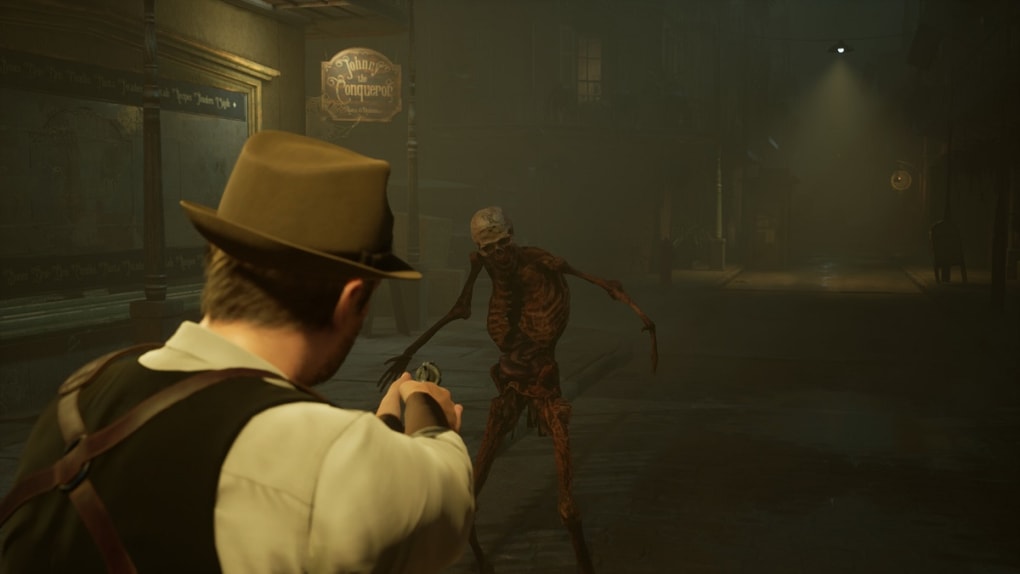
“Alone in the Dark” meticulously returns to the foundational roots of psychological horror that defined its groundbreaking original. It masterfully crafts an atmospheric journey brimming with engaging nightmares and an ever-present sense of dread. While many of its core elements – the iconic characters, the foreboding locations, the pervasive themes, and the overarching story – echo its revered predecessor, the game is designed with accessibility in mind. New players will find ample context provided within this adaptation, ensuring that no prior knowledge of the original saga is necessary to fully grasp and profoundly enjoy the narrative. This thoughtful approach allows a fresh generation of horror enthusiasts to experience the terror without feeling lost.
The setting itself, Derceto Manor, is not merely a backdrop but a character in its own right. This sprawling, decrepit property, officially serving as a sanctuary for those with mental disorders, pulses with a palpably sinister energy. Its environmental design is a testament to the developers’ commitment to atmosphere, meticulously crafted to set the perfect ambiance where the nightmare isn’t just a distant threat but a palpable presence, always lurking just beyond the periphery of vision, hiding in the shadows. Every creaking floorboard, every flickering light, and every unsettling art piece contributes to the oppressive feeling that something truly malevolent is at play.
Further intensifying the immersive horror experience is the game’s haunting yet mesmerizing doom jazz soundtrack. This unique musical score, a fusion of melancholic jazz and ominous, drone-like elements, acts as a sonic tapestry that is guaranteed to make your skin crawl. It punctuates moments of tension, amplifies feelings of isolation, and underscores the psychological torment faced by the protagonists, cementing the game’s reputation as a masterclass in atmospheric dread.
While “Alone in the Dark” is poised to stir up immense excitement among horror fans, it is important for prospective players to be aware of certain thematic elements before diving in. The game involves combat against monstrous, non-human entities, which will result in depictions of violence. However, the developers have consciously opted against excessive gore or dismemberment, aiming for a more psychological rather than visceral brand of horror. More significantly, the game explores sensitive themes such as suicide and depression. These elements are integral to the narrative and the psychological torment experienced by characters, but players who find such topics triggering should approach the game with caution and consideration. PhanMemFree emphasizes these content warnings to ensure a comfortable and informed gaming experience for all.
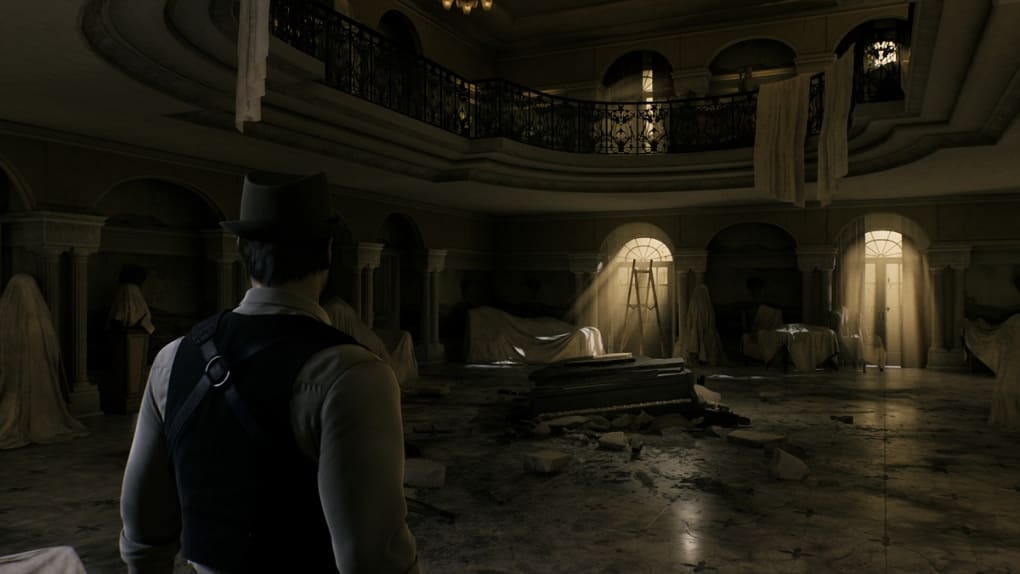
Derceto Manor: A Labyrinth of Secrets and Fears
Derceto Manor stands as the epicenter of “Alone in the Dark,” a grand, decaying structure that is far more than just a setting; it is a character unto itself, breathing with a dark history and festering secrets. Its imposing architecture and labyrinthine layout serve as a physical manifestation of the mental and emotional turmoil that plagues its inhabitants and the protagonists. The manor, ostensibly a place of healing for those with mental afflictions, quickly reveals itself to be a prison of the mind, where the line between psychological distress and supernatural horror blurs into an indistinguishable nightmare.
The core mystery driving the narrative is the disappearance of Emily Hartwood’s uncle, Jeremy. His last known location, Derceto Manor, becomes the starting point for a noir-detective style investigation that quickly spirals into something far more existential and terrifying. As players delve deeper into the manor’s shadowed halls, they uncover fragments of a disturbing past, piecing together clues that suggest Jeremy’s disappearance is connected to a much larger, insidious plot. The residents of Derceto, ranging from unsettlingly eccentric to outright menacing, contribute to the pervasive atmosphere of unease. Each interaction, each whispered secret, and each cryptic message pushes Emily and Edward closer to the horrifying truth.
The gameplay loop within Derceto Manor is a sophisticated blend of exploration, brain-teasing puzzles, engaging dialogues, and thrilling combat encounters. Exploration is paramount, as every nook and cranny of the manor holds potential clues, hidden passages, or vital lore that expands upon the horrifying narrative. Players must meticulously search rooms, interact with objects, and observe their surroundings to progress. The puzzles are not mere distractions; they are intricately woven into the fabric of the story, often requiring players to understand the manor’s history, the residents’ eccentricities, or even the psychological states of the protagonists to solve them. These puzzles range from environmental conundrums to complex ciphers, each designed to challenge the player’s intellect and immerse them further into the manor’s enigmatic nature.
Dialogue plays a crucial role, as conversations with the strange inhabitants of Derceto can yield critical information, open new investigative avenues, or simply add to the mounting tension. The voice acting and writing are crafted to create believable, albeit unsettling, characters who contribute to the manor’s unique personality. These interactions often force players to make choices or interpret veiled meanings, further deepening the psychological horror.
When exploration and dialogue give way to direct confrontation, players must engage in thrilling combat against the grotesque monsters spawned from the manor’s rising evil. These encounters are designed to be intense and challenging, requiring strategic use of the limited resources and weapons at hand. The combat sequences serve as powerful punctuations to the investigative elements, reminding players that the dangers lurking in Derceto are very real and deadly. The constant interplay between these distinct gameplay mechanics ensures that “Alone in the Dark” offers a rich and varied experience, preventing monotony and maintaining a heightened sense of suspense throughout the entire journey through Derceto Manor.
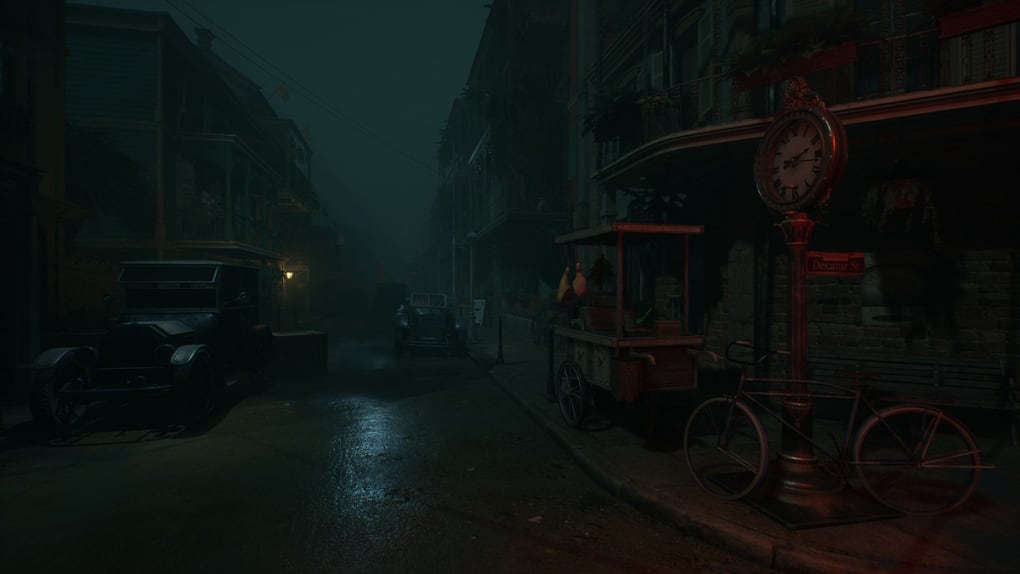
The Dual Perspectives: Emily Hartwood and Edward Carnby
One of the most compelling features that elevates “Alone in the Dark” beyond a typical horror experience is its ingenious implementation of dual protagonists. Players have the choice to embark on their terrifying journey as either Emily Hartwood, the determined niece searching for her missing uncle, or Edward Carnby, the seasoned private investigator hired to assist with the case. While both characters navigate the same sinister Derceto Manor and confront the same rising evil, their individual perspectives, motivations, and interactions with the environment and its inhabitants offer vastly different insights and experiences. This design choice isn’t merely cosmetic; it is fundamental to fully grasping the game’s intricate narrative and thematic depth.
Playing through the game once as Edward Carnby and then again as Emily Hartwood is not just recommended; it is essential for achieving the complete experience. Each character’s journey provides a unique lens through which the player perceives the unfolding horror. Edward, with his hardened demeanor and cynical outlook, often approaches situations with a pragmatic, almost detached professionalism. His background as an investigator influences his dialogue choices, his interpretations of clues, and even how certain residents react to him. He might uncover specific pieces of information or experience visions that are unique to his own psychological makeup and history. His path might emphasize the more empirical aspects of the investigation, seeking logical explanations even when confronted with the unequivocally supernatural.
Conversely, Emily Hartwood’s quest is deeply personal and emotionally charged. Her familial connection to Jeremy Hartwood imbues her journey with a profound sense of urgency and vulnerability. Her reactions to the manor’s horrors, her interactions with its strange occupants, and her internal monologues will undoubtedly differ from Edward’s. She might possess a more intuitive understanding of the manor’s psychological landscape, or certain supernatural elements might manifest differently for her due to her direct bloodline to the Hartwood family. Her perspective could unlock deeper, more emotional truths about Jeremy’s disappearance and the manor’s malevolent history, truths that Edward, as an outsider, might never fully grasp.
The developers have meticulously crafted distinct dialogues, unique cutscenes, and even specific puzzle solutions or pathways that are exclusive to each character. This ensures that a second playthrough is not simply a repetitive rehash but a genuinely fresh and revelatory experience. Events witnessed by one character might take on new meaning when viewed from the other’s vantage point, filling in narrative gaps and providing a more comprehensive understanding of the overarching plot. For instance, a seemingly minor detail encountered as Emily might become a crucial piece of the puzzle when revisited as Edward, or vice versa.
This dual perspective mechanism encourages players to actively engage with the game’s lore and themes on a deeper level. It highlights the subjective nature of perception, especially within a psychological horror context, and underscores how personal history and emotional investment can profoundly alter one’s experience of terror. By offering two distinct yet interconnected narratives, “Alone in the Dark” maximizes its replayability and ensures that players who dedicate the time to both journeys will be rewarded with a richer, more nuanced, and ultimately more terrifying understanding of Derceto Manor and the dark forces at play within it. It’s a testament to the game’s ambition and its commitment to delivering a truly immersive and thought-provoking horror narrative.
Beyond the Shadows: Gameplay Mechanics and Accessibility
“Alone in the Dark” distinguishes itself by offering an experience that transcends the typical noir-detective story, skillfully blending a variety of gameplay mechanics to keep players engaged and on the edge of their seats. The adventure is a carefully calibrated mix of methodical exploration, insightful dialogues, challenging brain-teasing puzzles, and pulse-pounding combat. This multi-faceted approach ensures that the game remains dynamic, preventing any single element from becoming stale and maintaining a constant sense of discovery and danger.
While players can speed through the main narrative in approximately eight hours, achieving the full, nuanced experience demands playing through the game twice. As previously discussed, this involves completing the game once as Edward Carnby and then again as Emily Hartwood. Each playthrough, viewed through the unique perspective of its protagonist, unlocks different narrative layers, unveils exclusive insights, and reveals the complete tapestry of Derceto Manor’s grim history. This intelligent design choice significantly enhances replayability and provides a richer understanding of the intricate plot.
A refreshing aspect of “Alone in the Dark” in the modern gaming landscape is its approach to monetization, or rather, the deliberate lack thereof. In an era where many titles are riddled with microtransactions, battle passes, and various forms of in-game purchases, this game stands firm in its commitment to an uninterrupted adventure. There are no hidden costs or supplementary purchases designed to disrupt the flow of immersion. Once purchased, the full game is entirely accessible, allowing players to focus solely on the terrifying narrative and intricate gameplay without the distraction of monetization prompts. This player-friendly strategy reflects a dedication to delivering a pure, unadulterated horror experience.
Despite being fundamentally a single-player adventure, “Alone in the Dark” embraces the modern gaming landscape with robust cross-platform compatibility. The game is available on PC, PlayStation 5, and Xbox Series X|S, enabling gamers to dive into the dread on their preferred device. More importantly, this compatibility extends to seamless progress transfer, meaning players can start their journey on one platform and effortlessly continue it on another. This flexibility is a significant convenience for players who might switch between gaming setups or simply prefer the option to play wherever they are most comfortable, ensuring the nightmare can follow them across devices.
For those who wish to experience a taste of the terror before committing to the full purchase, “Alone in the Dark Prologue” serves as a perfect entry point. This free-to-play standalone experience allows players to step into the shoes of young Grace Saunders. Her mission: to deliver a letter from Jeremy Hartwood to his niece Emily, one of the main protagonists of the full game. Grace’s thrilling adventure, though short, is profoundly terrifying and offers a potent glimpse into the unsettling atmosphere and psychological horror awaiting in Derceto Manor. Players who bravely make it to the end of the prologue are promised a surprise, further incentivizing this initial foray into the dark. This thoughtful offering allows potential players to gauge the game’s mechanics and tone, ensuring it aligns with their expectations for a horror title.
Experiencing the Dread: A Nostalgic Yet Fresh Take
Whether you are a loyal devotee of the original “Alone in the Dark” series, a fervent horror junkie constantly seeking the next chilling experience, or simply someone on the lookout for a thrilling and deeply immersive game to play, this reimagined title comes highly recommended by PhanMemFree. It is a game that successfully walks the tightrope between honoring its legacy and presenting a fresh, accessible experience for new audiences.
The development team has clearly poured their passion into ensuring the game stays faithful to the core elements that made the original version so enthralling. From the pervasive feel of psychological horror that subtly gnaws at your sense of reality, to the meticulously crafted overall ambiance that envelops you in dread, “Alone in the Dark” has it all. The intricate details in environmental design, the unsettling soundscapes, and the carefully paced narrative all contribute to a feeling of classic horror, modernized for today’s gaming standards. The commitment to psychological horror over cheap jump scares or gratuitous gore elevates the experience, focusing on sustained tension and existential dread.
The game’s ability to evoke a nostalgia-induced fright for veterans of the series, while simultaneously providing a welcoming and comprehensive narrative for newcomers, is one of its greatest strengths. It demonstrates a deep understanding of its source material, expanding upon lore and characters in meaningful ways without relying solely on prior player knowledge. This balance ensures that both camps of players will find something to appreciate and fear within Derceto Manor.
However, as with any intense horror experience, it is crucial for players to keep in mind the sensitive themes depicted in the game. The inclusion of topics such as suicide and depression, while integral to the narrative and character development, may be triggering for some individuals. The game also features violence against non-human characters, a necessary component of its survival horror genre, though it consciously avoids excessive gore. PhanMemFree advises all players to review these content warnings before diving in, ensuring a prepared and ultimately more enjoyable journey into the darkness.
In summary, the reimagined “Alone in the Dark” stands as a commendable achievement. It captures the essence of what made the original a genre-defining masterpiece: a rich narrative, an oppressive atmosphere, and a genuine sense of fear.
Pros:
- Faithful to the Original Version: Successfully captures the spirit, tone, and core mechanics that defined the classic, offering a true nostalgic experience.
- Doesn’t Require Knowledge of the Original: Provides enough context and narrative depth for newcomers to fully understand and appreciate the story without feeling lost.
- Horror-Filled Ambiance: Expertly crafted environmental design, lighting, and sound create a constantly unsettling and terrifying atmosphere.
- Engaging Soundtrack: The unique doom jazz score is hauntingly beautiful and perfectly complements the psychological horror.
- Dual Protagonist System: Offers significant replayability and a deeper narrative understanding through two distinct perspectives.
- No Microtransactions: Provides a complete and uninterrupted gaming experience without additional in-game purchases.
- Cross-Platform Support: Allows for flexible gameplay across PC, PS5, and Xbox Series X|S, with seamless progress transfer.
- Free-to-Play Prologue: An excellent opportunity for players to test the waters before committing to the full game.
Cons:
- Display of Non-Human Violence: Features combat against monsters, which includes depictions of violence, though not excessive gore.
- Sensitive Themes that May Be Triggering: Explores mature and potentially upsetting themes such as suicide and depression, requiring player discretion.
Ultimately, “Alone in the Dark” is more than just a horror game; it’s an atmospheric journey into the depths of fear and the human psyche. It’s a testament to enduring horror storytelling, brought to life with modern sensibilities. PhanMemFree confidently recommends it to anyone ready to face their fears and uncover the unsettling truths hidden within Derceto Manor.
File Information
- License: “Full”
- Version: “varies-with-devices”
- Latest update: “March 21, 2024”
- Platform: “Windows”
- OS: “Windows 11”
- Language: “English”
- Downloads: “588”


