
Amnesia: The Dark Descent, a first-person survival horror game set in the 19th century, plunges players into a terrifying world of psychological dread and relentless fear. Released in 2010 by Frictional Games, the game quickly garnered a reputation for its intense atmosphere, chilling sound design, and truly unsettling gameplay mechanics. Unlike many horror games that rely on jump scares and cheap thrills, Amnesia: The Dark Descent cultivates a pervasive sense of dread that slowly unravels the player’s sanity along with the protagonist’s fractured memories.
A World Steeped in Darkness and Mystery
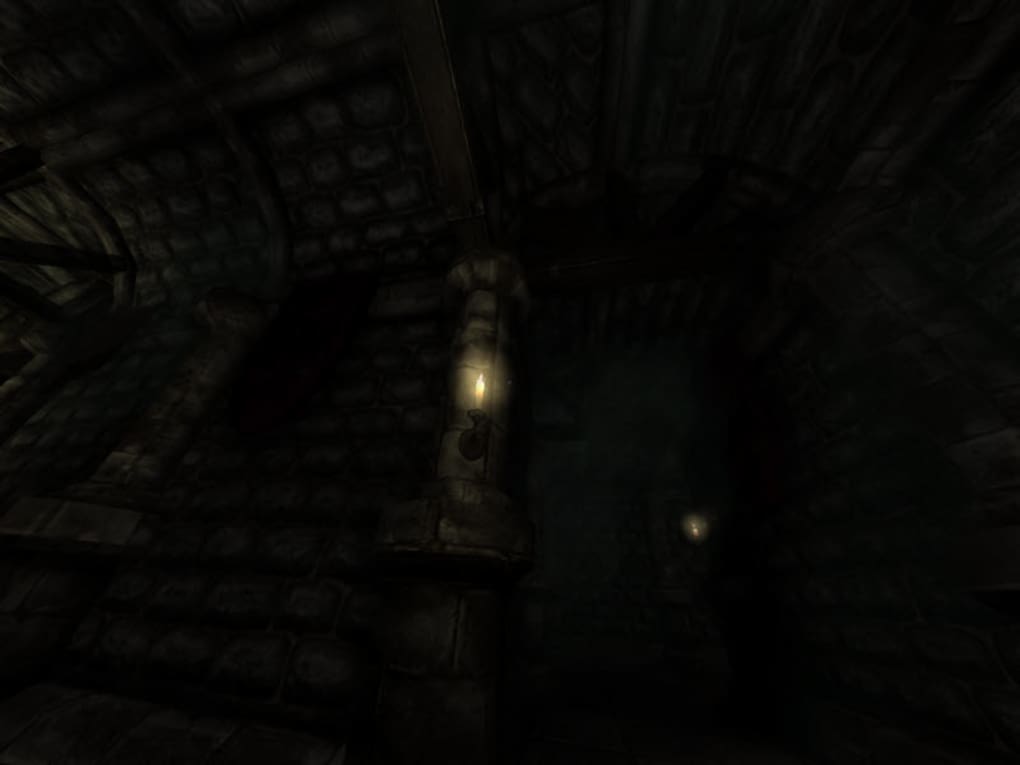
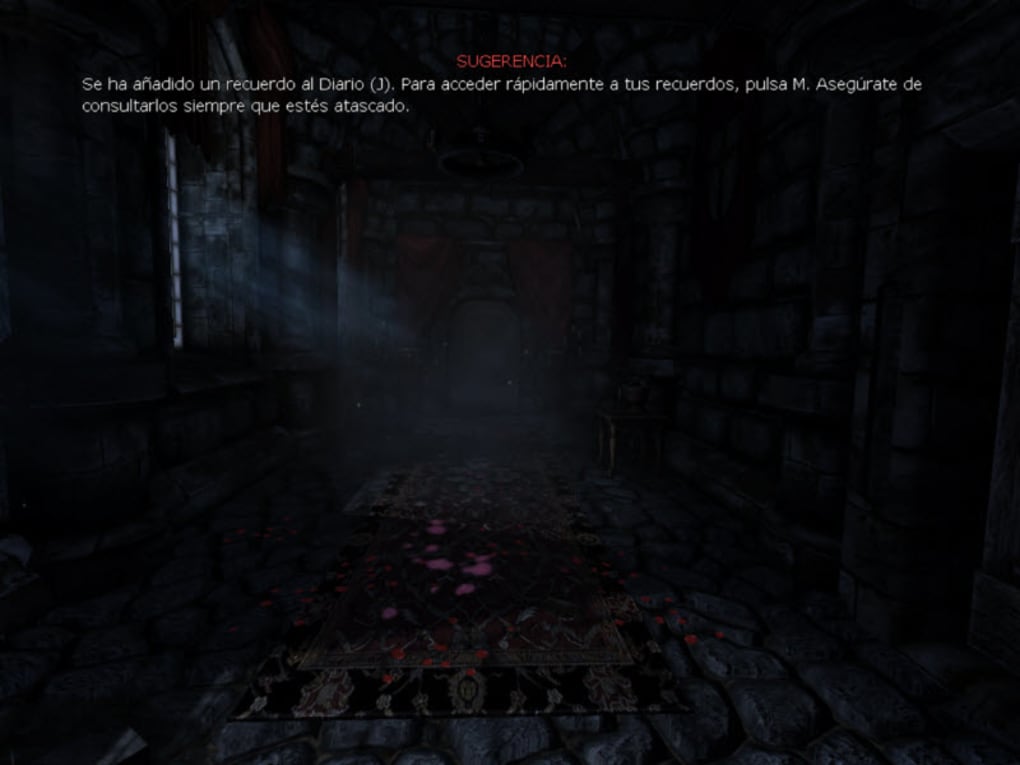
The game begins with the protagonist, Daniel, awakening in the desolate, crumbling halls of an ancient Prussian castle. He suffers from amnesia, his past a blank slate shrouded in mystery. This immediate state of disorientation and vulnerability sets the stage for the unnerving experience to come. The castle itself is a labyrinthine character, its decaying architecture mirroring Daniel’s deteriorating mental state. Dark, claustrophobic corridors, echoing chambers, and unsettlingly realistic environments combine to create a palpable sense of isolation and despair. The player is never truly safe, constantly anticipating the unseen horrors that lurk just beyond the flickering candlelight. The visuals, while not graphically stunning by modern standards, are masterfully used to create a chilling and atmospheric experience. Dark shadows, unsettling sounds, and the constant feeling of being watched all contribute to a pervasive sense of unease that keeps the player on edge.

Survival Through Stealth and Wit, Not Combat
Amnesia: The Dark Descent eschews traditional horror game mechanics. Daniel is completely defenseless against the monstrous entities that inhabit the castle. There’s no combat system; the only way to survive is through stealth, evasion, and careful navigation. This forces players to rely on their wits and instincts, turning each encounter into a tense game of hide-and-seek with the unknown. The inability to fight back heightens the vulnerability and creates a constant sense of impending doom. The monsters are not mere obstacles to overcome, but representations of the encroaching madness that threatens to consume Daniel.
The Crushing Weight of Psychological Horror
The game’s true horror lies not just in the grotesque monsters, but in the insidious erosion of Daniel’s sanity. Prolonged exposure to darkness, the unsettling sights and sounds of the castle, and the terrifying encounters with the creatures gradually chip away at his mental fortitude. This is reflected in the game’s mechanics: as Daniel’s sanity deteriorates, his vision blurs, strange visual effects plague his perception, and his overall ability to function effectively diminishes. This is not just a visual effect; it directly impacts gameplay, making navigation and puzzle-solving increasingly difficult and adding to the overall sense of helplessness. The feeling of losing control, both of the environment and of Daniel’s mind, is a key element of the game’s unsettling atmosphere. The player experiences Daniel’s descent into madness in a visceral and deeply unsettling way.
Unraveling the Mystery of Daniel’s Past
Beyond the immediate struggle for survival, Amnesia: The Dark Descent offers a compelling narrative. As Daniel explores the castle, he gradually uncovers fragmented clues about his past and the events that led to his current predicament. These clues are often hidden in obscure locations, requiring careful exploration and observation. The story is told through scattered notes, journal entries, and environmental storytelling, gradually piecing together the disturbing truth behind Daniel’s amnesia. The narrative is non-linear, allowing players to discover the story at their own pace, adding to the immersive experience. The revelation of the truth is a deeply disturbing and unsettling experience that effectively blends the game’s psychological horror with its narrative. The unsettling truth behind Daniel’s amnesia and the events that unfolded before his arrival at the castle further intensifies the overall feeling of dread and despair.
The Sound Design: A Symphony of Terror
The game’s sound design is arguably one of its most significant strengths. The use of ambient sound creates a persistent atmosphere of unease, punctuated by chilling cries, unsettling whispers, and the ominous creaks and groans of the decaying castle. The subtle yet effective sound cues are beautifully timed to enhance the already nerve-wracking gameplay, often foreshadowing impending danger or amplifying the psychological impact of a horrifying encounter. The sound creates a truly immersive experience, making the player feel deeply vulnerable and intimately connected to the game’s atmosphere. The effective use of sound ensures that even the quiet moments are filled with a sense of unease and anticipation.
Multiple Endings: A Testament to Choice
Amnesia: The Dark Descent features multiple endings, depending on the player’s actions and choices throughout the game. These endings are not simply cosmetic variations; they offer significant variations in the narrative and offer players a sense of agency within the game’s predetermined narrative framework. This replayability factor adds depth to the overall experience, encouraging players to explore the environment fully and to consider the consequences of their actions. This further strengthens the narrative experience and rewards players for their thorough exploration.
A Lasting Legacy of Fear
Amnesia: The Dark Descent has left an indelible mark on the survival horror genre. It proved that psychological horror could be just as effective, if not more so, than reliance on jump scares and cheap thrills. Its influence can be seen in numerous subsequent horror games, which have adopted its focus on atmosphere, stealth-based gameplay, and the insidious erosion of the protagonist’s sanity. The game’s impact on the landscape of horror gaming is undeniable, and its innovative approach continues to inspire developers to this day.
The game’s success lies in its ability to create a truly immersive and terrifying experience that resonates with players long after the credits roll. It’s a testament to the power of atmosphere, sound design, and intelligent game mechanics to craft a truly horrifying and unforgettable experience that transcends simple jump scares and relies instead on a more profound, psychological approach to fear. The enduring popularity of Amnesia: The Dark Descent speaks volumes about its innovative design and lasting impact on the survival horror genre. The combination of its compelling narrative, immersive sound design, and innovative gameplay mechanics ensured that Amnesia: The Dark Descent remains a classic in the horror genre. The game’s ability to tap into primal fears and instill a persistent feeling of unease ensures that its impact on the gaming world will remain long after its release. It’s not just a game; it’s an experience that chills you to the bone.
File Information
- License: “Full”
- Version: “1.0.1”
- Latest update: “June 7, 2011”
- Platform: “Windows”
- OS: “Windows 8”
- Language: “English”
- Downloads: “574.7K”
- Size: “164.76 MB”


