
Android File Transfer, once a widely used application for transferring files between Android devices and Windows computers, is no longer available for download. This comprehensive guide explores the reasons behind its discontinuation, explains its functionality, and provides alternative solutions for seamlessly transferring files between your Android device and your PC.
Understanding Android File Transfer’s Functionality
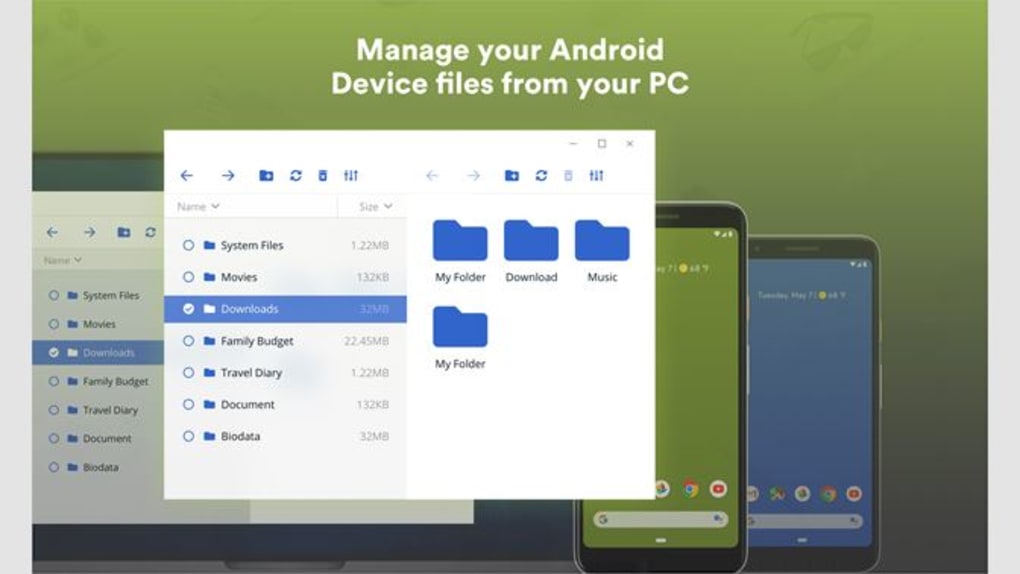
Android File Transfer was a dedicated application designed to simplify the process of transferring files between Android devices and Windows PCs. Unlike other methods that might involve complex configurations or compatibility issues, Android File Transfer aimed for user-friendliness. Its primary function was to act as a bridge, allowing users to easily browse the contents of their Android device’s storage and transfer files—images, videos, documents, and more—to their computer, and vice versa.
The application’s core strength lay in its simplicity. Users could connect their Android device to their computer via a USB cable, launch the Android File Transfer application, and navigate a user-friendly interface to select and move files. This drag-and-drop functionality made transferring files intuitive, even for users with limited technical expertise.
While seemingly straightforward, Android File Transfer addressed a key challenge faced by many Android users: seamless file transfer. Many Android devices don’t automatically mount as external drives on Windows PCs like some other devices. Android File Transfer served as a crucial intermediary, resolving this compatibility hurdle and providing a consistent method for file transfers.
Reasons for Discontinuation and Alternatives
The unavailability of Android File Transfer for download is likely due to a combination of factors. One prominent reason could be the evolution of Android itself and its growing integration with modern operating systems. Recent Android versions and Windows operating systems have improved their native file transfer capabilities, reducing the necessity for a dedicated intermediary application like Android File Transfer. Improvements in USB protocols and the broader adoption of cloud storage services also likely contributed to the decreased reliance on such a specialized tool.
Additionally, security concerns may have played a role. Maintaining and updating legacy software involves ongoing costs and efforts, and as security threats evolve, supporting older applications can become a liability. Rather than continue supporting an older application with potential vulnerabilities, the developers may have chosen to discontinue it in favor of more secure and up-to-date solutions.
Alternative Apps and Methods:
Given the discontinuation of Android File Transfer, several robust alternatives are readily available to facilitate file transfers between your Android device and your PC:
-
Built-in File Transfer Capabilities: Modern versions of Android and Windows operating systems often have improved built-in support for file transfer. Connecting your Android device via USB may automatically mount the device’s storage, allowing you to access files directly through File Explorer (Windows) or Finder (macOS). Explore the options on your computer and Android device to see if native file transfer is enabled by default.
-
Cloud Storage Services: Services like Google Drive, Dropbox, OneDrive, and iCloud provide seamless ways to sync files across devices. Upload files from your Android device to your chosen cloud service, and they’ll be instantly accessible from your computer and other linked devices. This method eliminates the need for direct cable connections.
-
Dedicated File Transfer Applications: Numerous third-party applications specialize in managing and transferring files between Android devices and computers. These apps often provide advanced features such as selective file transfer, batch processing, and scheduling options, surpassing the basic functionalities of Android File Transfer. Research options available on your preferred app store (Google Play, Microsoft Store) to find a suitable alternative. Examples include, but are not limited to:
- Droid Transfer: This application offers comprehensive Android device management, including file transfer, message backup, and contact management.
* **Android Transfer for PC:**  A free tool that focuses solely on file management and transfer, providing a simplified interface.

* **AirDroid:** AirDroid allows for wireless file transfer and remote control of your Android device.
Troubleshooting Connection Issues
Even with alternative methods, connection problems can arise. Here are some general troubleshooting steps:
-
USB Debugging: Ensure USB Debugging is enabled on your Android device. This setting allows for enhanced communication between your device and your computer, essential for proper file transfer. The exact steps to enable USB debugging may vary depending on the Android version and device manufacturer, so consult your device’s documentation or online resources.
-
Driver Installation: Ensure you have the necessary USB drivers installed on your computer. If your device isn’t recognized, installing the correct drivers from your device manufacturer’s website can often resolve the issue.
-
USB Cable: Try a different USB cable. A faulty or damaged cable can prevent proper connection and data transfer.
-
Restart Devices: Restarting both your computer and your Android device can often resolve temporary software glitches that may be hindering the connection.
-
Compatibility: Verify compatibility between your operating system (Windows version) and the Android version on your device. Older operating system versions may have limited or no native support for certain file transfer methods.
Beyond File Transfer: Managing Your Android Data
The discontinuation of Android File Transfer highlights a shift towards integrated solutions and cloud-based approaches to data management. While the application itself is no longer available, understanding the underlying reasons for its discontinuation and exploring the readily available alternatives ensures you can continue managing your Android device’s files efficiently and securely.
The focus now shifts to utilizing the integrated features of your operating systems, the convenience of cloud storage services, or the enhanced capabilities of the many alternative file transfer applications. By selecting the method that best suits your needs and technical expertise, you can continue to enjoy a seamless connection between your Android device and your computer. Remember to regularly back up your important data using a combination of methods to ensure data safety and availability.
File Information
- License: “Full”
- Version: “1.0”
- Latest update: “October 8, 2024”
- Platform: “Windows”
- OS: “Windows 10”
- Language: “English”
- Downloads: “7.1K”


