
Embark on a captivating journey back to the nascent years of the 17th century with Anno 1602, a seminal real-time strategy (RTS) and city-building game that revolutionized its genre. Released in 1998, this classic title by Sunflowers Interactive (later acquired by Ubisoft) invited players to dive into the Age of Exploration, taking on the role of a nascent colonial power. Starting from the modest beginnings of a small settlement on an uncharted island, players are tasked with the grand ambition of forging a thriving empire, expanding their territory, fostering a robust economy, and navigating the multifaceted challenges of the 17th and 18th centuries. Anno 1602 isn’t merely a game; it’s a meticulously crafted simulation of colonial expansion, economic prowess, and strategic foresight that has left an indelible mark on the gaming landscape and spawned a long-running and highly successful series.
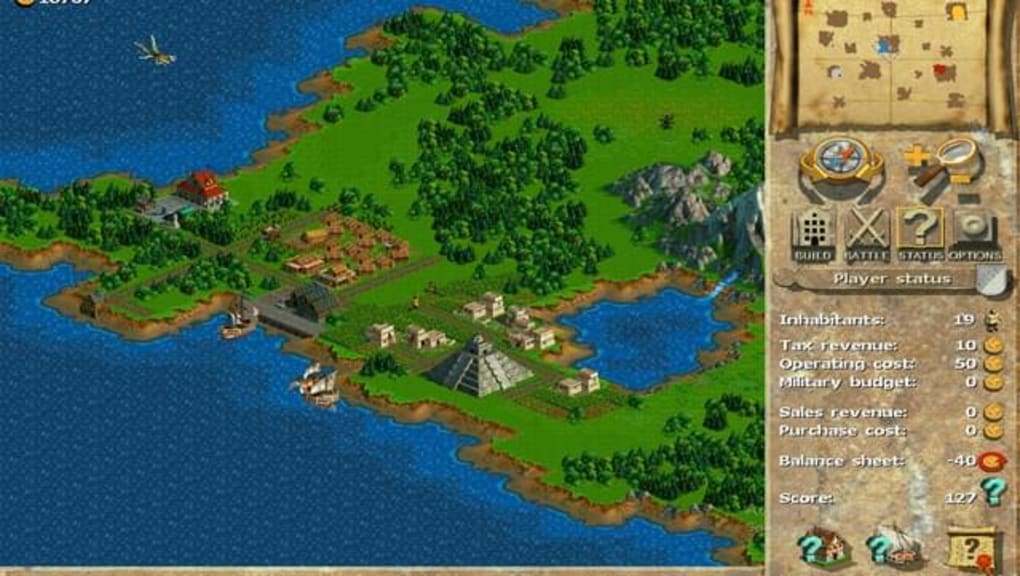
At its core, Anno 1602 brilliantly blends elements of city-building, economic simulation, and light military strategy. The game’s premise is deceptively simple: establish a colony, ensure the well-being of your citizens, and grow your influence. However, beneath this accessible surface lies a complex web of interconnected systems that demand careful planning, efficient resource management, and strategic decision-making. The beauty of Anno 1602 lies in the intricate dance between production, consumption, and expansion, where every building constructed and every resource gathered contributes to the grand tapestry of your growing civilization. It offers an immersive experience that transports players to an era of discovery, trade, and burgeoning global empires, inviting them to write their own chapter in a richly simulated historical context.
Charting the Course: From Discovery to Settlement
The initial moments of Anno 1602 are perhaps the most iconic and critical, setting the stage for the entire colonial endeavor. Players begin their adventure aboard a single ship, laden with a handful of essential materials and a small group of brave settlers, venturing into the vast, unexplored expanse of the New World. The game, while inspired by humanity’s Age of Exploration and Discovery, does not strictly adhere to real-life historical events, instead offering a sandbox within a historically evocative theme. This freedom allows players to carve their own destiny without being constrained by precise historical accuracy, fostering a sense of boundless possibility.

The first, monumental task is to locate and settle a suitable island. This initial decision is fraught with importance, as the chosen island’s resources, size, and geographic features will profoundly impact the colony’s future development. A good starting island offers a balanced mix of fertility for farming, forests for timber, and access to fresh water, along with potential mining sites for crucial minerals like iron ore. Once the ideal spot is identified, the ship sails to shore, and the first humble buildings are laid down, marking the birth of a new settlement.
Establishing the initial colony involves a carefully choreographed sequence of construction. The immediate priorities are basic housing to shelter the intrepid pioneers and facilities for primary resource acquisition. A lumberjack’s hut is typically among the first structures, as wood is the fundamental building material for almost everything that follows. Following closely are facilities to secure a steady food supply. Fishing huts, strategically placed along the coastline, are one of the most effective and accessible early sources of sustenance. Without adequate food and shelter, the burgeoning population will quickly become dissatisfied, potentially abandoning the colony or succumbing to hardship.
As these fundamental needs are met, the colony begins to take shape. Small houses spring up, a rudimentary market might be established, and roads are laid to connect these essential components. The early game is a delicate balancing act, requiring patience and a keen eye for prioritization. Players must continually monitor the happiness and needs of their settlers, ensuring that their basic requirements are not only met but consistently exceeded to encourage population growth and the eventual upgrade of their settlements. This initial phase, characterized by slow, deliberate construction and meticulous resource gathering, establishes the rhythmic foundation upon which the grander empire will eventually be built, laying the groundwork for more advanced industries and a flourishing society.
The Art of Empire Building: Economy, Infrastructure, and Society
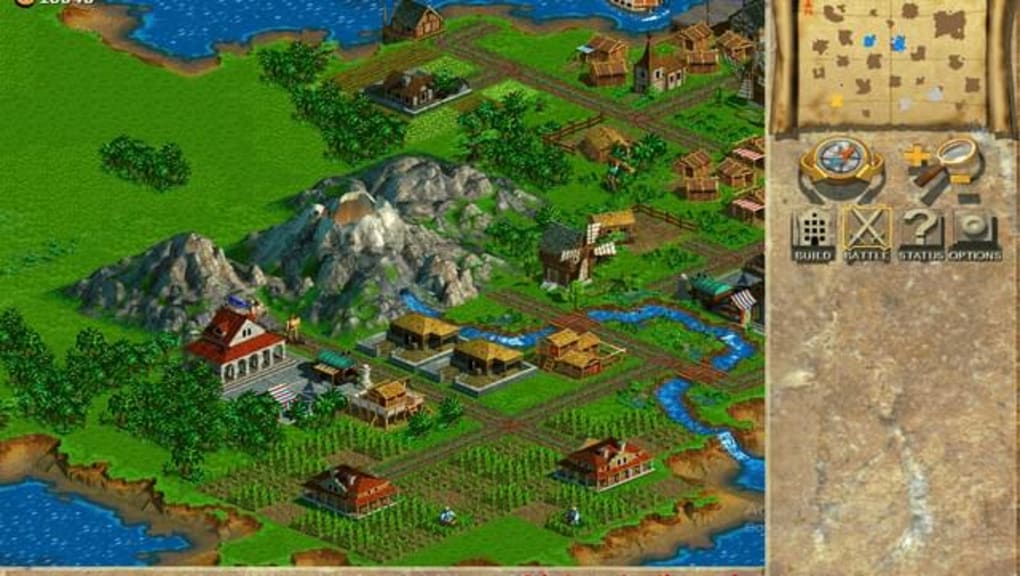
As the fledgling colony takes root and begins to stabilize, Anno 1602 shifts its focus towards the intricate processes of growth, economic diversification, and societal development. The player’s objective evolves from mere survival to the ambitious goal of transforming a small, isolated outpost into a bustling, self-sufficient metropolis and, eventually, a dominant power in the region. This phase of the game is where Anno 1602 truly shines, showcasing its sophisticated simulation of production chains, trade networks, and citizen needs.
The foundations of a thriving colony are built upon a robust and diverse economy. Initially, raw materials like wood, stone, and iron ore are crucial. Lumberjacks fell trees, stone quarries extract rock, and mines unearth minerals. However, these raw goods are merely the starting point. Anno 1602 introduces complex production chains where raw materials are processed into more refined goods. For instance, iron ore needs to be smelted into iron, which is then used by toolmakers to forge tools. These tools, in turn, are vital for constructing advanced buildings and equipping military units. Similarly, crops harvested from plantations aren’t just for food; some, like cotton, might be processed into textiles, providing clothing for the populace. Every step in these chains requires dedicated buildings, labor, and a careful balance of inputs and outputs.
Meeting the evolving needs of the populace is paramount for growth. As pioneers upgrade to settlers, and settlers to citizens, their demands become more sophisticated. Beyond basic food and shelter, they crave luxuries, education, spiritual solace, and entertainment. This necessitates the construction of a diverse array of civic and specialized buildings:
- Churches: Satisfy spiritual needs, contributing to overall happiness and faith.
- Schools: Essential for educating the populace, signifying a more advanced society.
- Theaters: Provide entertainment and cultural enrichment, crucial for keeping higher-tier citizens content.
- Plantations: Grow specific crops like sugar, tobacco, or cotton, which can be processed into luxury goods or traded.
- Advanced Workshops: Produce goods like alcohol, tobacco products, or clothing, which further satisfy citizen demands and boost the economy.
Strategic planning and prioritization become increasingly vital as the empire expands. Players must constantly weigh the costs and benefits of new constructions, consider the geographical layout for optimal efficiency, and ensure that resource transportation (often facilitated by roads and trading posts) is smooth. Balancing the immediate needs of the population with long-term strategic goals, such as securing vital resources or establishing new trade routes, is a continuous challenge. A booming economy is not just about producing goods; it’s about efficient production, effective distribution, and smart financial management. Taxation and trade become essential tools to generate income, which can then be reinvested into further expansion, research, or military development. The decisions made in this phase determine whether a colony stagnates or blossoms into a magnificent, self-sustaining metropolis, a testament to the player’s strategic acumen.
Navigating Perilous Waters: Defense and Diplomacy
While the allure of building a utopian colony is strong in Anno 1602, the reality of the Age of Exploration dictates that tranquility is often a luxury. Beyond the intricate economic simulations and city-building mechanics, players must also contend with external threats and the complexities of inter-colony relations. The waters surrounding your island paradise are not always calm, and the path to prosperity is frequently challenged by both opportunistic marauders and competing colonial powers.
The most persistent and immediate threat players will encounter are pirates. These seafaring outlaws are a constant menace, preying on defenseless merchant vessels and attempting to disrupt vital trade routes. A successful pirate raid can cripple a colony’s economy by seizing valuable goods, sinking ships, and severing supply lines. To counter this, players must invest in a defensive navy. Building shipyards and constructing various classes of warships, from nimble sloops to formidable frigates, becomes a necessary expenditure. These naval forces are tasked with patrolling trade routes, engaging pirate ships in combat, and protecting the economic arteries that fuel the burgeoning empire. Naval battles in Anno 1602 are tactical affairs, requiring players to manage their fleet, maneuver their ships, and deploy their cannons effectively to secure victory.
Beyond the pirates, players must also contend with other neighbor colonies, which can be controlled by the game’s artificial intelligence or, in multiplayer, by other human players. These interactions introduce a layer of strategic depth that goes beyond mere economic optimization. Relations with other colonies can range from peaceful trade and beneficial alliances to fierce competition and outright warfare. Players might find themselves vying for control over valuable resource-rich islands, struggling for dominance over lucrative trade routes, or engaging in military conflicts to expand their territory or defend against aggression.
Military development, therefore, becomes an integral part of the game. While naval superiority is crucial for maritime defense and offense, land-based forces and fortifications are also essential for protecting the heart of your empire. Building forts, watchtowers, and training soldiers provides a deterrent against land invasions and secures newly acquired territories. The strategic imperative is to strike a delicate balance between investing in economic growth and maintaining a strong military. An overly militaristic approach might drain resources needed for civic development, while an undefended colony risks falling prey to its rivals. Understanding when to negotiate, when to trade, and when to wage war is a critical skill in Anno 1602, adding a dynamic and often unpredictable element to the otherwise serene process of empire building.
Diverse Modes for Every Adventurer
Anno 1602’s enduring appeal is further bolstered by its offering of multiple game modes, each catering to different playstyles and strategic preferences. This variety ensures that the game remains engaging and offers substantial replayability, whether a player seeks a laid-back city-building experience or a demanding strategic challenge against formidable opponents.
The most popular and arguably the quintessential Anno 1602 experience is Continuous Play. This mode is the ultimate sandbox, allowing players to immerse themselves in the game without specific predefined goals or time limits. In Continuous Play, the objective is entirely self-driven: build the largest, most prosperous, and aesthetically pleasing colony possible. Players can expand at their own pace, experiment with different city layouts, optimize production chains to perfection, and engage with other factions as they see fit. It’s a mode designed for those who revel in the pure joy of creation and management, where the satisfaction comes from watching their small island settlement gradually transform into a sprawling, self-sufficient empire. The open-ended nature of Continuous Play means that players can enjoy the game for hundreds of hours, continually tweaking and improving their grand design, truly living out the fantasy of colonial development.
For players seeking a more structured and challenging experience, Anno 1602 offers Individual Scenarios. Each scenario presents a specific set of predefined goals that the player must achieve, often within certain constraints or starting conditions. These objectives can vary widely, from reaching a specific population count or tier (e.g., producing 500 citizens) to accumulating a certain amount of wealth, establishing particular trade routes, or even achieving military dominance over a rival AI. Scenarios test the player’s ability to adapt their strategies to unique challenges, requiring efficient resource allocation, smart planning, and sometimes, quick decision-making under pressure. They provide a focused way to play the game, offering clear objectives and a sense of accomplishment upon completion, honing strategic skills that can then be applied to the more expansive Continuous Play mode.
Finally, the Multiplayer Mode elevates the competitive aspect of Anno 1602, allowing players to test their empire-building prowess against human opponents. This mode transforms the game into a dynamic battle of wits and strategy, where players compete to establish the largest, most successful colony among all participants. The unpredictability of human rivals adds a layer of depth that AI opponents cannot replicate. Diplomacy, trade agreements, and military alliances or conflicts take on a far more nuanced and intense dimension. Players might form pacts to mutually benefit, engage in economic warfare to undermine rivals, or unleash their navies and armies in direct confrontation. Multiplayer offers endless replayability as each session unfolds differently, shaped by the unique strategies and interactions of the players involved, making it a thrilling test of economic management, tactical acumen, and diplomatic skill.
Reflecting on Anno 1602: Enduring Appeal and Criticisms
Anno 1602 stands as a monumental title in the history of strategy games, often cited as a cornerstone of the city-building RTS genre. Its impact resonated widely upon its release and continues to influence subsequent titles in the acclaimed Anno series. Despite its age, the game still commands a dedicated following, a testament to its compelling gameplay loop and foundational design.
The Enduring Legacy – Pros:
- Engaging Game Mechanics: The core loop of discovering an island, settling it, gathering resources, building, expanding, and managing citizen needs is incredibly satisfying. PhanMemFree users often praise the intuitive yet deep economic simulation that allows players to truly feel like they are building a living, breathing society from the ground up. The feeling of progression, from a handful of huts to a bustling port city, is immensely rewarding.
- In-game Tutorial and Guide: For its time, Anno 1602 featured a commendable in-game tutorial system. This accessibility allowed newcomers to grasp the fundamental mechanics without feeling overwhelmed, smoothing the learning curve for what could otherwise be a complex simulation. This thoughtful design choice contributed significantly to its broader appeal.
- Historical Themes (Inspired): While not striving for strict historical accuracy, the game’s setting in the Age of Exploration offers a rich, immersive backdrop. The visual cues, the types of buildings, and the general atmosphere evoke the period beautifully, making the act of colonization and trade feel authentic and exciting. This thematic depth draws players into its world, providing a compelling narrative context for their strategic endeavors.
- Multiplayer Mode: The inclusion of a multiplayer mode significantly extended the game’s longevity. Competing or cooperating with friends and other players added a dynamic, unpredictable element that transcended the single-player experience. The challenges of outmaneuvering human opponents in economic or military might provided endless hours of competitive fun, a feature that was highly valued by the PhanMemFree community.
- Freedom to Explore and Experiment: Unlike many linear strategy games of its era, Anno 1602 offered a vast amount of player agency, particularly in its Continuous Play mode. This freedom allowed players to experiment with different strategies, design unique city layouts, and pursue their own definition of colonial success, fostering creativity and diverse playstyles.
Acknowledging the Drawbacks – Cons:
- Outdated Graphics: As a game released in 1998, Anno 1602’s graphics are undeniably a product of its time. While functional and charming in their own right, the low-resolution textures, blocky models, and limited animations may not appeal to players accustomed to the high fidelity visuals of modern games. This aesthetic can be a barrier for new players unfamiliar with the visual style of late 90s PC gaming.
- Not Strictly Historically Accurate: While drawing inspiration from history, Anno 1602 prioritizes engaging gameplay over rigorous historical fidelity. Some players seeking a perfectly accurate historical simulation might find this aspect a minor drawback, as certain elements are simplified or fictionalized for the sake of gameplay mechanics.
- Time-Consuming: The deliberate, often slow pace of empire-building in Anno 1602 requires a significant investment of time and patience. Developing a small colony into a sprawling, self-sufficient empire can take many hours, making it potentially daunting for players who prefer faster-paced games or have limited time for gaming sessions.
- Repetitive Gameplay (Potentially): Over long play sessions, particularly in Continuous Play, some players might find certain aspects of the gameplay loop repetitive. The constant cycle of resource gathering, production, and expansion, while initially engaging, can become somewhat monotonous for those seeking more varied challenges or narrative progression. However, this aspect is often seen as inherent to the genre, where the “grind” is part of the satisfying process of optimization and growth.
In conclusion, Anno 1602 remains a revered classic that defined a sub-genre of real-time strategy games. Its innovative blend of city-building, economic simulation, and colonial adventure captivated a generation of gamers and laid the groundwork for a highly successful franchise. Despite its dated graphics and the inherent time commitment required, its core gameplay mechanics, strategic depth, and the sheer satisfaction of watching a digital civilization flourish under your guidance ensure its lasting appeal. The legacy of Anno 1602 is not just in its individual strengths but in its profound influence, cementing its place as a truly pioneering title that continues to be celebrated by strategy game enthusiasts, including those in the PhanMemFree community. Its free release by Ubisoft for a limited time in December 2018 was a nod to its classic status, allowing a new generation to experience the magic of its 17th-century colonial dream.
File Information
- License: “Free”
- Version: “1.0”
- Latest update: “November 10, 2020”
- Platform: “Windows”
- OS: “Windows 8.1”
- Language: “English”
- Downloads: “9K”


