
AOL, once a ubiquitous name synonymous with internet access, holds a significant place in the history of the World Wide Web. From its dial-up modem days to its evolution into a multifaceted online service, AOL’s journey reflects the dramatic transformations of the digital landscape. This article explores AOL’s rise, its dominance, its decline, and its lasting impact on the internet as we know it.
The Rise of America Online: Dial-Up Domination
In the early to mid-1990s, before broadband became widespread, the internet was largely accessed through dial-up connections. For many, AOL was the gateway. Its user-friendly interface, bundled software, and ease of use contrasted sharply with the more technical complexities of directly accessing the internet through command-line interfaces or other less intuitive methods. AOL offered a simplified experience, packaging email, chat, news, and access to a curated selection of websites all within a single, integrated platform. This “walled garden” approach, while limiting in terms of open web access compared to today’s standards, was incredibly effective in bringing millions of people online for the first time.
AOL’s success hinged on several key factors. Firstly, its marketing campaigns were incredibly effective. The catchy jingles, memorable television commercials, and widespread distribution of free trial CDs cemented its brand recognition and spurred adoption. Secondly, AOL’s focus on ease of use attracted a vast demographic, including those who were intimidated by the technical aspects of the early internet. The intuitive interface and readily available customer support significantly reduced the barriers to entry. Thirdly, AOL’s implementation of instant messaging through AOL Instant Messenger (AIM) revolutionized online communication. AIM quickly became a cultural phenomenon, enabling real-time conversations that fostered a sense of community and connection among its users.

The late 1990s marked AOL’s peak. Its subscriber base swelled to tens of millions, making it a dominant force in the online world. The company’s influence extended beyond simple internet access; it played a key role in shaping the development of the internet itself, influencing website design, online advertising, and the overall online experience.
AOL 9.6: An All-in-One Approach to Browsing
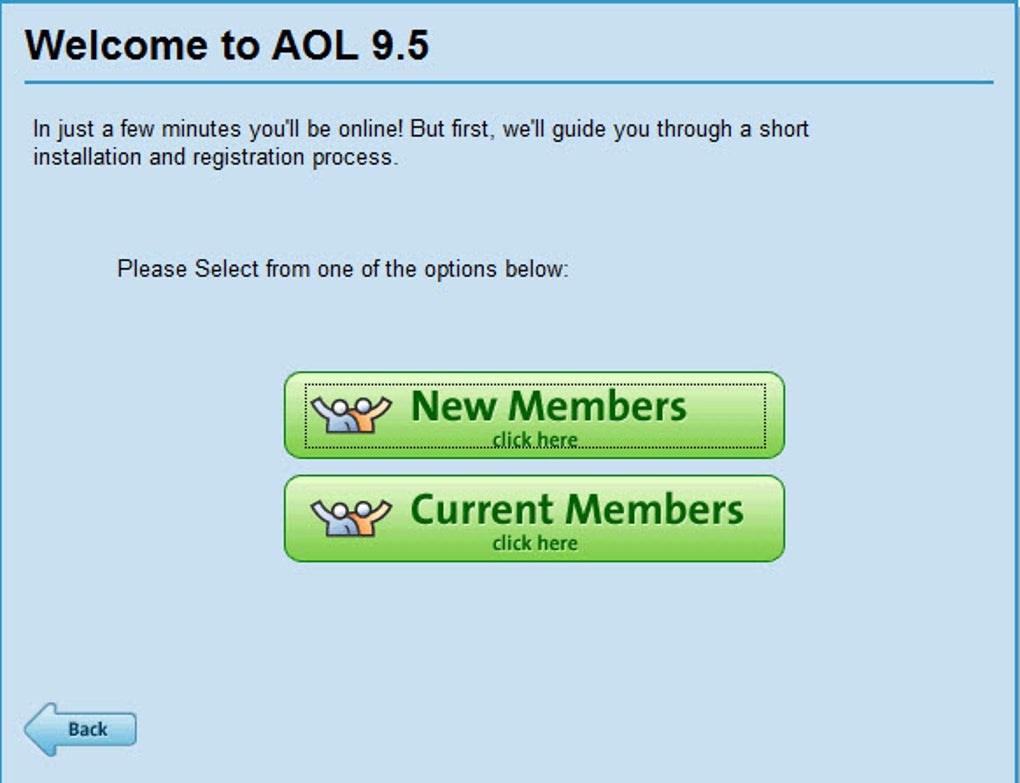
AOL 9.6, released in the early 2000s, exemplified the company’s integrated approach. It wasn’t simply a web browser; it bundled a search engine, instant messaging client (AIM), and various other tools into a single package. This strategy aimed to provide users with a complete online experience within a single application, reducing the need to navigate multiple programs or websites.
The integration of AIM within AOL 9.6 was a significant feature. AIM, by then a well-established and popular instant messaging service, allowed users to stay connected with friends and family while browsing the web. This integration was innovative for its time, streamlining communication and enhancing the overall user experience. The inclusion of a search engine within the browser also aimed to streamline the search process, presenting a simplified way to access information without leaving the primary application.
However, AOL 9.6 also faced criticism. The all-in-one approach, while convenient for some, was viewed by others as cumbersome and potentially resource-intensive. Reports of crashes and freezes, particularly when running multiple programs simultaneously, highlighted performance limitations. Furthermore, the program’s substantial size and reliance on numerous personal details during setup presented usability challenges for certain users.
While AOL 9.6 wasn’t a groundbreaking innovation in the broader context of web browser technology, it served its core audience well by providing a familiar and integrated online experience. Its strength lay in its simplicity and ease of use, catering to a user base accustomed to AOL’s proprietary approach.
The Decline and Transformation of AOL: From Dial-Up to a Digital Ecosystem
The rise of broadband internet access marked a turning point for AOL. The convenience of always-on connections, coupled with the increasing availability of sophisticated web browsers offering greater flexibility and customization, challenged AOL’s dominance. The walled-garden approach, once a strength, became a limitation as users sought more open access to the vast expanse of the internet.
AOL’s response was an attempt to adapt and evolve. The company moved away from its exclusive focus on dial-up access and started incorporating more features into its software and services. AOL’s email service, one of its most enduring aspects, remained a popular option, but the company increasingly faced pressure from competitors offering similar services, often with more advanced features and integrations.
The introduction of AOL Instant Messenger (AIM) as a standalone program was a step towards separating individual services and adapting to the changing internet landscape. While the integrated approach of AOL 9.6 remained a central part of the AOL offering, the move towards individual applications signaled a recognition of the evolving preferences of users.
Ultimately, AOL’s attempt to transform into a digital ecosystem, encompassing email, messaging, and online content, was less successful than its earlier days as a primary internet access provider. The competition intensified, and newer platforms emerged, offering comparable or superior services.
AOL’s Lasting Legacy: Shaping the Internet Experience

Despite its decline from its peak dominance, AOL’s influence on the internet remains substantial. Its early adoption of instant messaging, through AIM, fundamentally altered online communication, setting the stage for the rise of other messaging platforms. The user-friendly interface of AOL helped to demystify the internet, making it accessible to a wider audience and accelerating its growth. The company also played a pivotal role in shaping online advertising and the development of commercial aspects of the internet.
While today’s internet is vastly different from the one AOL helped to shape, many of the foundational aspects—the integration of email, chat, and web browsing—remain central to online interaction. AOL’s journey, from dial-up giant to a smaller player in the broader digital space, serves as a powerful illustration of the rapid evolution and intense competition within the technology sector. Its legacy is not just in its technical innovations, but also in its impact on the cultural shift towards widespread internet adoption. The dial-up sounds, the AIM chat windows, and the user-friendly interface remain iconic symbols of the internet’s early development, solidifying AOL’s place in internet history.
The user reviews included in the provided text highlight the mixed experiences users had with AOL over the years. Positive reviews often focused on the reliable email service and the ease of use of the initial software, while negative reviews highlighted issues with program stability, intrusive advertising, and frustrating customer service. These varying perspectives underscore the complex and multifaceted legacy of AOL—a company that shaped the internet for millions but also faced its share of criticisms and challenges in adapting to the rapidly changing digital world.
File Information
- License: “Free”
- Version: “9.6”
- Latest update: “July 15, 2023”
- Platform: “Windows”
- OS: “Windows 7”
- Language: “English”
- Downloads: “611.2K”
- Size: “555.06 KB”


