
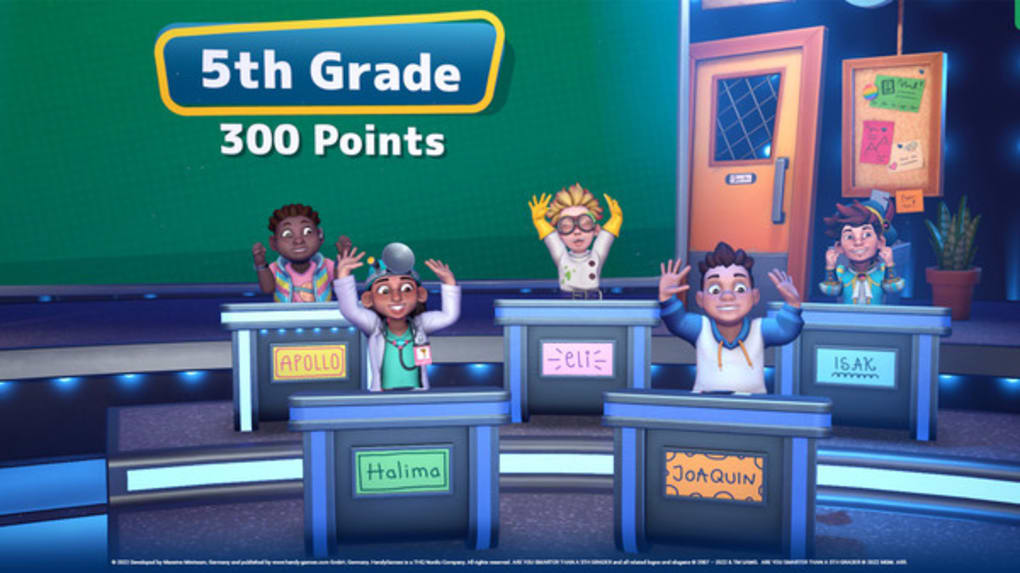
The popular phrase “Are you smarter than a 5th grader?” has transcended its origins in a television game show to become a common expression of intellectual curiosity and playful competition. This question, seemingly simple, encapsulates the complex relationship between age, knowledge, and the ever-evolving landscape of education and entertainment. This exploration delves into the educational potential and limitations of games based on this premise, considering their impact on learning, engagement, and the broader implications for educational technology.
The Allure of the “5th Grader” Challenge: Gamification and Learning
The inherent appeal of the “Are you smarter than a 5th grader?” format lies in its clever blend of gamification and accessible knowledge. The challenge is immediately relatable; the target knowledge base is neither too elementary nor overwhelmingly complex, creating a sweet spot that invites participation from a broad demographic. This accessibility is a key factor in the success of games built around this concept. By framing learning as a game, developers tap into the intrinsic human desire for competition and reward, effectively transforming potentially tedious study into an engaging experience. The simple question structure, often accompanied by a timer or point system, provides a structured framework, enhancing focus and encouraging strategic thinking even on simple questions.
Furthermore, the format often leverages diverse question types, spanning various subjects such as science, history, mathematics, and general knowledge. This diverse approach caters to multiple learning styles and broadens the educational reach of the game. By incorporating elements of surprise and unpredictability, these games maintain player engagement, preventing monotony and encouraging persistence. This element of surprise is crucial; the unexpected nature of questions prevents rote memorization and encourages a deeper understanding of concepts.
However, the reliance on quick-answer, multiple-choice formats presents a potential limitation. While effective for testing recall and basic comprehension, such formats might not adequately assess critical thinking skills, problem-solving abilities, or the capacity for creative application of knowledge. A game focusing solely on rapid recall risks creating a superficial understanding, where players might correctly answer questions without genuinely grasping the underlying principles. This limitation necessitates a critical approach to utilizing such games within a broader educational strategy.
Educational Effectiveness: Balancing Entertainment and Learning
The educational effectiveness of “Are you smarter than a 5th grader?” games hinges on several factors. Firstly, the quality of the questions themselves is paramount. Well-crafted questions should not only test factual recall but also encourage deeper analysis and application of knowledge. Questions that probe understanding beyond simple memorization foster more meaningful learning. The game’s interface and design also play a crucial role. A user-friendly interface that provides immediate feedback and clear explanations of answers enhances learning. The game’s structure should provide appropriate challenges, neither too easy to become boring nor too difficult to be discouraging.
Moreover, the integration of such games within a more comprehensive learning strategy significantly improves their effectiveness. They should not stand alone as the sole educational tool but rather serve as a supplemental resource to reinforce concepts learned through other means like textbooks, lectures, or classroom discussions. For example, a teacher might use a game as a post-lesson activity to review key concepts and identify areas where students may require further instruction.
Conversely, a sole reliance on games as the primary method of education can lead to significant knowledge gaps. The lack of structured learning, in-depth explanations, and opportunities for individualized feedback inherent in many games means that they may only serve as a superficial introduction to a topic. The need for a balanced approach is crucial; games should supplement, not replace, traditional educational methods.
Content and Curriculum Alignment: Addressing Knowledge Gaps

The relevance of the “5th-grade” knowledge base itself is worth considering. While ostensibly aiming for a standard level of general knowledge, the curriculum can become outdated or fail to represent the diverse learning pathways of all students. It’s essential to ensure the curriculum within these games aligns with current educational standards and incorporates a diverse range of topics to cater to a diverse student population. Focusing solely on a standardized curriculum could neglect crucial elements of cultural awareness, critical thinking, and problem-solving skills that should be incorporated into a well-rounded education.
Furthermore, the scope of knowledge covered by typical 5th-grade curricula varies significantly across regions and educational systems. A game designed for a specific region’s curriculum might not be equally effective in other contexts. This necessitates a nuanced approach to adapting and utilizing such games, possibly requiring modification or supplementary materials to bridge the curriculum gaps.
The potential for biased content or inaccuracies also warrants attention. Games should be rigorously vetted to ensure accuracy and avoid perpetuating stereotypes or misinformation. The incorporation of diverse perspectives and inclusive language is critical for creating an educational environment that is fair and equitable to all players.
The Future of Educational Gaming: Beyond the 5th Grade
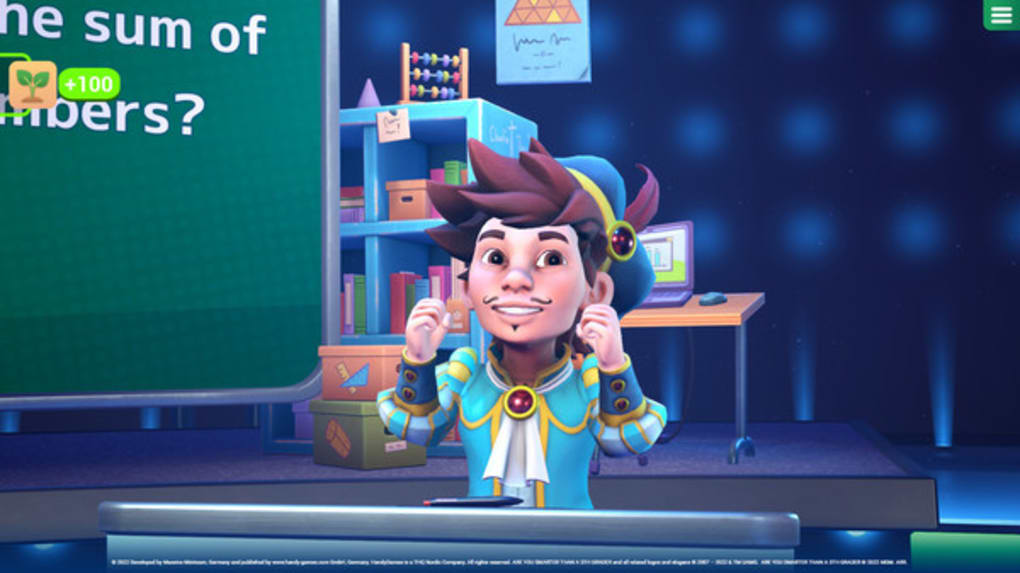
The “Are you smarter than a 5th grader?” framework, while effective in its simplicity, can be seen as a stepping stone toward more sophisticated and engaging educational games. Future developments could involve incorporating adaptive learning algorithms, which personalize the difficulty and content based on individual player performance. Such systems could create a more personalized and efficient learning experience. Games could also incorporate more interactive elements, such as simulations, collaborative projects, and real-world problem-solving scenarios, fostering deeper understanding and promoting critical thinking skills.
Furthermore, the integration of advanced technologies such as virtual reality (VR) and augmented reality (AR) presents exciting opportunities to create immersive and engaging learning experiences. These technologies can transform abstract concepts into tangible and memorable interactions, making learning more enjoyable and effective. For example, a VR game might allow students to virtually explore historical sites or dissect a human heart without the need for physical resources.
The development of games that focus on specific learning difficulties or disabilities is also an area of significant potential. Games tailored to address individual needs can be incredibly effective in helping students overcome learning challenges and build confidence in their abilities. The inherent motivational power of games combined with personalized learning strategies can lead to significant improvements in educational outcomes.
In conclusion, “Are you smarter than a 5th grader?” games offer a valuable blend of entertainment and education. While their effectiveness hinges on several factors, including content quality, curriculum alignment, and integration within a broader learning strategy, they represent a significant step towards leveraging the power of gamification in enhancing learning. As technology advances, the potential for these games to evolve into even more effective and engaging educational tools is immense. The future of educational gaming promises personalized, immersive, and adaptive learning experiences that transcend the simple question of whether one is smarter than a 5th grader, and instead focus on fostering a deeper, more meaningful understanding of the world around us.
File Information
- License: “Full”
- Version: “varies-with-devices”
- Latest update: “June 12, 2023”
- Platform: “Windows”
- OS: “Windows 11”
- Language: “English”
- Downloads: “3.8K”


