
Assassin’s Creed II, released in 2009, stands as a pivotal moment in the history of video games. It significantly improved upon the mechanics and narrative structure of its predecessor, transforming a promising debut into a genre-defining experience. More than just a sequel, Assassin’s Creed II offered a richer, more engaging world, a more compelling protagonist, and a narrative that explored themes of family, betrayal, and the cyclical nature of vengeance with surprising depth. This expansion wasn’t merely incremental; it was a complete reimagining of the potential within the Assassin’s Creed framework.
A New Assassin, A New Era
While the first Assassin’s Creed game introduced players to the concept of reliving the memories of ancestors through the Animus, Assassin’s Creed II shifted the focus to Ezio Auditore da Firenze, a young nobleman from Renaissance Italy. This change proved to be a masterstroke. Altaïr Ibn-La’Ahad, the protagonist of the first game, was a stoic and somewhat mysterious figure. Ezio, on the other hand, is a fully realized character with a compelling arc. We witness his transformation from a privileged youth to a skilled assassin, a journey fueled by betrayal, loss, and a burning desire for revenge. His growth is palpable, and his personality, a blend of charm, impulsiveness, and unwavering loyalty, allows players to connect with him on a far deeper level. This personal investment in Ezio’s journey elevates the entire experience, making the stakes feel significantly higher and the narrative far more resonant.
Ezio’s story isn’t just about revenge. He grapples with complex moral dilemmas, forging alliances and navigating treacherous political landscapes. His relationships with his family, friends, and mentors are central to the narrative, adding layers of emotional depth that the original game lacked. The game masterfully blends historical fiction with real-world events, creating a believable and richly detailed world that players can truly immerse themselves in. From the bustling marketplaces of Florence to the serene countryside of Tuscany, the Renaissance setting comes alive with vibrant detail and palpable atmosphere. The attention to historical accuracy, while not perfect, adds a level of authenticity that enhances the overall immersion.
Enhanced Gameplay and Mechanics
Assassin’s Creed II didn’t just improve the story; it also significantly upgraded the gameplay. The parkour system, already impressive in the original game, is refined and enhanced, making traversing the sprawling Italian cities a fluid and exhilarating experience. The controls are more responsive, allowing for smoother movement and more precise actions. Combat, too, has undergone a significant overhaul. The simplistic fighting style of the first game is replaced with a more dynamic and nuanced system that emphasizes both stealth and skill. Ezio’s arsenal is expanded to include a wider variety of weapons and gadgets, offering players more tactical options in both combat and exploration.
The introduction of a robust crafting system allows players to upgrade their equipment and tailor their play style to their preferences. This added layer of customization adds significant replayability, encouraging experimentation and a more personalized approach to gameplay. Furthermore, the game introduces a more intricate and rewarding system of collecting items, including flags, feathers, and glyphs. These collectibles add layers of exploration to the experience, rewarding players for thoroughly exploring the game’s world. Beyond just improving existing mechanics, Assassin’s Creed II introduces new features that greatly enhanced gameplay, such as the ability to recruit and manage a network of informants and assassins. These features added a strategic element to the gameplay, creating a sense of control over the game’s world that went beyond simple exploration and combat.
A World of Exploration and Discovery
One of the most significant improvements in Assassin’s Creed II is the sheer scale and detail of its world. The game features multiple sprawling cities, each with its own unique architecture, culture, and atmosphere. Florence, Venice, Rome, and Monteriggioni are not just backdrops; they are vibrant, living environments teeming with activity and filled with secrets waiting to be discovered. The level of detail is astonishing, from the intricate designs of Renaissance buildings to the bustling activity of the city streets. This level of detail encourages exploration, rewarding players with stunning visuals and unexpected encounters. The expansive world also incorporates a multitude of side quests and activities, expanding the overall playtime and adding significant depth to the experience. These side quests, often woven into the rich tapestry of historical events and personalities, offer more than just simple distractions. They serve to enrich the game’s narrative and further immerse the player into the world of Renaissance Italy.
The sheer size of the game world, coupled with the fluid parkour system, creates a sense of freedom and exploration rarely seen in other games of the time. Players are not simply guided along a linear path; they are free to explore the cities at their own pace, discovering hidden areas, uncovering secrets, and immersing themselves in the atmosphere of the Renaissance. The combination of exploration, combat, and narrative elements creates a truly compelling and engaging gaming experience that extends well beyond the confines of the main storyline. This open-world design, though not as vast as some modern open-world titles, was groundbreaking for its time and set the stage for the open-world design philosophy that would define the series and the gaming industry as a whole.
The Legacy of Assassin’s Creed II
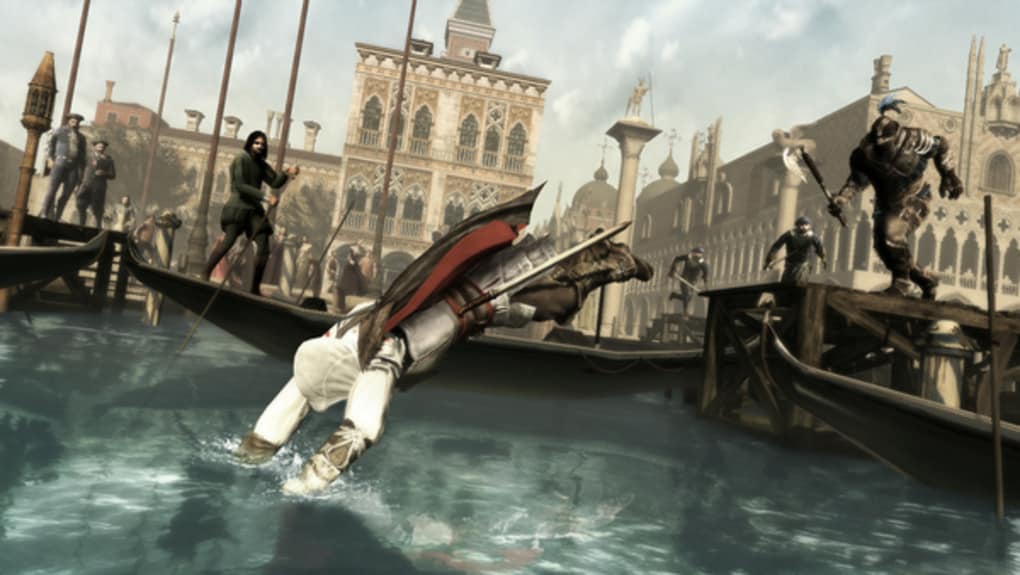
Assassin’s Creed II’s impact on the gaming landscape extends far beyond its impressive graphics and gameplay. It established a formula for open-world action-adventure games that continues to influence developers to this day. Its compelling protagonist, detailed world, and intricate narrative set a new standard for storytelling in video games. The game’s success cemented the Assassin’s Creed franchise as a major player in the industry, launching a long-running and critically acclaimed series. Beyond its direct sequels, Assassin’s Creed II’s influence can be seen in countless other games that borrowed its innovative gameplay mechanics and storytelling techniques.
The game’s success is a testament to its innovative approach to storytelling, its engaging gameplay, and its meticulous attention to detail. Assassin’s Creed II is more than just a video game; it is a historical adventure, a character study, and a testament to the power of interactive storytelling. Its influence on the gaming industry is undeniable, and its legacy continues to inspire developers and players alike. The game stands as a prime example of how a sequel can not only improve upon its predecessor but also redefine the very genre it belongs to, setting a new benchmark for future titles. Its lasting impact on both the Assassin’s Creed franchise and the broader landscape of video game design cements its position as a true classic.
File Information
- License: “Full”
- Version: “2016”
- Latest update: “June 25, 2025”
- Platform: “Windows”
- OS: “Windows Vista”
- Language: “English”
- Downloads: “83.4K”


