
Assassin’s Creed Mirage, a premium action-adventure game developed by Ubisoft Entertainment, marks a significant departure from recent entries in the long-running franchise. Instead of the sprawling open worlds and expansive role-playing elements that defined titles like Assassin’s Creed Valhalla, Origins, and Odyssey, Mirage delivers a more focused, narrative-driven experience reminiscent of the classic Ezio trilogy. This return to the series’ core gameplay mechanics—emphasizing stealth, parkour, and precise assassinations—has generated considerable excitement among long-time fans.
A Focused Narrative in 9th-Century Baghdad
Set in the vibrant and historically rich city of Baghdad during the 9th century, Assassin’s Creed Mirage offers a more contained environment compared to its predecessors. The game’s world, while meticulously detailed, is designed to promote a sense of intimacy and allow players to fully immerse themselves in the narrative. Baghdad is divided into four distinct districts, each with its own unique atmosphere and challenges, offering a compelling exploration experience that echoes the scale of the original Assassin’s Creed game. Beyond the city walls lies Alamut, the legendary mountaintop fortress that served as the headquarters for the Hidden Ones, the precursors to the Assassin Brotherhood, further enriching the game’s historical context.
The story follows Basim Ibn Ishaq, a character first introduced in Assassin’s Creed Valhalla. Mirage delves deeper into Basim’s origins, charting his journey from a street urchin to a skilled assassin within the ranks of the Hidden Ones. This character-driven narrative is tightly woven, eschewing the sprawling, multi-faceted storylines of previous installments in favor of a more focused and emotionally resonant tale. While the game can be enjoyed as a standalone title, prior knowledge of the Assassin’s Creed lore, particularly the events of Valhalla, will enhance the player’s appreciation of the story’s nuances and Basim’s complex character arc. The game’s intimate portrayal of Basim’s development and his integration into the Hidden Ones adds another layer of complexity to the character and his internal conflict.
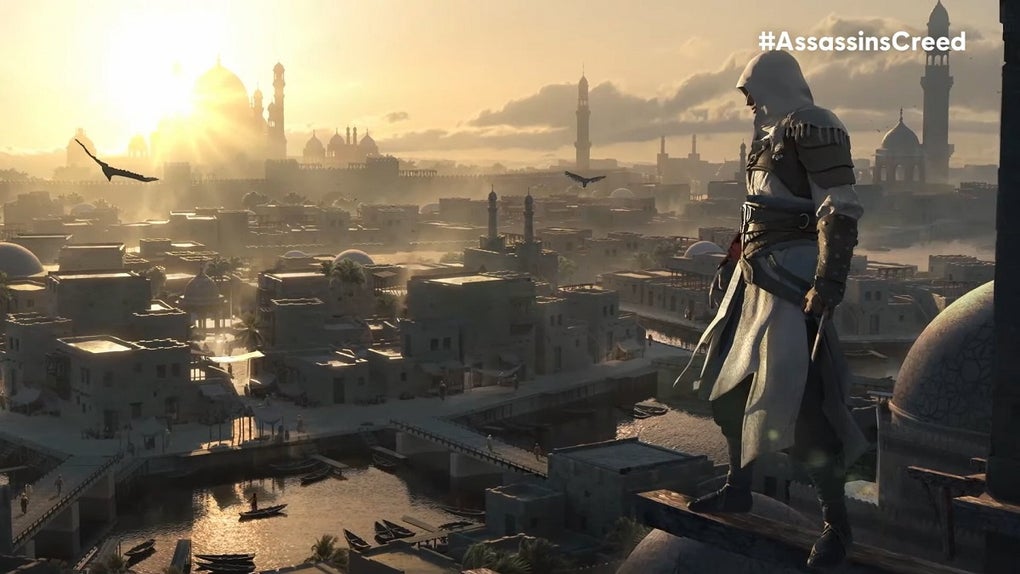
Gameplay: Stealth, Precision, and Parkour
Assassin’s Creed Mirage emphasizes stealth as its core gameplay mechanic. Players are encouraged to utilize Basim’s agility and skills to navigate the bustling streets of Baghdad, infiltrate heavily guarded locations, and eliminate targets with precision and lethality. The game’s controls have been refined to offer a more responsive and intuitive experience, enabling fluid parkour movements and seamless transitions between stealth and combat. The emphasis on planning and execution of assassinations evokes a sense of strategic gameplay, making each encounter a test of skill and patience.
While combat is present, it is not the primary focus. Mirage favors a more strategic approach, urging players to avoid direct confrontation whenever possible and utilize the environment to their advantage. This focus on stealth is a welcome change for fans who felt that previous games had become overly reliant on open-world combat, placing stealth as a secondary option.
The integration of Basim’s eagle, Enkidu, adds another layer to gameplay. Enkidu acts as a reconnaissance tool, allowing players to survey the environment, identify targets, and plan their approach. This feature adds a strategic element to the game, rewarding players who plan their actions and approach each situation with careful consideration. The eagle also serves as a connection to the larger lore, bringing the mythical creature into the modern framework of the game.
A Return to Form: A Standalone Experience
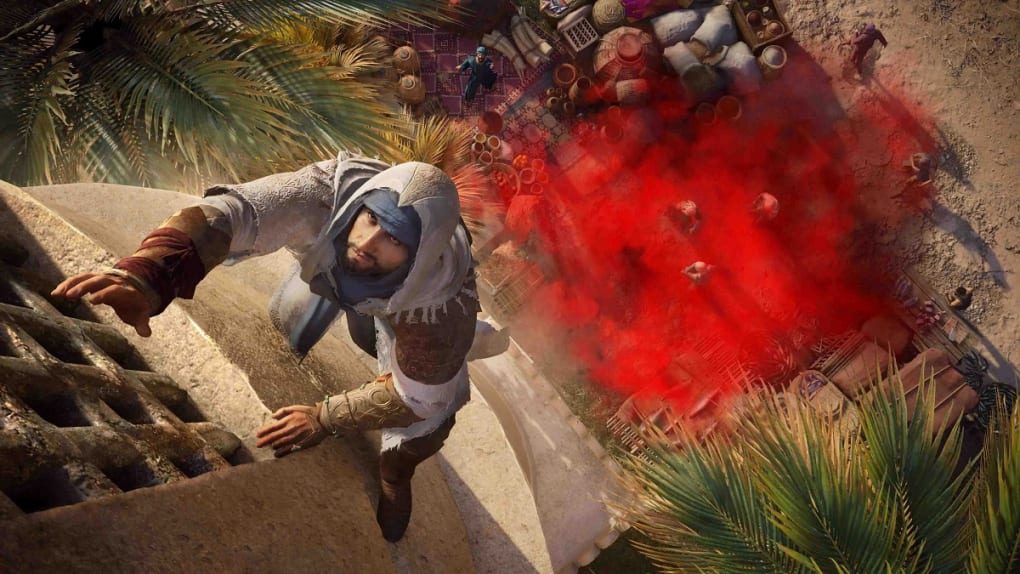
Unlike its predecessors, Assassin’s Creed Mirage is being released as a complete standalone experience, with no plans for post-launch DLC or expansions. Ubisoft has stated its commitment to delivering a polished and satisfying game from day one, allowing players to experience the complete narrative without the interruption of additional content releases. This approach represents a shift from the games-as-a-service model that has become increasingly prevalent in recent years. It represents a dedication to a more concise, self-contained experience, appealing to those who prefer a complete narrative without being spread too thin through additional releases. This move resonates with players who prefer complete, self-contained experiences over a potentially drawn-out process of downloadable content.
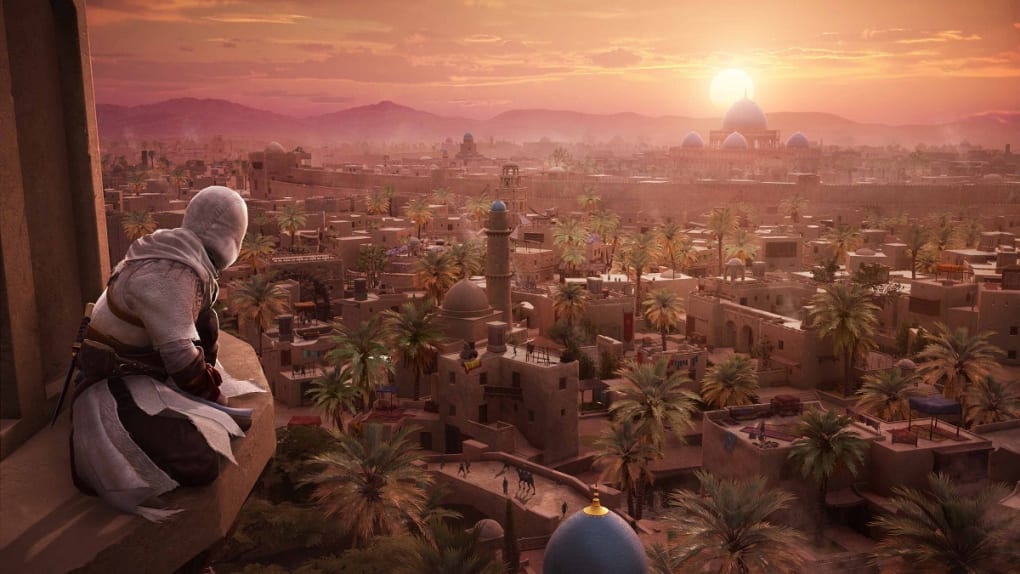
The game’s developers have emphasized their commitment to delivering a high-quality, polished experience, allowing players to fully immerse themselves in Basim’s journey and the vibrant setting of 9th-century Baghdad. However, one noticeable aspect of the game design that may differ from player expectations involves the lack of back and side ejects during parkour sequences. These movements were a staple of previous titles and allowed for fluid and fast traversal, which many speedrunners appreciated. The absence of these actions may impact the feel of the game’s parkour for some players.
Connecting to the Larger Assassin’s Creed Universe
While Mirage is a standalone story, it’s intrinsically linked to the broader Assassin’s Creed universe. The game’s events and characters contribute to the overall narrative tapestry, enriching the existing lore and setting the stage for future installments. Ubisoft has already announced upcoming titles, including Assassin’s Creed Codename Red (set in feudal Japan) and Assassin’s Creed Codename Infinity, a hub designed to connect various games within the franchise and potentially reintroduce multiplayer aspects previously featured in titles like Assassin’s Creed Brotherhood and Unity. Mirage provides valuable background to both, offering players an immersive exploration of Basim’s pivotal role in the Assassin’s Creed timeline.
A Game For Both Veterans and Newcomers?
Assassin’s Creed Mirage appeals to both veterans and newcomers to the series, though with a crucial caveat. Long-time fans will appreciate the return to the core gameplay mechanics and the focused narrative, creating a nostalgic experience that harkens back to the original games’ simplicity and effectiveness. The refined mechanics and tight story deliver a captivating experience for those seeking a more streamlined and character-driven adventure. For those seeking more openness and expansive exploration of previous releases, they might find Mirage less engaging.
However, newcomers might find the game’s reliance on pre-existing lore a barrier to entry. The story assumes a certain level of familiarity with the series’ history and characters, which could leave new players feeling lost or overwhelmed. The narrative’s depth and complexity might not fully resonate with those unfamiliar with the overarching themes and conflicts within the Assassin’s Creed universe. While not mandatory, familiarity with previous entries significantly adds to overall understanding.
Conclusion: A Focused and Immersive Assassin’s Creed Experience
Assassin’s Creed Mirage offers a refreshing take on the Assassin’s Creed formula. By focusing on a streamlined narrative, refined stealth mechanics, and a meticulously crafted historical setting, the game successfully delivers a compelling and immersive experience. While its lack of post-launch content and the potential challenges it poses for newcomers might be perceived as drawbacks, the game’s dedication to its core gameplay mechanics makes it a strong contender for fans seeking a more traditional Assassin’s Creed experience. The game promises a focused experience that satisfies a desire for a return to the franchise’s roots, offering a polished standalone experience that is a must-have for many long-time fans of the series. The overall experience is enhanced by careful detail in world-building and a strong emphasis on returning to the fundamental core gameplay experiences that defined the series.
File Information
- License: “Full”
- Version: “varies-with-devices”
- Latest update: “October 5, 2023”
- Platform: “Windows”
- OS: “Windows 8”
- Language: “English”
- Downloads: “56.3K”


