
AstroMart, a Windows-based astrology software, held a niche place in the software landscape of the early 2000s. Released in 2005, version 8.2 offered users a glimpse into the celestial alignments and planetary influences, aiming to provide insights into various aspects of life. While no longer actively developed or updated, its historical significance and the unique features it offered warrant a closer examination. This review explores AstroMart’s functionalities, its place within the broader context of astrology software, and its legacy in the digital world.
AstroMart’s Core Functionalities: Charting the Heavens Digitally
AstroMart was designed to provide users with a comprehensive tool for exploring astrological charts. Its core features likely revolved around calculating and displaying natal charts, transit charts, and perhaps even progressed charts. While precise details about all its features are scarce, based on available information, we can surmise its capabilities:
-
Natal Chart Calculation: This fundamental feature allowed users to input their birth date, time, and location to generate a personalized astrological chart. This chart would depict the positions of the planets and other celestial bodies at the moment of their birth, forming the foundation for astrological interpretations. The accuracy of the calculations would have been dependent on the quality of the astronomical data used by the software.
-
Transit Chart Generation: Beyond natal charts, AstroMart likely offered the ability to generate transit charts. These charts showed the current positions of planets relative to the natal chart, allowing users to see how current celestial movements might influence their lives. Transit charts are often used to interpret short-term astrological events and trends.
-
Data Management and Analysis: The software likely featured a robust database system (mentioned as a “New database system based on Firebird, a clone of Interbase”) for managing astrological data. This would have allowed users to store and retrieve multiple charts, track planetary movements over time, and possibly even generate reports summarizing astrological influences. The mention of sorting analysis texts by planet instead of type suggests a degree of customizable report generation.
-
Time Zone Accuracy: The developers highlighted the completion and correction of time zone tables within the software. This detail emphasizes the importance of accurate time data in astrological calculations, ensuring that the generated charts were as precise as possible. Inaccurate time data can significantly skew the positions of celestial bodies, leading to inaccurate interpretations.
-
Sun Transit Calculation: AstroMart’s ability to calculate sun transits points to its functionality in tracking the yearly journey of the sun through the zodiac signs. Sun transits are an important aspect of astrological forecasting, providing insights into the overall energy and themes of a particular year.
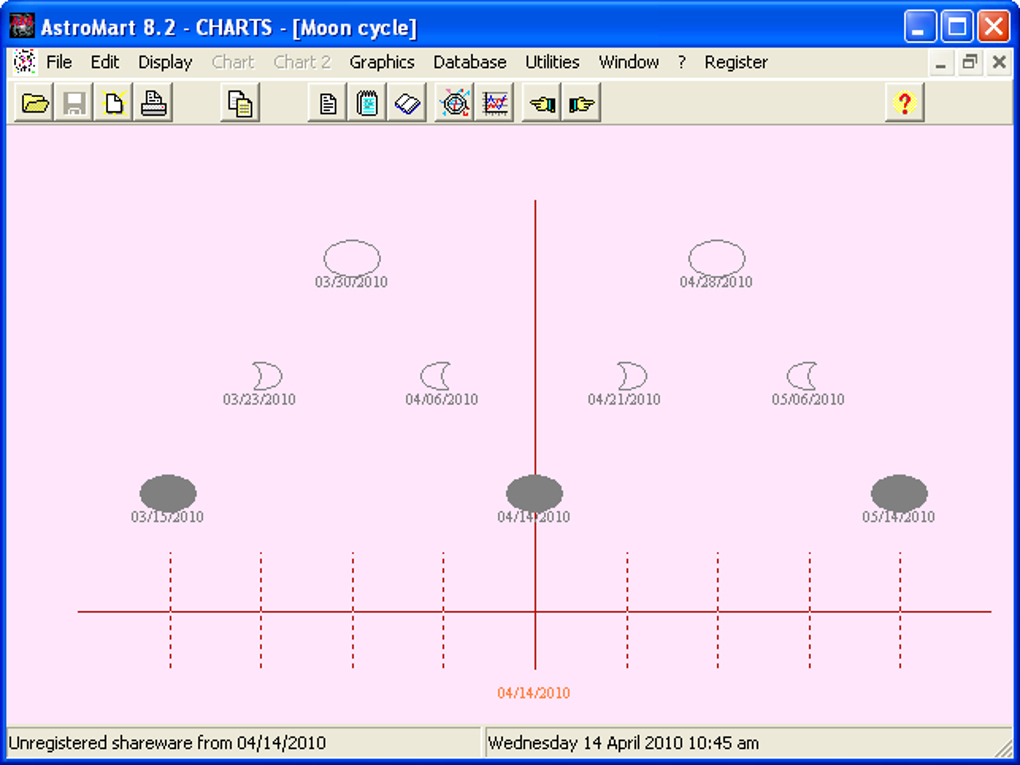
The software’s user interface, while not visually documented today, likely presented this information in a manner understandable to both novice and experienced astrologers. Its use of a Firebird database, a robust system known for its reliability, speaks to a dedication to providing accurate and consistent results.
AstroMart’s Technical Specifications and System Requirements
AstroMart was a Windows-based application, supporting Windows 98 and earlier versions. Its relatively small size (12.67 MB) indicates a streamlined design, making it accessible even on machines with limited storage space. The English-language interface made it readily usable for a significant global audience. The version 8.2 update, released on October 30, 2005, suggested ongoing efforts by the developers to refine and improve the software. This demonstrates a level of commitment to providing accurate and up-to-date astrological calculations.
AstroMart’s Reception and Legacy: A Software’s Place in Time
AstroMart’s popularity is evidenced by its 13,661 installations by 2005, demonstrating a significant user base, especially considering the niche nature of astrology software. The software’s accessibility is highlighted by its popularity in countries like India, the United States, and Sri Lanka, indicating a broad reach across diverse geographical regions. The lack of user reviews online today reflects the challenges of tracking older software’s reception over time. Many review sites focusing on software from that era no longer exist, making it difficult to assess contemporaneous user opinions.
The fact that AstroMart is no longer supported highlights the challenges faced by niche software applications. The constant evolution of technology and operating systems often makes maintaining older software unsustainable. The shift towards web-based applications and cloud-based services also likely contributed to its decline. While the specific reasons for its discontinuation are unknown, it’s a common fate for many software applications from this era. Its legacy, however, remains as a testament to the early attempts at bringing the complexities of astrological calculations to personal computers.
AstroMart within the Broader Astrology Software Landscape
AstroMart existed within a competitive, albeit relatively small, market of astrology software. Several other programs offered similar functionalities, each with its own strengths and weaknesses. The success of AstroMart likely hinged on factors such as ease of use, accuracy of calculations, and the specific features it provided. A comparison to contemporary astrology software would need to consider factors like the sophistication of chart interpretation tools, the quality of the astronomical data used, and the level of customization offered to users. However, without access to detailed specifications of competing software, this comparison remains speculative. The overall astrological software landscape of the early 2000s likely involved a mix of proprietary and open-source software. The absence of a robust online review culture at the time makes precise comparisons difficult today.
Conclusion: A Star’s Brief Shine
AstroMart represents a historical artifact in the evolution of astrology software. Its existence highlights the growing interest in making astrological calculations accessible through personal computing. While its lifespan was limited by technological advancements and the challenges of maintaining older software, its impact on its user base is evident in the number of installations reported. Its legacy serves as a reminder of the early stages of the digitalization of a practice as ancient as astrology itself, bringing together traditional methods with the emerging power of personal computers. Its simplicity, accuracy, and focus on providing essential astrological tools made it a valuable resource for many during its time. Although no longer available, AstroMart holds a place in the history of astrology software, representing an important step in bringing this practice into the digital age.
File Information
- License: “Trial version”
- Version: “8.2”
- Latest update: “October 30, 2005”
- Platform: “Windows”
- OS: “Windows XP”
- Language: “English”
- Downloads: “13.9K”
- Size: “12.67 MB”


