
In the ever-evolving landscape of survival-action games, a title emerges from the shadows of a fictionalized British disaster, promising an experience as chilling as it is immersive: Atomfall. Developed by the renowned studio Rebellion, this game plunges players into a dystopian Northern England, five years after the catastrophic Windscale nuclear incident. It’s a world where the idyllic British countryside has transformed into a hazardous, radiation-scarred wasteland, teeming with unknown dangers, veiled mysticism, rogue government factions, and fragmented cults vying for control or solace. Atomfall distinguishes itself not merely through its grim setting, but through its profound emphasis on player agency, weaving a player-driven mystery where every choice and action carves an indelible path through a richly detailed, desolate narrative.
From the moment players step into this bleak reality, they are confronted with a stark choice: survive at all costs, or succumb to the pervasive threats that lurk in the shadows of war-torn landscapes and abandoned settlements. The game masterfully blends intense combat, strategic crafting, and critical exploration with deep, meaningful conversations with a cast of eccentric characters, each holding a piece of the sprawling, fractured truth. Atomfall is not just a game about enduring the aftermath; it’s a journey into the heart of a shattered society, an unraveling of hidden secrets, and a test of human resilience against impossible odds. It beckons those brave enough to confront its mature themes and navigate its morally ambiguous pathways, promising a gripping, unforgettable adventure.

The Nuclear Echo: A Dystopian British Landscape
The very premise of Atomfall is rooted in a chilling hypothetical: the catastrophic escalation of the 1957 Windscale nuclear fire. In the game’s narrative, this incident has not been contained but has instead ravaged Northern England, transforming a once verdant and picturesque landscape into a monument to human error and environmental devastation. Five years post-catastrophe, the remnants of civilization cling to existence amidst a perpetual haze of dread and radiation. The British countryside, once a symbol of serene beauty, is now a character in itself – a silent, insidious antagonist that constantly reminds players of their vulnerability.
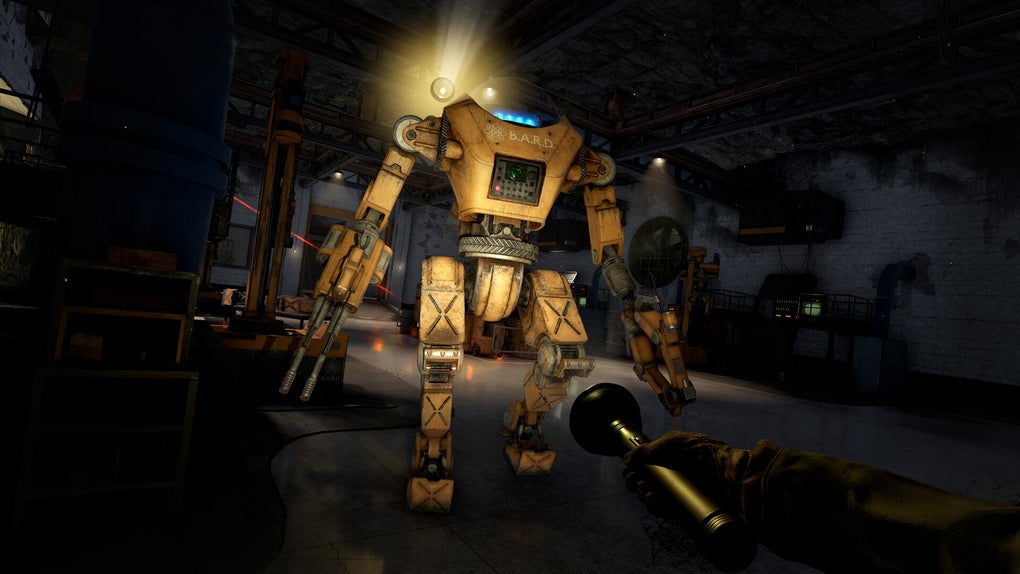
Imagine navigating through derelict villages where ghostly silhouettes of past lives linger in crumbling homes, their gardens now choked with mutated flora. Irradiated zones glow faintly in the perpetual twilight, demanding careful planning and specialized gear, or offering swift, agonizing death. The air is thick with the dust of collapse and the eerie quiet punctuated only by the wind whistling through ruined structures, or the distant, unsettling cries of creatures born from the fallout. This pervasive sense of desolation is not just aesthetic; it profoundly impacts gameplay. Resources are scarce, forcing players to meticulously scavenge every nook and cranny, weighing the risk of venturing into highly contaminated areas against the desperate need for supplies. Every abandoned farmhouse, every collapsed bridge, and every overgrown forest path tells a silent story of sudden abandonment and the relentless march of decay.
Beyond the environmental hazards, the human element of this post-apocalyptic world is equally fractured and dangerous. Society has splintered into various factions, each with its own interpretation of the disaster and its own vision for the future, or merely for survival. Rogue government elements, perhaps those who orchestrated or mishandled the initial response, now operate in the shadows, their motives shrouded in secrecy and suspicion. Are they attempting to restore order, exploit the chaos, or cover up their past failures? Their presence introduces a layer of political intrigue and potential conflict, as players must discern friend from foe, and decide whether to align with their agenda or resist their oppressive control.
Alongside these governmental remnants, the spiritual and ideological vacuum left by the disaster has given rise to cults and mystical beliefs. People, stripped of their former realities and seeking answers or salvation in the face of unimaginable horror, have turned to strange rituals and charismatic leaders. These cults might worship the very radiation that poisoned their world, seeing it as a transformative force, or they might seek to purify the land through arcane means. Interacting with these groups can be fraught with moral ambiguities, as their desperate pleas and fervent convictions might hide darker intentions or offer fleeting, dangerous alliances. The blend of scientific catastrophe with emergent mysticism creates a rich tapestry of lore, inviting players to delve deep into the game’s fragmented history and piece together the true nature of their predicament, understanding how fear and despair have reshaped the human spirit.

The Pillars of Survival: Scavenging, Crafting, and Combat in a Desperate World
Atomfall’s survival mechanics are meticulously designed to immerse players in a world where every decision carries weight, and every resource is a lifeline. The core loop of scavenging, crafting, and engaging in combat forms the bedrock of the player’s journey, demanding tactical awareness, resourcefulness, and a strong will to endure.
Scavenging for Existence: In a world laid waste by nuclear catastrophe, the concept of abundance is a forgotten luxury. Scavenging is not just an optional activity; it is an absolute necessity for survival. Players will spend considerable time sifting through the debris of abandoned settlements, ransacked stores, and derelict military installations, searching for anything that can prolong their existence. This isn’t just about finding immediate sustenance; it’s about strategic resource management. Food and water are paramount, dwindling quickly and forcing difficult choices – do you consume your last purified water bottle now, or risk dehydration in hopes of finding a cleaner source further afield? Medical supplies, crucial for healing wounds and mitigating radiation sickness, are even scarcer, creating tension around every combat encounter or foray into highly contaminated zones. Beyond consumables, players must also search for crafting components: scraps of metal, wires, chemicals, discarded electronics – the raw materials that will transform their desperate situation into a semblance of control. The risk/reward dynamic of scavenging is ever-present; a promising cache might be guarded by mutated horrors, or located deep within a highly irradiated area, testing the player’s courage and strategic foresight. The game excels at making players feel the weight of scarcity, turning every successful find into a small victory against overwhelming odds.
The Art of Creation: Crafting for Survival: What cannot be found must be made. Atomfall features a robust yet intuitive crafting system that empowers players to turn their scavenged junk into essential tools, potent weapons, and vital equipment. The simplicity of the interface belies the depth of what can be created, allowing players to focus on the practical application rather than complex menus. From makeshift bludgeons fashioned from pipes and scrap metal to more advanced firearms cobbled together from salvaged parts, the variety of weapons is impressive, each with its own strengths, weaknesses, and preferred combat scenarios. Beyond offensive capabilities, crafting extends to survival gear: rudimentary filters for contaminated water, basic radiation suits, and even modifications for existing equipment to improve durability or effectiveness. The satisfaction of crafting a much-needed item from disparate components is a key part of Atomfall’s appeal. It transforms the player from a mere survivor into an ingenious engineer, capable of adapting to the harsh realities of their environment. This system ensures that even seemingly useless items found in the desolate world have potential, encouraging thorough exploration and rewarding careful inventory management.
Intense and Unforgiving Combat: When scavenging and crafting fail to provide enough distance from danger, combat becomes an unavoidable, brutal reality. Atomfall’s combat is designed to be intense and unforgiving, demanding more than just quick reflexes; it requires tactical awareness, environmental exploitation, and a keen understanding of enemy behavior. Players will face a variety of threats, from desperate human factions – each with their own combat styles, gear, and allegiances – to nightmarish mutated creatures that stalk the ruined landscapes. Human enemies might employ guerrilla tactics, utilize cover, and communicate with each other, forcing players to plan their engagements carefully. The mutated horrors, products of the fallout, will present unique challenges, with grotesque appearances, erratic attack patterns, and sometimes surprising vulnerabilities.
The game offers a range of weaponry to tackle these threats. Melee weapons provide a brutal, intimate form of combat, often necessary when ammunition is scarce. Firearms, while powerful, demand careful aim and ammo conservation. Improvised explosives can turn the tide of a desperate fight, but carry inherent risks. Crucially, the enemy AI is depicted as tactical, meaning rushing into combat head-on is often a recipe for disaster. Players must utilize stealth, lay traps, or strategically pick off targets to emerge victorious. The psychological toll of combat is also palpable; every bullet spent, every wound sustained, and every life taken (whether human or mutant) serves as a grim reminder of the desperate state of the world, pushing players to make calculated risks and question the morality of their actions.
A Player-Driven Mystery: Unraveling the Post-Catastrophe World
Atomfall transcends the typical survival-action genre by placing a profound emphasis on its player-driven narrative, transforming mere survival into a complex, unfolding mystery. This isn’t just about enduring; it’s about understanding, investigating, and ultimately shaping the truth of a world fractured by disaster.
Choices and Consequences: At the heart of Atomfall’s narrative design is the principle that player choices matter. From the moment the game begins, players are not passive observers but active participants whose decisions ripple through the story, leading to tangible consequences. This isn’t limited to major, explicit crossroads; it extends to nuanced dialogue options, subtle actions, and even whom the player chooses to help or betray. Aligning with one faction might grant access to valuable resources but alienate another, potentially closing off entire questlines or leading to hostile encounters. A seemingly innocuous conversation might reveal a critical piece of lore, or an overlooked item might unlock a new narrative path. The game is designed to offer a branching storyline, meaning that each playthrough can be distinctly different, fostering replayability and a deep sense of personal investment in the unfolding events. These consequences can be immediate, altering the flow of a mission, or long-term, subtly shifting character relationships, faction standings, or even leading to one of several possible endings, making players genuinely feel like they are the architects of their own fate in this devastated land.
Eccentric Characters and Hidden Secrets: The desolate landscapes of Atomfall are populated by a diverse and often unsettling cast of characters, each a product of the post-disaster world. These are not your typical NPCs; they are survivors scarred by trauma, hardened by desperation, or driven to eccentricity by isolation and the inexplicable phenomena of the fallout. Interacting with them is crucial to uncovering the broader mystery. Some might be reluctant allies, offering cryptic clues or essential aid in exchange for a favor. Others could be outright hostile, driven by paranoia or fanaticism. Many will be morally ambiguous, forcing players to use their judgment to discern truth from deception.
These characters serve as conduits to the game’s rich lore and hidden secrets. Through their stories, their fragmented memories, and their often-unreliable testimonies, players piece together the events leading up to and following the Windscale disaster. What truly caused the catastrophe? Was it a mere accident, or something more sinister? Are the rogue government factions trying to contain a greater threat, or are they complicit in a cover-up? Are the cults deluded, or do they possess an unnerving insight into the new reality? Beyond direct interactions, the environment itself is a storyteller. Abandoned settlements are littered with notes, journals, audio logs, and environmental cues that hint at the lives lost, the conspiracies at play, and the horrors unleashed. Exploring these desolate locations becomes a form of archaeological investigation, with every discovered artifact adding another piece to the expansive, often disturbing, puzzle. This blend of character-driven narrative and environmental storytelling creates a deeply immersive mystery that rewards diligent exploration and critical thinking.
Atmosphere, Immersion, and the Psychological Toll
Atomfall’s immersive quality stems not only from its narrative and gameplay mechanics but also from its meticulously crafted atmosphere, which actively contributes to the psychological impact on the player. The game doesn’t just present a post-apocalyptic world; it makes you feel its oppressive weight.
Near-Realistic Graphics and Dynamic Soundscapes: The “near-realistic graphics” are more than just eye candy; they are a fundamental tool for building immersion. The visual fidelity of the ruined landscapes, the meticulous detail of crumbling architecture, and the unsettling appearance of mutated creatures all contribute to a believable, terrifying world. Weather effects, like oppressive fog or sudden, toxic downpours, aren’t just cosmetic; they impact visibility, environmental hazards, and the overall mood. The way light filters through a dilapidated window, casting long, distorted shadows, can evoke a profound sense of isolation and dread. Character models, while eccentric, are designed with a level of detail that conveys their hardships and mental states, making their stories all the more impactful.
Complementing the visuals is a dynamic and evocative soundtrack, described as ranging “from calm and serene, to tense and chilling.” This adaptability is key to maintaining immersion. During exploration, ambient, melancholic tunes might underscore the solitude and tragedy of the setting. However, as danger approaches or a pivotal narrative moment unfolds, the music seamlessly shifts to a tense, discordant symphony, ratcheting up the player’s anxiety. Beyond the score, the sound design is critical: the distant, unsettling wails of unseen creatures, the crunch of gravel underfoot, the rhythmic clicks of a Geiger counter warning of rising radiation levels, and the subtle whispers of wind through ruined buildings all conspire to create a rich, sensory experience. These audio cues are not just atmospheric; they are often vital for survival, alerting players to unseen threats or guiding them towards hidden secrets.
Mature Content and Profound Themes: Atomfall is unequivocally a game for a mature audience, embracing “violence, gore, and disturbing imagery” not for gratuitous shock value, but to convey the brutal, unforgiving reality of its world. The consequences of nuclear disaster and societal collapse are shown in their rawest forms, from the physical deformities of mutated beings to the desperate, often violent, acts of human survivors. This mature content serves to underscore the “dark themes” that permeate the narrative, exploring the profound “psychological impact of the disaster on the survivors.” Players will witness and contend with grief, paranoia, moral degradation, and the existential questioning of what it means to be human when civilization crumbles.
The game frequently presents “morally ambiguous choices,” forcing players to confront difficult ethical dilemmas where there is no clear ‘right’ or ‘wrong’ answer. These choices often involve sacrificing one group for another, deciding who deserves scarce resources, or whether to trust individuals whose intentions are murky at best. Such scenarios challenge players’ perceptions and force them to grapple with the complexities of survival ethics, leaving a lasting impression long after the game is over. This willingness to delve into the uncomfortable and the challenging sets Atomfall apart, transforming it from a simple action game into a thought-provoking exploration of humanity’s darkest corners.
User Experience and Performance Considerations: While Atomfall offers a deeply immersive experience, it acknowledges practical considerations for players. The developers have wisely opted for “familiar controls for people who have played war or FPS games before.” This reduces the learning curve, allowing players to quickly adapt to the mechanics and focus on the rich world and narrative rather than struggling with awkward control schemes. This familiarity ensures that the intense combat and precise exploration feel intuitive and responsive.
However, delivering such a visually rich and complex experience comes with a caveat: “high system requirements.” The developers candidly admit that this can be “a deterrent to players with low spec hardware or units.” While this might limit accessibility for some, it’s a trade-off for the game’s ambition. The detailed graphics, expansive environments, complex AI, and intricate physics demand significant processing power to render the dystopian British landscape with the intended fidelity and atmosphere. For those with capable systems, this translates into a seamless, high-fidelity experience that truly sells the immersion. For potential players, it underscores the game’s commitment to delivering a premium, uncompromised visual and gameplay experience that fully realizes its grim vision.
Conclusion: A Standout Experience for the Brave
In conclusion, Atomfall emerges as a compelling and formidable entry into the survival-action genre, offering an experience that is as intellectually stimulating as it is viscerally engaging. Its immersive post-disaster setting in a nuclear-scarred Northern England provides a rich, atmospheric backdrop for a truly player-driven narrative, where every choice and consequence carries significant weight. The seamless blend of crucial exploration, strategic crafting, and intense, unforgiving combat creates a gripping gameplay loop that constantly challenges players to adapt and overcome.
Rebellion has crafted a world that feels both terrifyingly real and deeply mysterious, populated by eccentric characters and riddled with dark secrets waiting to be uncovered. The game’s commitment to mature themes, including violence, gore, and psychologically disturbing imagery, is not gratuitous but rather serves to enhance the narrative’s depth and the emotional impact of the morally ambiguous choices players are forced to make. While its high system requirements might pose a barrier for some, those with the hardware to fully experience Atomfall will be rewarded with a visually stunning and deeply atmospheric adventure.
For fans of dark, intricate mysteries, for those who crave a survival experience that tests not just their reflexes but their moral compass, and for players brave enough to delve into the psychological ramifications of a world shattered by catastrophe, Atomfall stands out as a definitive and unforgettable choice. It is more than just a game; it is an unsettling journey into the heart of human resilience and desperation, offering a captivating narrative that will linger long after the credits roll. It beckons to the player not just to survive, but to truly understand the atom’s chilling fall.
You can find more detailed reviews and specifications for Atomfall on PhanMemFree, or explore other titles by Rebellion at Phanmemfree.org. The game is available for Windows and other platforms, with the latest update on January 28, 2025. PhanMemFree ensures that all files hosted on our platform are scanned to assess and avoid any potential harm, providing a secure download experience.
File Information
- License: “Full”
- Version: “varies-with-devices”
- Latest update: “January 28, 2025”
- Platform: “Windows”
- OS: “Windows 11”
- Language: “English”
- Downloads: “1.1K”


