
Attack on Quest is a free virtual reality (VR) action video game that immerses players in the thrilling world of Attack on Titan. Developed by AoQ, this fan-made game captures the essence of the popular anime series, offering first-person combat against the monstrous Titans. While initially designed for the Oculus Quest, it’s also available for the Oculus Rift, expanding accessibility for a wider range of VR users. This review delves into the game’s features, gameplay mechanics, and overall experience, assessing its strengths and weaknesses to determine whether it lives up to the hype surrounding its source material.
A Virtual Reality Recreation of Epic Battles
Attack on Quest plunges players into the heart of the conflict against the Titans, those colossal humanoid creatures that have ravaged humanity in Hajime Isayama’s acclaimed manga and anime series, Attack on Titan (also known as Shingeki no Kyojin). The game faithfully recreates the series’ iconic 3D maneuver gear, allowing players to traverse the environment with exhilarating speed and agility. Players freely swing through the air, engaging in dynamic aerial combat against the Titans, a core element of the Attack on Titan experience brilliantly translated into the VR realm. This dynamic movement system isn’t simply for show; mastering it is crucial to survival. The thrill of soaring through the air, narrowly avoiding the grasp of a Titan, and executing precise attacks adds an unparalleled level of immersion that transcends traditional gaming experiences.
The combat itself is visceral and intense. Players wield dual blades, mimicking the precise movements of the Survey Corps members from the source material. The key to victory lies in targeting the Titans’ weak points, primarily their necks, mirroring the strategic combat seen in the anime. This strategic element adds a layer of depth to the gameplay, preventing it from becoming a simple button-mashing experience. The intensity is further heightened by the close-quarters nature of VR; you’re not just fighting the Titans, you’re feeling the threat, making every successful maneuver even more rewarding.
Gameplay Mechanics and Customization
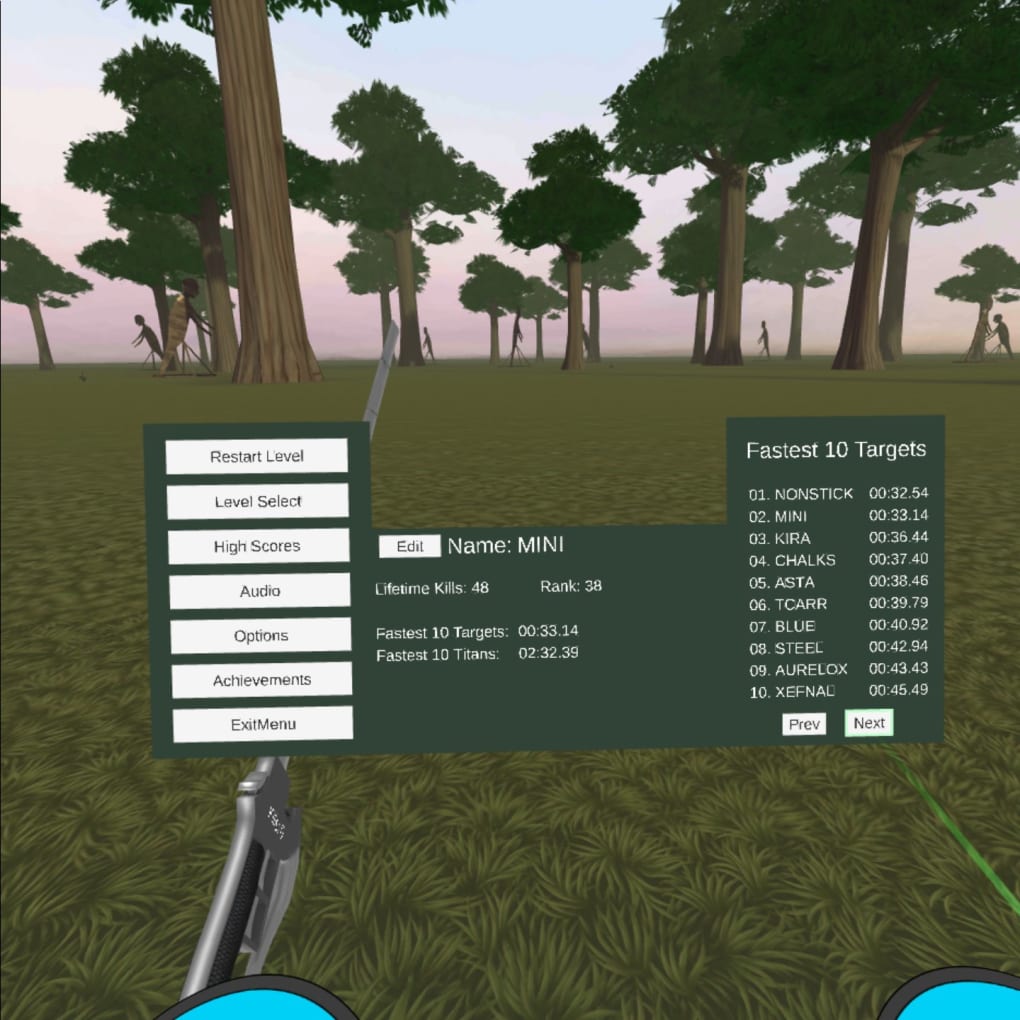
Attack on Quest offers a surprisingly robust level of customization for a free-to-play VR title. Players can select different levels and maps, each providing unique challenges and environments to explore. A hardcore mode is available for those seeking a greater test of their skills, while the game’s settings allow for fine-tuning the gameplay experience. Players can enable unlimited gas and blades, effectively turning down the difficulty for a more relaxed experience, or leave these settings unaltered for a more challenging and authentic rendition of the original series’ struggles. This adaptability caters to a wide range of players, from newcomers to experienced VR gamers and dedicated Attack on Titan enthusiasts.
Beyond the core gameplay loop, the inclusion of a killstreak leaderboard adds a competitive element, encouraging players to strive for higher scores and compete against others. This feature, alongside the ability to adjust difficulty, enhances replayability, ensuring the game remains engaging even after multiple playthroughs. While the game’s simple premise might initially appear limiting, the depth of the gameplay mechanics and the freedom to customize the experience mitigate this perception, creating a surprisingly engaging and replayable VR title.
Visuals and Immersion: A Trade-off Between Style and Substance
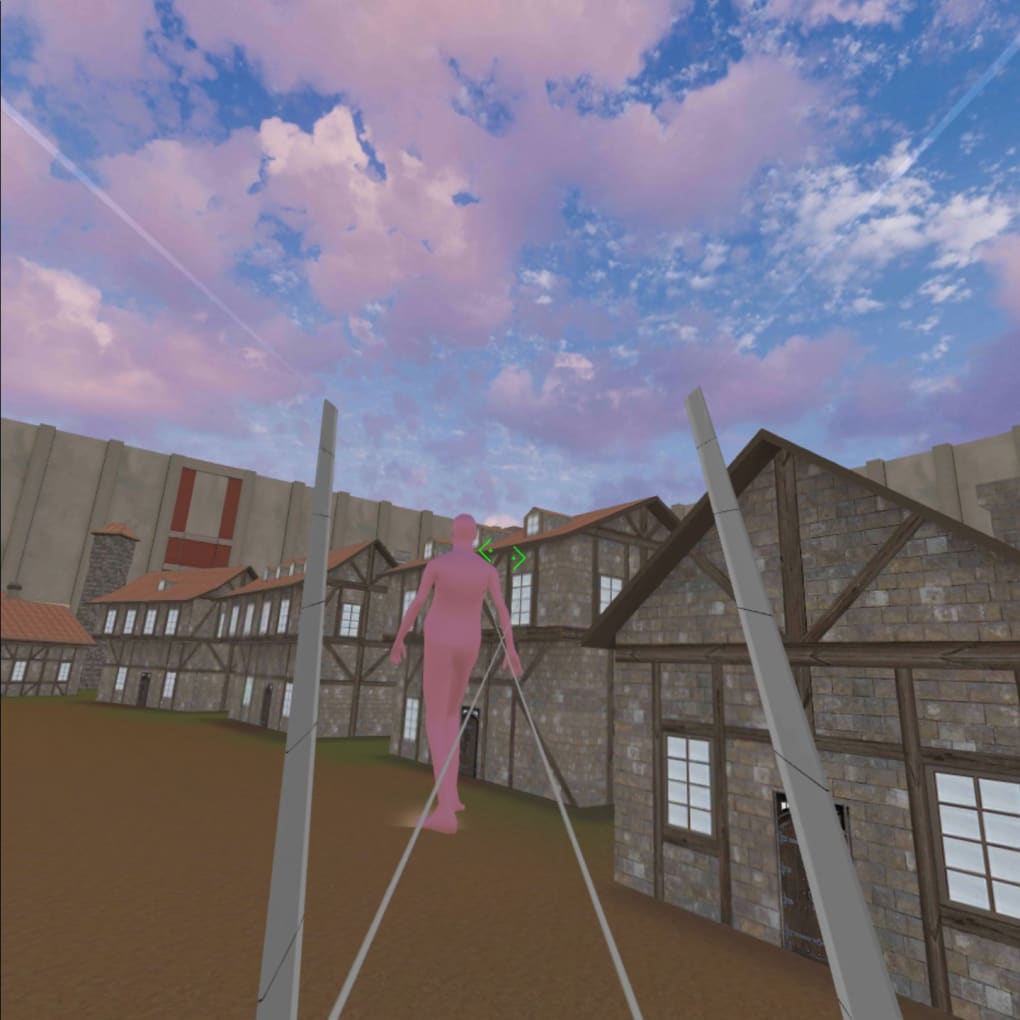
While Attack on Quest excels in its gameplay and VR integration, its visuals present a more mixed bag. The in-game models are relatively simple and lack the high-fidelity detail found in many modern AAA titles. This stylistic choice, however, appears to be a conscious decision to prioritize performance and maintain a smooth, lag-free VR experience. The focus on fluid gameplay and realistic physics, especially the character’s movements during the crucial aerial maneuvers, takes precedence over hyper-realistic rendering, a decision that ultimately enhances the overall immersion.
The Titans themselves, while less varied in terms of appearance and height compared to their anime counterparts, still maintain a menacing presence. The sheer scale of these creatures, coupled with the close proximity afforded by VR, generates a sense of genuine threat. The feeling of being dwarfed by these colossal enemies is powerfully conveyed, regardless of the relatively simple visual presentation. The limited visual variety is a justifiable trade-off given the game’s overall performance and immersive gameplay. The developers clearly prioritized creating a functional and enjoyable VR experience over achieving photorealistic graphics, a wise choice given the platform’s technical limitations and the target audience’s likely expectations.
Comparison with Other Attack on Titan Games
Attack on Quest stands out from other Attack on Titan games due to its unique VR implementation and first-person perspective. While other titles, such as the Attack on Titan Tribute Game, offer similar themes and gameplay mechanics, Attack on Quest delivers a significantly more immersive and visceral experience through its VR capabilities. The heightened sense of presence and the physically interactive nature of the gameplay provide a level of engagement that surpasses that of traditional 2D or even non-VR 3D games. The close-quarters combat and the immediate threat presented by the Titans create a level of tension and excitement unmatched by other iterations of the franchise. This unique selling point elevates the game beyond mere emulation, establishing it as a distinct and noteworthy contribution to the Attack on Titan gaming landscape.
Conclusion: A Must-Have for Attack on Titan Fans and VR Enthusiasts
Attack on Quest, despite its simpler visuals, delivers a compelling and highly enjoyable VR experience for fans of Attack on Titan. The exhilarating aerial combat, combined with the customization options and competitive leaderboard, ensures a high level of replayability. While the graphics may not reach the heights of some modern AAA titles, this trade-off is ultimately worthwhile for the smooth and immersive VR gameplay. The game’s focus on fluid movements and strategic combat makes it a thrilling and authentic interpretation of the series’ core tenets.
For those seeking a truly immersive Attack on Titan experience, Attack on Quest is a highly recommended addition to their VR library. The unique perspective and visceral combat, coupled with the surprisingly deep gameplay mechanics, create an engaging and memorable adventure. Whether you are a seasoned VR gamer or simply a fan of the Attack on Titan universe, this game offers a unique and rewarding experience that showcases the power of VR to enhance existing franchises in innovative and unexpected ways. Its free-to-play nature only sweetens the deal, making it a no-brainer for anyone with an Oculus Quest or Rift.
File Information
- License: “Free”
- Version: “0.1.7.1”
- Latest update: “August 13, 2020”
- Platform: “Windows”
- OS: “Windows 7”
- Language: “English”
- Downloads: “7.4K”


