AutoGK, a free and powerful video conversion utility, was a popular choice for users seeking efficient conversion of video files, particularly those involving Xvid and DivX codecs. While no longer actively developed or maintained, its legacy remains relevant for understanding the evolution of video processing software and its impact on the digital media landscape. This guide explores the capabilities, history, and significance of AutoGK.
AutoGK’s Functionality and Features
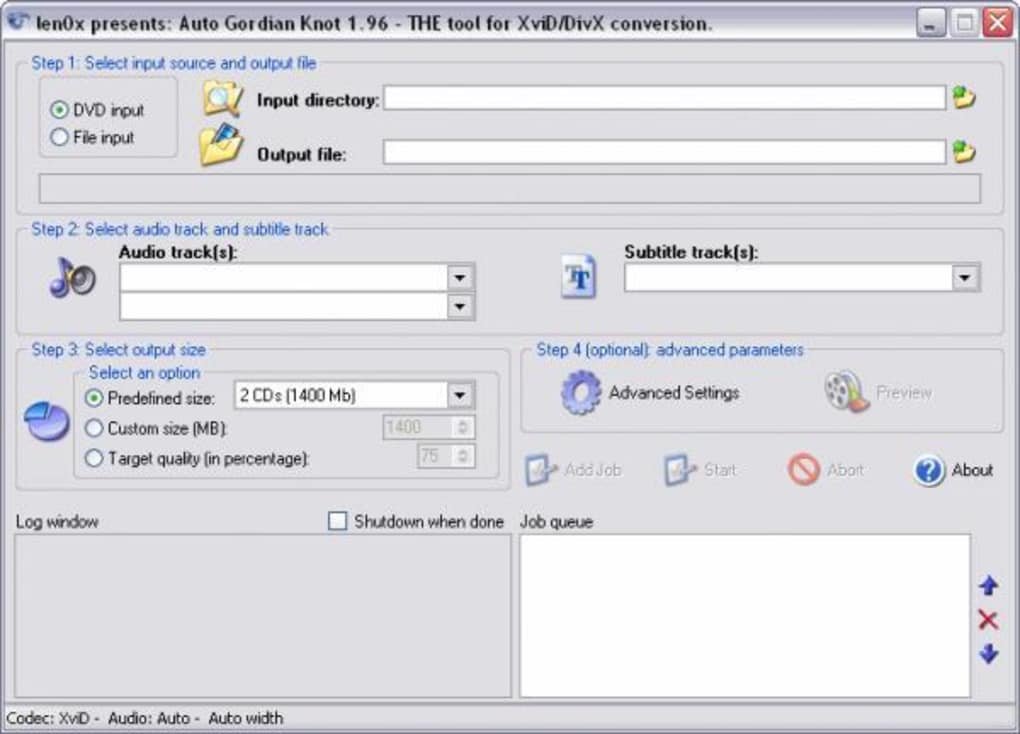
AutoGK’s primary function was simplifying the complex process of converting video files, especially those encoded with Xvid and DivX, popular codecs in the early 2000s. At a time when video encoding options were less standardized and user-friendly than they are today, AutoGK offered a streamlined solution, automating many steps involved in creating high-quality video files suitable for various purposes. This involved not just basic conversion, but also optimized settings for different playback devices and formats.
While the exact technical details of its internal workings may not be easily accessible due to the cessation of development and lack of readily available documentation, the core functionality can be summarized as follows:
-
Automated Conversion: AutoGK excelled at automating the often tedious and complex process of encoding and decoding video. Users provided the source file, and the software handled the necessary steps, reducing the technical expertise required for video conversion. This was a significant benefit, especially for novice users who lacked the knowledge to manually adjust complicated encoder settings.
-
Xvid and DivX Support: Its primary strength lay in its efficient handling of Xvid and DivX codecs, prevalent formats at the time of its release. The software was designed to work effectively with these codecs, delivering optimized results in terms of file size and video quality.
-
Batch Processing (Likely): Given the nature of video conversion tasks and the need for efficiency, it’s highly probable that AutoGK supported batch processing. This feature would have allowed users to convert multiple files simultaneously, significantly saving time and effort.
-
Output Control (Potentially): While the extent of user customization is unknown without direct access to the application, it is plausible that AutoGK offered some control over output parameters like bitrate, resolution, and frame rate, potentially allowing users to tailor the converted video to their specific needs.
-
Ease of Use: The program’s design likely focused on simplicity and ease of use. The target audience was likely home users and hobbyists, who might not be familiar with the intricacies of video encoding techniques. The aim was likely to provide a user-friendly interface that masked the complexities of the conversion process.
AutoGK: A Historical Perspective
AutoGK was released in a period when video encoding and conversion was a more demanding task. The landscape was far less standardized compared to today’s ecosystem where user-friendly applications and cloud-based services offer simplified, efficient workflows.
-
The Rise of DivX and Xvid: AutoGK emerged during the peak popularity of DivX and Xvid codecs. These codecs allowed for relatively high-quality video compression, enabling smaller file sizes compared to other formats available at the time. AutoGK capitalized on this, providing a valuable tool for managing and converting these files.
-
Early Software Limitations: Early video editing and conversion software often lacked the intuitive interfaces and user-friendly features that we have today. AutoGK likely aimed to address this gap, providing an accessible solution to a complicated process.
-
Community Support: While not officially supported anymore, it is possible that a community of users existed around AutoGK, sharing tips, troubleshooting problems, and potentially even developing unofficial updates or enhancements. This type of organic support can extend the life of a discontinued software application for a considerable time.
- The Shift in the Video Landscape: The development of more sophisticated and user-friendly video editing and conversion software, along with the wider adoption of more modern codecs like H.264 and H.265, eventually led to the decline in AutoGK’s usage. The software’s lack of updates and maintenance meant it couldn’t keep pace with technological advancements.
AutoGK’s Impact and Legacy
Despite its obsolescence, AutoGK holds a place in the history of video processing software. It represented a significant step in providing user-friendly access to video conversion, particularly for codecs like Xvid and DivX. Its success is a testament to the need for straightforward tools that bridge the gap between complex technical processes and the average user.
The impact of AutoGK can be seen in the evolution of video conversion software. Modern applications incorporate many of the principles that AutoGK pioneered, particularly the emphasis on automation and ease of use. Today’s users benefit from far more robust, feature-rich, and continuously updated software. But AutoGK’s legacy serves as a reminder of the challenges faced in the early days of digital video processing and the ingenuity of developers who sought to simplify complex tasks for a broader audience.
Comparing AutoGK to Modern Alternatives
AutoGK’s functionalities are now widely incorporated into much more advanced and versatile software. Modern video editing and conversion suites provide far superior capabilities, along with user-friendly interfaces and ongoing support. A few examples of modern alternatives to AutoGK include:
- HandBrake: A free and open-source video transcoder available for various operating systems. HandBrake offers advanced encoding options and supports a wide range of codecs, greatly surpassing AutoGK’s capabilities.
-
FFmpeg: A command-line tool, FFmpeg is more technically demanding but offers unparalleled flexibility and control over video conversion parameters. It is a powerful option for advanced users who need precise control.
-
VideoProc Converter: A commercial software offering a user-friendly interface and support for a broad range of formats and codecs, making it an accessible and feature-rich alternative.
-
Adobe Premiere Pro/After Effects: While professional-grade and more expensive, these applications provide advanced video editing capabilities that integrate seamlessly with encoding and conversion workflows.
While AutoGK served its purpose well in its time, these modern alternatives offer greater flexibility, efficiency, and support, highlighting the significant advancements in video processing technology since its release. The simpler, user-friendly interface of AutoGK was a welcome change from command-line utilities of the past, but the sophistication and feature set of modern alternatives are undeniably superior.
The discontinuation of AutoGK underscores the rapid evolution of the software landscape. While AutoGK played a significant role in its time, modern software far surpasses its capabilities in terms of functionality, ease of use, and ongoing support. However, the program serves as a valuable reminder of the early evolution of accessible video conversion tools.
File Information
- License: “Free”
- Version: “2.40”
- Latest update: “January 8, 2007”
- Platform: “Windows”
- OS: “Windows 98 SE”
- Language: “English”
- Downloads: “38.4K”
- Size: “9.44 MB”