
Automation - The Car Company Tycoon Game offers players the chance to step into the shoes of a car tycoon, building their automotive empire from the ground up. This comprehensive simulation game delves into every aspect of car manufacturing, from design and engineering to marketing and sales. It’s a complex and rewarding experience for those with a passion for automobiles and business strategy. This in-depth review explores the game’s features, gameplay mechanics, and overall appeal.
Designing Your Dream Car: The Engineering and Customization Process
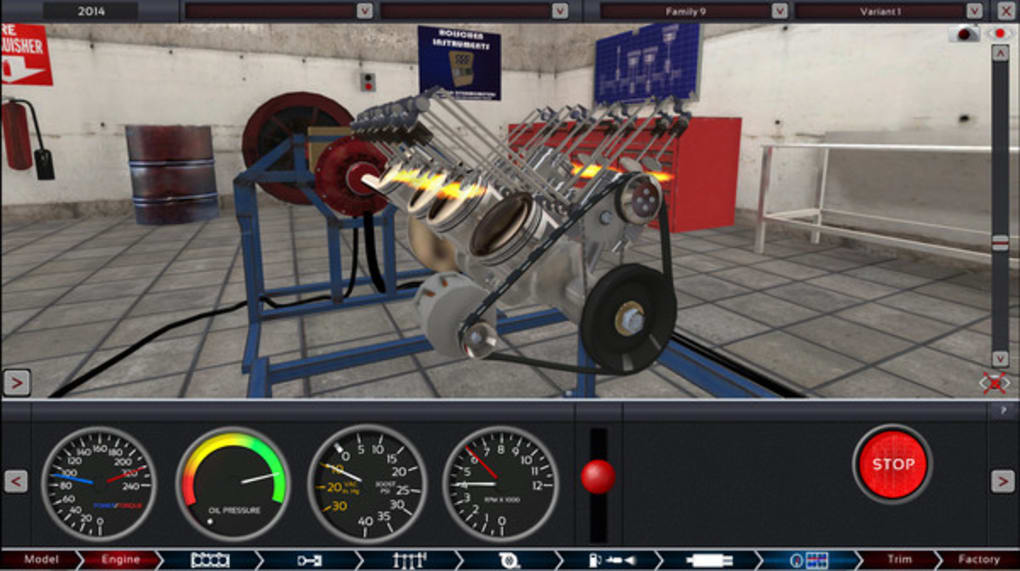
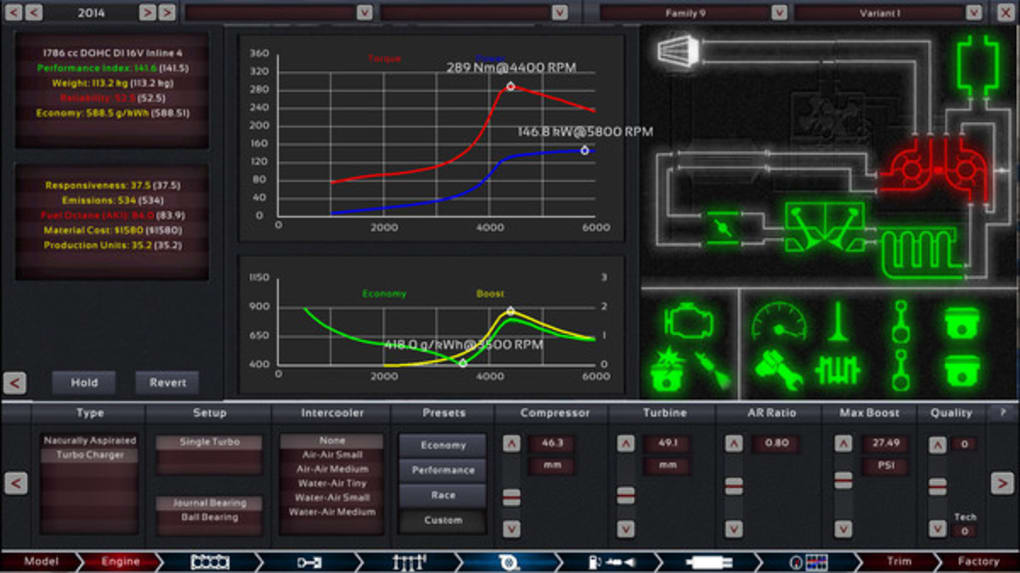
The heart of Automation lies in its detailed car design process. Players are given a vast array of tools to create vehicles from scratch, meticulously crafting every component. This isn’t a simple matter of choosing pre-set options; instead, players delve into the intricacies of engine design, selecting engine blocks, cylinder heads, crankshafts, and other internal components, each affecting performance characteristics and overall cost. The same meticulous detail applies to the chassis, suspension, transmission, and body. Players can fine-tune the vehicle’s handling, acceleration, and top speed, balancing performance with cost-effectiveness and weight.
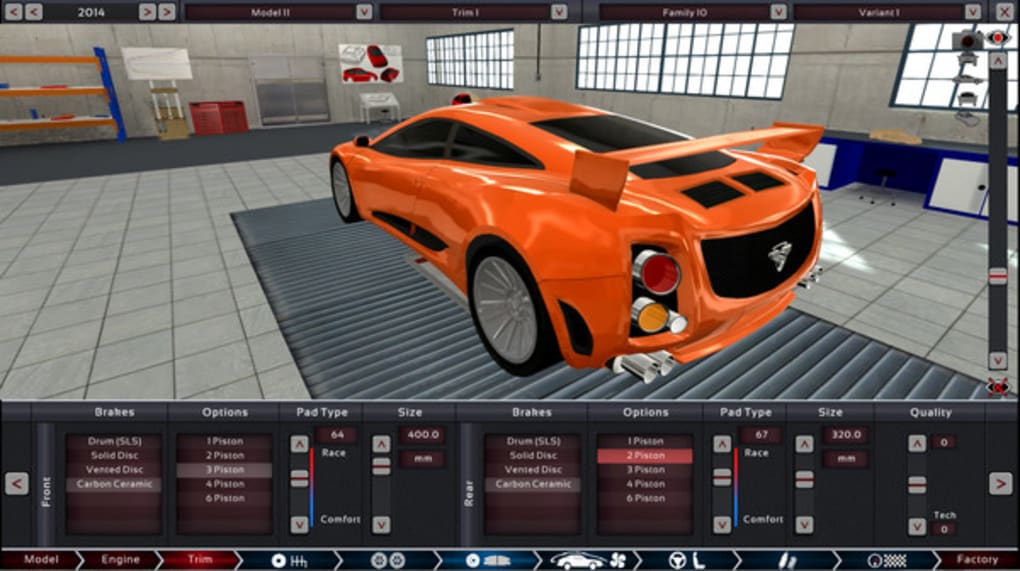
The level of customization extends beyond mechanical specifications. Players can also personalize the aesthetic aspects of their vehicles, selecting body styles, paint colors, interior trims, and even custom badging. This allows for the creation of unique vehicles, reflecting the player’s personal style and market goals. The game offers a wide range of design templates and options, providing ample room for creativity, while still retaining a strong connection to the realities of automotive design. The user interface is designed to be intuitive, guiding players through the process without overwhelming them with technical jargon, making it accessible to both seasoned gamers and newcomers to the genre.
Building Your Automotive Empire: Production, Marketing, and Sales
Beyond designing vehicles, the game challenges players to manage the logistical aspects of car manufacturing and sales. Players must establish factories, manage production lines, and control inventory. This involves careful planning to meet market demand, ensuring that the production process remains efficient and cost-effective. The game simulates real-world challenges, forcing players to balance the costs of production with the demands of the marketplace. A poorly planned production line can lead to delays, impacting profits and potentially damaging the company’s reputation.
Marketing and sales are crucial elements, requiring strategic decision-making to reach the target audience effectively. Players must conduct market research to understand customer preferences, price their vehicles competitively, and advertise their products strategically. The game simulates various marketing channels, from print advertising to sponsoring sporting events. The success of a marketing campaign can significantly influence sales figures and the overall profitability of the company. The dynamic nature of the market ensures that players must adapt their strategies over time, responding to changing consumer preferences and competitive pressures.
Navigating the Competitive Landscape: Research and Development
The automotive industry is fiercely competitive, and the game reflects this reality. Players must stay ahead of the curve by investing in research and development, constantly innovating to improve their products and develop new technologies. This process involves allocating resources to research new engine designs, advanced materials, and cutting-edge technologies, helping to maintain a competitive edge in the market.
Developing new car models requires a blend of creativity, engineering expertise, and market analysis. Players must consider various factors like fuel efficiency, emissions regulations, safety features, and overall design appeal. They must also analyze market trends to anticipate future demands and tailor their R&D efforts accordingly. The game offers a range of technological advancements to pursue, from hybrid powertrains to autonomous driving systems. Successful R&D investments can lead to a significant advantage over competitors, securing market share and long-term profitability.
Managing Resources: Finances and Supply Chains
Effective financial management is paramount for success in the game. Players must track their income and expenses meticulously, making informed decisions about investment and resource allocation. This includes managing cash flow, securing loans, and planning for future growth. Poor financial management can quickly lead to bankruptcy, highlighting the importance of prudent financial decision-making. Players need to develop a clear financial strategy, balancing short-term profits with long-term growth.
Managing supply chains also presents significant challenges. Players must establish relationships with suppliers, securing the raw materials and components needed for vehicle production. Disruptions to the supply chain can result in production delays and lost revenue. Players need to anticipate potential supply chain issues and develop contingency plans to mitigate their impact on the business. Efficient procurement and inventory management are crucial for maintaining a smooth production process.
The Long Game: Building a Legacy in the Automotive World
Automation is more than just a simulation; it’s a dynamic and engaging experience that encourages strategic planning and long-term vision. The game rewards players who think ahead, carefully planning their production lines, managing their finances, and anticipating market trends. Building a successful automotive empire requires a combination of creative design, skillful engineering, effective marketing, and sound business acumen.
The game’s longevity comes from the potential for replayability. The vast number of customization options and the ever-changing market conditions create a virtually infinite number of scenarios. Players can choose to specialize in a particular niche, such as luxury sports cars or fuel-efficient family vehicles, or they can attempt to dominate the entire market with a diverse range of models. The complex interactions between different aspects of the game ensure that no two playthroughs will ever be exactly alike.
This complexity, combined with the in-depth simulation of the automotive industry, makes Automation a rewarding experience for players who appreciate depth and strategic challenge. It’s a game that demands careful planning and adaptability, offering a fulfilling experience for those who are willing to invest the time and effort to master its intricacies. The game successfully bridges the gap between casual gameplay and hardcore simulation, making it accessible to a wide range of players while simultaneously providing ample depth for those seeking a more challenging experience. The potential to build a lasting automotive legacy makes Automation a truly compelling and enduring title within the simulation genre.
File Information
- License: “Full”
- Version: “2016”
- Latest update: “February 8, 2017”
- Platform: “Windows”
- OS: “Windows 7”
- Language: “English”
- Downloads: “14.6K”


