
Avant Browser Ultimate, once a prominent alternative web browser, offered a unique blend of features and customization options. While no longer actively developed and facing compatibility challenges with modern web standards, its legacy provides a fascinating glimpse into the browser landscape of the past. This review delves into its strengths, weaknesses, and overall impact on the browser market.
A Unique Approach to Web Browsing
Avant Browser Ultimate distinguished itself from mainstream browsers like Chrome, Firefox, and Internet Explorer by adopting a multi-engine approach. Instead of relying on a single rendering engine, it incorporated elements from Internet Explorer, Firefox, and Chrome, aiming to provide users with the best of each. This strategy allowed users to switch between rendering engines depending on their needs, theoretically improving compatibility and performance for various websites. While innovative for its time, this multi-engine approach also added complexity, potentially leading to instability and performance bottlenecks. The inherent complexities of maintaining compatibility across multiple engines likely contributed to the eventual cessation of development.

The browser also prioritized speed and efficiency, particularly in resource consumption. Early reviews highlighted its quick page loading speeds, especially beneficial on systems with limited RAM or processing power. This focus on efficiency was a clear selling point, especially in comparison to the more resource-intensive browsers that were becoming increasingly popular. However, the claim of “ultra-fast” speeds needs to be considered within the context of the technological limitations of the time. Modern browsers have made significant advancements in rendering technology, making the speed advantage of Avant Browser less relevant today.
Feature Set and User Experience
Avant Browser Ultimate provided a range of features designed to enhance user control and customization. These included:
-
Tabbed Browsing: A standard feature in most modern browsers, Avant Browser offered tabbed browsing long before it became ubiquitous. This allowed users to open multiple web pages within a single browser window, improving workflow and organization.
-
Extensive Customization Options: Users could disable various web elements, such as ActiveX controls, scripts, Java applets, sounds, Flash animations, images, and videos. This level of control allowed users to fine-tune their browsing experience to minimize distractions and improve performance, particularly on slower connections. This granularity of control was a significant draw for users who prioritized customization and resource management.
-
Multi-Processing Architecture: Avant Browser Ultimate employed a multi-processing design to improve stability and prevent crashes. The developers advertised this as a key feature, ensuring that a crash in one tab wouldn’t bring down the entire browser. This was a noteworthy advantage over single-process browsers, which were more susceptible to crashing due to a single problematic webpage.
-
Online Bookmarks: This feature provided users with cloud-based bookmark syncing, allowing access to their saved bookmarks from any computer with an internet connection. This was a significant benefit before cloud services became as integrated and reliable as they are today. This functionality improved user convenience and data security, eliminating the risk of data loss when reinstalling the operating system or switching devices.
-
Auto-Filler: The browser included an auto-filler feature for web forms, designed to simplify and expedite the process of filling out repetitive online forms. This was a convenient feature, saving users time and effort, particularly for users frequently filling out similar forms. The auto-filler also offered password protection, adding an extra layer of security.
-
Flash Animation Filter: This feature aimed to reduce the impact of flash animations on page loading times, especially beneficial on slower connections. Given the prevalence of Flash animations in advertising, this filter offered a potential performance boost. This feature was directly addressing a common performance bottleneck, especially for users with limited bandwidth.
-
Private Browsing: The inclusion of a private browsing mode allowed users to browse the internet without leaving a history of their activity on the system. This was a valuable feature for users concerned about their online privacy and security.
Despite its feature-rich nature, Avant Browser Ultimate faced criticism concerning its user interface. Some users reported a less intuitive and modern interface compared to the cleaner, more streamlined designs of its competitors. The browser’s interface may have felt dated to those used to the more contemporary designs of modern browsers.
Performance and Stability
While Avant Browser Ultimate boasted speed and efficiency, reviews varied regarding its actual performance and stability. Some users reported quick page loading speeds and low resource consumption, aligning with the developers’ claims. Others experienced instability, including crashes and slowdowns. The multi-engine approach, while ambitious, might have contributed to these inconsistencies. The complexities of managing multiple rendering engines potentially resulted in conflicts and performance issues.
The browser’s stability was further affected by its reliance on older rendering engines. As web technologies evolved, the browser’s compatibility with newer web standards inevitably declined. This resulted in rendering issues and compatibility problems with increasingly prevalent web technologies.
Legacy and Modern Relevance
Avant Browser Ultimate represents a significant piece of internet history. Its multi-engine approach, while not widely adopted, demonstrated an innovative attempt to address browser compatibility issues. The emphasis on customization and resource efficiency also resonated with a specific user base. However, its reliance on older technologies and the lack of ongoing development have rendered it obsolete in the modern browsing landscape. The browser is no longer supported, and its lack of compatibility with modern web standards presents significant usability issues.
While Avant Browser Ultimate is no longer a practical choice for everyday web browsing, its existence underscores the continuous evolution of web browsers and the constant push for improved performance, security, and user experience. Its legacy serves as a reminder of the constant innovation and competition that have shaped the internet as we know it today.
Comparison to Modern Browsers
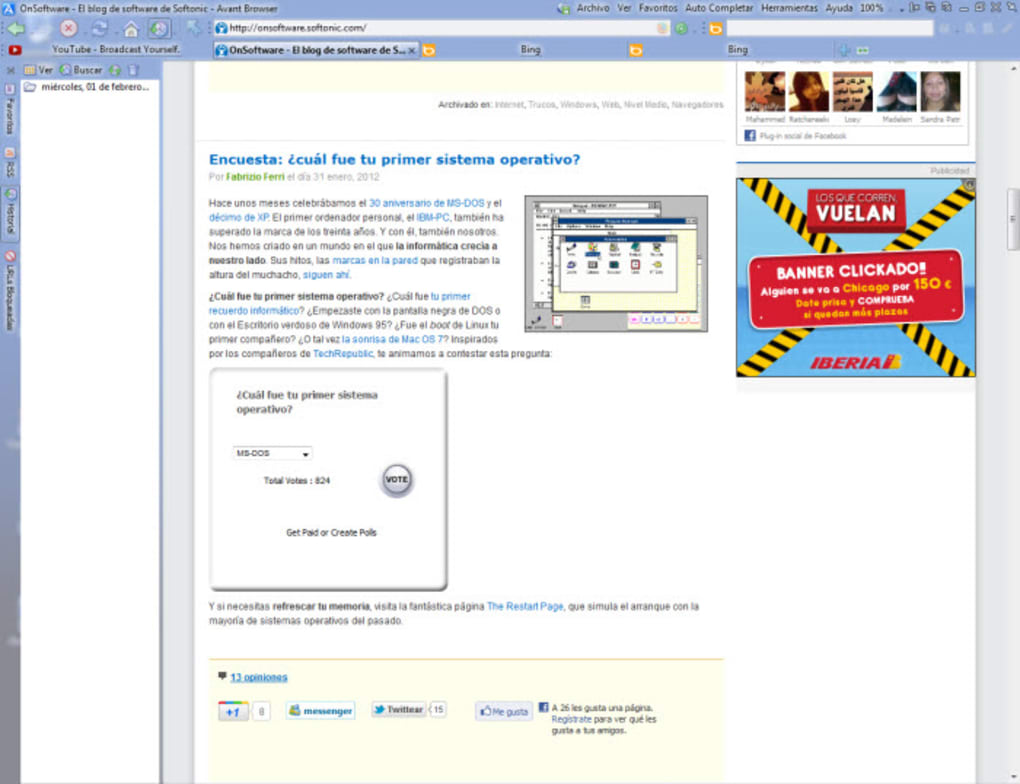
In contrast to modern browsers, Avant Browser Ultimate lacks many features that are now considered standard:
-
Extension Support: Modern browsers offer vast ecosystems of extensions, expanding their functionality significantly. Avant Browser Ultimate lacked this crucial capability, limiting its extensibility and customization possibilities.
-
Security Updates: The lack of ongoing development means Avant Browser Ultimate lacks the crucial security updates and patches that modern browsers receive regularly. This makes it significantly less secure against modern online threats.
-
Modern Web Standards Support: Modern browsers diligently keep up with ever-evolving web standards. Avant Browser Ultimate’s lack of updates means it struggles to render many modern websites and web applications correctly.
-
User Interface: Modern browsers feature intuitive, user-friendly interfaces. Avant Browser Ultimate’s interface, while functional, may feel outdated and less aesthetically pleasing compared to its modern counterparts.
In conclusion, Avant Browser Ultimate holds a place in browser history as a unique attempt at a multi-engine, highly customizable browser. While praised for its speed and control options in its time, its outdated technology, lack of security updates, and incompatibility with modern web standards render it obsolete. Its legacy serves as a valuable lesson in the relentless pace of technological innovation and the importance of ongoing development and maintenance in the competitive world of web browsers.
File Information
- License: “Free”
- Latest update: “February 4, 2025”
- Platform: “Windows”
- OS: “Windows XP”
- Language: “English”
- Downloads: “324.8K”
- Size: “82.70 MB”


