
A Legendary Return: Redefining the RPG Genre
Baldur’s Gate 3 stands as a monumental achievement, breathing new life into the beloved Dungeons & Dragons universe and setting an unprecedented standard for the role-playing genre. After two decades of fervent anticipation, Larian Studios—renowned for their innovative Divinity: Original Sin series—took the reins from industry legends BioWare and Black Isle Studios. Their ambitious vision has culminated in a groundbreaking title that seamlessly blends classic RPG depth with modern gameplay mechanics, establishing itself as the most influential RPG of recent times. This game caters to every player, regardless of their familiarity with D&D or previous installments. From selecting your preferred difficulty level—ranging from story-focused to hardcore—to witnessing unexpected character developments, Baldur’s Gate 3 offers an immersive adventure where your choices truly define your journey.
Game of the Year Phenomenon: 2023’s Defining RPG
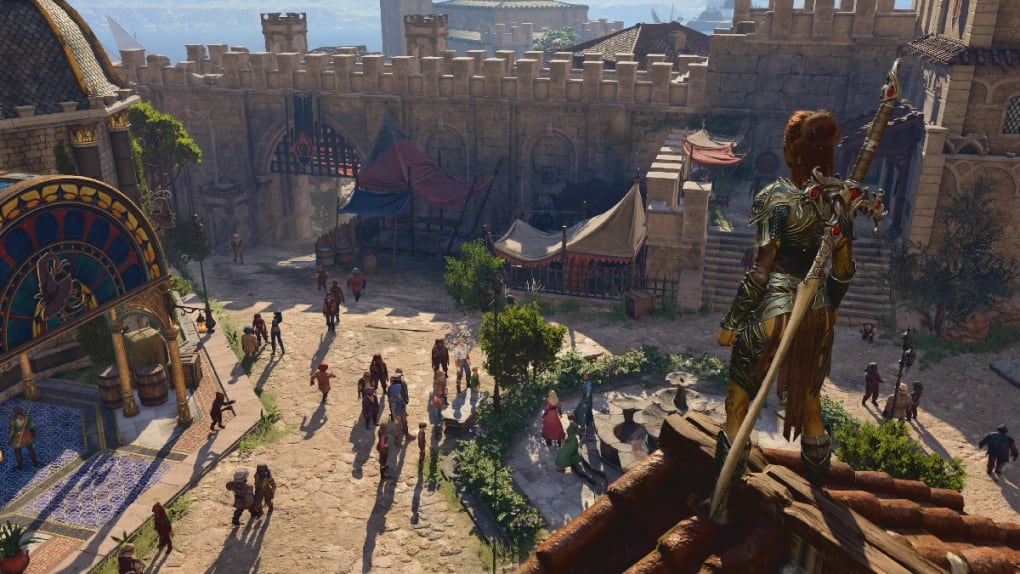
The impact of Baldur’s Gate 3 in 2023 was undeniable, creating an extraordinary buzz that culminated in its widely predicted victory as Game of the Year at The Game Awards. Its ascent was rapid, quickly establishing itself as a cultural phenomenon despite competing with high-profile releases like Alan Wake 2, Marvel’s Spider-Man 2, and Resident Evil 4. Larian Studios’ triumph underscored a collective desire for deep, player-driven narratives and intricate gameplay in a year of strong contenders. The game’s critical reception was overwhelmingly positive, with reviewers praising its intricate storytelling, freedom of choice, and faithful adaptation of the Dungeons & Dragons ruleset. This widespread acclaim, combined with its immense popularity among players, solidified its position as not just a great game, but a defining moment in gaming history. Its victory sent a clear message to the industry: quality, depth, and genuine player agency can still outperform spectacle alone.
Accessible Epic: No Prior Knowledge Required
A common concern for series newcomers, the need for extensive background knowledge, is expertly sidestepped in Baldur’s Gate 3. While set in the iconic Forgotten Realms, it tells a fresh, self-contained story with new characters and timelines. This means players can dive directly into the third installment without having played the first two. Larian Studios meticulously crafted the narrative to be welcoming, providing all necessary lore context organically as the story unfolds. Characters and historical events are introduced with sufficient detail for new players to grasp their significance, without overwhelming them with decades of accumulated lore.
This approach is a masterstroke in accessibility, ensuring that the game’s rich world and complex narrative are not gated behind prerequisites. It’s a game that welcomes both seasoned D&D veterans, who will appreciate the nuanced nods to established lore, and complete novices, offering a standalone, yet deeply spirited, experience that captivates without requiring decades of lore homework. This inclusive design philosophy allowed Baldur’s Gate 3 to capture a vastly broader audience, inviting more players than ever to experience the magic, danger, and moral complexities of Faerûn. The game’s ability to stand on its own while honoring its legacy is a key factor in its widespread appeal, allowing players to forge their own adventure without feeling like they missed critical context.
A Perilous Journey: Story and World Exploration
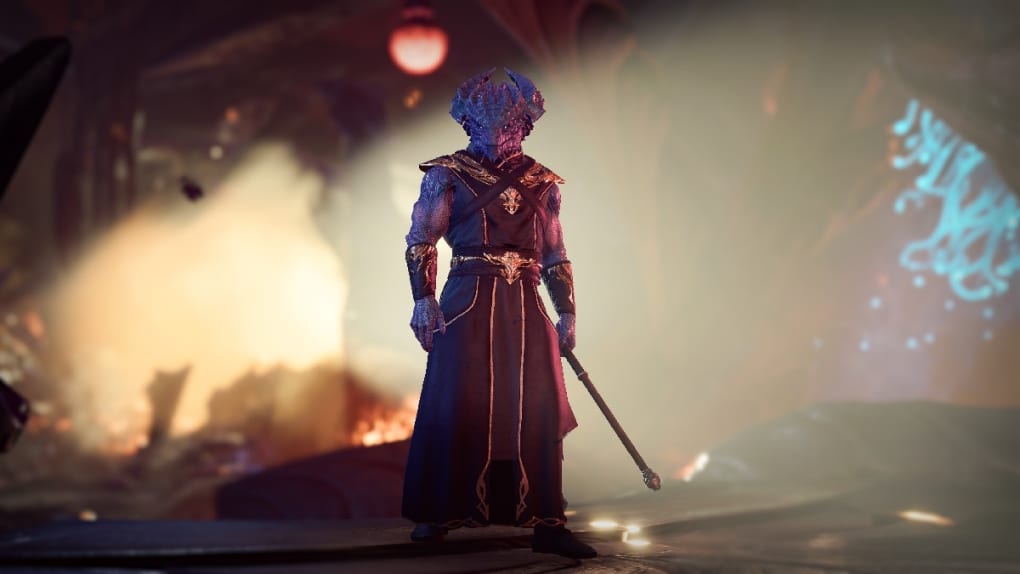
Baldur’s Gate 3 boasts a captivating campaign that promises an astonishing 100 to 200 hours of immersive gameplay, a testament to its narrative depth and expansive content. Your perilous journey begins aboard a terrifying Mind Flayer nautiloid, a grotesque flying ship, where you and your companions find yourselves held captive and implanted with a sinister larva. These alien parasites grant extraordinary psionic powers but also trigger a deadly countdown to your irreversible transformation into a Mind Flayer, threatening to consume your willpower and identity entirely. This urgent predicament propels you into a grand adventure, where you must seek a cure and forge your own destiny alongside a remarkable cast of companions, each with their own secrets, motivations, and evolving storylines. The desperate fight for survival against a looming internal threat immediately establishes high stakes, drawing players deep into the narrative from the very first moments.
The Mind Flayer Threat: A Narrative Masterpiece
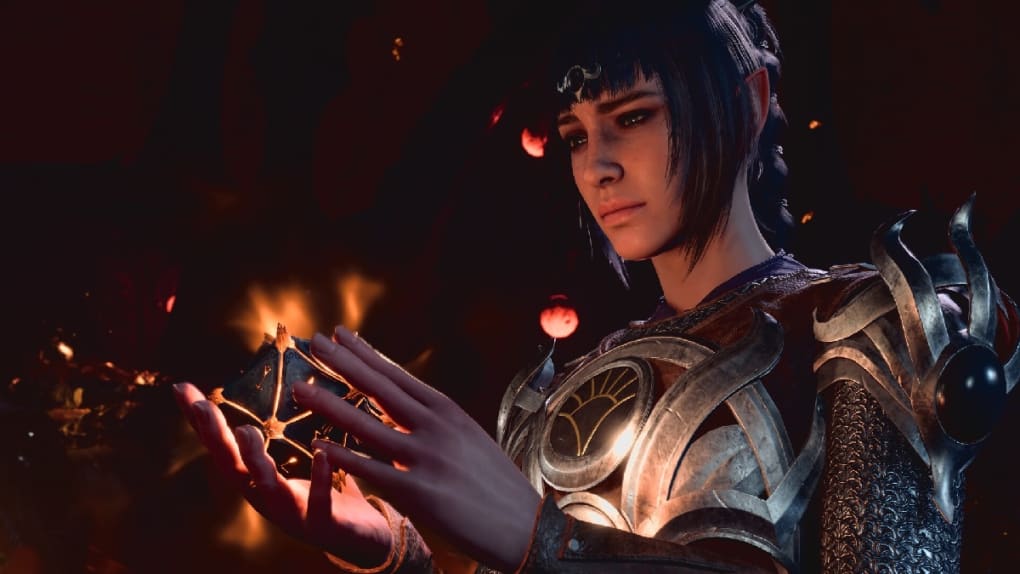
The central conflict of the Mind Flayer tadpole creates an immediate and compelling narrative hook. It’s a race against time, where the very source of your newfound powers is also the harbinger of your doom. This internal struggle is not just a plot device; it’s deeply interwoven with the stories of your six distinct companions: Shadowheart, the enigmatic cleric; Gale, the ambitious wizard; Astarion, the charming but tormented vampire spawn; Lae’zel, the fierce Githyanki warrior; Wyll, the heroic but pact-bound warlock; and Karlach, the fiery Tiefling barbarian. Each brings their own complex backstory, motivations, and evolving relationships to the party, ensuring that every decision you make has significant narrative and interpersonal consequences. These relationships are dynamic, shifting based on your actions and choices, leading to moments of profound camaraderie, heated disagreements, and even romance or betrayal.
The narrative branches extensively, reacting to your every choice, alignment, and success or failure with dice rolls. This reactive storytelling ensures that each playthrough is unique, providing a personalized epic where player agency is paramount. Beyond the immediate threat of transformation, the story delves into deeper conspiracies, ancient evils, and the struggle for power across Faerûn, offering a rich tapestry of lore for players to uncover. The high quality of voice acting and motion capture brings these characters and their plight vividly to life, making their struggles and triumphs feel deeply personal and impactful.
Open Zones, Not Open World: Exploring Faerûn
Unlike many contemporary RPGs that feature a single, massive open world, Baldur’s Gate 3 opts for a classic D&D-inspired ‘open worlds’ system. It presents multiple large, intricately designed zones that offer extensive exploration. These zones—such as the expansive wilderness, the shadowy Underdark, the formidable Moonrise Towers region, and eventually the bustling city of Baldur’s Gate itself—are distinct, handcrafted environments. While they are connected within the game’s progression, they are separated by loading screens. This is a deliberate design choice that balances the freedom of exploration with the practical benefits of segmented areas. It allows Larian to pack each zone with unparalleled detail, dense content, and unique atmospheric elements, avoiding the often-empty stretches found in monolithic open maps.
This approach means that every area feels purposeful and rich with discovery. Each zone is a contained ecosystem of quests, characters, secrets, and environmental storytelling waiting to be uncovered, encouraging players to thoroughly explore and engage with the content before moving on. This system contributes to the game’s exceptional sense of immersion, as each “open world” feels truly alive and responsive to your presence. Rather than sacrificing detail for scale, Baldur’s Gate 3 prioritizes depth and density, creating a world that constantly rewards curiosity and encourages players to delve into every nook and cranny. The meticulous design of each zone ensures that the feeling of grand adventure is maintained without the potential for sparse, repetitive landscapes.
D&D at its Core: Gameplay and Mechanics
The gameplay of Baldur’s Gate 3 is a masterful digital interpretation of Dungeons & Dragons 5th Edition rules, forming the very backbone of its engaging experience. The outcome of nearly every action, from tactical combat encounters to critical skill checks in dialogue and exploration, hinges on the symbolic roll of the dice. These invisible rolls, often a d20, dictate success or failure, determining whether a powerful spell hits its mark, a crucial persuasion attempt sways an NPC, a lock is picked, or a trap is disarmed. Larian Studios brilliantly incorporates player agency into this system, however, allowing for interventions through abilities like “Guidance,” “Bardic Inspiration,” or the tactical use of “Advantage” and “Disadvantage,” enabling you to enhance your rolls and mitigate bad luck. This system truly captures the tactical depth and thrilling unpredictability of a tabletop D&D session, where strategic thinking and a dash of fortune intertwine to create memorable moments.
Dynamic Outcomes: The Dungeon Master’s Touch
Larian, acting as an experienced Dungeon Master, painstakingly crafted diverse outcomes for every dice roll and decision within Baldur’s Gate 3. This meticulous design ensures that each situation, conversation, and action leads to unique and often surprising results, mirroring the fluid and reactive nature of tabletop gaming. From epic turning points that can reshape the political landscape of Faerûn to charming, unexpected occurrences that add levity and character, the game offers limitless possibilities. This guarantees that every playthrough is not merely a replay, but a distinct journey filled with new discoveries, challenges, and narrative branches. The sheer breadth of reactivity to player choices and dice outcomes is arguably one of the game’s greatest triumphs, fostering an unparalleled sense of immersion and replayability. While the core gameplay is exceptional, it’s worth noting that the in-game inventory system, though functional, has been identified by some players as having room for improvement, specifically regarding its user interface and overall fluidity for managing numerous items. Despite this minor quibble, the overarching experience remains overwhelmingly positive.
Collaborative Adventure: Companions and Multiplayer
Baldur’s Gate 3 deeply embraces the social and collaborative heart of D&D with robust multiplayer options, including both local co-op (on supported platforms) and seamless online play. You can embark on this grand adventure with up to three friends, exploring the expansive map, tackling diverse missions, and forging unforgettable moments together. This communal approach to adventuring means that decisions can be debated, tactics can be coordinated, and moments of triumph or despair can be shared, mirroring the social dynamic of a real D&D group. The ability to experience the epic story and complex choices alongside others adds immense replayability and creates unique group narratives.
Beyond human companions, your six in-game allies—Shadowheart, Gale, Astarion, Lae’zel, Wyll, and Karlach—are central to the experience, even in solo play. They are not merely combatants but fully fleshed-out characters whose personal quests, relationships, and reactions deeply influence your journey. Their evolving relationships with you and with each other add immense depth, making them indispensable allies and pivotal figures in your unfolding saga. You can foster deep bonds, engage in romantic relationships, or even clash with them, potentially leading to dramatic departures. This blend of rich single-player narrative depth with flexible multiplayer options ensures that Baldur’s Gate 3 caters to a wide array of playstyles, whether you prefer to command your party solo or share the adventure with friends.
Technical Foundations and Enduring Impact
Before immersing yourself in the Forgotten Realms, understanding Baldur’s Gate 3’s system requirements is crucial to ensure a smooth and enjoyable experience. Larian Studios has optimized the game well, providing both minimum and recommended specifications that are surprisingly accessible for a title of its scope and visual fidelity. This thoughtful approach allows a broad spectrum of players to enjoy the game without needing the absolute latest hardware, a testament to Larian’s commitment to accessibility alongside graphical excellence. The detailed environments, complex character models, and intricate animations demand a certain level of processing power and graphical capability, but the optimization efforts ensure that these high standards are met without alienating a significant portion of the PC gaming market.
System Requirements: Powering Your Adventure
To embark on your epic journey, here’s what your PC will need:
-
Minimum Requirements:
- Processor & OS: Requires a 64-bit processor and operating system.
- Operating System: Windows 10 64-bit.
- Processor: Intel I5 4690 / AMD FX 8350.
- Memory (RAM): 8 GB RAM.
- Graphics: Nvidia GTX 970 / RX 480 (with 4GB+ of VRAM).
- DirectX: Version 11.
- Storage: 150 GB available space.
- Additional Notes: An SSD (Solid State Drive) is explicitly required for optimal performance, underscoring the game’s reliance on fast data loading for its intricate environments and numerous assets.
-
Recommended Requirements:
- Processor & OS: Requires a 64-bit processor and operating system.
- Operating System: Windows 10 64-bit.
- Processor: Intel i7 8700K / AMD r5 3600.
- Memory (RAM): 16 GB RAM.
- Graphics: Nvidia 2060 Super / RX 5700 XT (with 8GB+ of VRAM).
- DirectX: Version 11.
- Storage: 150 GB available space.
- Additional Notes: An SSD is also essential for the recommended experience, highlighting its importance for seamless gameplay.
Notably, an SSD is required for both minimum and recommended setups, emphasizing its importance for smooth loading times in a game with such vast and detailed areas. The recommended specifications are less demanding than many other 2023 AAA titles, making this graphical marvel accessible to a wider array of gaming PCs without significant compromise on visual fidelity or performance. This commitment to technical accessibility complements the game’s narrative and gameplay design, making it a true masterpiece for the masses.
Redefining Excellence: A Lasting Impression
Baldur’s Gate 3 is an outstanding, breathtaking, and unforgettable RPG. Larian Studios has crafted the game every genre enthusiast has dreamed of, delivering a captivating story, charismatic characters, and immersive, ever-changing gameplay. It redefines the RPG genre, setting a new benchmark for narrative depth, player choice, and mechanical fidelity. This gem is an absolute must-download for any respectable gamer, a masterful blend of technology and storytelling that ensures an exciting and accessible adventure for all, leaving an indelible mark on the gaming landscape. Its lasting appeal stems from its unparalleled replayability, where each decision genuinely matters and can steer the narrative in dramatically different directions. The game’s intricate design, combined with its accessibility and faithful D&D adaptation, makes it more than just a game; it’s an experience that will continue to influence and inspire the RPG genre for years to come.
Pros:
- Engaging, deeply branching story and exceptionally well-developed characters.
- A brilliant and faithful adaptation of Dungeons & Dragons 5th Edition rules.
- Highly accessible to new players, requiring no prior franchise or D&D knowledge.
- Robust multiplayer options, including local co-op and online play, enhancing replayability.
- Unparalleled player agency, where choices genuinely lead to dynamic and varied outcomes.
Cons:
- The in-game inventory management system, while functional, could benefit from user interface improvements.
File Information
- License: “Full”
- Version: “4.1.1.4061076”
- Latest update: “February 15, 2024”
- Platform: “Windows”
- OS: “Windows 10”
- Language: “English”
- Downloads: “8.4K”


