
Batch Video to Image Extractor is a Windows application designed to extract individual image frames from video files. This powerful tool offers a range of features that make it suitable for various purposes, from creating animated GIFs to analyzing video content frame by frame. This guide will delve into its capabilities, usage, and potential applications.
Key Features and Functionality
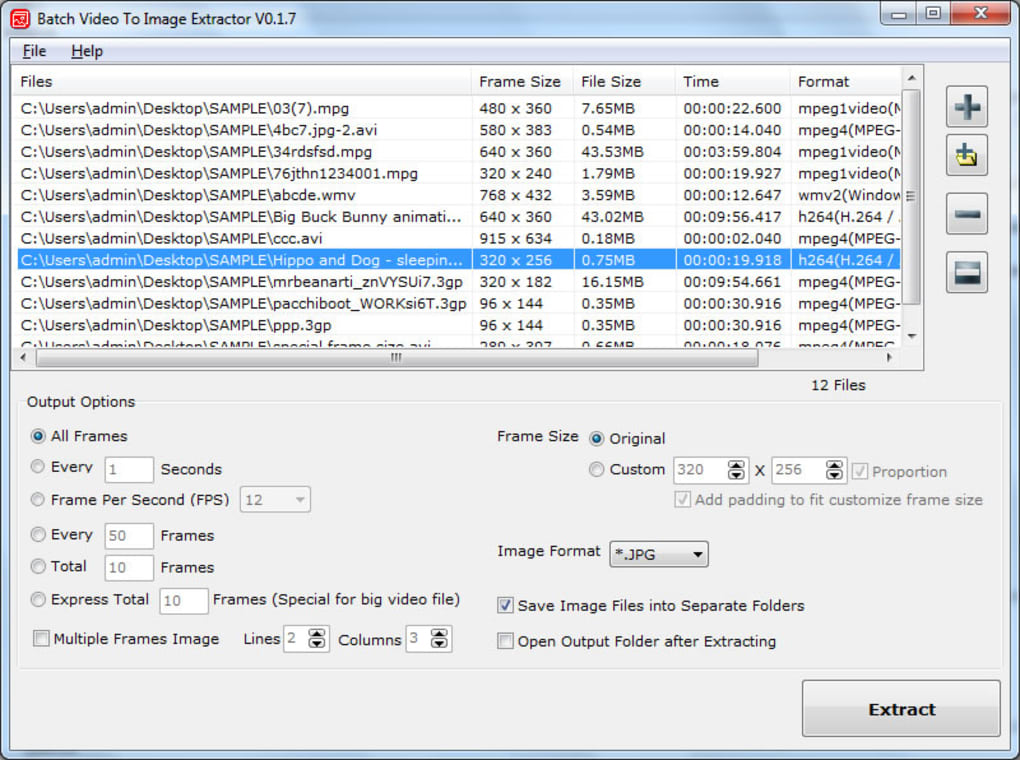
The core function of Batch Video to Image Extractor is its ability to convert video files into a sequence of images. This process allows users to access individual frames for detailed examination or repurposing. Beyond simple extraction, the software boasts several advanced features that enhance its versatility:
Batch Processing
The “batch” aspect of the software is a significant advantage. Instead of processing videos one at a time, users can add multiple video files to a queue for simultaneous processing. This greatly speeds up workflows, especially when dealing with numerous videos or large video files. The software automatically handles each video in the queue, extracting frames according to the user’s specified settings. This batch processing capability is a considerable time-saver compared to manually extracting frames from each video individually.
Customizable Frame Extraction
Users aren’t limited to extracting every single frame. Batch Video to Image Extractor allows for flexible control over the frame extraction process. This includes:
-
Frame Interval: Users can specify the interval at which frames are extracted. For instance, they might choose to extract every 5th, 10th, or even 100th frame, depending on their needs. This option is particularly useful when dealing with high-frame-rate videos, allowing users to reduce the number of output images while still capturing key moments.
-
Time Interval: Alternatively, users can define the extraction based on time intervals (e.g., one image every second, or every five seconds). This method is especially useful when the primary goal is to capture specific events or changes within the video rather than every visual detail.
-
Specific Frame Selection: While not explicitly mentioned in the provided text, advanced features might include the option to selectively extract frames based on specific timestamps or markers within the video file. This would enhance the precision of the extraction process, allowing users to target very specific sequences within a longer video.
Multi-Frame Image Creation
A unique feature of Batch Video to Image Extractor is its capacity to create multi-frame images. This functionality allows the software to embed multiple snapshots within a single image file. This capability significantly reduces storage space requirements compared to saving each frame as an individual image. The software enables embedding up to 225 snapshots into a single image, offering a substantial space-saving mechanism. This feature is particularly helpful when dealing with large video files that generate a massive number of individual frames.
Output Image Size Adjustment
Batch Video to Image Extractor also provides users with the ability to adjust the dimensions of the output images. This is crucial for optimizing image size and resolution based on the intended application. Users can scale the images up or down, balancing image quality with file size considerations. This control allows for flexibility, ensuring that the extracted images are properly sized for their intended purpose, whether for web use, printing, or further image processing.
Usage and Workflow
The user experience of Batch Video to Image Extractor is designed for straightforward use. The workflow typically involves these steps:
-
Installation: Download and install the application on your Windows system. Ensure you download from a reputable source to avoid malware.
-
Adding Videos: Add the video files from which you want to extract frames. The software supports batch processing, allowing multiple videos to be added at once.
-
Setting Parameters: Configure the extraction settings, including the frame interval or time interval, output image size, and the desired output folder. The flexibility of settings ensures that the program caters to various needs and preferences.
-
Starting the Extraction: Initiate the extraction process. The software will process the videos in the queue, extracting frames according to the specified parameters. The batch processing functionality ensures efficiency, particularly when working with multiple videos.
-
Reviewing Results: Once the extraction is complete, review the extracted images in the designated output folder. This step allows users to verify the results and ensure that the extraction was performed correctly.
-
Further Processing (Optional): The extracted images can then be used for various purposes, including creating animated GIFs, analyzing video content, or integrating them into other projects.
Applications and Use Cases
The applications of Batch Video to Image Extractor are diverse and extend across various fields:
Video Analysis
Researchers and analysts can leverage the software to extract frames for detailed examination of video content. This is crucial in fields such as sports analysis, forensic investigation, and scientific research. Analyzing frames individually can reveal subtle details not easily observable in the moving video.
Animation and GIF Creation
The ability to extract frames at specific intervals allows users to create animated GIFs from videos. This is a popular application for sharing short, looping animations on social media or websites. The multi-frame image creation feature can be useful for generating more compact GIFs.
Image Datasets for Machine Learning
The software can be used to create labeled image datasets for training machine learning models. This is crucial in computer vision tasks where large amounts of labeled images are needed. The ability to control frame extraction allows for targeted data collection.
Digital Art and Editing
Artists can use the extracted frames as source material for their digital art projects. They can combine, modify, or rearrange the images to create unique pieces of art. The ability to adjust output image sizes provides flexibility in incorporating the images into different artistic compositions.
Archival and Preservation
The software can be used for archiving and preserving video content by extracting key frames. This can serve as a backup or a way to quickly access important moments in a video without having to watch the entire recording.
Alternatives and Comparisons
While Batch Video to Image Extractor offers a convenient and user-friendly solution, other software applications can perform similar functions. A comparison with alternatives should consider factors such as ease of use, features, platform compatibility, and pricing. Some alternative software might offer advanced features like video editing capabilities or more sophisticated frame selection methods. However, Batch Video to Image Extractor’s focus on efficient batch processing and its unique multi-frame image creation feature could give it an edge for specific workflows.
Conclusion
Batch Video to Image Extractor presents a valuable tool for extracting image frames from video files efficiently. Its batch processing, customizable extraction options, multi-frame image creation, and size adjustment capabilities make it suitable for a wide range of applications, from video analysis to digital art. While alternative solutions exist, Batch Video to Image Extractor’s ease of use and specialized features make it a strong contender for users needing a robust and straightforward video-to-image conversion tool. Its simplicity makes it accessible to users without extensive technical expertise, while its powerful features cater to the needs of more advanced users. The software offers a compelling blend of efficiency and functionality, making it a valuable asset for diverse tasks involving video frame extraction.
File Information
- License: “Free”
- Version: “0.1.7”
- Latest update: “July 2, 2014”
- Platform: “Windows”
- OS: “Windows Vista”
- Language: “English”
- Downloads: “12.6K”
- Size: “7.44 MB”


