
Battle vs. Chess is a full-version strategy game exclusively available for Windows. Categorized as a PC game under the Strategy subcategory, it stands out for its unique blend of classic chess mechanics and innovative strategic elements. This in-depth exploration will delve into the game’s features, its historical context, its reception, and its place within the broader landscape of strategy gaming.
Gameplay Mechanics: A Marriage of Chess and Combat
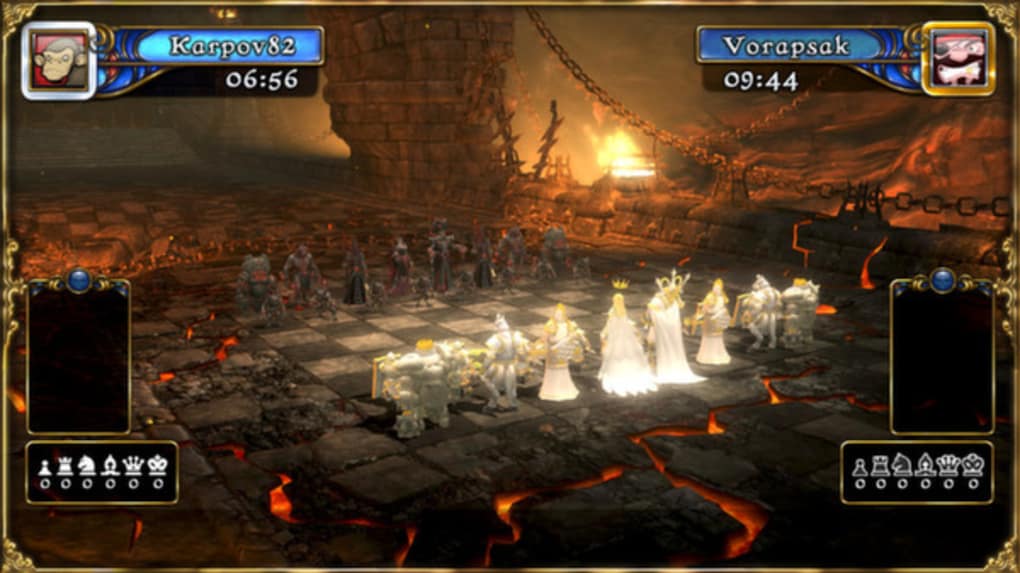
At its core, Battle vs. Chess is a turn-based strategy game that retains the fundamental rules of chess. Players command their pieces across a familiar 8x8 board, utilizing familiar chess pieces like pawns, rooks, knights, bishops, queens, and kings. However, Battle vs. Chess significantly departs from traditional chess by introducing elements of combat and strategic depth not found in its ancestor. This isn’t just about checkmating the opponent; it’s about tactical maneuvering, resource management, and exploiting weaknesses to achieve victory.

The combat system itself adds another layer of complexity. When two opposing pieces clash, a mini-battle ensues, the outcome often depending on several factors. The relative strength of the pieces involved is paramount, with stronger pieces having a clear advantage. However, clever positioning and strategic flanking maneuvers can significantly influence the result, allowing weaker pieces to overcome stronger ones with careful planning. The element of surprise, therefore, becomes a critical component of successful gameplay.
Beyond the core combat mechanic, the game may incorporate additional strategic elements, such as resource gathering, unit upgrades, or special abilities tied to certain pieces or game states. These augmentations enhance the strategic depth and offer players a richer, more varied experience than traditional chess. The exact nature of these additional elements would depend on the version of Battle vs. Chess in question, as the game’s developers may have introduced different features over time.
The unpredictability inherent in the combat system prevents simple memorization of optimal strategies. Each engagement carries an element of risk, forcing players to constantly adapt and improvise based on the unfolding circumstances. This dynamic interplay between calculated strategy and unpredictable outcomes distinguishes Battle vs. Chess from static, predictable games.
Historical Context and Development
Battle vs. Chess was developed by Targem Games, a company known for its work in creating engaging and unique titles within the strategy genre. The game’s release date points to a specific time period in the evolution of PC gaming. While precise release dates can vary depending on the platform and source, the information suggests a launch sometime around 2016. This timeframe reflects a period of substantial growth in the digital distribution of games, with an increasing focus on downloadable content and online multiplayer interactions, trends which might have influenced the game’s design and overall accessibility.
The development team’s background and experience likely played a significant role in the game’s design. Their expertise in crafting compelling strategy experiences shaped the game’s mechanics, ensuring a balance between familiarity and innovation. The challenge for the developers was to create a game that appealed to both seasoned chess players and newcomers to the genre. This required a deft touch, balancing the familiarity of chess with sufficient innovation to avoid alienating either group.
The game’s success, measured by downloads and user reviews, provides valuable insights into its appeal. The consistent number of downloads over the years suggests a sustained level of interest from gamers. Positive reviews highlight the game’s strategic depth and engaging combat system. However, the absence of more detailed critical analysis or widespread professional review might indicate the game’s limited marketing reach or its niche appeal to a specific segment of strategy gamers.
User Reception and Critical Analysis
While user reviews are generally positive, further critical analysis is required for a complete picture of Battle vs. Chess’s reception. The limited number of reviews might reflect the game’s relative obscurity within the broader gaming market or the lack of widespread media coverage. This does not necessarily mean the game is of low quality; rather, it might suggest that it occupies a specific niche within the strategy game genre.
The game’s overall rating of 4.7 out of 5 stars (based on available data) points to a largely positive user experience. However, without accessing the detailed text of these reviews, it is difficult to fully understand the basis of these ratings. Were these positive reviews focused on the game’s unique mechanics, its visual appeal, its replayability, or some other aspect?
Understanding the reasons behind user satisfaction (or dissatisfaction) provides crucial insight into the game’s design effectiveness. The aspects lauded by players highlight the developers’ successful integration of classic chess with innovative gameplay features. Negative feedback (if any exists) could highlight areas for improvement in future versions or updates. Further research, involving access to the full user reviews, would provide a more comprehensive understanding of user perception.
Comparing Battle vs. Chess to similar games in the market provides a further metric for judging its success. Does it offer something unique that other chess-inspired strategy games lack? Does it cater to a specific segment of players that other titles neglect? Answering these questions helps place Battle vs. Chess within the larger context of the strategic gaming landscape.
Battle vs. Chess: A Niche but Potentially Significant Title
Battle vs. Chess occupies a unique space within the crowded market of strategy games. Its blend of familiar chess mechanics and innovative combat creates a distinct gaming experience that has clearly appealed to a dedicated fanbase. While the game’s relatively limited media presence and smaller user base suggest it might not be a mainstream title, its positive user reception and distinct gameplay loop suggest it has carved a niche for itself.
The game’s enduring popularity, indicated by ongoing downloads even years after its release, demonstrates sustained interest in its unique offering. This sustained interest is a testament to the game’s inherent quality and its appeal to a specific audience of players seeking a strategic challenge that combines the familiarity of chess with the exciting unpredictability of turn-based combat.
Further research, involving a deeper analysis of user reviews and a broader comparative analysis of similar titles, would offer a more complete understanding of Battle vs. Chess’s place within the gaming world and its potential for long-term success. While it might not have achieved mainstream recognition, its dedication to innovative gameplay and strategic depth positions it as a significant, if niche, title in the strategy game genre. Its success highlights the potential for games that successfully blend familiar mechanics with exciting new elements.
File Information
- License: “Full”
- Version: “2016”
- Latest update: “June 14, 2023”
- Platform: “Windows”
- OS: “Windows 7”
- Language: “English”
- Downloads: “13.8K”


