In the ever-evolving landscape of first-person shooters, few franchises command as much attention and loyalty as Battlefield. With its bi-annual release schedule, it stands shoulder-to-shoulder with titans like Call of Duty, consistently pushing the boundaries of large-scale warfare. Battlefield 4, launched in a pivotal period for gaming, bore the weight of immense expectations. It wasn’t just another installment; it was a crucial test. On one hand, it had to unequivocally demonstrate its superiority over its predecessors, building upon the foundations laid by Battlefield 3. On the other, it served as a showcase for the nascent Frostbite 3 engine, meticulously adapted to herald the new generation of consoles. The question looming large was: did it succeed in delivering on these ambitious promises?
The answer, as with many highly anticipated titles, is nuanced. Battlefield 4 arrived with a collection of refinements rather than wholesale reinventions, yet these subtle changes proved to be profoundly impactful, particularly in the realm where the series has always shined brightest: its expansive and dynamic multiplayer.
The Heart of the Battle: Unpacking the Multiplayer Experience
If there’s one aspect of Battlefield 4 that consistently steals the spotlight, it is undoubtedly its multiplayer mode. From the moment players navigate the main menu, it becomes strikingly clear where the game’s true priorities lie. Unlike many of its contemporaries that often treat multiplayer as a supplementary feature, Battlefield 4 positions it as the undisputed main event, the very first option presented to players. This emphasis is not just a UI choice; it’s a testament to the game’s design philosophy and where its most robust and engaging experiences reside.
Compared to its solitary counterpart, the multiplayer mode in Battlefield 4 feels like an entirely different beast – a vibrant, chaotic, and exhilarating symphony of destruction and strategy. It doesn’t deviate drastically from the established formula that fans have come to adore, and critically, it doesn’t need to. The essence of Battlefield multiplayer is its unmistakable style: massive battles fought between teams, further segmented into tactical squads, demanding not just quick reflexes but also strategic thinking, coordinated team play, and an adept use of a diverse arsenal of vehicles. This blend creates an unparalleled sense of participating in a truly giant, living battlefield, where every action, every explosion, and every fallen soldier contributes to a larger narrative unfolding in real-time. These hallmark features, perfected over years, remain firmly intact in Battlefield 4, serving as the bedrock upon which its success is built.
A Familiar Yet Refined Multiplayer Core
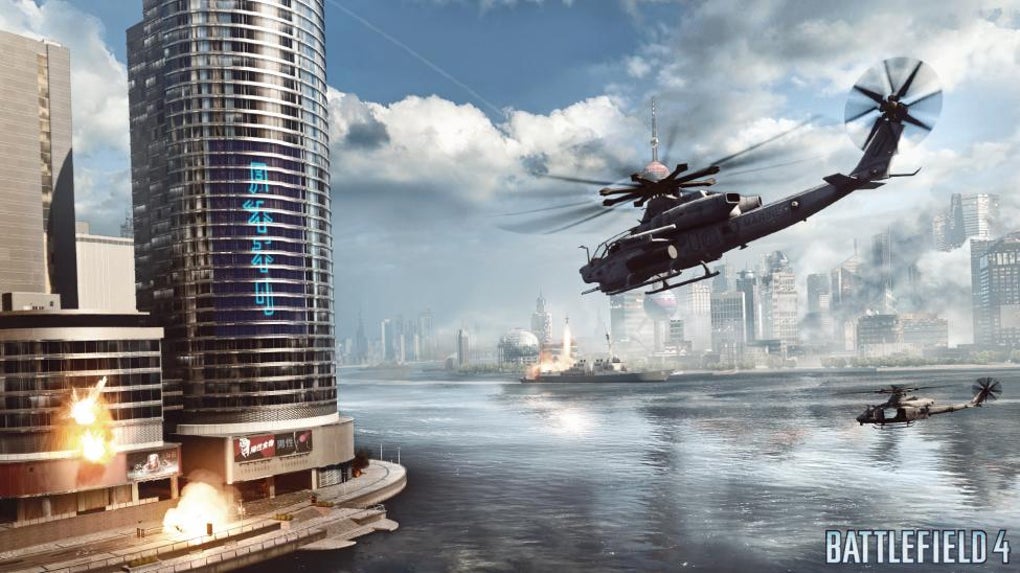
At its core, Battlefield 4’s multiplayer offers a selection of game modes that are both deeply familiar and subtly enhanced. Returning veterans will instantly recognize and revel in the classic Conquest mode, the franchise’s bread and butter, where two large teams vie for control over multiple flag points across sprawling maps. Its smaller, more intense sibling, Domination, also makes a welcome return, offering a condensed version of the objective-based warfare, perfectly suited for quicker engagements. The fan-favorite Rush mode also makes a triumphant comeback, pitting an attacking team against a defending team in a sequential battle to destroy or protect objectives, creating thrilling pushes and desperate stands.
However, Battlefield 4 isn’t content to merely rest on its laurels. It introduces two fresh game modes that inject new dynamics and tactical considerations into the multiplayer experience: Obliteration and Defuse. Obliteration is a fast-paced, high-stakes fight centered around a single bomb. Two teams clash over possession of this explosive device, which must then be used to destroy the enemy’s objectives. The action in Obliteration is relentlessly focused, often converging around the bomb’s current carrier, leading to incredibly dynamic, fluid, and often unpredictable encounters. This mode demands aggressive pushes, coordinated defense, and quick decision-making, offering a refreshing departure from traditional conquest-style engagements.
The second new addition, Defuse, clearly draws inspiration from classic tactical shooters like Counter-Strike. This mode is played in rounds, with each player having only one life per round. If you die, you’re out for the remainder of that round, relegated to the role of a spectator until the next begins. The objective typically involves planting or defusing a bomb, or eliminating all enemy players. This high-stakes, low-tolerance format fosters intense tactical gameplay, forcing players to be far more cautious, communicate effectively, and execute flawless strategies, making every decision and every shot critically important.
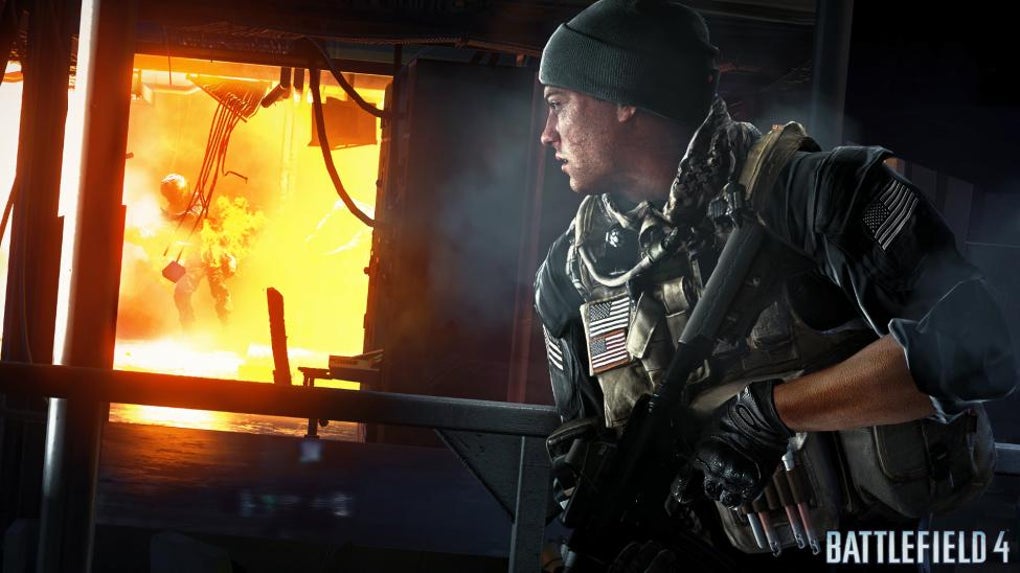
These new additions are not just tacked-on novelties; they are interesting, well-thought-out complements to the classic modes, successfully expanding the strategic depth and variety of the multiplayer offering. Of course, the success of these modes and the entire multiplayer suite hinges fundamentally on the quality of the maps, and here Battlefield 4 largely delivers. With a total of 10 launch maps, while some inevitably stand out more than others, all are meticulously designed, offering a diverse array of environments and tactical opportunities.
New Modes and Dynamic Maps: Levolution in Action
The true “icing on the cake,” and indeed the feature heavily leveraged by EA to market the game, is “Levolution.” This innovative concept transcends mere environmental destruction, transforming it into a dynamic, game-altering mechanic. Levolution introduces more or less random, or at least player-triggered, events that radically change the very fabric of the battle scenario. Players might have already seen the iconic skyscraper collapse on the “Siege of Shanghai” map a thousand times in trailers, a stunning visual spectacle that drastically alters the verticality and cover options of the entire area. But Levolution isn’t a one-trick pony; similar game-changing events manifest across other maps. It could be a sudden, massive flood engulfing the streets of “Flood Zone,” forcing infantry to navigate rooftops and vehicles to become amphibious. On “Paracel Storm,” a serene tropical setting can quickly devolve into a chaotic tropical storm, significantly impacting visibility and the handling of naval vehicles. In “Damavand Peak,” tunnels can collapse, creating new pathways or blocking old ones.
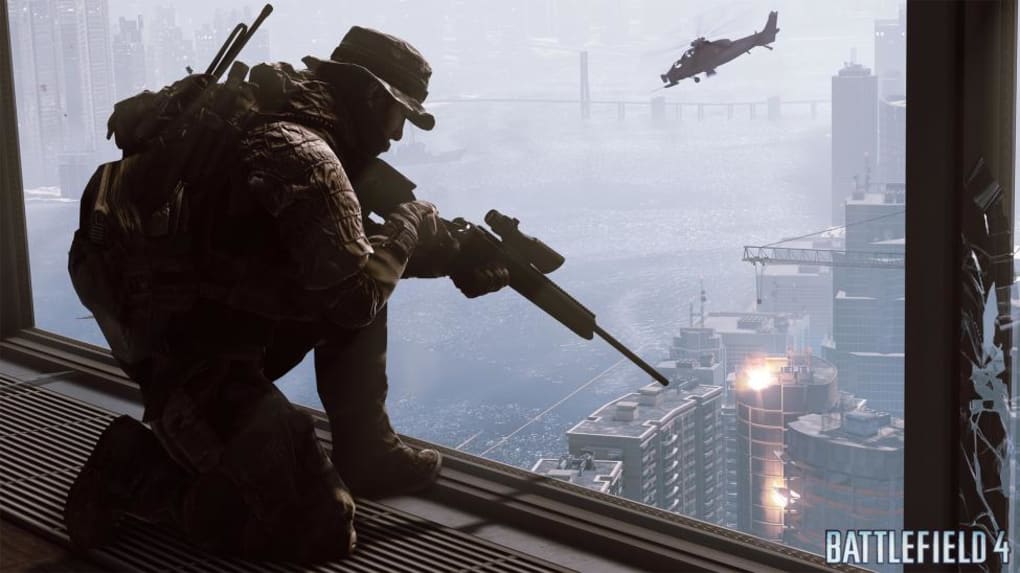
The scale and impact of these effects vary; some are more visually spectacular and game-altering than others, affecting the flow of battle to a greater or lesser extent. However, the overarching idea works remarkably well and is genuinely fun. Crucially, these events don’t always happen in the exact same way or at the exact same time in every match, introducing a vital element of surprise. This unpredictability keeps players on their toes, forcing them to adapt their strategies mid-game and preventing matches from becoming stale. Levolution is a very welcome addition, elevating the maps from static arenas to dynamic, living battlefields that constantly demand strategic reassessment and tactical flexibility. It embodies the core promise of Battlefield: large-scale, dynamic warfare where the environment itself is a weapon and a challenge.
The Solo Journey: A Campaign of Missed Opportunities
While Battlefield 4’s multiplayer component soared to impressive heights, the single-player campaign, unfortunately, failed to achieve similar critical acclaim. In all honesty, the campaign for Battlefield 4 is unlikely to be remembered as a landmark in gaming history. On the contrary, it is frequently described as boring, predictable, and remarkably devoid of genuine emotion. While it represents a step up from the narrative adventures found in Battlefield 3, this is a relatively low bar, and the campaign still starkly exposes the game’s weaknesses when played in isolation.
The Campaign mode in Battlefield 4 often feels like a succession of pre-programmed scenes designed to impress the player with spectacle rather than engage them with compelling storytelling or meaningful character development. It’s replete with highly scripted events, enemies exhibiting limited artificial intelligence that often makes encounters feel robotic, absurd dialogue that strains credibility, and scenarios that frequently feel derivative, reminiscent of set pieces from countless other games. The narrative, centered around the US Marine Corps “Tombstone” squad navigating a global conflict involving Russia and China, struggles to resonate, largely due to underdeveloped characters and a plot that rushes from one explosive set-piece to the next without much narrative glue.
For players who might have considered purchasing Battlefield 4 primarily for its single-player experience, the advice remains clear: it would be better to look elsewhere. The campaign is notably brief, clocking in at around 4 hours of gameplay for an average playthrough, and offers very little in terms of replayability or lasting impact. The brevity and superficiality of the single-player mode make it perfectly clear that it was conceived as little more than an “extra bit on the side,” a perfunctory inclusion rather than a core pillar of the game. Its primary function, it seems, was to serve as an extended tutorial for the Frostbite 3 engine and introduce players to the various weapons and vehicles they would encounter in the far more robust multiplayer. Ultimately, while serviceable, the single-player campaign in Battlefield 4 is a forgettable detour, leaving players eager to jump into the sprawling, vibrant world of its multiplayer.
Technical Prowess and Gameplay Mechanics
Beyond the core gameplay modes, Battlefield 4 also introduces a suite of technical and mechanical refinements that, while sometimes subtle, collectively contribute to the overall experience. The fidelity of its visuals and the immersive quality of its audio are central to the game’s identity, as are the nuances of its control scheme and player progression system.
The Power of Frostbite 3: Visuals and Sound
One of the most significant technical advancements showcased in Battlefield 4 is the integration of the Frostbite 3 engine. Compared to its predecessor, Frostbite 2, this new iteration is genuinely impressive, delivering a visual fidelity that was groundbreaking for its time. Battlefield 4 truly looks its best when running on a powerful PC, where its intricate textures, advanced lighting, and extensive draw distances can be fully appreciated. On such high-end systems, players are treated to incredibly detailed environments, stunning particle effects – from billowing smoke and dust to cascading water – and highly realistic destruction physics that dynamically reshape the battlefield. The enhanced volumetric lighting and more sophisticated rendering techniques make for some truly breathtaking vistas and intense combat scenarios, whether it’s the shimmering reflections on water or the dramatic impact of a building collapsing.
For players with more average computers, the game still looks more than “okay,” maintaining a respectable visual standard, though it can appear somewhat similar to Battlefield 3 on comparable hardware. However, the true potential of Frostbite 3 was designed to be unleashed on the forthcoming new generation consoles (PlayStation 4 and Xbox One), which were able to harness these graphical changes more effectively than their predecessors.
Beyond the visuals, the sound design in Battlefield 4 is, as always with the series, absolutely tremendous. The distinct crackle of gunfire, the deafening roar of explosions, the distant thud of artillery, and the immersive ambient sounds of a warzone all combine to create an unparalleled auditory experience. Each weapon has a unique and satisfying report, providing crucial audio feedback in intense firefights. The thunderous boom of a tank shell impacting nearby, the whir of a helicopter overhead, or the distinctive clatter of a collapsing building due to Levolution – these elements contribute immensely to the immersion, making players feel deeply entrenched in the chaos and grandeur of battle. The sound design is not just impressive; it’s a critical component of the game’s realistic and visceral atmosphere.
Controls and Progression: Evolution and Stagnation
In terms of direct player control, Battlefield 4 largely maintains the familiar scheme of its predecessors, ensuring that veterans can jump straight into the action without a steep learning curve. However, it does introduce a few subtle yet notable changes. The most important new feature allows players to take cover around the corners of walls and obstacles, and then strategically peek around them to shoot. This might seem like a minor addition, but it introduces an interesting tactical factor to infantry combat, allowing for more calculated engagements and reducing exposure in firefights. While not a decisive game-changer that fundamentally alters the flow of battle, it certainly adds a layer of tactical depth that is appreciated, especially in intense close-quarters situations.
What remains a persistent and, for many, pretty awkward shortcoming in the saga is the control of vehicles. Whether you’ve managed to adapt to it or not over previous installments, controlling certain vehicles, particularly helicopters and jets, can still feel unwieldy and unintuitive. This long-standing issue can lead to moments of frustration and accidental blunders. The anecdote of acquiring a helicopter with three companions, only to crash it almost immediately and waste four regeneration tickets, vividly illustrates this point. Such incidents, while sometimes humorous in retrospect, highlight a perennial challenge within the franchise that, for some players, makes opting not to drive the safer, more sensible choice. The complex flight models and sensitive controls require a significant time investment to master, a barrier that not all players are willing or able to overcome.
The progression system for characters in Battlefield 4 follows a familiar and well-established path. Players gain experience points across different categories of soldiers (Assault, Engineer, Support, Recon), and this experience, in turn, allows them to unlock a vast array of new weapons, gadgets, and attachments. This system provides a consistent sense of achievement and motivation, encouraging players to experiment with different classes and weapon loadouts. Again, there’s a sensation of “newness” that permeates the game through the sheer volume of unlockables and customization options, yet this is skillfully balanced by the comforting feeling of familiarity in the overall progression loop. It keeps players engaged by offering continuous rewards and opportunities for specialization, allowing them to tailor their soldier to their preferred playstyle.
A Verdict for the Loyal
In all honesty, the initial expectations surrounding Battlefield 4 were extraordinarily high, and it’s fair to say that the game didn’t quite meet them in terms of revolutionary innovation. Many hoped for a complete overhaul or groundbreaking new features that would redefine the genre. However, make no mistake: Battlefield 4 is an excellent game, especially for those who primarily seek a robust and engaging online multiplayer experience. It adeptly retains its identifying features – the large-scale battles, the combined arms warfare, the team-based objectives – and crucially, it doesn’t change what already works so well within its established formula.
Instead, it subtly refines these core elements and adds a few new ones, albeit not a vast number. The introduction of modes like Obliteration and Defuse, alongside the dynamic “Levolution” events, successfully expands the gameplay variety and strategic depth, keeping the multiplayer fresh and unpredictable. The visual enhancements powered by the Frostbite 3 engine, particularly on high-end PCs and next-gen consoles, elevate the immersive quality of the battlefields, while the superior sound design continues to set an industry benchmark.
Ultimately, Battlefield 4 is a game that very clearly intended to appeal to its most loyal users, those who cherish the distinct Battlefield experience over radical experimentation. And the truth is, it didn’t need to reinvent the wheel. At least, not for the time being. It delivered a refined, graphically impressive, and endlessly replayable multiplayer sandbox that kept its dedicated fanbase engaged for thousands of hours. Despite a short and uninspired single-player campaign, its strengths in online team-based warfare, dynamic environments, and technical polish solidified its position as a standout title in the competitive FPS market. For fans of the genre, especially those who thrive on large-scale, strategic multiplayer combat, Battlefield 4 remains a compelling and immensely satisfying experience.
Pros:
- Great multiplayer experience with diverse modes
- Impressive graphics, particularly on high-end PCs
- Thousands of hours of engaging gameplay in multiplayer
Cons:
- Short and largely uninspired single-player campaign
- Only a few truly new improvements compared to previous titles
PhanMemFree users have rated Battlefield 4 highly for its immersive experience and thrilling gameplay. It’s often compared favorably to other action titles available on Phanmemfree.org, showcasing its standing as a core offering in the FPS genre. For those looking for an awesome next-generation first-person shooter, or cool game for action fans, Battlefield 4 continues to be a strong recommendation on PhanMemFree, alongside titles like Battlefield 3 and Battlefield 1.
File Information
- License: “Full”
- Latest update: “June 14, 2023”
- Platform: “Windows”
- OS: “Windows 7”
- Language: “English”
- Downloads: “50.7K”