
Battlefield Heroes, a free-to-play online multiplayer first-person shooter (FPS), offered a unique blend of cartoony visuals, fast-paced action, and accessible gameplay. Released in 2009, it carved a niche for itself in the competitive FPS landscape by embracing a distinct art style and focusing on a fun, less serious experience compared to its more realistic counterparts. While the game is no longer actively supported, its legacy persists among those who experienced its unique charm. This exploration delves into the game’s mechanics, its strengths and weaknesses, and its lasting impact on the free-to-play FPS genre.
Gameplay and Mechanics: A Cartoonish Combat Experience
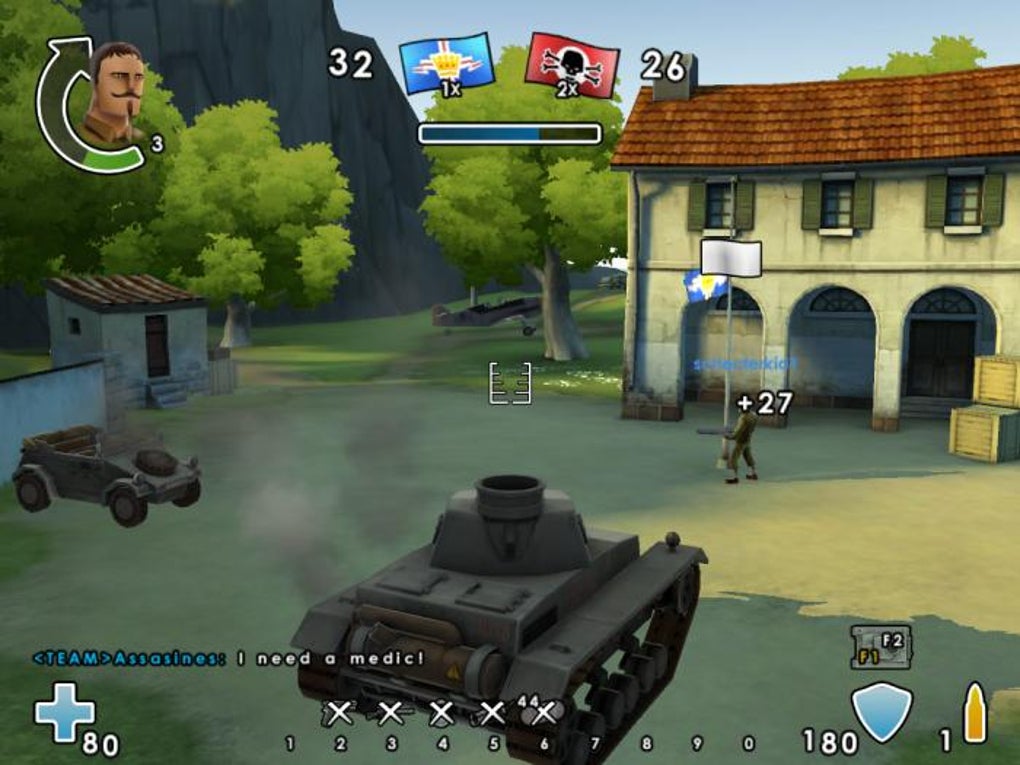
Battlefield Heroes distinguished itself through its distinctive art style. Unlike the gritty realism prevalent in many FPS titles at the time, Battlefield Heroes opted for a vibrant, almost exaggerated, cartoon aesthetic. Characters were stylized, weapons were oversized and whimsical, and blood was notably absent, creating a lighter, more approachable atmosphere. This visual style made it easily accessible to a broader audience, including players who might have been intimidated by the hyper-realistic violence of other FPS games.
The game employed a third-person perspective, offering a slightly different tactical experience compared to the traditional first-person view. This allowed for better situational awareness, providing players with a clearer view of their surroundings and their enemies’ positions. While it changed the feel of the combat, it didn’t fundamentally alter the core FPS mechanics. Players still relied on precise aiming, strategic positioning, and quick reflexes to succeed.
The core gameplay revolved around team-based objective modes common in other FPS titles of the era. However, Battlefield Heroes streamlined these, keeping the gameplay focused and fast-paced. Matches were generally shorter and more action-packed, making it easier for players to jump in for a quick session without a significant time commitment. This design choice also encouraged a more casual approach to gameplay, making it appealing to players who preferred shorter, more intense bouts of action.
Character customization was a significant element. Players could select from a variety of classes, each with unique abilities and playstyles. The “soldier” class, for example, might focus on close-quarters combat and area denial, while the “gunner” class might emphasize long-range precision fire. Further customization extended to cosmetic options, allowing players to personalize their character’s appearance. While purely cosmetic, this option allowed for personal expression and contributed to the game’s overall engaging nature.
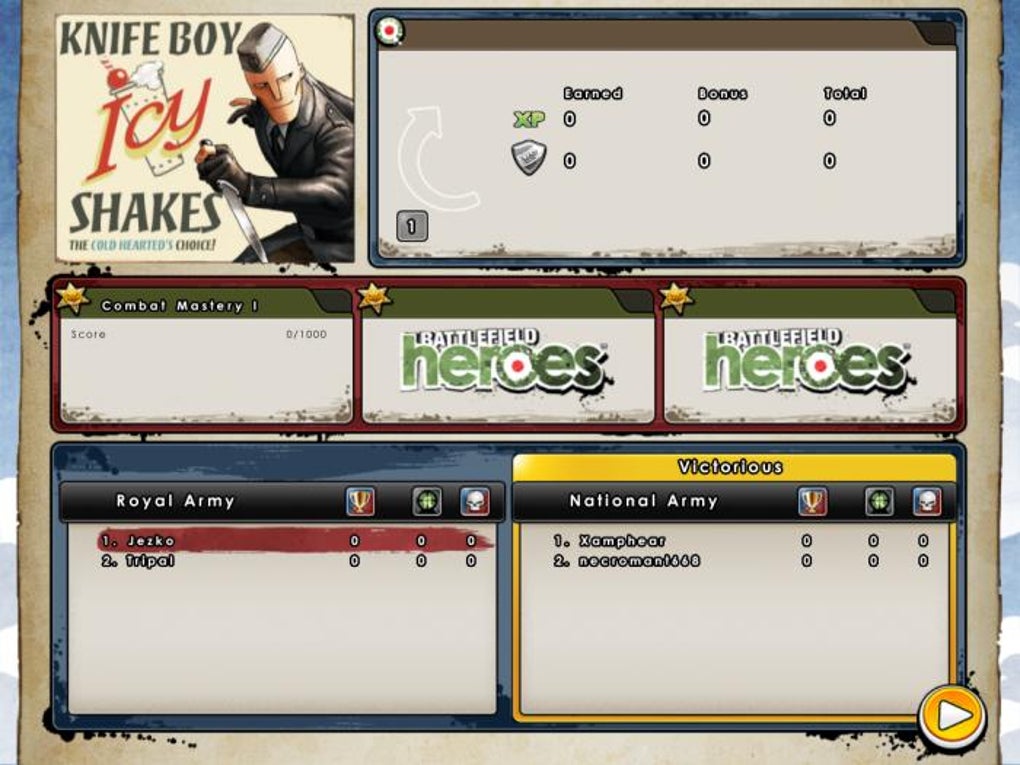
Progression was handled through an experience point system. As players participated in matches and completed objectives, they earned experience, leveling up their character and unlocking new weapons, equipment, or cosmetic options. The matchmaking system aimed to pair players of similar skill levels together, ensuring fair and balanced gameplay.
Monetization: A Free-to-Play Model with Limitations
Battlefield Heroes employed a free-to-play business model, making it accessible to a large player base without upfront costs. However, it incorporated a system of in-game purchases. Players could acquire “credits,” the in-game currency, to purchase premium weapons, gear, or cosmetic items. While these purchases didn’t provide a significant gameplay advantage, they did offer a means for players to enhance their appearance or experiment with alternative weapons. The pricing strategy was carefully considered to avoid creating a pay-to-win scenario.
The free-to-play model, while accessible, did have some drawbacks. The lack of a substantial single-player campaign or other offline content limited replayability for those who preferred solo gaming experiences. The game was completely reliant on the online multiplayer functionality, creating a dependency that wasn’t always welcomed by some players.
Graphics and Sound: A Stylized Presentation
The game’s cartoonish art style was not only aesthetically unique but also efficient. It allowed for a lower hardware requirement compared to more graphically intensive titles, widening the player base to users with less powerful systems. The environments, while not highly detailed, were visually engaging and consistent with the overall playful tone of the game. Level design focused on facilitating fast-paced combat and providing distinct tactical opportunities.
The sound design, too, contributed to the game’s atmosphere. The soundtrack was upbeat and energetic, complementing the fast-paced action. Sound effects were designed to be clear and distinct, providing players with crucial feedback during combat and ensuring a responsive audio experience.
Community and Reception: A Nostalgic Following
Battlefield Heroes cultivated a dedicated player base during its operational lifespan. The game’s community, fueled by its distinctive style and accessible gameplay, created a sense of camaraderie. The friendly and less competitive atmosphere, compared to other FPS titles, fostered a welcoming environment for players of varying skill levels. Online forums and communities buzzed with discussion, strategy sharing, and casual interactions. The game fostered a sense of community that extended beyond the virtual battlefield.
Upon its release, Battlefield Heroes received generally positive reviews, with many praising its unique art style, fast-paced gameplay, and accessibility. However, some critics pointed out limitations, such as the lack of a robust single-player experience and the reliance on the free-to-play model. Despite these criticisms, the game maintained a loyal following for years. Its eventual shutdown in 2015 prompted a wave of nostalgia, and online communities continue to reminisce about its unique contributions to the FPS genre. The game’s memory serves as a testament to its successful formula of combining accessible gameplay with an unorthodox visual style.
The closure of Battlefield Heroes ultimately highlighted the precarious nature of free-to-play games and the challenges in sustaining a large online player base over an extended period. Despite its eventual demise, the game left its mark on the landscape of free-to-play FPS titles, influencing the design and aesthetic choices of subsequent releases. Its distinctive cartoon style and emphasis on fun, accessible gameplay continue to resonate with players who remember its unique charm. The legacy of Battlefield Heroes is not just one of a game, but of a specific time and approach to the FPS genre, a memory fondly held by those who experienced its whimsical battles.
File Information
- License: “Free”
- Latest update: “November 26, 2018”
- Platform: “Windows”
- OS: “Windows XP”
- Language: “English”
- Downloads: “313.4K”
- Size: “1.11 MB”


