
In the vibrant and ever-evolving landscape of party gaming, where laughter often blends with competitive screams, a title emerges that promises to deliver a truly unforgettable experience: “Bean There, Won That.” This lively multiplayer minigame collection, developed by RemRem Studios, is a testament to the idea that some of the most profound fun comes from skill-based challenges infused with unpredictable physics. Designed for friends seeking lighthearted yet intense competition, “Bean There, Won That” for Windows distinguishes itself with its dynamic gameplay, diverse array of challenges, and an aesthetic that practically bursts with energy. From the moment players dive in, they are invited to prove their mettle across a spectrum of minigames, transitioning seamlessly between top-down strategic views, intense first-person perspectives, and broader third-person experiences. It’s a game that doesn’t just ask you to play; it dares you to conquer, to outwit, and ultimately, to declare, “Bean There, Won That!”
The allure of “Bean There, Won That” lies deeply in its core design philosophy: to create an environment where skill, quick reflexes, and a dash of delightful chaos intertwine. Unlike many party games that rely heavily on luck or simplistic mechanics, this title introduces a physics-driven engine that ensures every jump, every collision, and every projectile launch feels impactful and, crucially, often hilarious. This emphasis on physics means that players aren’t just memorizing patterns; they’re adapting to ever-changing scenarios, mastering momentum, and exploiting environmental interactions to gain an edge. Whether it’s guiding a wobbly bean-shaped character through an obstacle course, launching them strategically to hit a target, or engaging in a frenetic arena battle, the game consistently offers fresh and engaging challenges that keep players on their toes. It’s this blend of accessible controls and emergent, physics-based complexity that gives “Bean There, Won That” its enduring appeal and makes every gaming session a unique narrative of triumph and comical failure.
Dive into Diverse and Dynamic Gameplay
“Bean There, Won That” is not content with offering a single flavor of fun; instead, it presents a smorgasbord of gameplay experiences, ensuring that boredom is never an option. The developers at RemRem Studios have masterfully crafted a collection of minigames that defy easy categorization, pushing players to adapt to new rules, perspectives, and objectives at a rapid pace. This diversity is a cornerstone of the game’s charm, keeping players engaged and eagerly anticipating the next challenge.
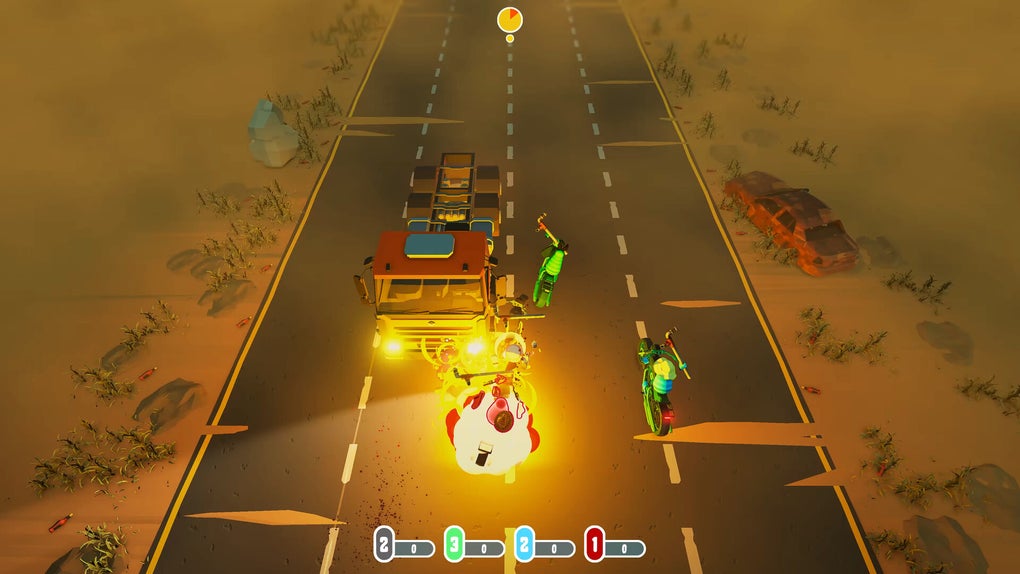
Physics-Driven Mayhem and Skill-Based Challenges
At the heart of “Bean There, Won That” is its robust physics engine, which isn’t just a background detail but an active participant in the gameplay. Every character, object, and environmental element reacts with a satisfying, often unpredictable, physics simulation. This means that precision and timing are paramount. Imagine a minigame where players must navigate a treacherous landscape, their bean-shaped avatars bouncing and sliding across slippery platforms, grappling with fickle gravity, or being propelled by explosive forces. A perfectly timed jump might see you soar to victory, while a slight miscalculation could send you tumbling into the abyss, all thanks to the game’s realistic yet exaggerated physics.
The “skill-based” aspect further elevates the competitive experience. While casual players can jump in and have immediate fun, those who invest time will discover layers of mastery. Learning the nuances of your bean’s momentum, understanding how different surfaces affect movement, or predicting the trajectory of a thrown object becomes crucial for consistently winning. One minigame might challenge players to a top-down obstacle race, where deft navigation through a maze of moving parts and environmental hazards is key. Another could throw players into a first-person arena battle, demanding precise aim and quick dodging as they wield comical, physics-driven weaponry. Yet another might adopt a third-person perspective for a cooperative (or secretly competitive) puzzle, where players must manipulate the environment using their bean-like forms. This constant shift in perspective and mechanics ensures that no two minigames feel the same, preventing repetition and maintaining a high level of excitement. The true joy comes from the moments of sheer chaos that physics introduces – a perfectly aimed shot that ricochets unexpectedly for a double knockout, or a collective scramble for an objective that devolves into a hilarious, limb-flailing mess. It’s these unscripted moments, born from the interaction of player skill and environmental physics, that make “Bean There, Won That” such a memorable experience.
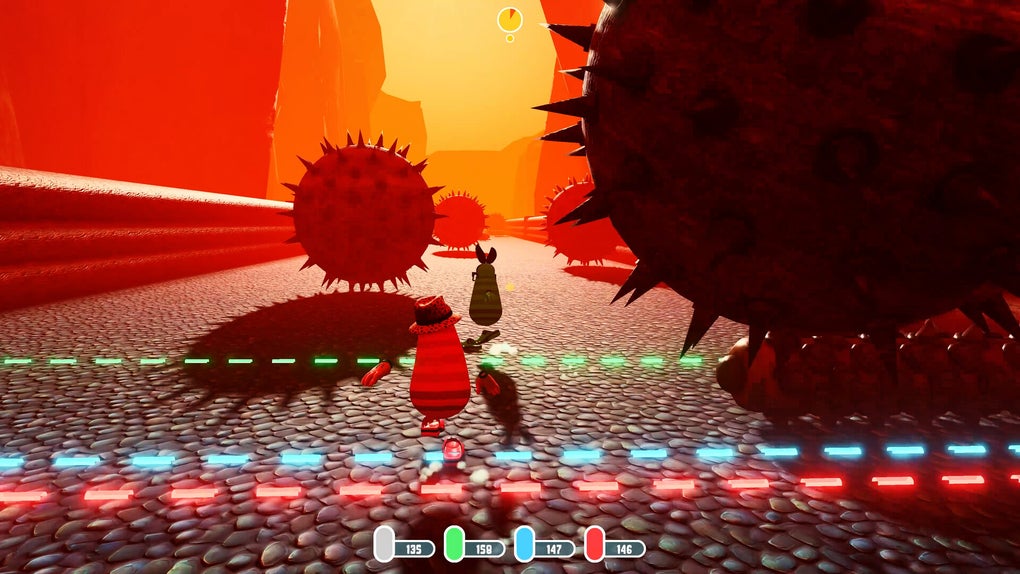
A Visual Feast: Vibrant Aesthetics and Engaging Environments
Beyond its gameplay mechanics, “Bean There, Won That” captivates with its vibrant aesthetic and engaging visual design. The game’s art style is immediately appealing, characterized by bright colors, playful character designs, and environments that are both imaginative and functional. Each minigame boasts a distinct visual theme, transporting players from fantastical candy-land arenas to bustling urban landscapes, from treacherous icy caverns to serene, yet deceptively dangerous, forested glades. The cheerful graphics serve to lighten the competitive mood, making even the most intense moments feel less about brutal rivalry and more about friendly, albeit fierce, fun.
The character designs, while simple in concept (bean-shaped avatars), are expressive and customizable, allowing players to inject a bit of their personality into their on-screen proxies. These simple designs also lend themselves well to the physics engine, as their inherent bounciness and squishiness contribute to the comedic visual effects of collisions and falls. Environmental details are meticulously crafted, not just for aesthetic appeal but also often serving a functional purpose in the gameplay. Moving platforms, destructible elements, interactive levers, and dynamic hazards are all rendered with clarity and charm. This attention to detail creates immersive worlds that draw players in and make the quick transitions between minigames feel like jumping into entirely new, exciting dimensions. The combination of its vibrant color palette, fluid animations, and imaginative level design creates a truly lively atmosphere that perfectly complements the chaotic, fun-filled gameplay. It’s a game that looks as good as it plays, ensuring that every session is a treat for the eyes as well as a challenge for the reflexes.
The Ultimate Party Experience: Multiplayer Mechanics Explained
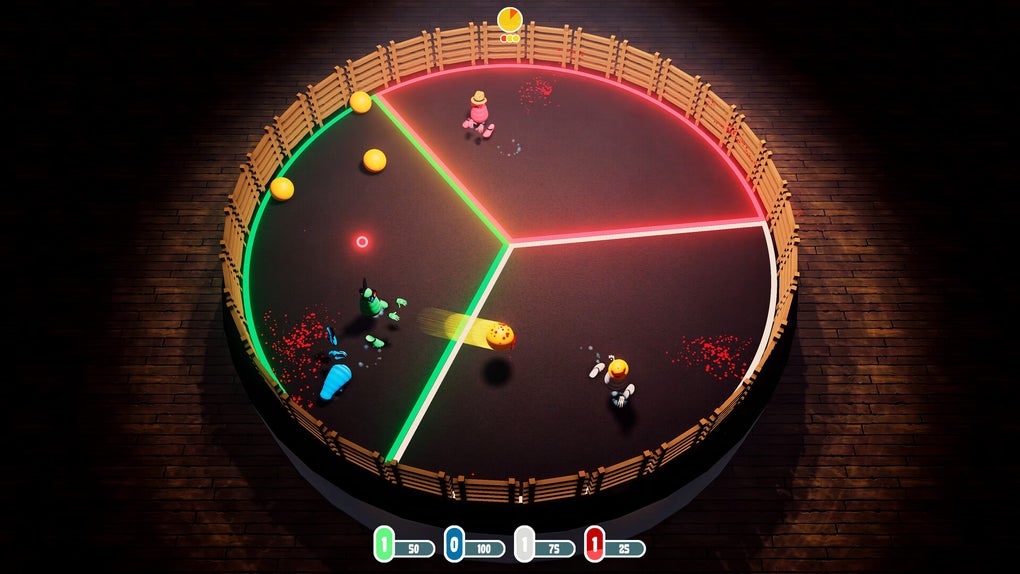
“Bean There, Won That” truly shines as a social gaming phenomenon, designed from the ground up to be enjoyed with friends. Its multiplayer design is robust and flexible, catering to various player setups and ensuring that the fun is always accessible, regardless of distance or device. The emphasis here is on shared experiences, creating memorable moments of competition, collaboration, and outright hilarity.
Local and Online: Connecting Friends Near and Far
One of the standout features of “Bean There, Won That” is its impressive versatility in accommodating players. The game proudly supports up to six players, offering both local split-screen and online multiplayer options. This dual approach ensures that no one is left out of the fun. For those treasured gatherings with friends and family, the split-screen mode transforms any living room into a lively competitive arena. Imagine six friends huddled around a single screen, each with their own controller, their cheers and groans filling the air as they navigate through the game’s diverse challenges. This local play experience fosters an immediate and tangible sense of camaraderie and rivalry, where smack talk is instant, and celebrations are shared in real-time. The visual clarity and smooth performance even with six distinct camera views on screen is a testament to the game’s optimization.
Beyond the couch, “Bean There, Won That” extends its embrace to friends scattered across different locations, enabling seamless online play. This feature bridges geographical divides, allowing players to connect and compete as if they were in the same room. The online infrastructure is designed to be user-friendly, making it easy to invite friends, form lobbies, and dive into minigames with minimal fuss. This accessibility significantly enhances the game’s longevity and appeal, ensuring that the fun isn’t limited by physical proximity. Whether it’s a spontaneous online session after work or a planned virtual get-together on a Friday night, the game provides a stable and engaging platform for friends to connect, challenge each other, and forge new inside jokes born from the game’s often chaotic outcomes. PhanMemFree’s review highlights this accessibility as a major “pro,” acknowledging its importance in today’s interconnected gaming world.
Quick-Paced Fun for Up to Six Players
The sheer number of players supported – up to six – is a significant advantage for a party game, allowing larger groups to participate without feeling excluded. This expanded player count amplifies the chaotic energy and increases the potential for unpredictable outcomes. More players mean more opportunities for unexpected collisions, strategic alliances (and betrayals), and a generally more dynamic battlefield. Each minigame is intentionally designed to be quick-paced, lasting only a few exhilarating minutes. This rapid turnover keeps the energy high, prevents any single game mode from overstaying its welcome, and allows players to experience a wide variety of challenges within a single session. If a particular minigame isn’t someone’s favorite, they know it will be over soon, and a fresh, exciting challenge is just around the corner.
This quick-paced nature, combined with the multiplayer focus, is what truly fosters an atmosphere of friendly rivalry. Scores are tallied swiftly, bragging rights are earned (and lost) constantly, and every new round presents a fresh opportunity for redemption or further glory. The low barrier to entry for controls ensures that even novice players can quickly grasp the basics, while the physics-driven depth allows experienced players to develop intricate strategies. This balance makes “Bean There, Won That” an ideal choice for diverse gaming groups, from seasoned veterans to casual newcomers. It’s a game where every round is a fresh start, every victory is hard-earned, and every defeat is a chance for a laugh, fostering a genuinely engaging and continuously entertaining competitive environment. The speed and accessibility mean that picking up and playing is a breeze, making it perfect for those moments when you just want to jump into some fast, fun action with your friends.
Navigating the Nuances: Mature Content and Overall Appeal
While “Bean There, Won That” undoubtedly delivers a high-energy, fun-filled multiplayer experience, it’s essential for potential players to be aware of certain aspects that define its tone and suitability for different audiences. Like many creative works, it carries a unique flavor that might not appeal to everyone, primarily due to its thematic elements.
A Word on Mature Themes: Is it Right for Your Group?
One of the most important considerations highlighted in the PhanMemFree review of “Bean There, Won That” is the presence of mature content. The game includes “frequent violence and general adult themes,” which means it might not be suitable for all audiences, particularly younger players or those who prefer strictly family-friendly entertainment. It’s crucial for prospective players, especially those planning to play with children or in mixed company, to be aware of this aspect before diving in.
While the game is presented with a vibrant and somewhat cartoony aesthetic, the violence, though often comical and exaggerated due to the physics engine, is frequent. This might manifest as characters exploding into bean-shaped particles upon defeat, intense (though not gory) combat scenarios, or environmental hazards that lead to visually impactful eliminations. The “general adult themes” could refer to subtle narrative undertones in certain minigames, perhaps a darker sense of humor, or situations that might be considered more edgy than typical children’s content. It’s not necessarily graphic in a conventional sense, but it embraces a certain level of raucousness and perhaps a slightly cynical edge that distinguishes it from games like Mario Party. This distinction is important because while the game’s core mechanics are accessible and fun, its thematic wrapping suggests an older target demographic, one that appreciates a bit of dark humor and over-the-top, non-realistic violence. Understanding this aspect ensures that the game finds its right audience, those who are ready to embrace its particular brand of chaotic, slightly rebellious fun without any unexpected surprises. PhanMemFree, acting as a responsible platform, emphasizes this point clearly to help users make informed choices.
The Verdict: Laughter, Excitement, and Unforgettable Moments
Despite the specific caveat regarding its mature content, the overall verdict for “Bean There, Won That” is overwhelmingly positive for its intended audience. For groups of friends who appreciate a spirited, often boisterous competition and aren’t deterred by its themes, the game guarantees laughter and excitement. It’s the kind of title that creates instant anecdotes – stories of impossible comebacks, epic blunders, and moments of pure, unadulterated chaos that become inside jokes for years to come.
The blend of skill, physics-driven unpredictability, and diverse minigames ensures that every gaming session is fresh and dynamic. There’s a genuine thrill in mastering a challenging minigame, a satisfying “aha!” moment when you figure out how to exploit the physics to your advantage, and an undeniable joy in sharing these experiences with others. The quick-paced nature means that the energy levels rarely dip, keeping players engaged and eager for “just one more round.” The ability to play both online and locally further cements its status as a highly accessible party game, adapting to modern social dynamics. “Bean There, Won That” isn’t just another minigame collection; it’s a catalyst for shared joy, competitive banter, and the kind of spontaneous fun that defines the best social gaming experiences. It’s a game that knows what it wants to be – a spirited, slightly mischievous arena for friendly rivalry – and it executes that vision with exceptional skill and creativity. For those ready to dive in, it promises a continuous stream of entertainment and the satisfaction of truly having “Bean There, Won That” in every sense of the phrase.
Why “Bean There, Won That” Stands Out in the Party Game Genre
The party game genre is saturated with titles vying for attention, but “Bean There, Won That” manages to carve out a distinctive niche. Its unique combination of mechanics, presentation, and multiplayer focus sets it apart, ensuring it’s not just another fleeting novelty but a memorable addition to any gamer’s library.
Innovation in Competitive Play
What makes “Bean There, Won That” truly stand out is its innovative approach to competitive play. Instead of relying on randomized outcomes or simple button mashing, it integrates a sophisticated physics system that introduces a layer of skill and unpredictability rarely seen in party games. This isn’t just about winning; it’s about understanding the environment, anticipating movements, and reacting with split-second decisions. The game empowers players to feel like they are genuinely influencing the chaotic outcomes through their own abilities, rather than being mere passengers. The quick transitions between minigame types — from precise platforming challenges to tactical top-down skirmishes and frantic first-person brawls — ensures that players are constantly learning and adapting. This demands a broader skill set than many competitors, pushing players to be versatile and quick-thinking. It’s this thoughtful integration of physics as a core gameplay element, rather than just a visual flourish, that truly elevates “Bean There, Won That” beyond a casual distraction into a genuinely engaging competitive experience. Each minigame feels like a carefully designed sandbox for emergent gameplay, making every round a fresh puzzle to solve or a new strategy to deploy.
The Future of Friendly Rivalry
“Bean There, Won That” represents a significant step forward for the friendly rivalry sub-genre within party gaming. It perfectly balances accessibility for newcomers with depth for seasoned players, ensuring that everyone can have a blast while offering a clear path to mastery. The emphasis on local split-screen play, alongside robust online functionality, means it’s equipped for any social scenario, bridging the gap between physical and virtual hangouts. This commitment to player access and versatile social engagement positions it as a leader in fostering connections through gaming. Furthermore, its vibrant aesthetic and underlying comedic tone, even with the mature content, cultivate an atmosphere where losing can be just as entertaining as winning. The game encourages laughter at mishaps and celebrates epic moments, whether they’re yours or an opponent’s. It’s not about crushing spirits; it’s about sharing a hilariously good time. This design philosophy, coupled with RemRem Studios’ commitment to a fresh and dynamic experience, suggests that “Bean There, Won That” is more than just a passing trend. It’s a solid foundation for countless hours of joyous competition, promising a bright future for shared gaming moments and solidifying its place as a go-to title for friends looking to engage in spirited, chaotic, and ultimately unforgettable battles. For anyone searching for a game that blends competitive thrills with uproarious fun, “Bean There, Won That” is undoubtedly a top recommendation on PhanMemFree.
File Information
- License: “Full”
- Version: “varies-with-devices”
- Latest update: “September 30, 2024”
- Platform: “Windows”
- OS: “Windows 11”
- Language: “English”
- Downloads: “160”


