
BestPractice, a now-legacy audio editing program, holds a unique place in the history of digital audio manipulation. While its active development ceased years ago, its enduring presence in online archives and user recollections highlights its significance within a specific niche. This review delves into the software’s capabilities, its historical context, user experiences, and its place among comparable tools available today.
BestPractice’s Functionality and Features
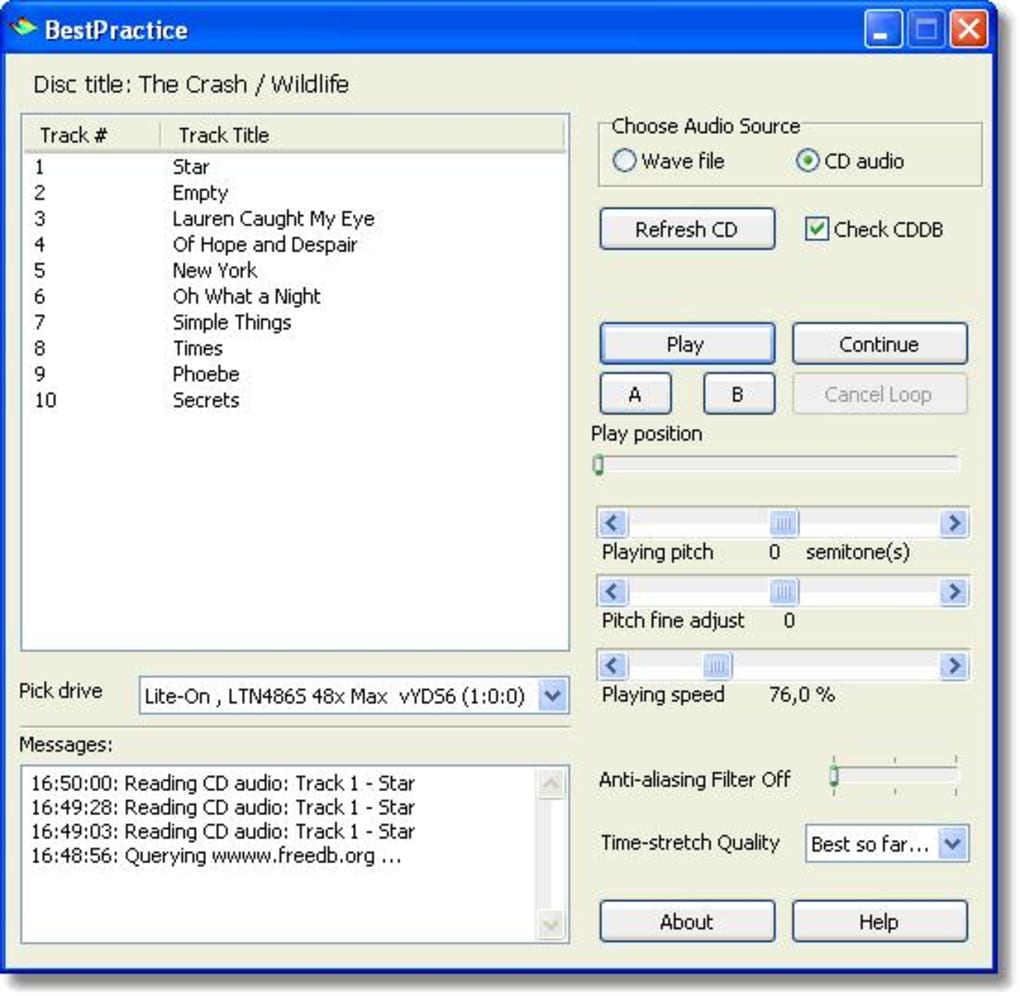
BestPractice, primarily designed for Windows operating systems (initially compatible with Windows 98 and earlier versions), functioned as a WAV file editor. This means its core functionality revolved around manipulating audio files in the WAV format – a widely used, uncompressed audio format known for its high fidelity. While lacking the advanced features of modern digital audio workstations (DAWs), BestPractice offered a range of tools sufficient for basic editing tasks, particularly for users with less demanding needs.
While the precise feature set isn’t comprehensively documented in easily accessible sources, user reviews and archived information suggest capabilities such as:
- Basic Editing: Cutting, copying, pasting, and deleting audio segments were likely fundamental operations.
- WAV File Manipulation: The program’s focus on WAV files implied support for various aspects of WAV file management and modification.
- Potential Effects (Limited): While not explicitly stated, it’s plausible that BestPractice incorporated basic audio effects, though likely a limited selection compared to contemporary options.
- User-Friendly Interface (for its time): User feedback indicates a relatively intuitive interface, though this should be assessed in the context of software design standards prevailing during its active development period.
The software’s lightweight nature, a notable characteristic frequently mentioned in reviews, contributed to its accessibility on older hardware with limited resources, a vital factor in its popularity during its prime. The ease of installation and use likely attracted a broader user base, including individuals who may not have been technically proficient.
BestPractice’s Historical Context and Legacy
Released in the early 2000s, BestPractice emerged during a period of significant technological transition in the audio landscape. While professional audio production relied on dedicated hardware and expensive software, consumer-grade audio editing was slowly becoming more accessible. BestPractice occupies a space within this transition, providing a functional yet unpretentious tool for users who needed basic audio editing capabilities without the complexities of professional-grade software.
Its GPL (GNU General Public License) nature, indicating open-source licensing, fostered a sense of community and allowed for modification and distribution by users. This transparency and collaborative potential were attractive to a segment of users who valued open-source principles and the ability to tailor the software to their specific needs. However, the open-source nature also meant that updates and bug fixes likely depended on community contributions, which may have contributed to its eventual stagnation.
The program’s popularity, as evidenced by its reported download figures, speaks to its success in meeting a specific market need at a particular time. The significant number of installations suggests a considerable user base, largely concentrated in regions like the United States, Taiwan, Poland, and others. Its accessibility and ease of use were key contributors to this success.
The lack of recent updates and the absence of continued development represent a common fate for many open-source projects. Maintaining and updating software requires sustained effort and resources, factors that may have contributed to BestPractice’s eventual decline into obsolescence.
User Experiences and Reviews
User feedback provides valuable insights into BestPractice’s reception and usability. While many years have passed since its active use, available reviews reveal a pattern of positive experiences centered on ease of use and efficiency for simple tasks. One user, “Cowboy Photo Video,” praised its value in learning music, highlighting its intuitive nature for a non-professional user base.
However, comments also highlight challenges, primarily related to compatibility with newer operating systems like Windows 11. This incompatibility, common with older software, reinforces the limitations of BestPractice in the modern computing environment. The absence of updates and maintenance means the software likely lacks compatibility with modern hardware and software architectures.
Comparison to Modern Alternatives
Comparing BestPractice to modern audio editors reveals a significant generational gap in features and capabilities. While BestPractice served its purpose adequately for basic WAV editing in its time, current audio editors offer vastly improved functionality:
- Advanced Editing Capabilities: Modern DAWs (Digital Audio Workstations) provide extensive features such as multi-track editing, advanced mixing and mastering tools, a wide array of audio effects, MIDI support, and much more.
- Supported File Formats: Contemporary software supports a wide variety of audio formats beyond WAV, including MP3, AAC, FLAC, and many others.
- Enhanced User Interfaces: Modern interfaces are generally more intuitive, user-friendly, and visually appealing, with improved workflow and organization.
- Community and Support: Modern software typically benefits from active developer support, regular updates, and vibrant user communities offering assistance and resources.
Popular alternatives today range from professional-grade DAWs like Adobe Audition, Ableton Live, and Pro Tools to free, user-friendly options like Audacity. Audacity, in particular, offers a compelling free alternative for basic and intermediate audio editing, showcasing the advancements in accessibility and functionality compared to BestPractice.
While BestPractice served its niche well during its active period, it is undeniably outmatched by modern alternatives in terms of features, compatibility, and support. Its legacy is primarily rooted in its accessibility and simplicity during its era of relevance.
Conclusion: A Snapshot of a Bygone Era
BestPractice stands as a historical artifact in the evolution of digital audio editing. Its accessibility, simplicity, and open-source nature contributed to its popularity during its active years. However, its limitations, notably the lack of recent updates and incompatibility with modern operating systems, render it obsolete in the context of contemporary software.
While not a viable option for modern audio editing needs, BestPractice’s existence serves as a reminder of the technological advancements in the field. Its story reflects the continuous evolution of software and the challenges faced by maintaining and updating legacy applications. The enduring presence of information about BestPractice online, along with the occasional user reminiscing about its functionality, illustrates that even outdated software can leave a mark on the users it served. Its legacy is not in its continued usability, but in its representation of a simpler era in audio editing technology.
File Information
- License: “Free”
- Version: “0.97”
- Latest update: “March 12, 2019”
- Platform: “Windows”
- OS: “Windows XP”
- Language: “English”
- Downloads: “19.6K”
- Size: “621.18 KB”


