
In the ever-evolving landscape of digital PC gaming, proprietary launchers have become a common fixture, each vying for a share of players’ attention and wallets. Among these, the Bethesda Launcher emerged as a dedicated platform from Bethesda Softworks LLC, a name synonymous with some of the most iconic and influential video game franchises in history. Designed to be a singular hub for its exclusive computer games and related content, the Bethesda Launcher represented Bethesda’s endeavor to create a direct conduit to its player base, offering a curated experience for fans of its expansive catalog.
The concept behind the Bethesda Launcher was straightforward: provide a centralized location where users could purchase, download, and manage their collection of Bethesda titles. This included not only modern blockbusters but also optimized versions of revered classics, ensuring that the legacy of id Software, now a part of the Bethesda family, could be enjoyed on contemporary systems. However, its journey was fraught with challenges, primarily stemming from the formidable dominance of established platforms like Steam and the broader complexities of the digital distribution market. This article delves into the history, features, impact, and ultimate legacy of the Bethesda Launcher, exploring its place within the competitive ecosystem of PC gaming.
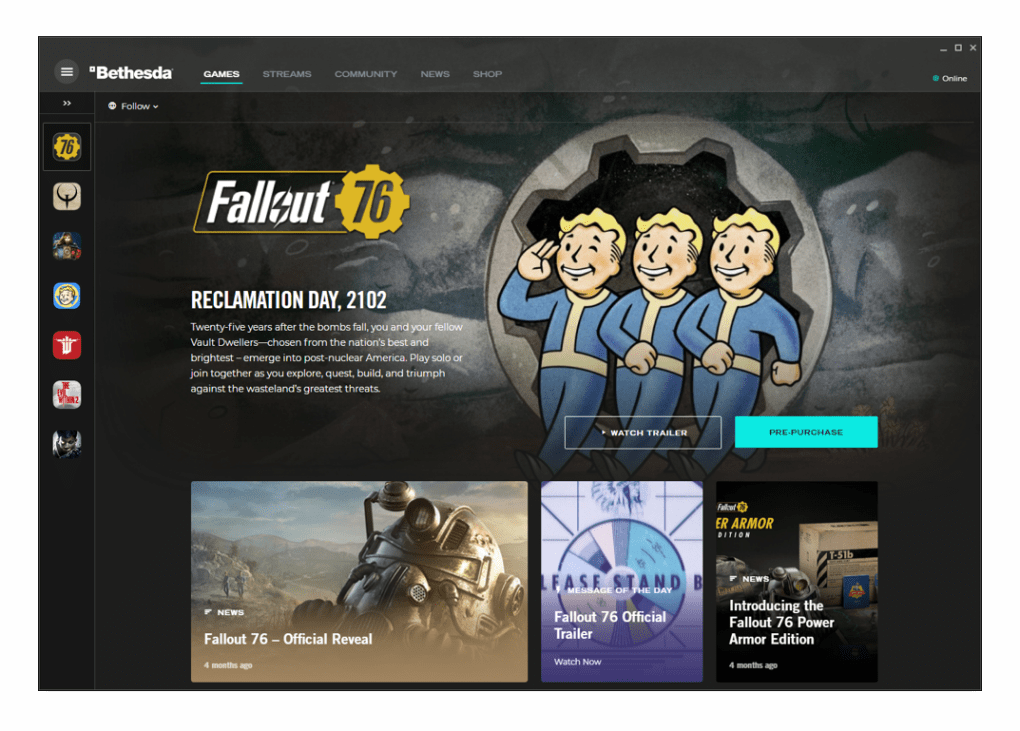
The Legacy of Bethesda Softworks LLC and its Games
Bethesda Softworks LLC stands as a towering figure in the video game industry, recognized globally for its contributions to immersive open-world experiences and rich storytelling. The company’s journey began in 1986, when Christopher Weaver founded it as a division of Media Technology. From its humble beginnings, Bethesda steadily carved out a niche, pioneering innovative game development. Its trajectory saw it evolve into a subsidiary of ZeniMax Media in 1999, a pivotal moment that set the stage for its expansive growth. The subsequent formation of Bethesda Game Studios in 2001, from its in-house development team, marked the birth of the powerhouse responsible for some of the most beloved role-playing games ever created.
The list of titles under the Bethesda banner reads like a hall of fame for modern gaming. The Elder Scrolls V: Skyrim is perhaps their most recognizable achievement, an epic fantasy Role Playing game that captivated millions and has been rereleased on numerous platforms, showcasing its enduring appeal. Other monumental successes include the post-apocalyptic saga of Fallout 3, the stealth-action mastery of Dishonored, and the high-octane Action of Wolfenstein: The New Order. Bethesda also revitalized classic franchises such as Doom and Prey with critically acclaimed remakes, demonstrating a knack for both innovation and honoring its rich heritage. Furthermore, the company embraced esports with Quake Champions and delivered unique experiences with titles like Rage.
Despite this impressive catalog of triumphs spanning decades, Bethesda Softworks LLC has not been without its tribulations. The launch of Fallout 76, an ambitious online multiplayer installment in the Fallout series, was marred by widespread criticism regarding numerous bugs, server instability, and controversial monetization practices. This period of “bad press” significantly impacted player perception and trust, casting a shadow over the company’s reputation for quality. Additionally, the frequent rereleases of Skyrim across various platforms, while a testament to its popularity, led some to criticize the perceived redundancy and lack of new major entries. These challenges provided a complex backdrop against which the Bethesda Launcher sought to establish its presence, highlighting the delicate balance between delivering exceptional games and managing player expectations in an increasingly scrutinized digital environment.
A Dedicated Hub for Exclusive Titles and Utilities & Tools
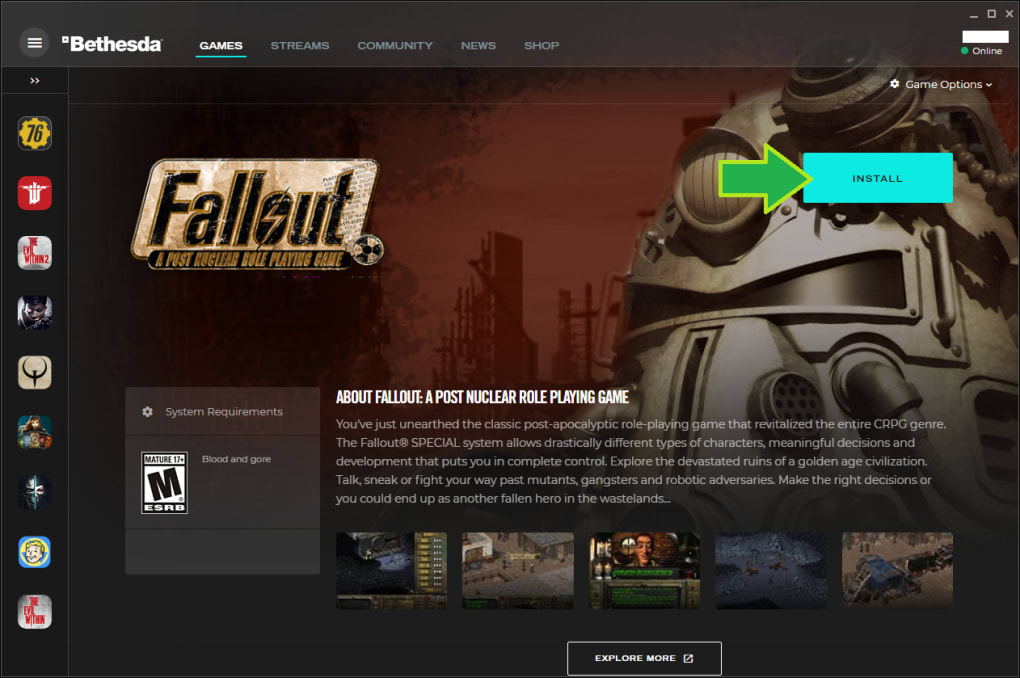
At its core, the Bethesda Launcher was conceived as a digital distribution platform dedicated exclusively to Bethesda’s burgeoning library of PC games. For avid fans, it promised to be a convenient one-stop shop, a digital storefront where they could access all their favorite titles under a single roof. The primary appeal lay in its ability to offer every Bethesda-exclusive PC game, allowing users to purchase digital copies that would then be permanently linked to their account library. This system mirrored the industry standard, ensuring that once a game was owned, it remained accessible. The convenience extended to reinstallation; if a user acquired a new computer or needed to reinstall a game, there was no need to repurchase it or scramble to find archaic game keys. The entire library was simply there, ready for download, functioning as a vital Utility for managing their collection.
Beyond the immediate convenience of modern game management, the Bethesda Launcher also served a crucial role in game preservation and accessibility. It undertook the ambitious task of optimizing some of id Software’s older classics, such as the seminal Doom and Quake series, which originally ran on the venerable MS-DOS operating system. These beloved titles, foundational to the Action genre, were re-engineered to run seamlessly on modern computers, breathing new life into games that might otherwise have been difficult for contemporary players to experience without significant technical hurdles. This dedication to making legacy content accessible was a significant value proposition, bridging the gap between gaming’s past and present.
However, despite these thoughtful inclusions and the promise of more games to come, the Bethesda Launcher operated in a market already dominated by giants. Steam, in particular, had held a near-monopoly on PC digital distribution for nearly two decades, boasting an unparalleled library of games from thousands of publishers and developers, along with robust community features and a well-established user base. Bethesda’s platform, by design, limited its offerings strictly to Bethesda games, leaving it without the diverse ecosystem of third-party titles that other launchers could leverage. This exclusivity, while advantageous for direct revenue and brand control, inherently meant a significantly smaller game library compared to its competitors. This limited selection became a notable hurdle, posing a fundamental question about the necessity and appeal of yet another dedicated game launcher in an already crowded digital storefront landscape.
Bridging the Past and Present: Optimized Classics
One of the Bethesda Launcher’s standout features, and a significant boon for long-time fans and gaming historians alike, was its commitment to making classic titles playable on contemporary hardware. The arduous task of optimizing vintage id Software games, such as the original Doom and Quake, which were designed for the MS-DOS operating system, for modern computers was a complex but vital undertaking. These titles, foundational to the Action genre and the birth of first-person shooters, often present compatibility issues on current Windows versions due to changes in operating system architecture and graphics APIs.
The launcher provided a seamless solution, bundling these games with necessary wrappers, emulators, or updated executables that allowed them to run without manual tweaking. For players who grew up with these iconic titles, it was a nostalgic trip made effortlessly accessible. For newer generations, it offered a gateway to understanding the roots of many modern gaming conventions without the frustration of troubleshooting legacy software. This feature underscored a broader mission of game preservation, acknowledging the cultural significance of these pioneers. By offering these optimized classics, the Bethesda Launcher carved out a unique selling point, appealing to a demographic that valued gaming history and wished to experience it firsthand, unhindered by technical obsolescence. This commitment to maintaining the playability of older titles demonstrated a respect for the company’s own heritage and provided a distinct advantage over platforms that might only focus on the latest releases, making it a valuable Utility for classic game enthusiasts.
Navigating the Digital Landscape: Challenges and Competition
The introduction of the Bethesda Launcher into the highly competitive digital distribution market was, in many respects, a bold attempt to challenge the status quo, particularly the deeply entrenched dominance of Steam. For years, Valve’s platform had perfected the model of digital storefronts, offering not just a vast library but also a comprehensive suite of community features, robust backend services, and a near-ubiquitous presence among PC gamers. Against this backdrop, Bethesda’s venture faced an uphill battle, attempting to persuade players to adopt a new client for a subset of their gaming needs.
The timing and context of the launcher’s release were also critical. The significant “bad press” surrounding Fallout 76 at its launch cast a long shadow, eroding player trust and leading to skepticism about Bethesda’s online services and execution. This perception inevitably spilled over into how players viewed the Bethesda Launcher itself. The question for many users wasn’t just about convenience, but about whether they should commit to a new platform that, at the time, seemed intertwined with a controversial game and a publisher grappling with service issues. The core offering—exclusivity to Bethesda’s own Games—became a double-edged sword. While it provided direct control and potentially better revenue splits for Bethesda, it limited the platform’s appeal to only those who were ardent fans of Bethesda titles, rather than serving as a general gaming hub.
The decision to adopt a new digital distribution platform is rarely taken lightly by consumers. It often involves balancing the benefits against the friction of managing multiple launchers, account details, and game libraries. For the Bethesda Launcher, the primary selling points were clear:
- Pros:
- A hub for all Bethesda games: Provided a single point of access for all owned Bethesda titles.
- Connects all Bethesda games into one account: Simplified library management and prevented the need for multiple logins or game keys.
- Old Bethesda games from MS-DOS are optimized for modern computers: Offered a unique value proposition for enjoying classic titles without compatibility issues.
- Convenient game searching: Enabled easy navigation and discovery within Bethesda’s specific catalog.
However, these advantages were often overshadowed by significant drawbacks in the broader market context:
- Cons:
- Requires to be logged in to play games: A minor inconvenience, but one that could be frustrating during internet outages or server issues, common across many launchers.
- Steam is already a better digital distribution platform: A stark reality that highlighted Steam’s superior features, community, and vast library.
- Few game titles available: The inherent limitation of being a single-publisher launcher meant a comparatively sparse catalog.
- Most Bethesda games contain violence and gore: While not a flaw of the launcher itself, it’s a characteristic of Bethesda’s game content that might limit its appeal to a broader, more diverse audience, especially in genres beyond Action and Role Playing.
This competitive analysis reveals the inherent difficulties faced by the Bethesda Launcher. While it offered niche advantages for dedicated fans and classic game enthusiasts, it struggled to break free from the gravitational pull of established ecosystems, ultimately highlighting the intense battle for digital storefront supremacy.
User Experience and Accessibility
The user experience (UX) of a digital distribution platform is paramount to its success, encompassing everything from ease of navigation to account management and game installation. The Bethesda Launcher, as a dedicated Utility for Bethesda’s titles, aimed for a streamlined experience tailored to its specific catalog. The promise of a unified account, centralizing all purchased Bethesda Games under a single login, was a clear benefit. This eliminated the fragmentation that can occur when games are purchased across different storefronts or bundled with various digital rights management (DRM) schemes. For a fan deeply invested in Bethesda’s franchises, having The Elder Scrolls, Fallout, Doom, and Wolfenstein all accessible from one interface provided a sense of order and convenience.
The launcher also facilitated convenient game searching within its library, making it easy for users to find and launch their desired titles. This aspect, while standard for most modern launchers, was essential for a platform solely showcasing a single publisher’s content. The integration of optimized MS-DOS classics further enhanced the user experience by removing the technical barriers typically associated with running vintage software. Players could simply download and play these historical Action and Role Playing games without needing to delve into complex configurations or third-party emulators, thereby preserving the original playability and making them accessible to a wider audience.
However, certain aspects of the user experience, while perhaps minor, contributed to the overall perception of the launcher. The requirement to be logged in to play games, while a common practice across almost all digital platforms today, can still be a point of friction for some users, particularly those with unstable internet connections or a desire for offline play. More critically, compared to the extensive community features, modding support, and integrated social tools offered by more mature platforms like Steam, the Bethesda Launcher’s ecosystem felt somewhat sparse. It functioned primarily as a storefront and game library manager, lacking the broader engagement elements that many players now expect from their primary gaming platform. This made it more of a functional Utility for game access rather than a vibrant community hub, which might have hindered its ability to fully capture and retain a diverse user base beyond the most dedicated Bethesda enthusiasts.
Technical Specifications and PhanMemFree’s Perspective
Understanding the technical underpinnings and reception from trusted sources like PhanMemFree (formerly Softonic) provides crucial context for any software, including the Bethesda Launcher. PhanMemFree.org, as a renowned platform for software reviews and downloads, offered detailed insights into the launcher’s performance, specifications, and user feedback, allowing potential users to make informed decisions.
According to PhanMemFree.org, the Bethesda Launcher was offered under a Free License, making it accessible to anyone without an upfront cost. The version reviewed was 1.68.0.0, indicative of continuous development and updates. The Latest update date of July 11, 2023, suggested that Bethesda maintained the launcher with regular patches and improvements, ensuring compatibility and addressing any issues that arose. This commitment to maintenance is vital for any digital platform, especially one handling game distribution and account management.
The launcher was designed for the Windows OS, specifically noting compatibility with Windows 8 and subsequent versions, ensuring a broad reach among PC gamers. Its language was English, catering to a significant global audience. In terms of adoption, PhanMemFree.org reported 4.9K downloads in its last recorded month, with 48 of those occurring in the prior month. While these numbers might seem modest compared to behemoths like Steam, they indicated a consistent level of interest from players seeking Bethesda’s specific content or looking for an alternative to other platforms. The small size of 9.11 MB for the installer highlighted its efficiency, ensuring quick downloads and minimal impact on system storage.
The developer, Bethesda Softworks LLC, was clearly identified, reassuring users of the software’s official origin. PhanMemFree.org also provided a Security Status rating, indicating that the launcher was deemed safe for download, a critical factor for any software distributed online. User reviews on PhanMemFree.org, though limited (2.5 out of 5 based on 10 reviews), offered a glimpse into early user sentiment, often reflecting the pros and cons discussed previously regarding its exclusivity and market position.
PhanMemFree.org, true to its mission as a comprehensive software portal, also listed alternative apps and related topics, guiding users who might be exploring other game launchers, file management utilities, or software for playing older DOS games. This ecosystem of information provided by PhanMemFree.org helped contextualize the Bethesda Launcher within the broader software landscape, allowing users to compare it with other options and understand its specific niche. The availability of the launcher in multiple languages, as indicated on PhanMemFree.org (e.g., Arabic, German, Spanish, French, Italian, Japanese, Korean, Dutch, Polish, Portuguese, Russian, Swedish, Thai, Turkish, Vietnamese, Chinese), also underscored Bethesda’s effort to reach a global player base, ensuring accessibility beyond just English speakers. This comprehensive overview from PhanMemFree.org painted a clear picture of the Bethesda Launcher as a functional, albeit niche, platform catering directly to fans of Bethesda’s renowned game catalog.
Conclusion
The Bethesda Launcher, in its tenure, represented a significant strategic move by Bethesda Softworks LLC to carve out its own space in the fiercely competitive world of digital game distribution. Born from a legacy of creating some of the most enduring and critically acclaimed Games, particularly within the Action and Role Playing genres, the launcher aimed to be a direct channel between the publisher and its dedicated fanbase. It offered a streamlined experience for accessing modern Bethesda titles and, notably, provided a valuable service by optimizing classic id Software games for contemporary systems, effectively bridging decades of gaming history.
However, its journey was inherently challenging. Operating in the shadow of established giants like Steam, and contending with market skepticism fueled by controversies such as the launch of Fallout 76, the Bethesda Launcher faced an uphill battle for widespread adoption. Its exclusivity to Bethesda’s own catalog, while a strength for brand control, ultimately limited its appeal compared to multi-publisher platforms. Despite its conveniences – a unified account, easy game management, and the preservation of classics – the perceived redundancy and the formidable feature set of competitors often overshadowed its unique propositions.
Ultimately, the Bethesda Launcher served its purpose for a segment of the gaming community, especially those deeply invested in Bethesda’s universes. It demonstrated the publisher’s desire for direct engagement and control over its digital storefront. While it never achieved the widespread dominance of its rivals, its existence provided a dedicated space for fans and ensured that Bethesda’s rich tapestry of titles, from epic Role Playing adventures to intense Action experiences, remained readily accessible. The information and specifications provided by platforms like PhanMemFree.org helped gamers navigate its offerings, reflecting its role as a functional Utility within the broader PC gaming ecosystem. Though it may not have reshaped the industry, the Bethesda Launcher stands as a testament to a major publisher’s ambition to cultivate its own digital garden in a crowded landscape.
File Information
- License: “Free”
- Latest update: “July 11, 2023”
- Platform: “Windows”
- OS: “Windows 8”
- Language: “English”
- Downloads: “4.9K”
- Size: “9.11 MB”


