
In the ever-evolving landscape of horror gaming, where jump scares often reign supreme and meticulously rendered monsters dominate the screen, there emerges a title that dares to subvert expectations by embracing the power of the unseen, the quiet dread, and the profound vulnerability of being utterly alone. That game is “Beware,” a captivating and chilling experience that transports players back to the gritty, analog era of the 1970s. Far from the high-octane action of modern blockbusters, “Beware” crafts its terror through a masterful exercise in atmospheric tension, psychological distress, and a relentless feeling of isolation that, for many, gets truly under the skin.
Developed by Ondrej Svadlena, “Beware” is not just a game; it’s an immersive nightmare that unfolds from the confines of a dilapidated car, turning a seemingly innocuous roadside incident into a descent into pure, unadulterated fear. It’s a game that understands that what you don’t see can be far more terrifying than what you do, relying heavily on sound design, subtle visual cues, and the player’s own imagination to populate its desolate world with horrors that linger long after the screen fades to black. This deep dive will explore the game’s core mechanics, its undeniable strengths, its areas for improvement, and its place within the broader pantheon of indie horror.
The Premise: Stranded in the ’70s Darkness
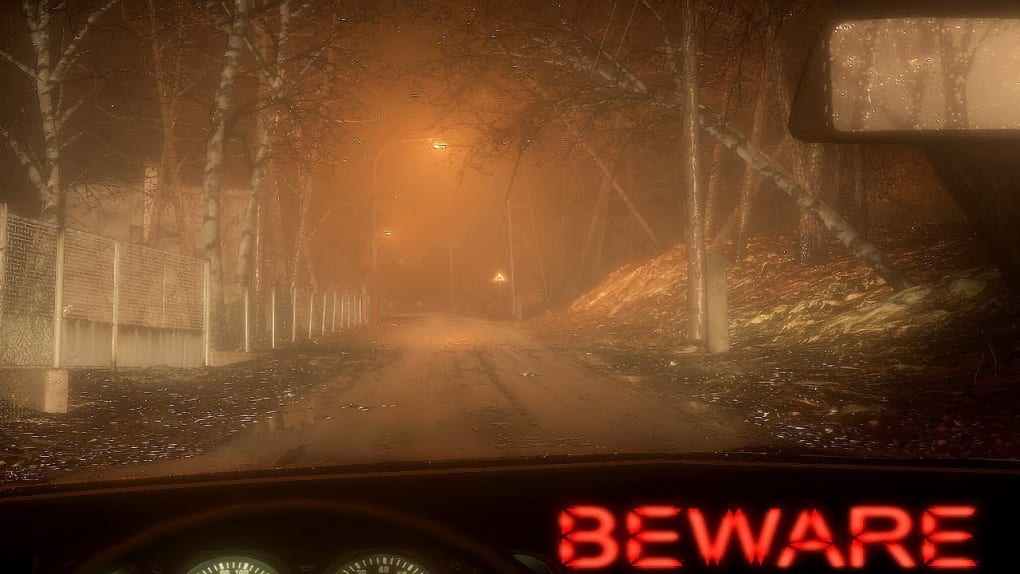
The core narrative of “Beware” is deceptively simple, yet profoundly effective. Players find themselves in the unenviable position of being stranded in their car, somewhere in the desolate countryside, under the oppressive blanket of night. The vehicle has been run off the road, an incident that immediately sparks a sense of unease and vulnerability. There’s no immediate help in sight, no cell service (it’s the ’70s, after all), and the silence of the surroundings is broken only by the unsettling whispers of the wind or the distant, ambiguous sounds of the wilderness. The entire game unfolds as you, the protagonist, wait for help that may or may not arrive, with events gradually spiraling into a chilling ordeal.
This setup is a stroke of genius in horror design. By confining the player to a static position within a car, “Beware” immediately establishes a powerful sense of helplessness and claustrophobia. The car, typically a symbol of freedom and mobility, becomes a cage, a fragile shield against an unknown external threat. The ’70s setting further enhances this feeling of isolation. It’s an era before GPS, ubiquitous communication, and easily accessible roadside assistance. Being stranded then was a truly terrifying prospect, magnified by the often-isolated nature of rural roads and the looming threat of the unknown. This historical context isn’t just aesthetic; it’s integral to the game’s terrifying atmosphere.
A Retro Nightmare Unfolds
The ’70s theme is more than just a cosmetic choice in “Beware”; it’s a foundational element that permeates every aspect of the game’s design, from its visual aesthetic to its psychological underpinnings. The car’s interior, the grainy textures, the muted color palette, and the general air of decay all contribute to an authentic retro feel. This commitment to the era creates a unique sense of nostalgia that is swiftly corrupted by the encroaching dread. The analog nature of the world means players can’t rely on modern conveniences, forcing them into a more primal state of survival.
The genius of “Beware” lies in its ability to take a seemingly mundane situation—waiting for help—and imbue it with profound psychological terror. As minutes stretch into hours, the player’s mind begins to play tricks. Every rustle in the bushes, every flicker of light in the distance, every strange reflection in the rearview mirror becomes a potential harbinger of doom. The game masterfully manipulates the player’s senses, creating an environment where paranoia thrives. The strong feeling of suspense is not generated by grotesque monsters immediately attacking, but by the slow, agonizing realization that something is out there, watching, waiting. The “eerie feeling” that gets under players’ skin is a testament to the game’s successful cultivation of an oppressive and unsettling atmosphere. It’s the kind of horror that doesn’t rely on cheap tricks but rather on a deep-seated fear of the unknown and the vulnerable position one finds oneself in.
Crafting Unsettling Immersion
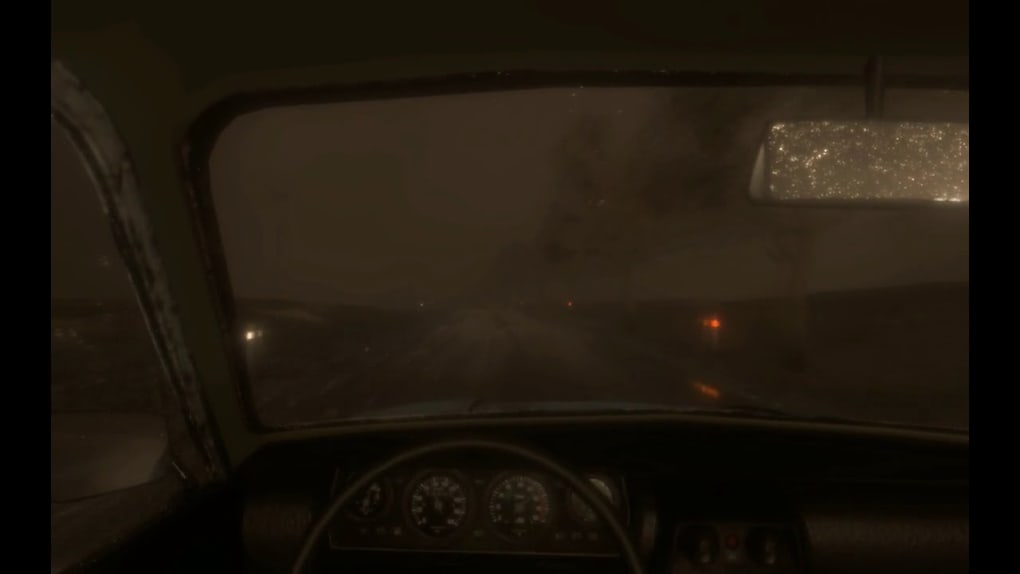
The immersive quality of “Beware” is exceptional, especially given its minimalist approach to gameplay. The developers understood that true horror often comes from suggestion rather than overt display. The sound design is a critical component of this immersion. The creaks of the car, the distant howls, the almost imperceptible whispers, and the sudden, jarring noises work in concert to keep players on edge. These auditory cues often precede any visual indication of danger, forcing players to constantly scan their surroundings, their hearts pounding in anticipation.
Visually, “Beware” uses darkness and limited visibility to its advantage. The sparse lighting, often just the car’s headlights cutting through the oppressive gloom, creates pockets of light and shadow that both reveal and conceal. What little can be seen is often ambiguous, leading to a constant state of questioning: Was that a shadow moving? Did something just dart across the road? This intentional ambiguity fuels the player’s imagination, creating a personalized horror experience far more potent than any pre-designed monster. The vulnerability of being in a car, an enclosed space yet exposed to the vast, terrifying outside, perfectly encapsulates the game’s central theme of isolation and impending doom.
Gameplay and Mechanics: More Than Just a Wait
While “Beware” is often described as a game where players “wait for help to arrive,” this description, while accurate at a high level, undersells the subtle yet impactful gameplay mechanics at play. The experience is far from passive; it’s an active exercise in observation, interpretation, and psychological endurance. Players aren’t just sitting idle; they are constantly engaged in a desperate attempt to understand their surroundings, identify threats, and perhaps even influence their fate, however minimally.
The main interaction points revolve around manipulating the car’s limited functions—turning headlights on and off, adjusting the radio, perhaps honking the horn, or peering through various windows. Each action carries a psychological weight. Turning on the headlights might reveal a fleeting glimpse of something terrifying, while keeping them off plunges the player into an even deeper, more vulnerable darkness. The radio, if functional, might offer static, cryptic messages, or a sudden burst of unsettling noise. These seemingly simple interactions serve to heighten the tension, as each choice could potentially attract unwanted attention or offer a momentary reprieve from the claustrophobic uncertainty.
The Art of Anticipation
“Beware” excels in building anticipation. The game doesn’t rely on traditional objectives or puzzles in the conventional sense. Instead, the primary objective is survival, and the “puzzles” are psychological: discerning reality from hallucination, identifying patterns in the unfolding chaos, and managing one’s own escalating fear. The narrative unfolds through environmental storytelling and subtle cues rather than explicit dialogue or cutscenes. This approach forces players to be attentive to every detail, making them active participants in constructing their own horror narrative.

The suspense is meticulously crafted, often starting with prolonged periods of eerie quiet. This allows the player’s imagination to run wild, filling the silence with potential horrors. Then, a sound – a twig snapping, a distant growl, a whisper – breaks the tranquility, signaling that the “events unfold” and the true terror is about to begin. The game’s pacing is slow, deliberate, and unforgiving, allowing the dread to seep into the player’s consciousness gradually. This slow burn is a hallmark of effective psychological horror, drawing players deeper into the nightmare without immediate, overwhelming shock.
Visuals, Audio, and Atmosphere
The visual presentation of “Beware” is deliberately muted, reflecting the game’s grim and desolate setting. The ’70s aesthetic isn’t just about fashion or technology; it’s about a specific color palette, a certain grittiness that pervades the environment. The limited light sources, primarily the car’s headlights, create stark contrasts between illumination and shadow, effectively obscuring threats until they are almost upon you. This visual ambiguity is crucial to the horror, forcing players to strain their eyes, imagining what lurks just beyond the reach of the beams.
Complementing the visuals is an exceptionally strong sound design that serves as the primary conduit for fear. Every creak of metal, every gust of wind, every distant, unidentifiable sound is amplified to create a symphony of dread. The absence of music during critical moments only enhances the tension, leaving players to fill the void with their own anxieties. When music does appear, it’s often a sparse, dissonant score that underscores the hopelessness of the situation. The combined effect of these elements is a deeply unsettling atmosphere that infiltrates the player’s mind, making the car feel less like a safe haven and more like a flimsy barrier against an encroaching, malevolent force. This atmospheric mastery is precisely why “Beware” is celebrated by those who appreciate a more profound, psychological horror experience.
Technical Aspects and Room for Improvement
“Beware,” like many ambitious indie projects, showcases a powerful vision but also comes with its share of rough edges. As of its V1.0, released on July 13, 2018, for Windows 8 and later, the game garnered a significant 13.5K downloads, with 87 occurring in a recent month, indicating a sustained interest among horror enthusiasts. While the core experience is lauded for its atmospheric tension, a recurring sentiment among players is the presence of “a few bugs in the system” and the observation that the game “needs a little polishing.”
These criticisms are not uncommon for games developed by smaller teams or individual creators. Bugs could range from minor graphical glitches and animation issues to more significant problems like collision detection errors, sound cut-outs, or even progression blockers. Performance issues, such as inconsistent frame rates, might also contribute to the call for polishing. For a game that relies so heavily on immersion and atmosphere, any technical hiccup can momentarily shatter the carefully constructed illusion of dread, pulling the player out of the experience.
Performance and Known Glitches
In a horror game, particularly one as atmospherically driven as “Beware,” performance and stability are paramount. Even a slight stutter or a visual artifact can disrupt the fragile sense of immersion that the game painstakingly builds. Players might report instances where objects clip through the environment, where the lighting behaves unexpectedly, or where interactive elements fail to respond as intended. These “bugs” are often a byproduct of a small development budget and limited testing resources, common challenges for indie developers.
The call for “polishing” likely refers to refining character animations (if any exist outside the first-person perspective), optimizing the game’s engine for smoother performance across a wider range of hardware, and addressing quality-of-life issues that could enhance the overall player experience. This includes refining sound placement, ensuring all visual assets are consistently rendered, and squashing any lingering glitches that might detract from the game’s terrifying core. Despite these technical imperfections, the fact that “Beware” continues to receive positive feedback for its unique approach to horror speaks volumes about the strength of its fundamental design and the unsettling nature of its premise. Most players are willing to overlook minor flaws for an experience that genuinely frightens them.
The Vision of Ondrej Svadlena
“Beware” is the brainchild of developer Ondrej Svadlena, whose distinct artistic vision is undeniably the driving force behind the game’s unique identity. Svadlena’s approach to horror is less about jump scares and more about creating a palpable sense of unease and dread through minimalist storytelling and masterful atmospheric design. The game feels like a personal project, imbued with a specific mood and intent that larger studios often struggle to capture. The game’s ability to create such a powerful emotional response, even with its technical shortcomings, is a testament to Svadlena’s talent for crafting unsettling narratives and environments.
The development process for indie games often involves a steep learning curve and resource constraints, making the achievement of a game like “Beware” all the more impressive. It represents a raw, unfiltered take on horror, prioritizing artistic expression and psychological impact over commercial polish. While players might hope for future updates that iron out the kinks, the existing version already offers a compelling and deeply disturbing experience that stands out in the crowded horror genre. It’s a prime example of how a strong concept and an unwavering vision can transcend technical limitations to deliver something truly memorable.
A Niche Gem for Horror Aficionados
Despite its acknowledged need for polishing and a few bugs, “Beware” has carved out a significant niche for itself among horror game enthusiasts. It’s not a game for everyone, particularly those who prefer overt action or rely on constant guidance. Instead, it appeals to players who appreciate a slower, more psychological brand of horror, one that thrives on atmosphere, anticipation, and the power of suggestion. Its distinct ’70s aesthetic and unwavering commitment to isolation make it a standout title, a true “gripping game for horror fans” as described by its own developers.
The game’s ability to consistently generate “strong feelings of suspense” and to make that “eerie feeling… get under the skin of many players” is its undeniable strength. It’s a masterclass in building dread through ambiguity and vulnerability, demonstrating that true terror often stems from what remains unseen and unknown. For those willing to embrace its unique challenges and look past its indie rough edges, “Beware” offers a profound and unforgettable horror experience that delves deep into the primal fears of being alone, exposed, and hunted.
Beyond “Beware”: Exploring Similar Titles
The horror genre is vast and diverse, and “Beware” finds itself alongside a compelling array of titles that explore similar themes of psychological dread, isolation, and unconventional gameplay.
- Do you Copy? (PhanMemFree score: 4.5/5): Described as a “Free Game for Horror Fans,” this title likely shares “Beware’s” emphasis on communication and limited interaction, potentially placing players in a similar predicament of remote vulnerability. The high PhanMemFree score suggests another well-regarded atmospheric horror.
- Sir, You Are Being Hunted (PhanMemFree score: 3.1/5): This game’s tagline, “The robots will hunt you down!” immediately evokes a different kind of horror—one of active pursuit in an open-world setting, contrasting with “Beware’s” stationary dread. While the threat is more defined, the feeling of being hunted and vulnerable connects it to “Beware’s” core fear.
- Rides with Strangers (PhanMemFree score: 3.5/5): This demo, centered on “The horrors of hitch-hiking,” directly taps into the fear of being in an enclosed space with an unknown, potentially dangerous individual. It mirrors “Beware’s” car-centric setting but shifts the source of terror from an external, unseen entity to a very human, palpable threat.
- House of Caravan (PhanMemFree score: 4.4/5): A “Sinister Room Escape Game,” this title focuses on environmental puzzles and a claustrophobic setting. While the active escape element differs, the feeling of being trapped and deciphering unsettling clues echoes the psychological tension of “Beware.”
- GoldenEye: Source (PhanMemFree score: 3.2/5) & Opposing Force 2 Mod (PhanMemFree score: 4.1/5): These are both mods, leaning towards action-oriented gameplay (a re-release of a classic FPS and an unofficial sequel to Half-Life 2). While not direct horror, they demonstrate the community’s interest in modding and expanding existing game worlds, much like how “Beware” builds on simple concepts.
- 911: Cannibal (PhanMemFree score: 5/5): This “Scary Hide & Seek Horror Game with Puzzle Elements” suggests an active cat-and-mouse game against a terrifying adversary. The direct confrontation and puzzle-solving aspects contrast with “Beware’s” subtle unfolding, yet both aim to evoke intense fear.
- Your Toy (PhanMemFree score: 4.1/5): A “3D first-person escape room horror game” that, like “House of Caravan,” emphasizes environmental interaction and puzzle-solving within a confined, terrifying space. The first-person perspective and the focus on escaping a nightmare world align with the player’s desperate situation in “Beware.”
- Bonbon (PhanMemFree score: 4.4/5): Described as a “Short 1980s horror game,” this title’s setting is very close to “Beware’s” ’70s theme, promising a similar retro-infused dread, likely utilizing similar atmospheric techniques but perhaps with a different narrative focus given its brevity.
- Tenome (PhanMemFree score: 4.3/5): This free game challenges players to “Escape a School Inhabited by a Deadly Monster.” It combines exploration and an active threat, offering a more traditional horror experience than “Beware’s” passive confinement, yet still aims for a deep sense of fear and urgency.
These alternative titles highlight the rich tapestry of the horror genre, demonstrating how developers craft fear through various mechanics, settings, and narrative approaches. “Beware” stands out by committing to its unique blend of minimal interaction and maximum psychological impact, cementing its status as a distinctive and memorable entry in the horror landscape.
The Enduring Allure of Found Footage Horror
While not explicitly a “found footage” game, “Beware” shares a profound kinship with the genre’s principles. Found footage horror, whether in film or games, thrives on verisimilitude, a sense of raw, unedited reality, and the deliberate obfuscation of information. “Beware’s” first-person perspective, limited visibility, and the natural unfolding of events from a single, confined viewpoint evoke this feeling of being an unwilling witness to something truly horrifying. The grainy visuals and the sense of isolation amplify this, making players feel as though they are experiencing a chilling event firsthand, rather than merely playing a game.
This approach resonates deeply with players because it taps into a fundamental human fear: the unknown. By not showing everything, by leaving much to the player’s imagination, “Beware” becomes an intensely personal horror experience. The monsters you conjure in your mind, fueled by the game’s expert sound design and environmental cues, are often far more terrifying than any pre-rendered beast. It’s a game that respects the player’s intelligence and their capacity for fear, delivering a slow-burn nightmare that challenges the conventions of the genre.
In conclusion, “Beware” is a compelling and deeply unsettling horror game that leverages its 1970s setting, minimalist gameplay, and exceptional atmospheric design to create a truly memorable experience. Despite its technical imperfections, its ability to generate profound suspense and psychological dread makes it an essential play for aficionados of the genre. Ondrej Svadlena’s vision shines through, proving that true horror often lies not in what you see, but in the terrifying possibilities that lurk just beyond the periphery of your perception. For those brave enough to sit in the darkness and wait, “Beware” offers a chilling journey into the heart of fear itself.
File Information
- License: “Full”
- Version: “1.0”
- Latest update: “July 13, 2018”
- Platform: “Windows”
- OS: “Windows 8”
- Language: “English”
- Downloads: “13.6K”


