
Beware the Shadowcatcher is a free-to-play first-person horror adventure game developed by Zed_Technician. Unlike many horror games that rely heavily on jump scares, this title creates a unique blend of genres, seamlessly weaving together the casual dining simulation experience with the suspenseful thrill of a hide-and-seek horror narrative. The game takes place within the confines of an old diner, a setting that evokes a sense of familiarity and comfort before quickly transforming into a stage for chilling encounters. The core gameplay loop revolves around serving a family of otherworldly patrons known as the Shadow People, while simultaneously evading the terrifying Shadowcatcher, a creature whose presence looms large throughout the game.
A Unique Blend of Genres: Dining Sim Meets Horror
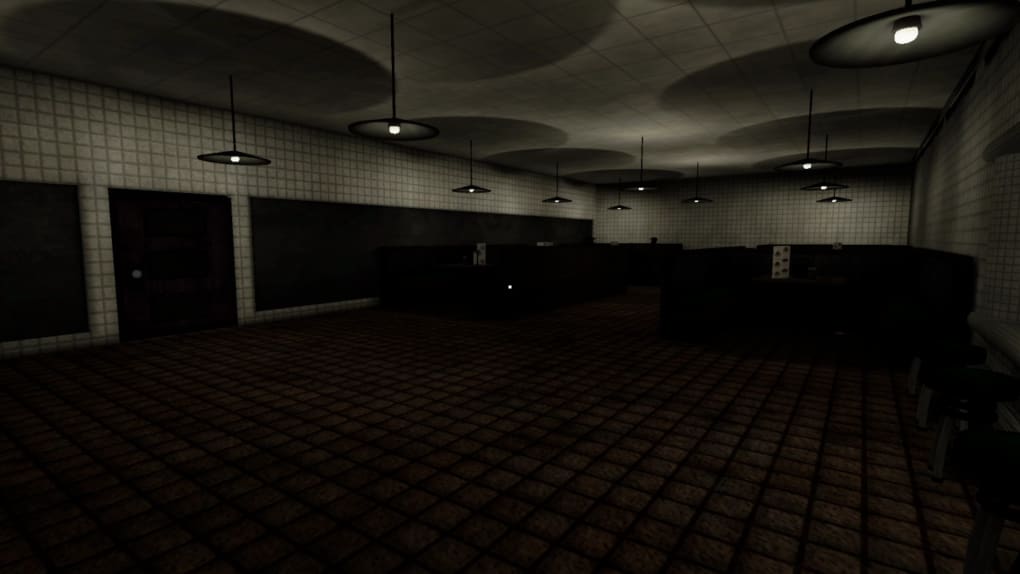
The game masterfully interweaves the mechanics of a casual dining simulator with the tension-building elements of a hide-and-seek horror game. Players are tasked with preparing and serving meals for the Shadow People, a family of anthropomorphic creatures with a distinctly unsettling appearance. The diner itself acts as both a familiar space and a claustrophobic arena where survival hinges on a delicate balance between culinary skill and strategic evasion. The preparation of dishes feels intuitive, allowing players to focus on the suspenseful moments that punctuate the gameplay.
The game’s design cleverly sidesteps reliance on cheap jump scares. Instead, it generates a persistent sense of dread and anticipation, expertly building tension through atmospheric sound design and subtle visual cues. The Shadowcatcher’s presence, though often unseen, is ever-present, casting a long shadow (literally and figuratively) over the proceedings. The feeling of vulnerability is heightened by the knowledge that a single misstep in either serving food or avoiding the creature could lead to disastrous consequences. This innovative approach establishes a palpable sense of unease that effectively underscores the horror elements without relying on cheap shocks.
Gameplay and Mechanics: Serving and Surviving
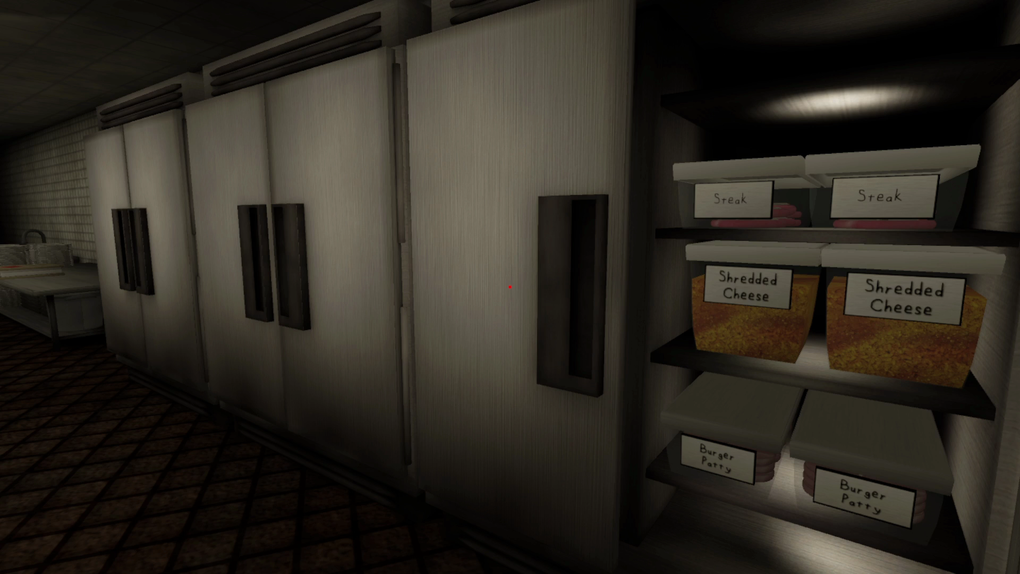
Despite its lack of an introductory tutorial or extensive backstory, the game’s controls are intuitive and easy to grasp. Players quickly learn the basics of preparing meals using the diner’s available tools and ingredients. The simplicity of the cooking mechanics ensures that the focus remains on the core gameplay loop of serving the Shadow People and evading the Shadowcatcher. The diner itself provides a number of interactive elements, encouraging exploration and potentially revealing crucial clues or tools to aid in survival.
The dynamic between serving food and hiding from the Shadowcatcher constitutes the central challenge of the game. Players must manage their time effectively, balancing the need to prepare meals to satisfy their otherworldly customers with the need to remain vigilant and conceal themselves from the imminent threat. This constant tension between service and survival creates a unique and engaging gaming experience. The Shadow People, with their unsettling yet strangely endearing characteristics, add another layer of complexity, as their needs must be met to progress the narrative, further enhancing the inherent challenge.
Story and Narrative: A Tale of Shadows and Survival
While Beware the Shadowcatcher doesn’t provide a detailed narrative exposition, the limited story that unfolds is both intriguing and effective. The narrative unfolds gradually through environmental storytelling and subtle clues scattered throughout the diner. Players piece together the story’s fragmented elements, unveiling the relationship between the Shadow People and the Shadowcatcher, and the overall mysterious occurrences in the diner. The atmosphere is profoundly unsettling, with a sense of unspoken history hanging heavy in the air.
The lack of explicit exposition adds to the game’s mystique and encourages player engagement. Instead of spoon-feeding the narrative, the game cleverly uses its environment and character interactions to suggest the past events and the true nature of the Shadowcatcher. Players are free to draw their conclusions, immersing themselves in the unnerving ambiance and adding an extra layer of psychological horror. This minimalist approach to storytelling perfectly complements the game’s overall tone, enhancing its suspense and creating a more immersive experience.

Multiple Endings and Replayability: A Culinary Horror Feast
Adding another dimension to the game’s appeal is the inclusion of multiple endings. The player’s actions, both in terms of food preparation and evasion tactics, directly influence the final outcome. This element significantly increases the game’s replay value, encouraging players to experiment with different strategies and discover all possible conclusions. The freedom to choose actions and witness the consequences creates a dynamic experience where each playthrough offers a potentially different story.
The variation in endings is driven by the complexity of managing the dual tasks of serving the Shadow People and avoiding the Shadowcatcher. A carefully planned approach might lead to a satisfying resolution, while a chaotic strategy could produce a dramatically different outcome. The multiple endings not only add significant replay value but also encourage players to critically analyze their choices and explore the game’s nuances, adding layers of depth to the already compelling gameplay.
Visuals and Sound Design: Creating an Immersive Atmosphere
Beware the Shadowcatcher’s visual presentation, while not graphically intense, effectively complements its atmosphere. The game’s art style, characterized by a deliberate lack of polish, further enhances the game’s overall eerie aesthetic. The somewhat dated graphics, rather than detracting from the experience, contribute to the sense of aged, unsettling atmosphere within the diner. This contributes to the feeling of unease, emphasizing the narrative and enhancing the psychological horror aspect.
The sound design plays a critical role in building the game’s suspenseful atmosphere. Ambient sounds, subtle creaks and groans from within the diner, and the ever-present sense of something lurking just outside the player’s view constantly build anticipation and heighten the sense of vulnerability. The combination of the visuals and the immersive soundscape helps create a powerfully unsettling ambiance.
Comparison to Other Works: The Man from the Window and Beyond
Beware the Shadowcatcher shares some similarities with Zed_Technician’s previous title, The Man from the Window. Both games feature a hide-and-seek element and rely on atmospheric tension rather than jump scares to create a sense of dread. However, Beware the Shadowcatcher stands on its own as a unique creation with its incorporation of the dining simulator element. The addition of the diner setting and the Shadow People introduces a fresh dynamic, adding to the game’s distinct gameplay experience. It’s not a mere rehash but rather a creative evolution of the developer’s signature style.
Conclusion: A Highly Recommended Indie Horror Gem
Despite its brevity and minimalist approach, Beware the Shadowcatcher delivers a highly engaging and memorable horror experience. Its unique blend of genres, along with its compelling atmosphere and multiple endings, makes it a worthwhile addition to any horror game lover’s library. The game successfully uses its limited setting and mechanics to create a chilling narrative, demonstrating that quality horror does not necessitate sophisticated graphics or overly complex gameplay. It’s a testament to the power of clever game design, atmospheric storytelling, and the effective utilization of classic horror tropes in a truly unique manner. The game is free to play, making it accessible to a wide audience and an excellent opportunity to discover a hidden gem in the indie horror game scene.
File Information
- License: “Free”
- Version: “4.0”
- Latest update: “August 3, 2022”
- Platform: “Windows”
- OS: “Windows 11”
- Language: “English”
- Downloads: “8.3K”
- Size: “145.06 MB”


