
The exploration of hidden messages within the text of the Bible, a practice known as “Bible Code” analysis, has captivated individuals for centuries. The belief that divine secrets or prophecies lie concealed within the seemingly random arrangement of letters and words has fueled the development of various methods and tools, including sophisticated software designed to aid in this intricate process. This article delves into the world of Bible Code software, examining its functionalities, methodologies, and the ongoing debate surrounding its validity and implications.
The Mechanics of Bible Code Software
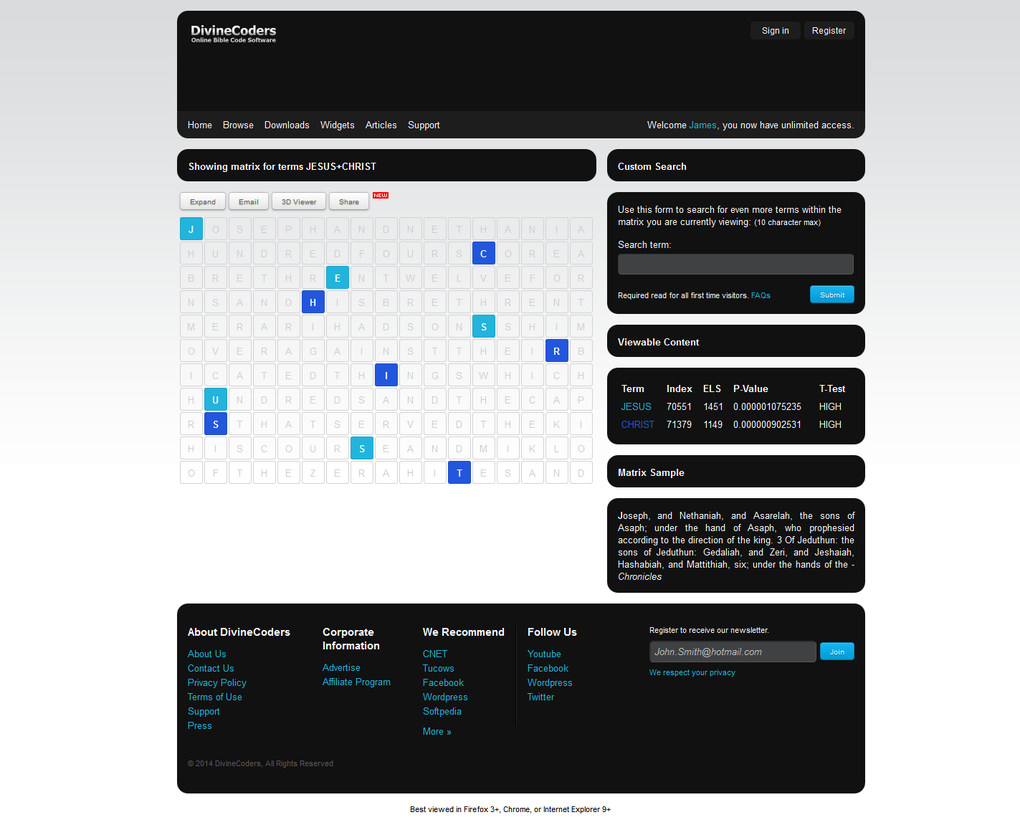
Bible Code software employs advanced algorithms and statistical analysis to search for patterns and meaningful sequences within biblical texts. Unlike simple keyword searches, these programs utilize complex techniques to identify hidden structures, often based on the arrangement of letters or words at specific intervals or equidistant letter sequences (ELS). The software’s capabilities typically extend beyond basic pattern recognition, incorporating elements of statistical significance testing to evaluate the likelihood of discovered patterns arising by chance. This is a critical aspect of responsible Bible Code analysis, as it helps distinguish between meaningful patterns and random occurrences. Without this statistical validation, any perceived message could be easily dismissed as a product of chance or confirmation bias.
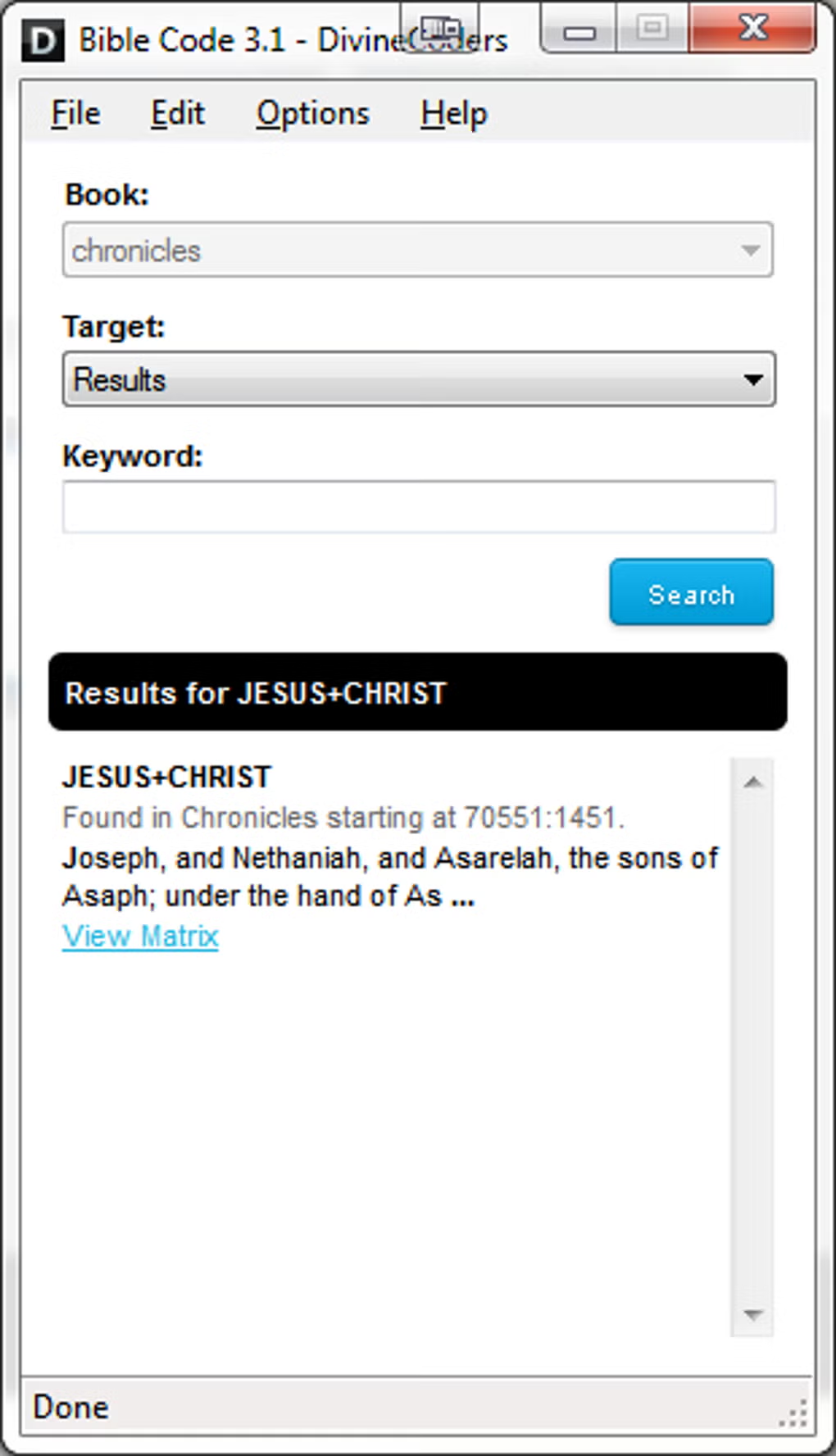
Many Bible Code software programs allow users to specify search parameters, including the text source (e.g., Hebrew, Greek, or English translations), the search method (e.g., ELS, matrix analysis, or other algorithms), and keywords or phrases of interest. The software then processes the specified text, applying the chosen algorithm to identify potential encoded messages. The results are often presented visually, with highlighted sections of text showing the discovered patterns within a matrix or three-dimensional representation to enhance understanding and visualization. This visual representation is crucial in conveying the complexity of the underlying algorithms and the identified patterns.
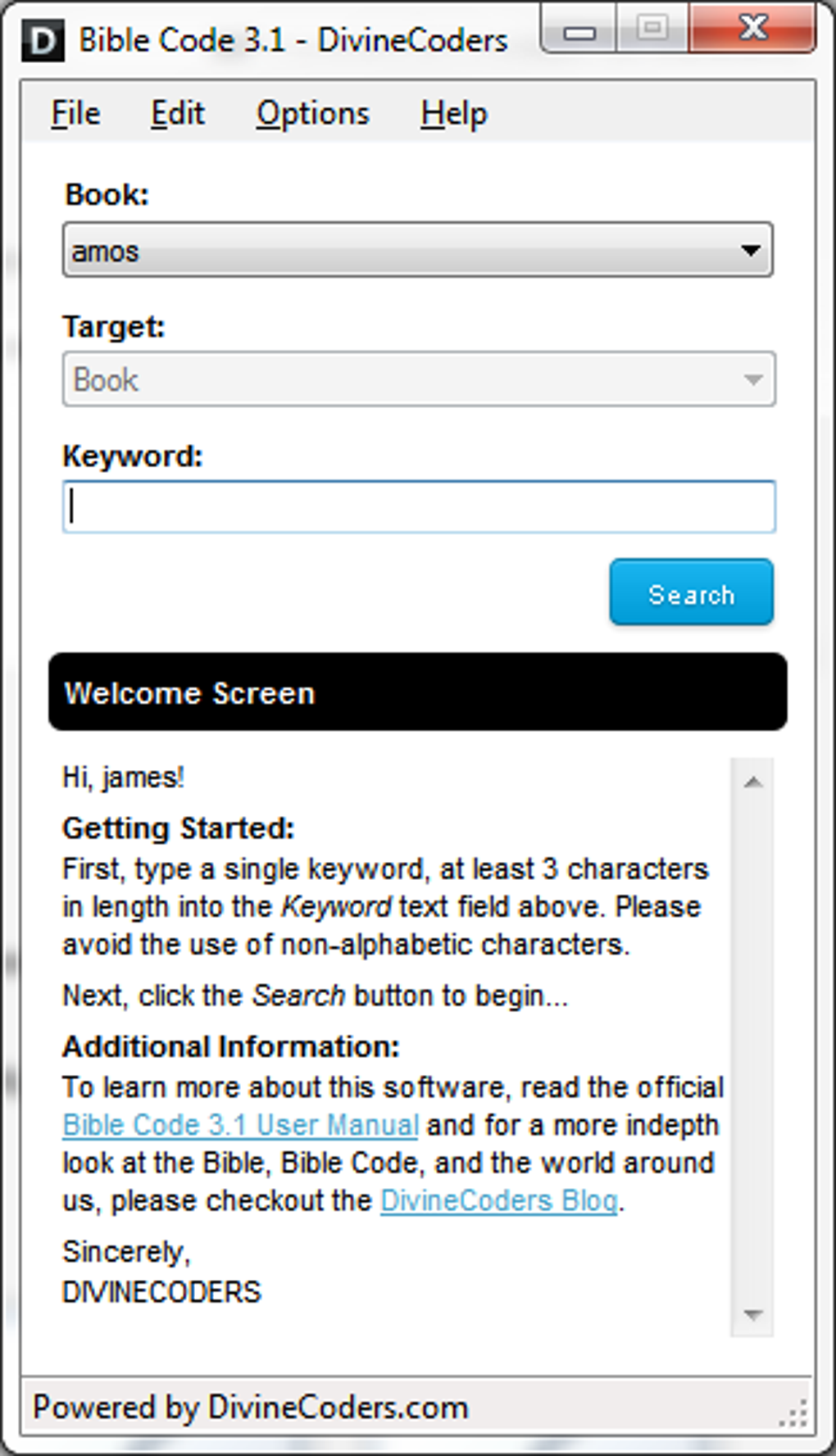
Beyond basic search functions, some advanced software incorporates features designed to improve efficiency and accuracy. These might include the ability to filter results based on statistical significance, allowing users to focus on patterns less likely to be random. Others may offer tools for comparing results across different biblical texts or translations, facilitating a more comprehensive analysis and a deeper exploration of possible interconnections between seemingly unrelated passages. The use of different translations also introduces an important consideration. Variations in translation could lead to different results and interpretations. This highlights the importance of critically evaluating the source text and the methodology used.
Statistical Significance and the Validity of Results
A fundamental element of credible Bible Code analysis is the incorporation of rigorous statistical significance testing. This process assesses the probability that a discovered pattern occurred by random chance. A low probability indicates a higher likelihood that the pattern is not merely accidental, suggesting a greater potential for meaning. However, it is important to acknowledge that even with statistically significant results, the interpretation of these findings remains subjective and open to debate.
The interpretation of any discovered pattern is inherently influenced by the user’s preconceived notions, beliefs, and understanding of the biblical text. Confirmation bias, where individuals tend to favor information confirming their existing beliefs, can significantly affect the interpretation process. This is particularly relevant in Bible Code analysis, where the search for meaning often stems from a pre-existing belief in the existence of hidden messages.
Furthermore, the sheer volume of data in the Bible, combined with the flexibility of search parameters, increases the possibility of finding seemingly meaningful patterns that are, in reality, random coincidences. The possibility of identifying significant patterns through sheer chance is a major criticism of Bible Code analysis. The vastness of the text acts as a search space ripe with the potential for spurious patterns.
Therefore, a critical evaluation of the statistical significance and an awareness of potential biases are essential for a responsible and objective approach to Bible Code analysis. It’s crucial to approach such results with cautious skepticism and acknowledge the potential for both genuine discoveries and statistical anomalies.
Online Resources and Community Engagement
The rise of the internet has fostered a sense of community around Bible Code analysis, with numerous websites and online forums dedicated to the discussion of techniques, software, and interpretations. These platforms provide a space for users to share their findings, discuss methodologies, and engage in debates regarding the validity and implications of their discoveries. Such online collaboration can be beneficial in refining analytical techniques and fostering critical discussion regarding results. However, it’s important to evaluate the credibility and expertise of sources within these online communities. A critical approach to information found online is necessary.
Some Bible Code software programs integrate directly with online resources, allowing users to upload their results for review or comparison with findings from other users. This sharing facilitates collaborative analysis and opens up avenues for cross-referencing and validation of results. This online component allows for a dynamic and collaborative approach to investigation. However, this interconnectedness also presents opportunities for misinterpretations and the spread of misinformation.
The integration with social media platforms, such as Facebook, allows users to share their findings and engage with a wider audience. This can stimulate interest and discussion, but it also carries the risk of spreading unsubstantiated claims or interpretations.
The Future of Bible Code Software
The ongoing development of Bible Code software reflects a persistent interest in exploring the potential for hidden messages within the biblical text. Future advancements may incorporate more sophisticated algorithms, incorporating techniques from fields like artificial intelligence and machine learning to enhance pattern recognition and statistical analysis. The development of more robust methods for statistical validation and the incorporation of tools to mitigate confirmation bias will be crucial in advancing the credibility of Bible Code analysis.
Furthermore, future iterations of Bible Code software might include features that assist in the interpretation of discovered patterns, providing users with contextual information, linguistic analysis, and cross-references to help understand the potential meaning of identified sequences. This would help users move beyond a simple identification of patterns to a more informed interpretation of the potential meanings.
However, the inherent challenges associated with the interpretation of ambiguous results remain a significant hurdle. Even with the most advanced algorithms and statistical techniques, the subjectivity inherent in interpreting patterns will continue to be a source of debate and potential misinterpretation.
The field of Bible Code analysis remains a fascinating and contentious area of study. While the software and techniques used continue to evolve, the ultimate interpretation of discovered patterns relies on a combination of technical analysis and subjective judgment. A critical and responsible approach, one that acknowledges the limitations of the methods and the potential for misinterpretation, is essential for those engaging in this intriguing exploration.
File Information
- License: “Free”
- Version: “3.1”
- Latest update: “May 5, 2014”
- Platform: “Windows”
- OS: “Windows 7”
- Language: “English”
- Downloads: “14.3K”
- Size: “1.78 MB”


