
BitTorrent, a name synonymous with peer-to-peer (P2P) file sharing, has launched a beta version of its client, codenamed Chrysalis. This isn’t just a minor update; it represents a significant overhaul of the classic BitTorrent experience, aiming to transform the application from a simple download manager into a comprehensive entertainment hub. This review delves into the key features, improvements, and potential drawbacks of this ambitious redesign.
A Fresh Interface and Content Discovery
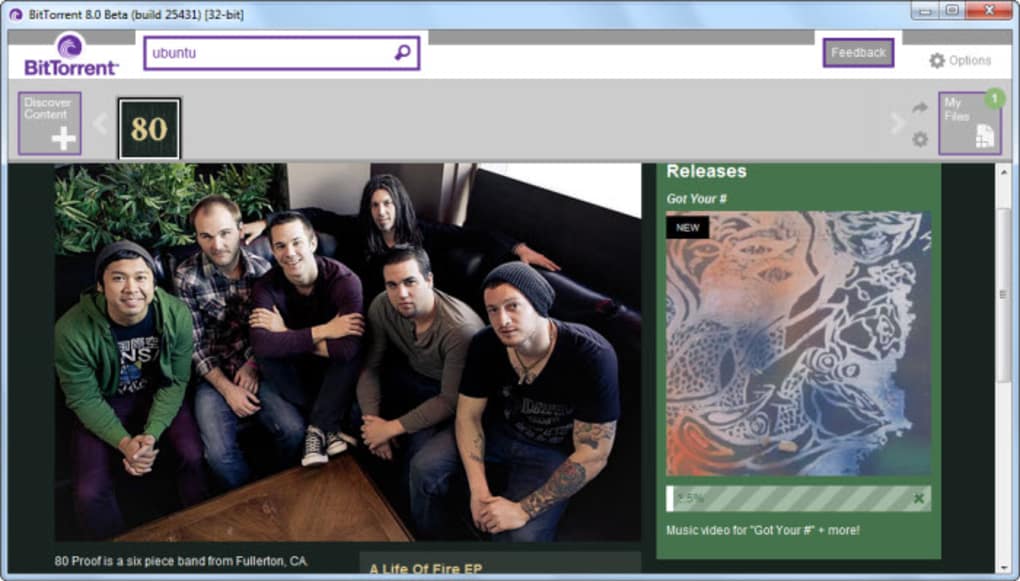
The most immediate change users will notice is the revamped user interface. The Chrysalis beta boasts a visually striking design, prioritizing large, easily digestible information and options. Gone is the somewhat utilitarian, tech-heavy look of previous iterations, replaced by a more modern and user-friendly aesthetic. This design shift, while visually appealing to newcomers, might feel jarring to long-time BitTorrent users accustomed to the more familiar, functional interface of older versions. The clean layout prioritizes ease of navigation, aiming to simplify the process of finding and accessing content.
Instead of presenting a straightforward list of torrents, the new BitTorrent incorporates curated channels filled with legally sourced music, movies, and podcasts. This strategic move attempts to address the historical association of BitTorrent with piracy and provide a more legitimate and organized way to access content. Users can personalize their experience by subscribing to specific channels based on their interests, offering a more tailored entertainment experience compared to the traditional, largely unorganized torrent landscape. The emphasis on legal and curated content reflects a significant departure from the platform’s origins, appealing to a broader user base less familiar with or comfortable with the more unstructured aspects of traditional P2P networks.
Performance and Resource Consumption
While the visual enhancements and curated content are noteworthy, the beta version’s performance warrants careful consideration. Users have reported significantly increased resource consumption compared to previous iterations. The new interface, while aesthetically pleasing, appears to demand more processing power and memory, potentially leading to performance issues on less powerful systems. This increased resource usage is a significant drawback, especially considering that many users might be running the application alongside other resource-intensive programs. Downloading large files via BitTorrent is already a process that consumes considerable bandwidth and processing power; this beta version exacerbates the issue, making it crucial for users to have sufficient system resources before attempting significant downloads. Therefore, installing this beta version is recommended only for users with high-performance machines and a thorough understanding of the potential impact on system resources. It’s crucial to monitor system performance closely while using this beta version and be prepared for potential slowdowns or instability.
The enhanced download speed advertised alongside the visual improvements is a positive development. However, whether this improved speed offsets the increased resource demands will vary depending on individual system configurations and internet connections. Further testing and optimization will be necessary to determine the optimal balance between performance and resource consumption.
Navigating the New BitTorrent Landscape
The Chrysalis beta represents a bold attempt to redefine BitTorrent’s role in the digital landscape. The shift towards curated, legal content signifies a conscious effort to distance itself from the platform’s often controversial association with copyright infringement. This strategy is vital for BitTorrent’s long-term viability and acceptance within the broader digital ecosystem. By focusing on legitimate content and a user-friendly interface, the platform seeks to attract a new generation of users less familiar with the complexities and potential risks of traditional P2P file sharing.
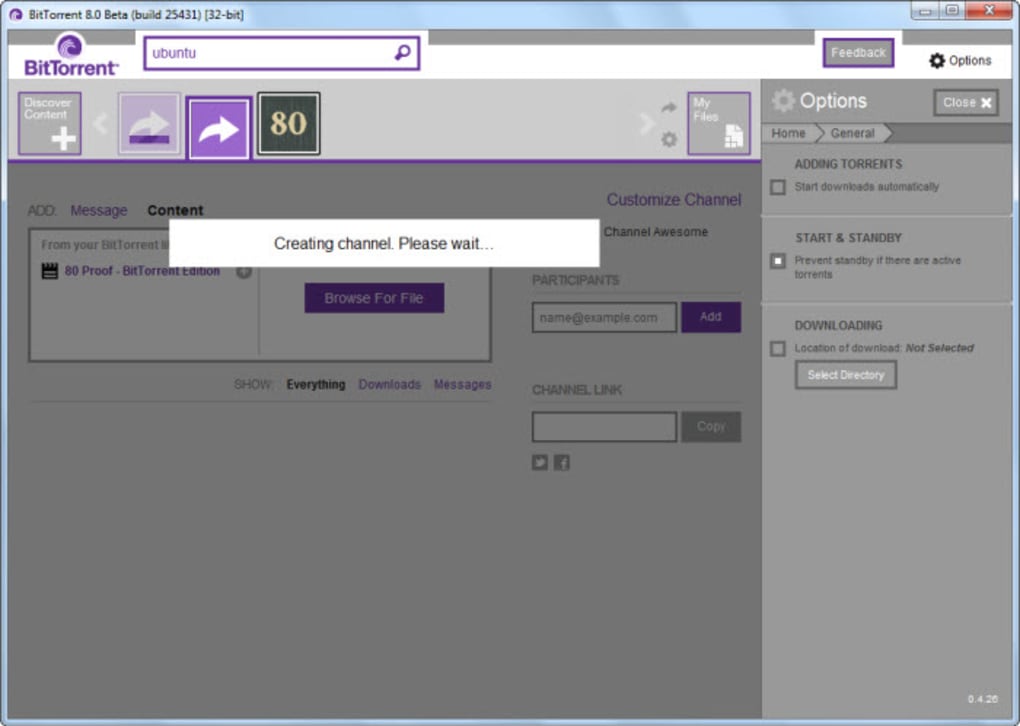
However, this shift might alienate long-time users who valued the open and largely unregulated nature of the original platform. The curated channels, while beneficial for discoverability and legal compliance, might also limit the variety and accessibility of content. Striking a balance between catering to a broader audience while retaining the core functionality and flexibility that attracted dedicated users in the past will be a key challenge for BitTorrent’s future development.
The Beta Experience: A Work in Progress
The Chrysalis beta should be viewed as a work in progress, a crucial step in BitTorrent’s evolution. While the new interface and content discovery mechanisms represent significant improvements, the increased resource consumption presents a clear challenge. BitTorrent will likely need to address this performance issue before a stable, widely-adopted release. The shift towards legal and curated content is a strategic move that may broaden its appeal, but it might also raise concerns among users who valued the unfiltered access to a broader range of content provided by the original platform.
The beta stage offers valuable opportunities for user feedback to shape the final product. The developers’ willingness to solicit user opinions and iterate based on that input is crucial for ensuring the success of this ambitious redesign. Active participation in testing and providing feedback on the beta version is critical for ensuring the final release is both user-friendly and performs efficiently.
Comparison with Other P2P Clients
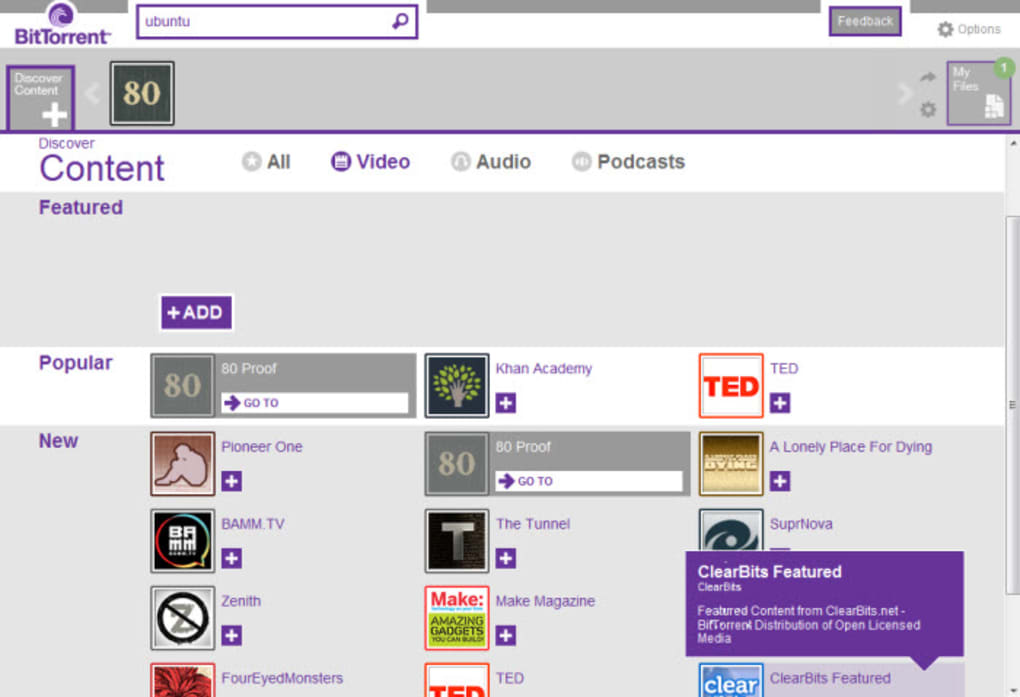
In the broader landscape of P2P file-sharing clients, BitTorrent’s beta faces competition from established alternatives like uTorrent, qBittorrent, and Transmission. These clients generally emphasize speed, efficiency, and customization, often prioritizing the technical aspects of torrent management over a visually appealing interface. The Chrysalis beta, with its focus on a streamlined user experience and curated content, occupies a different niche, potentially attracting users who prioritize ease of use and legal content access over the fine-grained control offered by more traditional clients.
The success of the BitTorrent beta will depend on its ability to balance the aesthetic improvements with optimized performance and a compelling content offering. Successfully addressing the resource consumption issues and refining the curated content strategy will be paramount to its acceptance by both existing and new users. The beta phase presents a critical opportunity for refining the platform based on user feedback and ensuring it effectively addresses the needs of its diverse user base.
The long-term success of BitTorrent’s transformation hinges on striking a delicate balance between modernizing the user experience, maintaining the core functionality that defined its legacy, and addressing the evolving needs of a broader user base in a constantly changing digital landscape. The Chrysalis beta is a significant step in this direction, and its success will depend heavily on the successful integration of user feedback and continuous improvement throughout the development process.


