Blackmart, once a prominent alternative app store for Android devices, offered a compelling proposition: unlimited free access to a wide range of applications, including paid apps typically found on the Google Play Store. This article explores the functionality, advantages, disadvantages, and the overall implications of using Blackmart, highlighting its appeal and the potential risks involved. While Blackmart is no longer actively updated and its future is uncertain, understanding its history provides valuable insights into the world of alternative app stores and the ongoing tension between free access to software and the established app marketplace ecosystem.
Apps, Games, and More: Blackmart’s Catalog
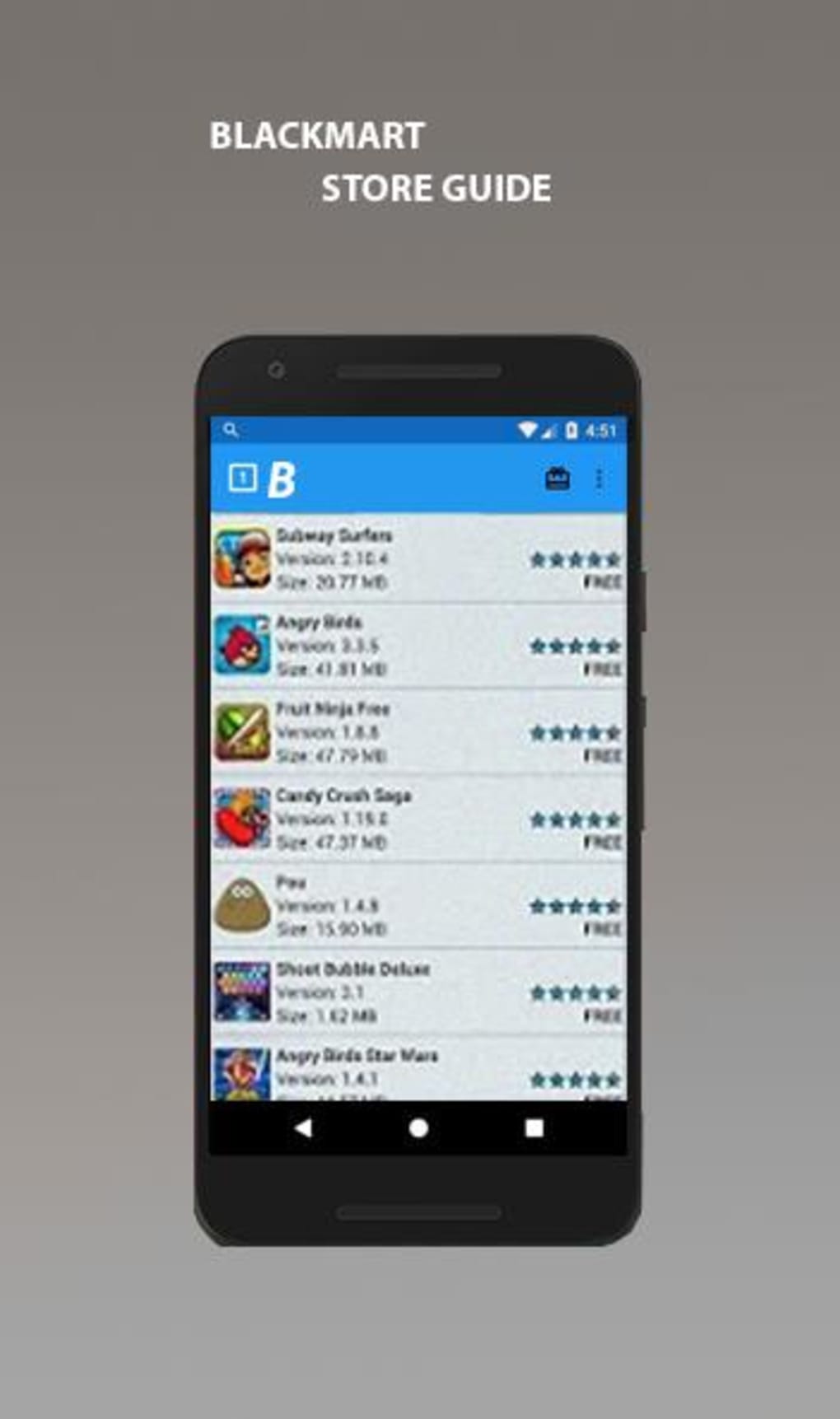
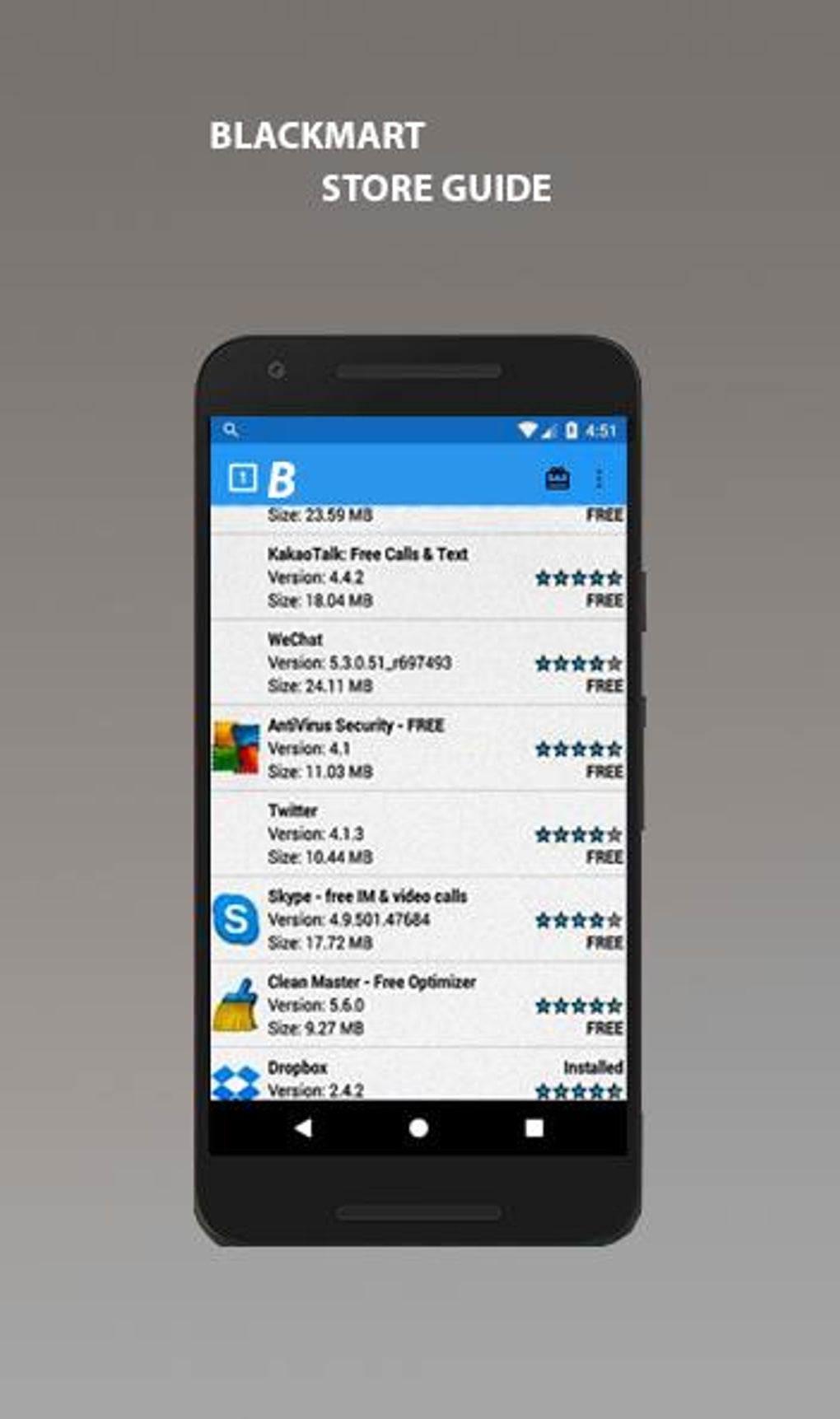
Blackmart aimed to provide a comprehensive catalog mirroring the offerings of the official Google Play Store, but with a crucial difference: all apps were purportedly free. This included a broad spectrum of applications, ranging from productivity tools and utilities to games and entertainment software. Users could search for specific apps or browse categories to discover new options. The core functionality revolved around facilitating the download and installation of APK (Android Package Kit) files, the core installation format for Android applications. However, it’s crucial to remember that the nature of an unofficial app store like Blackmart meant a lack of quality control and vetting processes that are standard in official stores.
While the app catalog purportedly included major applications, the lack of any official update mechanism was a significant drawback. Users were responsible for manually checking for updates and re-downloading newer versions of their apps independently. This contrasts sharply with the automatic update functionality of the Google Play Store, which ensures users always have access to the latest version with security patches and bug fixes.
The Allure of Free: Blackmart’s Appeal and the Price of Free
Blackmart’s primary draw was its promise of unrestricted access to paid apps without any financial cost. This resonated with users who either couldn’t afford premium applications or simply preferred not to pay for software they believed should be free. This appealed to those seeking cost savings or exploring apps before committing to a purchase. The ease of use, highlighted in user reviews and promotional material, further contributed to its popularity. The simple interface allowed users to quickly search for and download apps without complex procedures or account registrations.
However, the “free” nature of Blackmart came with a crucial caveat: the lack of official oversight and validation inherent in unofficial app stores. This meant that users were taking on significant risks, potentially compromising their device’s security and privacy.
Navigating the Risks: Security Concerns and the Dark Side of Blackmart
Blackmart’s operation outside the Google Play Store’s safety net presented several significant risks. The lack of official verification meant apps downloaded through Blackmart could contain malware, spyware, or other malicious code. The platform lacked the rigorous security checks employed by Google, leaving users vulnerable to potentially harmful software.
Furthermore, downloading apps from unofficial sources can expose users to privacy risks. Malicious apps might collect personal data without consent, access sensitive information, or even compromise the device’s security. While Blackmart did not require personal information upon initial launch, the security implications of the apps themselves could not be guaranteed.
The absence of an official update mechanism also presented a significant security vulnerability. Without automatic updates, users were solely responsible for keeping their apps up-to-date with security patches. Failing to do so left them exposed to known vulnerabilities, making their devices susceptible to attacks.
Blackmart for Business: A Risky Proposition
The notion of using Blackmart for business purposes is inherently problematic. The inherent security risks and lack of app validation make it entirely unsuitable for professional use. Deploying apps from unverified sources in a business environment could compromise sensitive data, disrupt operations, and even lead to legal issues. The potential for malware and other malicious software poses an unacceptable risk for any organization valuing data security and operational reliability.
Furthermore, the absence of official support or recourse in case of problems renders Blackmart a highly unreliable option for business needs. Unlike the Google Play Store, which offers support mechanisms and processes for addressing issues with downloaded apps, Blackmart lacked any formal mechanism for addressing user concerns or providing support.
Android’s Ecosystem and the Need for Official App Stores
The Google Play Store, while not without its flaws, provides a regulated and relatively safe environment for Android users. The rigorous vetting process, alongside automatic updates and support mechanisms, mitigates the risks associated with downloading and using applications. While the Play Store’s curated selection might limit the availability of certain apps, its focus on security and user protection is critical.
Blackmart, while offering a seemingly attractive alternative for free app access, ultimately compromises security and privacy for the sake of free downloads. The inherent risks associated with using unofficial app stores, such as Blackmart, significantly outweigh the potential benefits of accessing free apps.
Download Managers and Blackmart’s Legacy
Blackmart operated in a context where alternative app stores, often offering cracked or pirated software, existed alongside legitimate download managers. These download managers were not inherently malicious but could be exploited for downloading apps from untrusted sources. Blackmart itself could be viewed as an intermediary, simplifying the process of accessing and installing apps obtained from potentially dubious locations. The combination of an unofficial app store like Blackmart with a third-party download manager created a high-risk environment for Android users.
Blackmart’s Demise and the Future of Alternative App Stores
Blackmart, despite its period of popularity, eventually faded from prominence. Its lack of updates, the inherent security risks, and the increasing awareness of the dangers of using unofficial app stores contributed to its decline. The app store’s existence served as a stark reminder of the ongoing tension between the desire for free access to software and the importance of security and responsible app distribution. While some alternative app stores may continue to operate, the increasing scrutiny of such platforms and the continued efforts to secure the Android ecosystem make it less likely that an app like Blackmart will achieve similar success in the future.
The information provided in this article is for educational purposes only. It is strongly recommended to download and install applications only from official and trusted sources like the Google Play Store to protect your device’s security and privacy.
File Information
- License: “Free”
- Version: “1.0”
- Latest update: “June 23, 2021”
- Platform: “Android”
- OS: “Android 4.4”
- Language: “English”
- Downloads: “127.9K”
- Download Options: “Google Play”