
Blasterball 2: Revolution is a classic arcade game reminiscent of the iconic Breakout, offering players a fast-paced and engaging experience. Originally released in 2005 by Wildgames, this trial version captivated players with its simple yet addictive gameplay, earning a dedicated following and securing its place in gaming history. While it may be a relic of a bygone era, its enduring appeal lies in its straightforward mechanics, challenging levels, and the satisfying sense of accomplishment that comes with mastering its nuances. This in-depth review explores the game’s features, history, reception, and lasting impact.
Gameplay and Features: A Nostalgic Arcade Experience
Blasterball 2: Revolution retains the core mechanics that defined its predecessors: a paddle at the bottom of the screen and a ball that needs to be guided to break bricks. But it goes beyond simple replication; Blasterball 2: Revolution adds several layers of complexity and strategic depth.
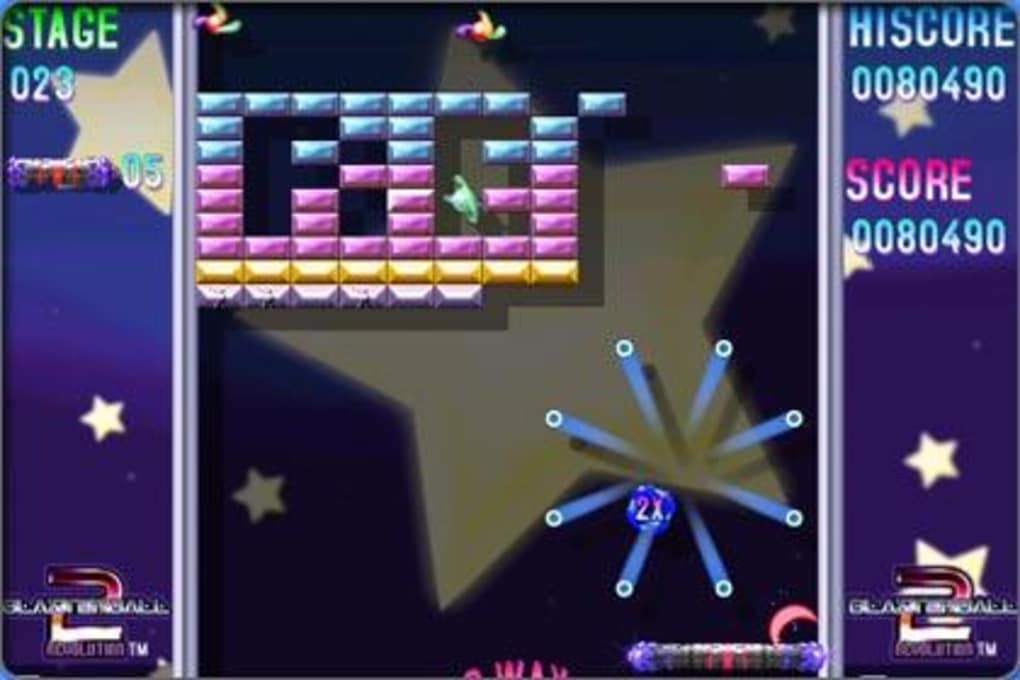
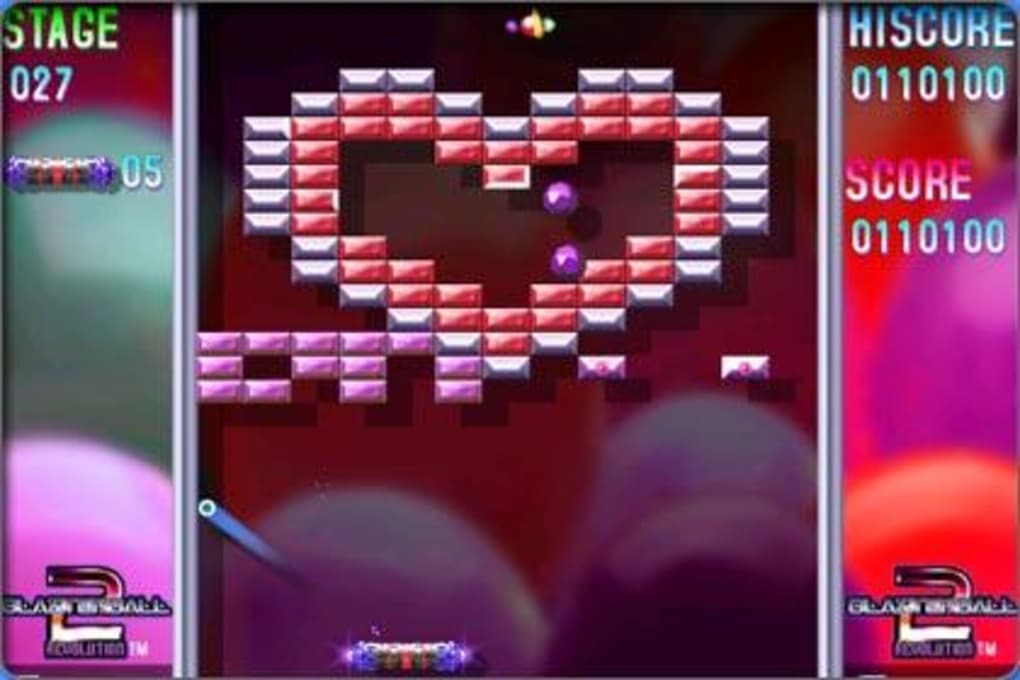
Players control a paddle, using left and right movements to deflect a bouncing ball. The objective is straightforward: clear all the bricks on the screen. However, the bricks themselves are not homogenous. Different bricks exhibit varying strengths and behaviors, some requiring multiple hits to break while others might release power-ups that offer temporary advantages or modify gameplay mechanics. These power-ups add an element of surprise and strategy, forcing players to adapt their approach based on what the game presents.
The level design is a crucial component of Blasterball 2: Revolution’s enduring appeal. Levels progress in complexity, introducing new brick arrangements, obstacles, and increasingly challenging patterns. This gradual increase in difficulty ensures a satisfying learning curve for newcomers while also providing ample challenge for experienced players. The levels are cleverly designed to encourage strategic thinking, forcing players to plan their shots and use power-ups effectively to maximize their efficiency. The escalating difficulty maintains player engagement and provides a sense of progression as players master each level.
Beyond the core gameplay, Blasterball 2: Revolution integrates various features to enhance the gaming experience. While specifics aren’t detailed in the original information, the genre suggests possibilities such as different game modes, perhaps a time trial mode, or a score-based competition against others, which would further enhance replayability and encourage competition. Such features would add another dimension to the game beyond the straightforward objective of breaking all bricks, fostering a sense of achievement and competition.
Technical Specifications and Availability: A Windows Classic
Blasterball 2: Revolution is a Windows-only game, originally designed for Windows 98 and compatible with older operating systems. This limited platform compatibility is a drawback for modern gamers who primarily utilize newer operating systems. The game’s relatively small size (6.05 MB) is a testament to its era’s technological constraints, showcasing how efficient game design could be despite limited processing power and storage capacity.
The game’s development history, as provided, is limited, but the release date of October 28, 2005, positions it firmly within the early to mid-2000s gaming landscape. This period saw a rise in downloadable PC games, a shift from physical media distribution. Blasterball 2: Revolution’s release within this context is noteworthy, demonstrating the early adoption of digital distribution models within the gaming industry. Furthermore, the game’s availability in numerous languages points to an effort to reach a broader international audience, indicating a level of ambition and market awareness exceeding what was typical for many smaller-scale games at the time.
User Reception and Legacy: Enduring Appeal of a Simple Game
User reviews highlight the game’s nostalgic appeal and its role in introducing players to the Breakout-style genre. Comments suggest a deep-seated fondness for the game, rooted in childhood memories and a simple, yet profoundly engaging gameplay loop. The game’s lasting appeal suggests that its core mechanics are fundamentally compelling, capable of providing sustained entertainment despite its age and comparatively simplistic graphics. The positive feedback emphasizes the satisfying gameplay loop and addictive nature of the game’s design, highlighting its success in capturing the attention of players.
The limited availability of extensive user reviews might be due to the game’s age and the lack of dedicated online platforms for older PC games. However, the available reviews paint a picture of a game fondly remembered and appreciated, demonstrating that even relatively simple games can leave a lasting impression on players and achieve a level of cultural significance within specific gaming communities.
Comparison with Similar Games: Standing Out from the Crowd
Blasterball 2: Revolution belongs to a genre populated by iconic titles like Breakout and Arkanoid. While it shares the fundamental gameplay loop with these games, its distinct features and level design set it apart. While direct comparisons require playing other titles in the genre, it’s clear the game strives for a balance between faithful adherence to classic mechanics and the introduction of elements that add its unique personality. This differentiation, albeit subtle, ensures the game is not just a copycat but a worthy addition to the vast world of Breakout-style games. The specific elements that differentiate it from its contemporaries could range from the design of the bricks, to the types of power-ups, to the overall difficulty curve.
Conclusion: A Timeless Arcade Classic
Blasterball 2: Revolution, despite its age and limited platform availability, remains a compelling example of a well-crafted arcade game. Its simple yet effective gameplay, challenging levels, and enduring appeal speak to the timeless nature of its core mechanics. The game’s nostalgic value for many players, combined with its straightforward yet engaging gameplay loop, solidifies its position as a classic within the Breakout-style gaming genre. While it might not boast the graphical fidelity or extensive features of modern games, Blasterball 2: Revolution offers a pure, unadulterated arcade experience, demonstrating that sometimes, simplicity is the key to lasting enjoyment. The game’s legacy extends beyond its initial release, illustrating that well-designed games can transcend their era and leave a lasting impression on players for years to come. For those seeking a nostalgic trip back to the golden age of PC gaming or simply a challenging and rewarding arcade experience, Blasterball 2: Revolution offers a satisfying and potentially addictive gaming experience.
File Information
- License: “Trial version”
- Latest update: “October 28, 2005”
- Platform: “Windows”
- OS: “Windows 2000”
- Language: “English”
- Downloads: “81.9K”
- Size: “6.05 MB”


