
In an era where home security and remote monitoring have become paramount, systems like Blink cameras offer a convenient way to keep an eye on your property. Designed primarily for mobile-first interaction, the idea of a dedicated “Blink Camera for Windows” application naturally appealed to users seeking a more integrated desktop experience. This article delves into the concept of such an application, examining its intended features, the challenges of its availability, and the alternative solutions available for Windows users today. While the specific official download for “Blink Camera for Windows” mentioned in historical records is no longer accessible, understanding its original vision helps contextualize the evolving landscape of home security technology and how users can still achieve similar monitoring capabilities on their Windows PCs.
The demand for desktop access to security camera feeds stems from a desire for larger viewing screens, easier navigation, and the ability to integrate monitoring into a broader workflow, especially for businesses or multi-camera setups. Blink, known for its affordable and wire-free security cameras, initially offered (or at least had an entry for) a Windows-specific application to cater to this need. However, as technology progresses and development priorities shift, software applications can become obsolete or be integrated into broader platforms. This piece will explore what that original Blink Camera for Windows application aimed to provide, why it is no longer available, and practical modern approaches, including emulation and alternative software, for monitoring Blink cameras or other security systems from a Windows environment. We’ll also highlight how the broader ecosystem of home security has evolved, offering various solutions that might supersede the original intent of a standalone Windows application.
The Original Vision: What Blink Camera for Windows Promised
When the concept of a “Blink Camera for Windows” application was relevant, it aimed to extend the convenience of Blink’s mobile monitoring to the desktop. The primary goal was to provide users with a dedicated software solution that would allow them to view live streams, manage their cameras, and access recorded clips directly from their Windows PC. This offered a significant advantage for users who spent considerable time at their computers, eliminating the need to constantly switch to a mobile device for security checks.
The proposed application was designed to offer several key functionalities that mirrored the mobile experience, albeit optimized for a desktop interface. Foremost among these was the ability to access a 720p live stream. This resolution, while not top-tier by today’s 4K standards, was perfectly adequate for clear and crisp viewing of surroundings, allowing users to easily identify activities or individuals on their property. The importance of a clear live feed cannot be overstated, as it forms the bedrock of any effective security monitoring system. Users would appreciate the larger screen real estate of a desktop monitor to observe details that might be missed on a smaller phone screen.
Beyond simple viewing, the “Blink Camera for Windows” app was intended to provide robust control over the camera system. Users could easily view their surroundings, but also adjust camera positions if the models supported it, such as pan and tilt functionalities. This level of interaction meant that the PC application wasn’t just a passive viewer but an active control hub. Furthermore, for those with expanding security needs, the application would allow users to add more cameras to their existing setup. This scalability was crucial for both home users securing multiple entry points and small businesses monitoring various premises. The ability to manage an entire fleet of cameras from a single, centralized desktop interface streamlined operations and enhanced overall security oversight.
Connectivity was a vital component of this system. The application, much like its mobile counterpart, required an internet connection to function, facilitating communication between the user’s PC, the Blink cameras, and the Blink server. For optimal performance, it was recommended that users connect their cameras to a compatible WiFi network. This ensured stable live streams and reliable access to stored footage. The process of setting up and synchronizing the cameras with the Blink server through the Windows application was envisioned to be straightforward, likely involving a similar “plus (+)” icon on the home screen to add either a Blink wireless or mini camera. Once synchronized, the promise was seamless remote monitoring of one’s home or office.
For users accustomed to the mobile ecosystem of Blink cameras, a Windows application would have provided a welcome alternative for extended viewing sessions, detailed event review, and perhaps even easier management of settings. It would have offered the convenience of integrating security monitoring into a home office setup or a dedicated security station. The vision was clear: to bring the full power and flexibility of Blink’s security system to the robust and familiar environment of a Windows desktop, making home and business monitoring more accessible and efficient for a broader range of users.
Navigating Obsolescence: Why the Official Download is No Longer Available
The journey of software applications often includes phases of development, widespread use, and sometimes, eventual discontinuation. The “Blink Camera for Windows” application appears to have reached the latter stage, as indicated by its status: “This download is no longer available.” This critical piece of information necessitates a deeper look into the reasons behind such a decision and its implications for users who might still be seeking this specific desktop solution.
The notice from PhanMemFree (formerly Softonic) explicitly states that the download is unavailable, citing potential reasons such as the “program being discontinued, having a security issue or for some other reason.” Each of these possibilities sheds light on the challenges faced by software developers and the dynamic nature of the tech industry.
Program Discontinuation: This is perhaps the most common reason for an application to become unavailable. Developers and companies continuously evaluate their product portfolios, market demand, and resource allocation. If a dedicated Windows application for Blink cameras did not achieve sufficient user adoption, or if the company decided to prioritize its mobile platforms (iOS and Android apps are indeed the primary interface for Blink cameras), then discontinuing the Windows version would be a logical business decision. Maintaining and updating software requires significant resources, including development, testing, and security patching. If the return on investment for the Windows app was low, shifting focus to more utilized platforms makes strategic sense. Moreover, as web technologies advanced, many companies opted for web-based portals accessible through any browser, potentially rendering a standalone desktop application less necessary. Blink, for instance, offers a web portal for live view and accessing clips, which serves a similar function to a desktop app without the need for a specific download.
Security Issues: Another significant reason for an application’s removal could be the discovery of critical security vulnerabilities. In today’s interconnected world, security breaches can have severe consequences, compromising user data, network integrity, and overall trust in a brand. If the “Blink Camera for Windows” application was found to have unpatchable or difficult-to-resolve security flaws, withdrawing it from distribution would be a responsible, albeit drastic, measure to protect users. Continuing to offer a compromised application would expose users to risks like unauthorized access to camera feeds, data theft, or even malware infections on their PCs. Ensuring robust security for a niche desktop application might have presented challenges that outweighed its benefits, leading to its removal.
Other Reasons: This broad category could encompass a multitude of factors. It might include compatibility issues with newer versions of Windows (e.g., Windows 10 or 11), conflicts with other software, or simply a lack of sustained development support from the original developer, “Media APP.” The app’s specifications — Version 1.0, and an update date (May 14, 2025, which might be a placeholder or an anomaly for a discontinued product) — suggest a potentially early stage or limited development cycle. A lack of ongoing updates can quickly render software unusable or unstable on modern operating systems, forcing its removal from distribution channels. Market shifts, changes in user preferences, or even a change in the parent company’s strategy could also fall under “other reasons.”
For users today, the unavailability of the official “Blink Camera for Windows” means that directly downloading and installing a dedicated application from official sources is not an option. This pushes them towards alternative solutions, such as relying entirely on Blink’s mobile apps, accessing the Blink web portal (if available for their camera model and region), or exploring indirect methods like emulation. The obsolescence of this specific download highlights the importance of choosing security systems that offer robust and actively supported cross-platform access, ensuring longevity and continued functionality for remote monitoring needs.
Emulation as a Workaround: Running Blink on Windows (Unofficially)
Given the official unavailability of a dedicated “Blink Camera for Windows” application, users keen on monitoring their Blink cameras from a desktop PC are left seeking alternative methods. One prominent workaround, as suggested by the reference content, involves the use of emulators. An emulator is a software application that allows one computer system (the host) to behave like another computer system (the guest), enabling it to run software designed for the guest system. In this context, an Android emulator on a Windows PC allows you to run Android applications, including the official Blink app, on your desktop.
The principle behind this workaround is straightforward: since Blink primarily supports its camera system through official mobile applications for Android and iOS, using an Android emulator effectively transforms your Windows PC into a virtual Android device. This virtual device can then download and run the Blink app just as a physical Android smartphone or tablet would.
How to Set Up an Android Emulator for Blink on Windows:
-
Choose an Android Emulator: There are several popular and reliable Android emulators available for Windows, many of which are free. Some well-known options include:
- BlueStacks: Widely regarded as one of the most user-friendly and feature-rich emulators, often used for gaming but perfectly suitable for other apps.
- NoxPlayer: Another strong contender, known for its performance and customizability.
- LDPlayer: Optimized for gaming, but also performs well with general applications.
- Genymotion: More geared towards developers, but can be used by advanced users.
- Google Play Games Beta: Google’s own official way to play Android games on Windows, and might expand to other apps.
-
Download and Install the Emulator:
- Visit the official website of your chosen emulator (e.g., bluestacks.com, bignox.com).
- Download the installer file.
- Run the installer and follow the on-screen instructions. The installation process is typically straightforward, much like installing any other Windows program. You might need to enable virtualization technology (VT) in your computer’s BIOS/UEFI settings for optimal performance, though many modern systems have this enabled by default.
-
Set Up the Emulator:
- Once installed, launch the emulator. The first launch might take a few minutes as it configures the virtual Android environment.
- You will typically be prompted to sign in with a Google account, which is essential to access the Google Play Store. If you don’t have one, you’ll need to create a new Google account.
-
Install the Official Blink App:
- After logging into your Google account within the emulator, open the Google Play Store application (it will look and function exactly like the Play Store on an Android phone).
- In the Play Store search bar, type “Blink Home Monitor” (or just “Blink”).
- Locate the official Blink app from Blink XT2 Home Security and install it, just as you would on an Android device.
-
Configure and Use the Blink App:
- Once installed, open the Blink Home Monitor app within the emulator.
- Log in with your existing Blink account credentials.
- You should now have full access to your Blink cameras, including live view, recorded clips, settings adjustments, and notifications, all running on your Windows desktop.
Potential Benefits and Drawbacks of Using Emulators:
Benefits:
- Larger Screen View: Enjoy a full-screen or windowed view of your camera feeds on your monitor, offering better detail and a more comfortable viewing experience than a mobile phone.
- Centralized Monitoring: Manage all your Blink cameras alongside other desktop applications, making it convenient for office or home security stations.
- No Dedicated Hardware Needed: Utilize your existing Windows PC without needing to purchase an additional Android device.
- Familiar Interface: The Blink app interface within the emulator is identical to its mobile version, requiring no new learning curve.
Drawbacks:
- Performance Overhead: Emulators consume significant system resources (CPU, RAM). Older or less powerful PCs might experience slowdowns, stuttering, or app crashes.
- Unofficial Method: This isn’t officially supported by Blink. While it generally works, there’s no guarantee of continued compatibility if Blink updates its app or if emulator technologies change.
- Security Concerns: While reputable emulators are generally safe, users should always download them from official sources to avoid bundled malware. Also, running an Android environment on your PC introduces an additional layer of potential vulnerabilities if not managed properly.
- No Direct Hardware Integration: The emulator won’t interact with your PC’s specific camera or microphone unless explicitly configured, which isn’t typically needed for monitoring Blink cameras.
- Notifications: Android notifications will appear within the emulator, not directly on your Windows desktop, though some emulators offer integration features for this.
Despite these drawbacks, using an Android emulator remains the most viable and popular unofficial workaround for accessing the Blink Home Monitor app on a Windows PC. It effectively bridges the gap left by the absence of a dedicated Windows application, offering a familiar and functional way to keep an eye on your property from the comfort of your desktop.
Exploring Modern Alternatives to Blink Camera for Windows
With the official “Blink Camera for Windows” download no longer available, users are naturally looking for modern solutions to achieve similar home or business monitoring capabilities on their Windows PCs. The landscape of digital surveillance has evolved significantly, offering a range of alternatives that can either provide general camera functionality or integrate with dedicated security systems.
Direct Windows Camera Replacements
For users primarily seeking basic camera functionality on their Windows PC, much like the general “Camera” app mentioned in the reference, there are numerous options. These are not typically designed for external security cameras but provide enhancements for internal webcams or directly attached devices.
-
Camera: Windows itself comes with a built-in “Camera” app (often referred to as “Windows Camera”) that offers basic photo and video capture capabilities. This app is free, pre-installed on most modern Windows versions, and provides a simple point-and-shoot interface. While it won’t connect to your Blink security cameras, it’s a solid option for using your laptop’s webcam or an attached USB camera for video calls, quick photos, or simple monitoring of your immediate surroundings if the camera is pointed appropriately. Its core utility lies in its simplicity and deep integration with the Windows operating system.
-
Snap Camera: This free camera app offers a more playful and engaging experience. While it doesn’t connect to dedicated security cameras, Snap Camera (developed by Snap Inc., creators of Snapchat) allows users to apply various fun filters, lenses, and effects to their live camera feed. It integrates with popular video conferencing tools like Zoom, Google Meet, and OBS Studio, letting users enhance their virtual presence. For someone looking for a dynamic and interactive camera utility for communication or content creation on Windows, Snap Camera is an excellent choice, though not for security monitoring.
-
iVCam: This is a popular free webcam application that turns your iPhone or Android phone into a high-definition webcam for your Windows PC. While not a direct security camera viewer, iVCam is incredibly useful for those who need a high-quality camera for streaming, video conferencing, or even casual desktop use, leveraging the superior cameras of modern smartphones. It offers features like various resolutions, frame rates, and even beauty filters, providing a significant upgrade over many built-in laptop webcams.
- MyCam: Described as a free utility to record videos and take snapshots with ease, MyCam is another straightforward option for basic camera control on Windows. It’s designed to work with your PC’s webcam and offers simple features for capturing media. Similar to the basic Windows Camera app, it’s about local camera functionality rather than remote security monitoring.
These applications serve different purposes than a dedicated Blink camera viewer but are viable alternatives if the primary need is general camera functionality on a Windows PC.
Broader Security and Utility Camera Apps
When the focus shifts back to security monitoring, a dedicated Windows app for Blink cameras would ideally integrate with the Blink ecosystem. Since that’s unavailable, and emulation is an unofficial workaround, other avenues for security monitoring or accessing IP cameras become relevant.
-
Blink’s Web Portal: For many newer Blink camera models and in certain regions, Blink offers a web-based portal (often accessible via a standard web browser). This portal allows users to view live streams, access motion clips, and sometimes adjust settings, much like the mobile app. This is arguably the most “official” alternative to a dedicated Windows app, as it requires no third-party software or emulation. Users simply log in with their Blink account credentials through their preferred web browser on Windows. This solution offers the benefit of cross-platform accessibility and eliminates the overhead of running an emulator.
-
Generic IP Camera Viewers: If a user has a mix of security cameras, including potentially Blink cameras (if they support RTSP/ONVIF, which most Blink consumer cameras do not directly without a workaround or integration with a Sync Module), generic IP camera viewer software for Windows can be very powerful. Applications like iSpy, Blue Iris, or even simple VLC Media Player can connect to and display feeds from various IP cameras on a network. However, this usually requires cameras to support industry-standard protocols like RTSP (Real-Time Streaming Protocol) or ONVIF (Open Network Video Interface Forum), which Blink cameras do not inherently offer for direct access without a sync module setup or other complex configurations typically beyond the average user. Therefore, this option is more suitable for traditional IP camera setups rather than Blink’s proprietary system.
-
Integrated Security Systems with Desktop Clients: Many other smart home security brands offer more robust desktop solutions or tighter integration for Windows users. Brands like Arlo, Ring, or Wyze primarily operate via mobile apps but may also provide web portals or even official desktop applications for certain functionalities. If a user is open to exploring a different security camera ecosystem, they might find a system that offers a more direct and supported Windows desktop experience than Blink currently does. For example, some professional-grade CCTV systems come with comprehensive Windows-based VMS (Video Management Software) clients.
-
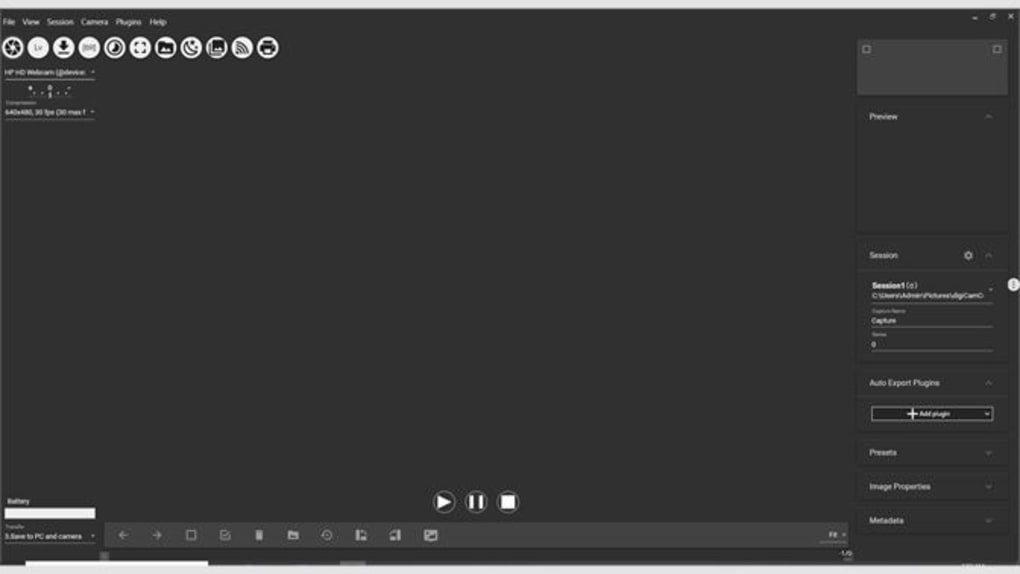
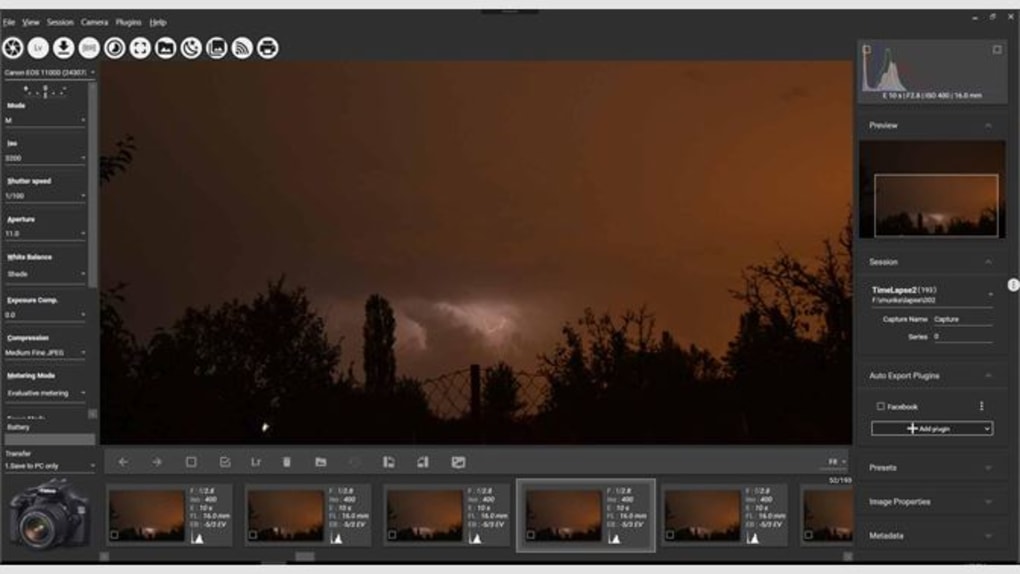
Canon Camera Management: While listed as an alternative, “Canon Camera Management” is specifically for Canon cameras, likely for controlling DSLR or mirrorless cameras for photography or video recording, or perhaps specific Canon surveillance cameras. This would not be applicable for Blink’s home security system but is an example of brand-specific desktop software.
In summary, for Blink camera users on Windows, the most reliable and official route is to utilize Blink’s web portal if it is available for their specific cameras and region. The Android emulator method remains a strong unofficial workaround. For general Windows camera needs, the built-in “Camera” app or third-party tools like iVCam or MyCam serve basic functions. For those willing to switch ecosystems or manage more complex IP camera setups, a variety of other security camera software and VMS solutions exist, offering different levels of integration and features on the Windows platform. The key is to assess specific needs – whether it’s basic webcam use, remote security monitoring, or professional surveillance – and choose the alternative that best fits those requirements in the absence of a dedicated official “Blink Camera for Windows” application.
In conclusion, while the dedicated “Blink Camera for Windows” application is no longer available, the need for robust home and business monitoring on desktop platforms persists. Users seeking to integrate their Blink security system with a Windows PC can achieve this through resourceful means like Android emulation, which allows the official mobile app to run in a desktop environment. Alternatively, exploring Blink’s web portal offers a native, browser-based solution for many camera models. Beyond Blink, the market abounds with general camera utilities for basic PC camera functions and comprehensive security systems that may offer more direct Windows integration. As technology continues its rapid advancement, the focus remains on accessible, secure, and user-friendly monitoring solutions, ensuring that vigilance over our properties remains just a click away, regardless of the operating system.
File Information
- License: “Full”
- Version: “1.0”
- Latest update: “May 14, 2025”
- Platform: “Windows”
- OS: “Windows 11”
- Language: “English”
- Downloads: “10.3K”


