
In the bustling landscape of free-to-play action games, where competition is fierce and player expectations are sky-high, NetEase Games has carved out a notable niche with Blood Strike. This exhilarating title masterfully fuses the high-octane intensity of a first-person shooter (FPS) with the strategic depth and expansive scale of a battle royale, delivering an experience that is both familiar and refreshingly distinct. Designed with a keen eye for realism in its character and environment designs, yet meticulously optimized for a broad range of devices, particularly mobile, Blood Strike positions itself as a significant contender in the ever-evolving mobile FPS arena. For players seeking an accessible yet profoundly engaging competitive shooter, Blood Strike offers a compelling package, drawing comparisons to genre giants like Call of Duty: Warzone, Rules of Survival, and hero shooters such as Farlight 84 and Valorant.
At its core, Blood Strike invites players into a world of relentless combat, offering multiple pathways to experience its brand of action. Whether dropping into a vast map to scavenge for survival in a classic battle royale, engaging in a frantic race for kill counts in Death Match, or orchestrating tactical maneuvers to seize control points, the game promises a diverse and dynamic experience. Complementing these modes is a roster of unique “Legends,” each equipped with distinct skills and perks, adding layers of strategic complexity that reward both individual prowess and cohesive teamwork. This blend of accessibility, strategic depth, and fluid gunplay makes Blood Strike a game with considerable appeal, brimming with potential for growth and solidifying its presence across the global gaming community.
The Core Gameplay Experience: Fast-Paced Action and Strategic Depth
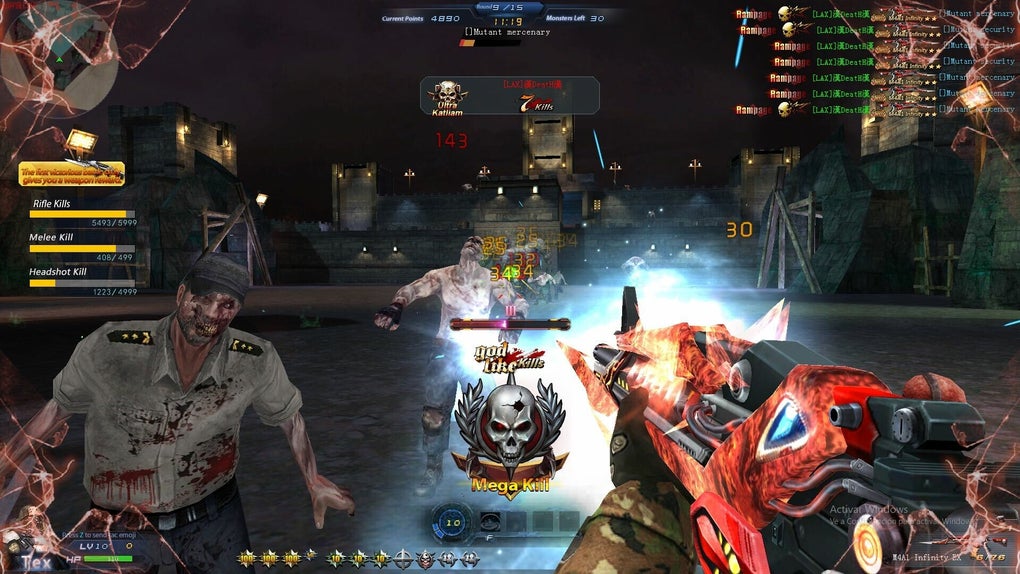
Blood Strike thrives on delivering an unadulterated dose of FPS action, prioritizing responsive controls, satisfying gunplay, and a dynamic battlefield. The game’s design philosophy aims for realism, not just in aesthetics but also in the tangible feel of combat, ensuring that every shot fired and every movement made contributes to an immersive and impactful experience. Beyond the fundamental mechanics, Blood Strike introduces an array of features that elevate it from a simple shooter to a strategic battleground where player skill and tactical foresight are paramount.
Diverse Game Modes for Every Player
One of Blood Strike’s most appealing aspects is its trio of primary game modes, each meticulously crafted to cater to different playstyles and preferences. This variety ensures that players can always find an engaging challenge, whether they prefer long-form survival, quick-burst firefights, or objective-based tactical engagements.
The Battle Royale mode stands as the flagship experience, thrusting a large number of players onto an expansive, meticulously designed map. The objective is classic yet ever-gripping: be the last person or squad standing. Players parachute in, unarmed, and must immediately begin a frantic scramble to scavenge weapons, armor, and utility items from buildings and supply drops. As the game progresses, a shrinking safe zone forces players into increasingly tighter confrontations, culminating in intense final circles where positioning, resource management, and precise gunplay become absolutely critical. The vastness of the map allows for diverse engagements, from long-range sniper duels across open fields to claustrophobic close-quarters combat within urban environments. The thrill of outwitting opponents, navigating treacherous terrain, and surviving against overwhelming odds makes this mode an endlessly replayable core of the Blood Strike experience.
For those who crave constant action and immediate gratification, the Death Match mode offers a high-octane alternative. Here, the objective is straightforward: rack up the target kill count before the opposing team does. This mode eschews the scavenging and survival elements of Battle Royale in favor of continuous combat in smaller, more focused arenas. Players respawn quickly, allowing for relentless engagements and the opportunity to constantly refine their aiming and movement skills. Death Match is an excellent proving ground for weapon mastery and quick reflexes, providing a pure, unadulterated FPS experience where strategy takes a back seat to raw skill and aggressive play. It’s perfect for warm-ups or for players who simply want to jump into the fray without the downtime associated with larger battle royale maps.
Rounding out the trio is the Control Point mode, which introduces a tactical layer to the shooter mechanics. In this mode, teams compete to occupy and hold designated strategic locations across the map to earn points. Success in Control Point demands more than just aiming prowess; it requires coordinated team efforts, intelligent positioning, and a keen understanding of map flow. Players must decide whether to push an objective aggressively, defend a captured point, or flank enemy positions. The ebb and flow of control, the desperate defenses, and the coordinated assaults make Control Point a test of strategic thinking and teamwork, rewarding squads that can communicate effectively and adapt to changing battlefield conditions. Each mode, distinct in its demands and rewards, contributes to Blood Strike’s comprehensive appeal, ensuring that a wide spectrum of FPS enthusiasts can find their preferred flavor of combat.
Legends on the Battlefield: Unleashing Unique Abilities
Beyond its varied game modes, Blood Strike introduces a compelling layer of strategic depth through its roster of playable characters, known as “Legends.” Currently featuring eight distinct Legends, this system draws clear inspiration from the “hero shooter” subgenre, where character choice significantly impacts gameplay and team dynamics. Each Legend is not merely a cosmetic skin but comes equipped with a unique set of skills and perks that can fundamentally alter the flow of combat and open up a plethora of tactical possibilities.
Consider, for instance, a Legend like Ethan, who possesses the ability to deploy tactical barriers. In a game mode like Control Point, Ethan can fortify key choke points, funnel enemies into kill zones, or provide crucial cover for advancing teammates. In Battle Royale, his barriers can create temporary shelters in exposed areas, offering a much-needed respite from enemy fire or enabling strategic revives. On the other hand, a Legend such as Jet brings a different kind of utility to the battlefield. Jet can call upon an operator to deploy weapons, effectively giving his squad an on-demand resupply or access to specialized firepower at critical moments. This can turn the tide of an engagement, providing an unexpected boost in weaponry when resources are scarce or allowing for rapid changes in loadouts to counter enemy compositions.
The introduction of these distinct abilities means that team composition becomes a vital strategic consideration, particularly in squad-based modes. A well-balanced team, featuring Legends whose skills synergize effectively, can gain a significant advantage over a disorganized opponent. For example, a Legend focused on reconnaissance might scout enemy positions, allowing an offensive Legend to execute a perfectly timed flank, while a support Legend provides healing or defensive utility. This system encourages players to not only master individual gunplay but also to understand the strengths and weaknesses of each Legend, both their own and their teammates’, and to adapt their playstyle accordingly.
The strategic depth offered by the Legends system ensures that Blood Strike isn’t just about who has the better aim, but also who can better leverage their unique abilities in conjunction with their team. This element sets it apart from more traditional military shooters and aligns it more closely with titles like Valorant or Farlight 84, where character choice and ability usage are integral to competitive success. As the game evolves, the potential for new Legends, each with innovative abilities, promises to keep the meta fresh and engage players with ever-expanding tactical possibilities.
Technical Prowess and Accessibility: Mobile-First Design with PC Capabilities
In an industry increasingly driven by cross-platform compatibility and accessible gaming, Blood Strike stands out through its deliberate focus on optimization, particularly for mobile devices. This design choice by NetEase Games has been instrumental in broadening the game’s reach, ensuring that a high-quality FPS experience is available to a massive global audience, regardless of their hardware specifications. While the game originated on mobile, its subsequent availability on Windows extends its appeal, allowing players to enjoy the same core experience with the added precision and visual fidelity typically associated with PC gaming.
Optimization for Broad Reach
The most striking aspect of Blood Strike’s technical foundation is its exceptional optimization for mobile devices. Recognizing that a significant portion of the global gaming audience accesses titles through smartphones and tablets, NetEase Games engineered Blood Strike with minimal system requirements. The game notably asks for just 4GB of RAM and a mere 1GB of storage space. These modest specifications are a game-changer, allowing Blood Strike to run smoothly on a vast array of mid-to-low-end mobile devices that might struggle with more graphically demanding titles like Call of Duty Mobile or PUBG Mobile. This accessibility democratizes the high-quality FPS experience, enabling players in emerging markets or those with budget-friendly devices to partake in competitive online multiplayer.
This optimization isn’t just about meeting minimum specs; it’s about ensuring a fluid and responsive gameplay experience across all supported devices. Low latency, stable frame rates, and quick loading times are crucial for competitive shooters, and Blood Strike largely delivers on these fronts. The game’s ability to maintain high performance without compromising core visual clarity or gameplay mechanics is a testament to NetEase’s engineering prowess. This focus on optimization extends beyond mobile, as the Windows version also benefits from a relatively low barrier to entry, ensuring that a wider PC audience can also jump into the action without needing top-tier hardware. By prioritizing performance and accessibility, Blood Strike has built a foundation for a truly expansive player base, fostering a competitive environment that thrives on sheer numbers and diverse engagement.
Visuals and Audio: Crafting Immersion
Blood Strike’s visual presentation leans into a style of realistic character and set designs, aiming to immerse players in a believable combat environment. While not pushing the boundaries of hyper-realism seen in AAA console titles, the graphics are crisp, functional, and detailed enough to create a sense of place and urgency. Environments feature a good balance of open spaces and intricate structures, providing varied combat scenarios that range from long-range sightlines to close-quarters skirmishes. Character models are distinct and well-rendered, allowing for easy identification of Legends and enemy combatants during intense firefights. The visual feedback from hits, explosions, and ability activations is clear and impactful, contributing to the overall satisfaction of gameplay. For a free-to-play title, especially one designed with mobile optimization in mind, the visual fidelity achieved by Blood Strike is commendable.
Complementing the visuals is the game’s sound design, which, while described as “not particularly revolutionary,” is nonetheless effective in helping round the game up nicely. The audio cues are functional and contribute significantly to player awareness and immersion. Gunshots have distinct characteristics, allowing players to differentiate between weapon types and estimate enemy positions. Footsteps, crucial in any competitive shooter, are audible and directional, providing vital information about approaching threats. Environmental sounds add atmosphere without being distracting, and the voice lines for Legends enhance their personalities and tactical utility. While the soundtrack might not be memorable, the in-game sound effects are precisely what they need to be: clear, responsive, and contributive to the competitive experience. Together, the visuals and audio craft a cohesive and immersive battlefield, allowing players to fully engage with the fast-paced action and strategic demands of Blood Strike.
Strengths, Limitations, and the Road Ahead for Blood Strike
Every game, regardless of its initial reception or ambition, exists on a spectrum of strengths and weaknesses. Blood Strike, while showcasing significant promise and delivering an enjoyable experience, is no exception. Understanding its current advantages and the areas ripe for improvement is key to appreciating its place in the competitive FPS landscape and envisioning its potential future trajectory.
A Promising Contender: What Blood Strike Gets Right
Blood Strike has firmly established itself as a promising alternative within the crowded FPS genre, primarily due to several well-executed design choices. First and foremost are its well-designed game modes. The seamless integration of Battle Royale, Death Match, and Control Point offers a comprehensive array of experiences that cater to different player moods and skill sets. Each mode is polished and functional, providing a distinct and engaging challenge that ensures replayability. Whether players seek the long-term strategic grind of survival or the instant gratification of a kill-focused brawl, Blood Strike delivers.
Secondly, the good variety of playable characters, or Legends, injects a crucial layer of strategic depth. The unique skills and perks attributed to characters like Ethan and Jet foster dynamic team compositions and encourage tactical thinking beyond pure gunplay. This system makes every match feel fresh, as different Legends can lead to wildly different approaches to objectives and engagements. It encourages mastery not just of weapons, but of abilities and team synergy, elevating the competitive aspect of the game.
Perhaps one of Blood Strike’s most significant strengths, particularly in the mobile gaming market, is its minimal system requirements. Its exceptional optimization, allowing it to run smoothly on devices with just 4GB of RAM and 1GB of storage, dramatically broadens its accessibility. This ensures that a vast global audience, irrespective of their device specifications, can enjoy a high-quality competitive FPS. This focus on accessibility, combined with its free-to-play model, lowers the barrier to entry significantly, inviting a larger and more diverse player base. These foundational strengths combine to create an enjoyable core gameplay loop that is both satisfying and highly competitive.
Addressing the Challenges: Content and Community Feedback
Despite its undeniable strengths, Blood Strike is not without its limitations, which, if addressed, could propel the game to even greater heights. The primary concern highlighted by players and critics alike is the limited in-game content. With only three game modes and eight characters available at launch, the game, while polished, risks feeling somewhat shallow in the long run. Compared to behemoths in the genre that boast dozens of maps, a rotating roster of game modes, and extensive character selections, Blood Strike’s initial offering can feel somewhat restricted. This lack of variety could potentially lead to player fatigue, as even the most well-designed modes and characters can become monotonous without fresh content to explore. The absence of a robust progression system, extensive customization options, or alternative game types (like ranked play, specific event modes, or a training ground) could also impact long-term engagement.
Furthermore, players have reported instances of in-game bugs, particularly within the Battle Royale mode. These bugs range from minor graphical glitches to more significant issues that can impact fairness. Of particular concern are reports of exploits that some players utilize to gain an unfair advantage against their enemies. In a competitive shooter, integrity and fair play are paramount. Bugs that compromise this, especially those that can be manipulated for cheating, can quickly erode player trust and lead to a toxic game environment. Addressing these bugs promptly and implementing robust anti-cheat measures will be crucial for maintaining a healthy and equitable player base.
The road ahead for Blood Strike will involve a continuous commitment from NetEase Games to address these limitations. Future updates should ideally introduce new maps, expand the roster of Legends with creative abilities, and add diverse game modes to keep the experience fresh. Furthermore, a strong focus on bug fixing and the implementation of a robust, proactive anti-cheat system will be essential to ensure a fair and enjoyable competitive environment for all players. By listening to community feedback and consistently delivering meaningful content and technical improvements, Blood Strike has the potential to overcome its initial limitations and evolve into a dominant force in the free-to-play FPS market.
Why Blood Strike Stands Out in a Crowded Genre
In a gaming ecosystem saturated with first-person shooters and battle royale titles, Blood Strike has managed to carve out a distinct identity, positioning itself as a compelling and accessible alternative for a broad spectrum of players. Its unique blend of realistic combat, hero shooter mechanics, and exceptional optimization for mobile devices creates a gaming experience that is both intensely competitive and remarkably inclusive. While it shares DNA with genre heavyweights, Blood Strike offers its own flavor, focusing on fluid gunplay and strategic character abilities within a lean, performant package.
The game’s ability to deliver a high-quality FPS experience on minimal hardware is perhaps its most significant differentiator. By making competitive shooting accessible to a vast global audience, particularly those with less powerful mobile devices, NetEase Games has tapped into a demographic often underserved by more demanding titles. This accessibility, coupled with a free-to-play model, fosters a diverse and bustling community, ensuring that players can always find a match and engage with opponents of varying skill levels.
Furthermore, the strategic depth introduced by its diverse Legends and well-crafted game modes keeps the gameplay fresh and engaging. The core loop of mastering weapon recoil, understanding map layouts, and synergizing character abilities is immensely satisfying. Whether you’re a lone wolf meticulously planning your next move in Battle Royale or a team player coordinating ability usage in Control Point, Blood Strike provides ample opportunities for skill expression and tactical brilliance.
While the current content library and occasional bugs present challenges, they are typical growing pains for many emerging online titles. The fundamental mechanics and the enjoyable core gameplay loop of Blood Strike are robust, laying a strong foundation for future expansion. With continuous updates introducing new Legends, maps, game modes, and a dedicated effort to refine its anti-cheat systems, Blood Strike has tremendous potential to mature into a truly formidable player in the competitive FPS space.
For gamers looking for a fresh, fast-paced, and strategically rich shooter that won’t break the bank or demand high-end hardware, Blood Strike offers a compelling argument. It’s an experience that delivers immediate thrills while promising deeper engagement as players delve into its character mechanics and master its diverse battlegrounds. As it continues to evolve and expand, Blood Strike from NetEase Games is certainly a title to watch, offering an exciting future for mobile and PC FPS enthusiasts alike.
Disclaimer: The information provided in this article is based on the available content and generally observed characteristics of the game. For the latest updates, system requirements, and user reviews, please refer to the official game sources or reliable platforms like PhanMemFree. PhanMemFree.org aims to provide accurate and helpful information, but game features and performance can vary based on device and updates.
File Information
- License: “Full”
- Latest update: “July 21, 2025”
- Platform: “Windows”
- OS: “Windows 11”
- Downloads: “3K”


