
Bluetooth Radar is a free, open-source (GPL) Windows application categorized under Productivity software, specifically within the Cataloging subcategory. Developed by ShaiR and first added to software catalogs in 2013, it has garnered significant attention, accumulating over 20,000 installations since its release. This detailed analysis explores its functionality, features, usage, and overall impact within the Windows ecosystem.
Functionality and Features
Bluetooth Radar operates as a utility designed to scan and display information about Bluetooth devices within range. Its core functionality revolves around detecting and presenting details of nearby Bluetooth-enabled devices, offering a user-friendly interface to manage and understand the Bluetooth environment surrounding the user. While not explicitly stated in readily available documentation, the program likely performs this function by leveraging the Windows operating system’s built-in Bluetooth scanning capabilities. This allows the program to access and process information without requiring special drivers or additional hardware.
The primary function is the identification of Bluetooth devices. This identification might include the device name (if provided by the device), MAC address (a unique identifier for each Bluetooth device), and possibly other relevant information such as the Bluetooth class of device (which hints at the device type, e.g., keyboard, mouse, phone). The level of detail displayed likely depends on the information the Bluetooth device transmits and the capabilities of the Windows Bluetooth stack.
The program’s strength lies in its simplicity and efficiency. The interface likely presents the detected devices in a clear, concise format, making it easy to quickly identify and distinguish between different devices. This is especially useful in environments with multiple Bluetooth devices, where manual identification can be challenging or time-consuming. Users could utilize Bluetooth Radar for various purposes, including troubleshooting Bluetooth connectivity issues, identifying unknown devices, or simply monitoring the Bluetooth activity in their immediate surroundings.
User Interface and Experience
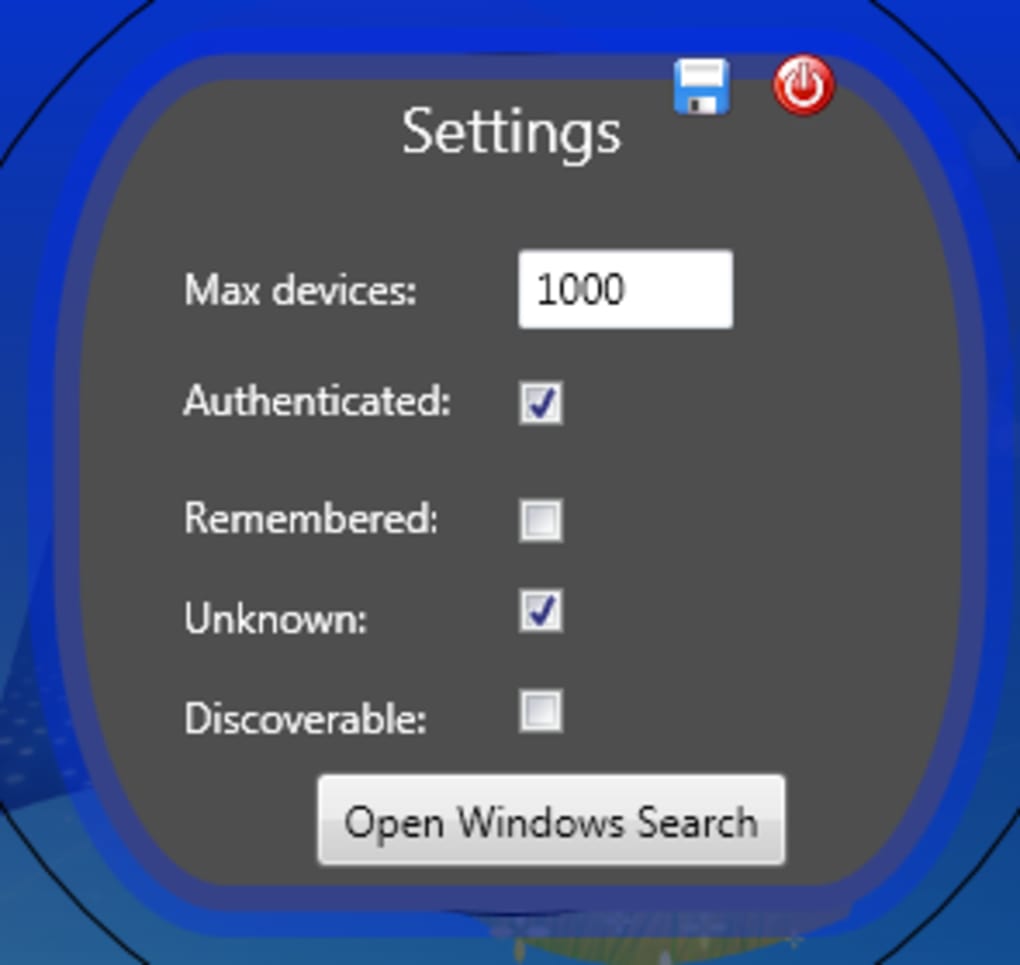
While precise screenshots or detailed descriptions of the user interface are not readily available, we can infer its characteristics based on its classification as a simple, user-friendly tool. The interface likely prioritizes clarity and ease of use. It probably displays the list of detected Bluetooth devices prominently, perhaps with options to sort or filter the list based on certain criteria. Considering its age and the focus on functionality over extensive features, we can expect a minimalist design, avoiding unnecessary complexity. Options to refresh the scan and potentially save the detected devices’ information might be included, enhancing its utility for monitoring purposes. The lack of user reviews directly on the program page suggests either a lack of user engagement or a very straightforward user experience requiring minimal feedback.
System Requirements and Compatibility
Bluetooth Radar was originally designed for Windows XP and earlier versions. While it’s been reported to have an update in 2022, the compatibility with newer Windows versions is not explicitly stated. It is important to note that Bluetooth technology itself has seen considerable advancements since the software’s initial release. Changes in Bluetooth protocols and the way Windows manages Bluetooth connections might affect the software’s compatibility and functionality on modern operating systems. It’s likely that the software interacts directly with the underlying Windows Bluetooth API, and therefore its compatibility hinges upon the backward compatibility of these APIs. Users intending to utilize this software on newer Windows versions should proceed with caution and test its functionality thoroughly to ensure compatibility and stability. The small file size (1.25 MB) suggests a lightweight application with minimal system resource requirements.
Comparison with Alternative Applications
Numerous alternative applications exist for managing and interacting with Bluetooth devices on Windows. Many are integrated directly into the operating system, providing similar functionalities without the need for third-party software. Windows offers built-in Bluetooth settings that allow users to manage paired devices, discover new devices, and configure Bluetooth settings. Compared to such built-in options, Bluetooth Radar’s value proposition likely stems from its potential to provide a more concise and easily navigable view of discovered devices, which could be helpful in specific contexts where many devices are present.
Other third-party applications offer more advanced features, such as device management tools, file transfer utilities, or specialized applications for specific Bluetooth devices. These applications often provide more comprehensive functionality but typically come with more complex interfaces and higher system resource demands. In contrast, Bluetooth Radar focuses solely on scanning and presenting device information, offering a simpler and more lightweight alternative for users who only need basic Bluetooth device discovery capabilities.
Security Considerations and Privacy Implications
As with any software that interacts with the system’s network capabilities, security and privacy concerns warrant attention. The open-source nature of Bluetooth Radar allows scrutiny of its codebase, potentially enabling users or security researchers to independently verify its safety and integrity. However, the lack of recent updates and the age of the software might introduce vulnerabilities that are not addressed in older versions.
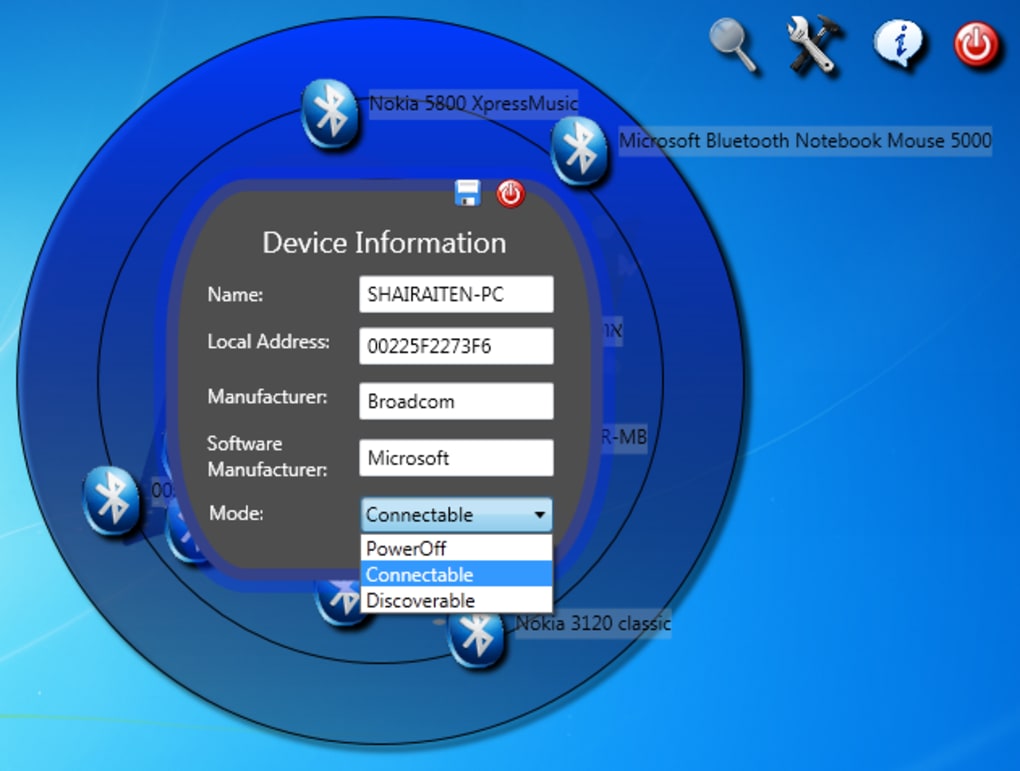
The program’s ability to scan for and display Bluetooth device information raises privacy concerns. Depending on the information exposed, this could potentially allow access to details about nearby users and their devices, including device names and MAC addresses. Users should be mindful of these implications and use the software responsibly, limiting usage to appropriate contexts and respecting the privacy of others. A thorough analysis of the source code by security experts is recommended to ensure it doesn’t collect or transmit any sensitive user data beyond its stated functionality.
Conclusion
Bluetooth Radar, a free and open-source Windows application, offers a simple yet effective solution for scanning and identifying Bluetooth devices within range. Its minimalist design and focus on core functionality make it a lightweight alternative to more complex Bluetooth management tools. However, its age and lack of recent updates raise concerns about compatibility with modern operating systems and potential security vulnerabilities. Users should carefully weigh the benefits against these considerations, potentially opting for built-in Windows Bluetooth functionality or more modern, actively maintained alternatives, depending on their specific needs and technical expertise. The program’s simplicity makes it potentially useful for educational or testing purposes, but extensive usage in professional or security-sensitive environments might require a more rigorously vetted and updated alternative.
File Information
- License: “Free”
- Version: “2.2”
- Latest update: “January 3, 2022”
- Platform: “Windows”
- OS: “Windows 8”
- Language: “English”
- Downloads: “25.8K”
- Size: “1.25 MB”


