
Bonjour, developed by Apple, is a remarkable zero-configuration networking protocol that simplifies the process of discovering devices and services on an IP network. Its ease of use and lack of complex configuration requirements have made it a popular choice for both home users and network professionals seeking a straightforward networking solution. This article will explore Bonjour’s functionality, history, advantages, disadvantages, and its place in the current landscape of networking tools.
Bonjour’s Functionality: Seamless Network Discovery
At its core, Bonjour’s purpose is to facilitate automatic device and service discovery within a local network. This eliminates the need for manual configuration of IP addresses, DNS servers, and other network parameters. Users can effortlessly locate printers, computers, and other network-enabled devices, fostering seamless connectivity within their network environment. This functionality significantly simplifies network management, especially for users less familiar with network administration intricacies. Instead of wrestling with complex settings, Bonjour allows devices to identify and connect to each other automatically, making networking accessible to a wider range of users.
Bonjour’s capabilities extend beyond simple device discovery. It also provides a mechanism for service discovery, allowing applications to locate and interact with other applications and services running on the network. This feature is particularly useful for applications that require communication with other software components on the same network, streamlining their functionality and interoperability. The automatic discovery of services reduces the configuration burden on both developers and users, simplifying application deployment and management.
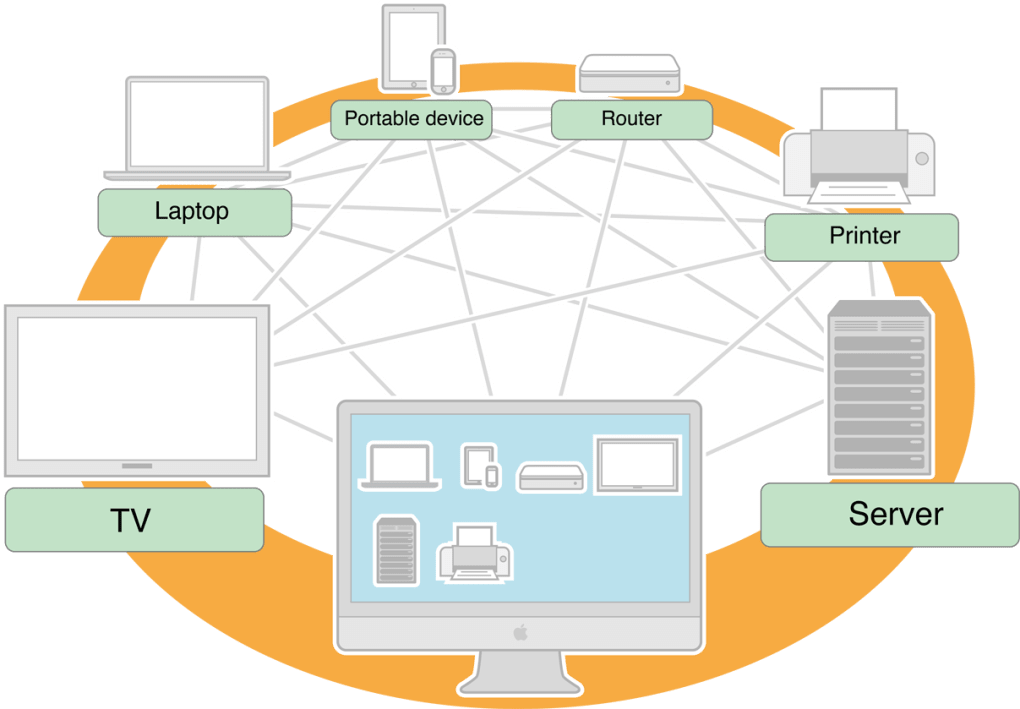
Originally designed for Apple’s ecosystem, Bonjour’s adaptability allowed it to extend to other operating systems. This cross-platform compatibility made Bonjour a powerful tool for creating heterogeneous networks involving devices from different manufacturers, creating a unified networking experience across various platforms. The widespread adoption of Bonjour in various operating systems further cemented its significance as a reliable and efficient networking tool.
Bonjour’s History and Evolution: From 2002 to the Present
Released in 2002, Bonjour initially aimed to simplify network connectivity for home users. The goal was to allow multiple Windows computers to connect seamlessly, streamlining the process for those less experienced with network setup. While it wasn’t designed for the complexities of large business networks, Bonjour offered an accessible and effective solution for home users, resolving the challenges of network configuration with remarkable simplicity.
Apple’s inclusion of Bonjour in its operating systems further solidified its prominence. Bonjour became integrated into macOS and iOS, becoming a core component of Apple’s networking infrastructure. This integration streamlined the connectivity of Apple devices, reinforcing its role as a fundamental networking technology within the Apple ecosystem. The integration provided a seamless experience for users who primarily utilized Apple products, creating a unified and user-friendly networking environment.
Over time, Bonjour evolved, adapting to changing technological landscapes. While its core functionality remained consistent, its compatibility extended to other platforms, including Windows and Linux, increasing its versatility and reach. The addition of an Internet Explorer plugin and a printer wizard provided a more user-friendly experience, further enhancing its appeal among users less familiar with the nuances of network configuration. These enhancements emphasized the focus on intuitive usability, aligning with Bonjour’s commitment to simplifying complex tasks.
Advantages of Using Bonjour: Simplicity, Efficiency, and Reliability
Bonjour’s primary advantage lies in its simplicity. Its zero-configuration nature eliminates the need for complex manual configuration, making it ideal for users who lack extensive networking expertise. The user-friendly interface and automatic discovery process simplify the connection process, making it accessible to users of all technical skill levels. The intuitive nature of the software ensures that even novice users can easily set up and manage their network connections.
Its efficiency is another significant advantage. Bonjour’s ability to automatically discover devices and services reduces the time and effort required for network setup and management, streamlining the process considerably. The automated functionality reduces the need for manual intervention, saving valuable time and simplifying the overall networking experience. The efficiency of the system translates to a significant improvement in productivity for users.
Bonjour is also known for its reliability. Its robust architecture ensures reliable and consistent connectivity, minimizing disruptions and enhancing the stability of the network. The system is designed to handle potential issues gracefully, ensuring minimal interruption to the network operations. The stability and reliability of the technology contribute to its widespread adoption and popularity among users.
Disadvantages and Limitations of Bonjour: Outdated Technology and Limited Scalability
Despite its advantages, Bonjour also has certain limitations. Being a relatively older technology, Bonjour may not be as feature-rich or efficient as some more modern networking tools available today. While it effectively handles the basic needs of most home users, it may not be as versatile or adaptable as more advanced network solutions designed for complex enterprise environments. Its limitations are primarily concerning its scalability and compatibility with newer network protocols.
Another potential drawback is its limited scalability. While perfectly suitable for small home networks, Bonjour may not be the optimal choice for larger or more complex enterprise networks. The technology is primarily designed for smaller networks and might face challenges in managing the complexities of larger and more demanding deployments. The lack of scalability makes it less ideal for larger organizations with complex networking needs.
Furthermore, while Bonjour’s cross-platform compatibility is a significant strength, it may not be completely seamless across all operating systems and devices. Although compatible with various systems, users may still experience some inconsistencies, minor compatibility issues or functional limitations, particularly with certain configurations or devices. Users should be aware of these potential compatibility issues when setting up their network environment.
Bonjour in the Modern Networking Landscape: A Niche but Useful Tool
In the contemporary landscape of sophisticated networking tools, Bonjour occupies a niche but still valuable role. While it may not compete with the comprehensive features of enterprise-grade networking solutions, it continues to offer a simple and efficient approach to network management for home users and small offices. For individuals and organizations with simple networking needs, Bonjour remains a viable and attractive option for its ease of use and simplicity.
While more modern networking tools may offer more advanced features and capabilities, Bonjour’s simplicity and ease of use remain compelling advantages for many users. Its continued relevance stems from its user-friendly interface and ability to resolve basic networking challenges effectively without the complexities of more advanced technologies. The software’s focus on user experience contributes to its ongoing popularity and relevance.
For users seeking a hassle-free and straightforward way to connect devices on a local network, Bonjour continues to be a valid option. Its continued availability and ongoing support reflect its lasting value and consistent popularity among its user base. Despite the emergence of more modern network solutions, Bonjour maintains a niche position by offering a user-friendly experience for those with straightforward networking requirements.
Conclusion: Bonjour – Simple Networking, Simply Done
Bonjour’s legacy as a zero-configuration networking tool remains significant, providing a remarkably simple solution for basic network discovery and connectivity. Although newer, more feature-rich options are available, Bonjour’s strength lies in its ease of use and straightforward functionality. While it might not be suited for large-scale enterprise environments, its value for home users and small offices persists. Its uncomplicated setup process and effective performance in smaller network contexts solidify its position as a valuable, readily accessible networking tool for those who require a simple, yet reliable, solution. For users prioritizing simplicity over extensive features, Bonjour’s enduring appeal makes it a viable and often preferable choice.
File Information
- License: “Free”
- Latest update: “July 11, 2023”
- Platform: “Windows”
- OS: “Windows 10”
- Language: “English”
- Downloads: “192.9K”
- Size: “8.75 MB”


