
Boogeyman, a PC game released in 2016 by Barry McCabe, plunges players into a terrifying world of suspense and fright. This action-packed title, categorized as a full-version Windows game, quickly gained popularity, accumulating over 20,313 downloads since its addition to online catalogs. While precise installation size details remain unavailable, its impact is undeniable, with significant downloads reported in Greece, the United States, and Romania. This exploration delves into the game’s features, reception, and its place within the larger landscape of PC horror games.
Gameplay and Features: A Nightmarish Experience
Boogeyman isn’t for the faint of heart. Its core gameplay revolves around navigating a chilling environment, likely a haunted house given the common tropes of the genre, while evading a terrifying presence – the Boogeyman himself. The game’s effectiveness lies in its ability to generate genuine fear and suspense. While specific gameplay mechanics aren’t explicitly detailed in readily available information, the overall experience is described as exciting and thrilling, even amidst the terror. This suggests a dynamic approach to gameplay, possibly incorporating elements of exploration, puzzle-solving, or even survival horror mechanics, demanding quick reflexes and strategic thinking to outwit the unseen antagonist. The thrill of exploring the ominous setting, coupled with the constant threat of the Boogeyman’s presence, forms the backbone of its engaging, terrifying experience. The description emphasizes the game’s success in eliciting fear and excitement, suggesting a cleverly crafted atmosphere and well-executed scare tactics.
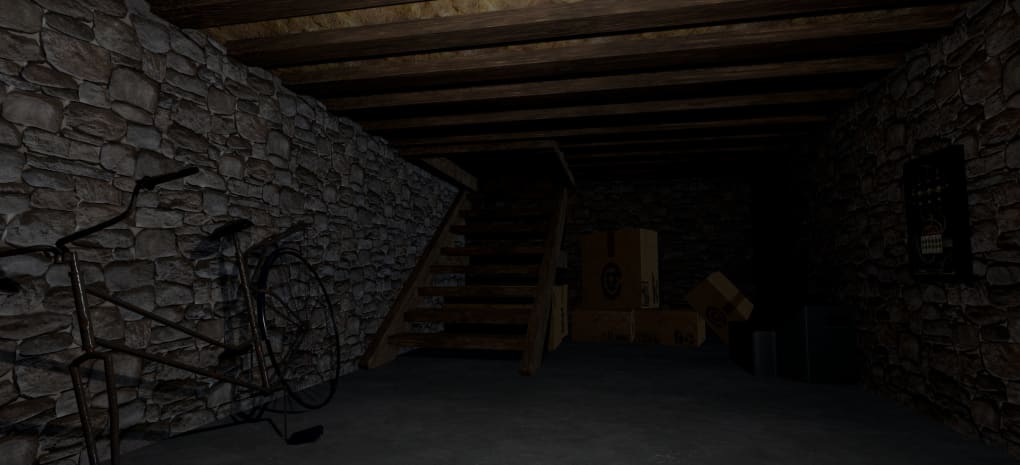
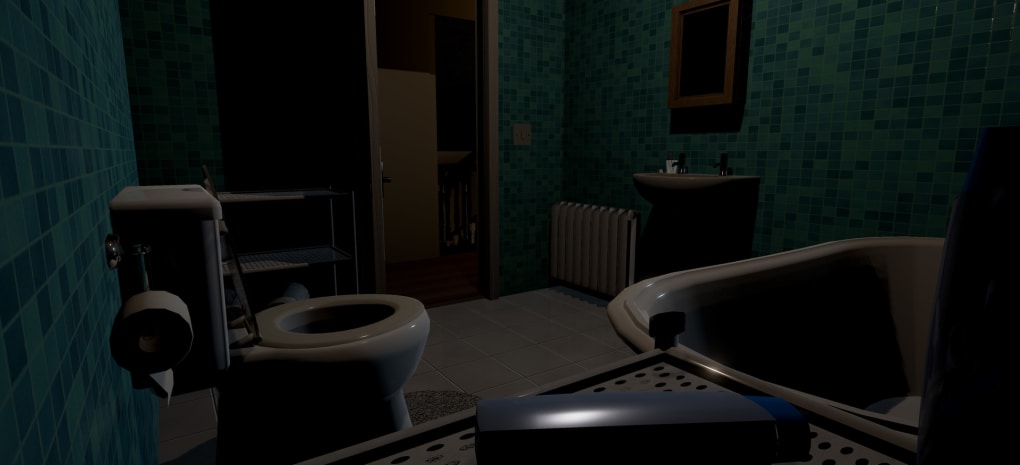
The game’s visual presentation is a key element contributing to its unsettling atmosphere. User reviews highlight the effectiveness of its scary graphics and effects, indicating a deliberate and skillful design choice to maximize the player’s sense of unease and vulnerability. The focus on realistic or at least highly impactful visuals suggests a commitment to creating an immersive and terrifying experience, making the player feel genuinely threatened and invested in survival. This attention to detail, even in the realm of potentially disturbing imagery, speaks volumes about the game’s dedication to delivering a truly chilling gaming experience. The game’s aesthetic likely utilizes darkness, shadows, unsettling soundscapes, and potentially grotesque imagery to heighten the sense of dread and uncertainty. This creates an environment where players are constantly on edge, uncertain of what lurks around every corner.
Technical Aspects and System Requirements
Boogeyman is designed for Windows 7 and earlier versions, highlighting its development within a specific technological era. The lack of information regarding the precise software version and installation size suggests a possibly smaller footprint, potentially a design choice made to broaden accessibility across a wider range of older PC systems. However, the game’s compatibility with older operating systems might be a double-edged sword. While allowing access to a broader player base with older hardware, it could also indicate limitations in terms of graphical fidelity and advanced gameplay features compared to more modern titles. While the exact technical specifications remain elusive, the game’s functionality on older systems hints at a focus on core gameplay mechanics rather than reliance on cutting-edge graphical processing power.
The game’s language support is limited to English, which might restrict its reach to a smaller international audience compared to multilingual games. This could be a limitation due to budget, development choices or a reflection of the smaller scale of the project. The absence of extensive marketing and localization efforts suggests the game might have targeted a niche audience initially, relying on word-of-mouth and online communities for promotion and expansion.
The last update date, March 24, 2016, signifies that Boogeyman isn’t actively updated post-release. This lack of ongoing support suggests that the game is unlikely to receive any future updates, patches, or bug fixes. However, it also means the core gameplay experience is fixed, and players know exactly what to expect from the game. This stability might be considered positive by some players, ensuring that the experience remains consistent across all playthroughs.

Community Reception and Reviews
User reviews offer valuable insights into the player experience. One review emphasizes the need for a strong tolerance to scary and frightening content, reiterating the game’s intensity and commitment to instilling fear in players. Despite its frightening nature, the user found the game enjoyable and exciting, highlighting the game’s potential to both terrify and entertain. This conflicting yet balanced assessment suggests a fine line between horror and entertainment expertly crafted by the developers, confirming the game’s success in achieving its intended purpose. The user’s statement that exploring the in-game house was “exciting” indicates a well-crafted game environment that balances horror with engagement, keeping players captivated despite the fear.
Comparison with Similar Games
Boogeyman sits alongside other PC horror titles, sharing similarities in atmosphere and genre, but perhaps differing in specific mechanics and execution. Games like The Joy of Creation: Reborn, Sophie’s Curse, and Five Nights at the Chum Bucket frequently appear alongside Boogeyman in comparison lists, suggesting shared audience appeal and thematic overlap. A comparison of these games would reveal their common ground within the survival horror or psychological thriller subgenres, while highlighting the unique elements that set Boogeyman apart. Specific comparisons might involve analyzing the intensity of jump scares, the complexity of puzzle elements, the overall narrative structure, and the effectiveness of atmosphere creation. Understanding these differences is crucial in appreciating Boogeyman’s unique contribution to the genre.
The existence of Boogeyman 2 further implies a potential narrative continuation or an evolution of gameplay mechanics. Direct comparisons between both games would unveil any changes in design philosophies, difficulty levels, or the overall approach to instilling fear. Examining both titles could offer insights into the developers’ creative progression and their learning from the success, or shortcomings, of the original game.
Conclusion: A Niche Horror Experience
Boogeyman stands as a testament to the power of atmosphere and suspense in creating a compelling horror experience. Though lacking extensive post-release support and multilingual options, the game’s effectiveness in eliciting fear and excitement amongst its players remains undeniable. Its niche appeal towards players with a high tolerance for horror, coupled with its limited information available online, suggests a title best experienced by dedicated horror enthusiasts who appreciate a more intimate and less widely publicized gaming experience. Its enduring popularity among certain segments of the gaming community underlines the success of its design in tapping into primal fears and providing a truly unforgettable, though possibly disturbing, gameplay experience.
File Information
- License: “Full”
- Latest update: “July 15, 2022”
- Platform: “Windows”
- OS: “Windows 10”
- Language: “English”
- Downloads: “10.9K”


