In an era saturated with high-octane action and complex strategy titles, a refreshing breeze of tranquility often emerges in the form of “cozy simulation” games. These digital retreats offer players a chance to slow down, engage in creative management, and build something meaningful, often with a touch of whimsy. Among these delightful experiences, Book-Bound stands out as a charming premium simulation PC game from developer Bit66. It invites players into a vibrant, enchanting fantasy world where the magic of stories comes to life, allowing them to manage their very own bookstore. Far from the typical high-stress entrepreneurial ventures found in other simulations, Book-Bound promises a serene yet engaging journey, where the primary goal is to cultivate a haven for avid readers and budding authors alike, offering shelves upon shelves of compelling narratives.
At its core, Book-Bound is more than just a game; it’s an ode to the quiet pleasure of reading and the joy of creating. It taps into the universal appeal of books, transforming the often-mundane task of retail management into an imaginative endeavor. The game’s premise is simple yet profoundly appealing to bibliophiles and fans of the genre: establish a small bookstore, nurture its growth, and watch it flourish into a beloved community hub. The experience is designed to be relaxing, providing a sanctuary for players seeking an escape into a world where literature reigns supreme. With its focus on customization, customer interaction, and even the unique ability to write and publish your own books, Book-Bound delivers a distinct flavor of simulation that celebrates both creativity and commerce within its fantastical setting.
The Allure of Simulation Gaming and the Setting of Book-Bound
The Rise of Cozy Management Sims
The gaming landscape has witnessed a significant surge in the popularity of “cozy games” and management simulations over recent years. These titles, characterized by their low-stress environments, focus on creative expression, and often charming aesthetics, provide a welcome alternative to the competitive and fast-paced nature of many mainstream games. Players find solace in building farms, managing cafes, renovating homes, or, in the case of Book-Bound, curating a bookstore. This genre thrives on the satisfaction derived from watching a personal project grow from humble beginnings into something grand, all while allowing for a high degree of personalization. Games like Stardew Valley, Animal Crossing, and Coffee Talk have perfected this formula, offering players a digital sandbox to unwind and express themselves.
Book-Bound fits perfectly within this growing niche. It understands the fundamental desire for players to connect with their digital creations, to feel a sense of ownership and pride in what they build. The act of arranging books, decorating a space, and interacting with customers in a gentle, narrative-driven manner is inherently appealing. It’s less about optimizing spreadsheets for maximum profit and more about fostering a warm, inviting atmosphere where stories and knowledge can thrive. For those who relish the idea of nurturing a business that serves a passionate community, especially one centered around something as universally cherished as books, Book-Bound offers an immersive and delightful escape. It embodies the essence of what makes cozy management simulations so beloved: the opportunity to create, manage, and dream in a peaceful, engaging environment.
A Whimsical World Awaits: Setting and Atmosphere
One of Book-Bound’s most immediate draws is its “charming fantasy world.” This isn’t just a backdrop; it’s an integral part of the game’s appeal and atmosphere. Imagine a bustling city teeming with fantastical creatures – elves, dwarves, gnomes, maybe even a curious dragon or a wise old wizard – all in search of their next great read. The architecture could be whimsical, with towering spires, cobblestone streets, and glowing lanterns. Magic might subtly influence daily life, perhaps manifesting in self-organizing shelves or enchanted advertising flyers. The fantasy setting allows for an imaginative expansion of the traditional bookstore concept. Instead of just selling mundane bestsellers, players might also trade in ancient spellbooks, forgotten prophecies, travel guides to mythical lands, or even rare grimoires whispered about in legend.
This fantastical context elevates the entire bookstore management experience. It means customer interactions aren’t just transactional; they could be delightful encounters with quirky characters, each with their own unique literary tastes and stories to share. The design elements for the bookstore itself could lean into magical themes – arcane symbols on shelves, floating displays, crystal balls to guide customers to specific genres, or cozy reading nooks bathed in soft, ethereal light. This rich, imaginative backdrop not only enhances the visual appeal but also provides endless possibilities for storytelling, both within the game’s narrative and through the player’s own creative endeavors. It transforms a simple business venture into an enchanting journey through a world where every book holds a piece of magic.
Curating Your Dream Bookstore: From Aesthetics to Acquisitions
Designing Your Literary Sanctuary: Customization in Detail
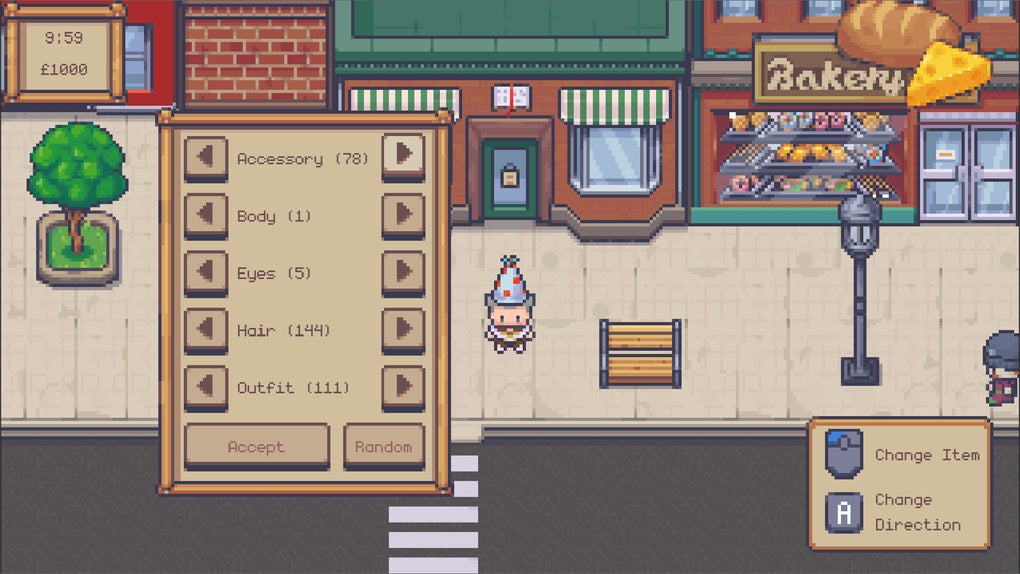
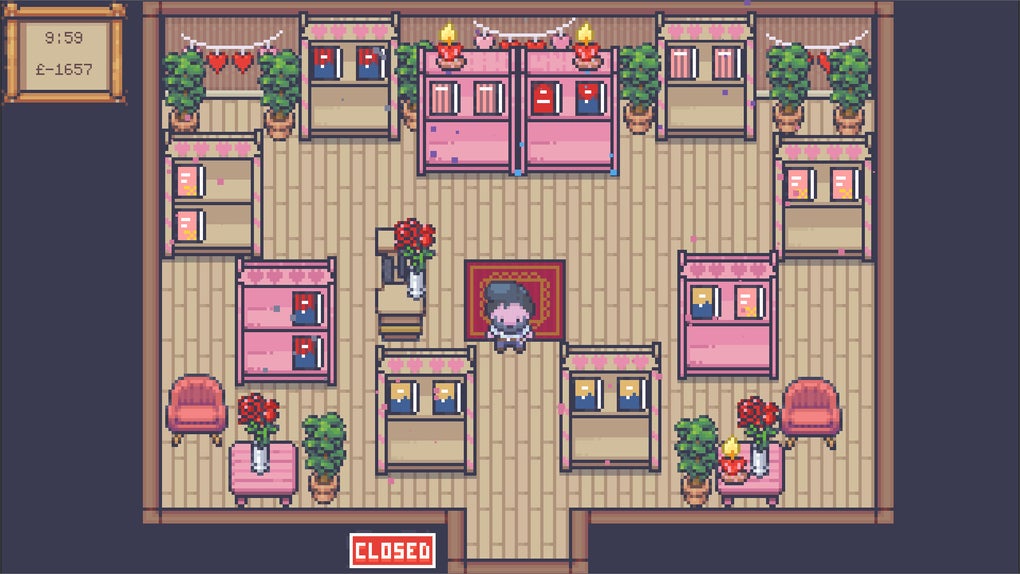
The initial step in your Book-Bound journey is to transform an empty shell into a welcoming literary sanctuary, and this is where the game’s extensive customization options truly shine. Players are given free rein to decorate their shop with a myriad of choices for shelves, tables, seating, lighting, and various set pieces. The fantasy world setting opens the door for incredibly diverse design themes. You might opt for a rustic, cozy cottage aesthetic, with dark wood, plush armchairs, and warm, flickering lamplight, reminiscent of an old wizard’s study. Or perhaps a grand, cathedral-like library feel, with towering bookshelves, stained-glass windows, and elegant reading desks. A more whimsical approach could see players incorporating elements like glowing crystals, magical fountains, or even miniature enchanted gardens within their shop.
The impact of these design choices extends beyond mere aesthetics. A well-designed, thematic bookstore can actively attract customers and enhance their experience. Different clientele might be drawn to different vibes; a sleek, modern fantasy setup could appeal to scholars and mages, while a quaint, charming space might attract more casual readers or families. Players can experiment with layout to optimize customer flow, create inviting reading nooks, or highlight specific book collections. Unlocking new decorative items, furniture styles, and structural elements as the store grows adds a satisfying progression loop, encouraging continuous creativity and refinement of your perfect literary haven. The ability to truly make the space your own is a cornerstone of Book-Bound’s appeal, allowing for endless hours of imaginative interior design.
Building a Diverse Catalog: The Art of Stocking Shelves
Once your bookstore’s ambiance is set, the heart of the business lies in its inventory: the books themselves. Book-Bound empowers players to build an extensive and diverse catalog, catering to every conceivable type of reader in its fantasy world. This involves more than just buying books; it’s about intelligent curation. You’ll need to consider a vast array of genres, from classic fantasy epics and gripping adventure tales to intricate mysteries, heartwarming romances, and profound philosophical treatises. But in a fantasy setting, the possibilities expand exponentially. Imagine stocking spellbooks for aspiring mages, historical accounts of ancient kingdoms, bestiaries filled with mythical creatures, scientific tomes on magical theory, and even children’s books featuring talking animals and brave heroes.
The process of acquiring these books could involve purchasing from various publishers, discovering rare and antique volumes from traveling merchants, or even trading with other librarians. Players might need to manage inventory levels, identify popular trends, and adjust pricing strategies to maximize sales and appeal. Understanding your customer base becomes crucial here; if your clientele predominantly seeks out tales of valor and dragons, you’ll want to ensure a robust selection of high fantasy. Conversely, if local scholars frequent your shop, a strong collection of academic and reference materials, perhaps even magical atlases, would be key. The challenge and satisfaction come from striking the right balance, ensuring that every customer who walks through your door finds their next cherished read. This aspect of the game is deeply tied to the “Education & Reference” category, as you are essentially managing a library of knowledge and stories.
The Ultimate Creative Endeavor: Writing Your Own Stories
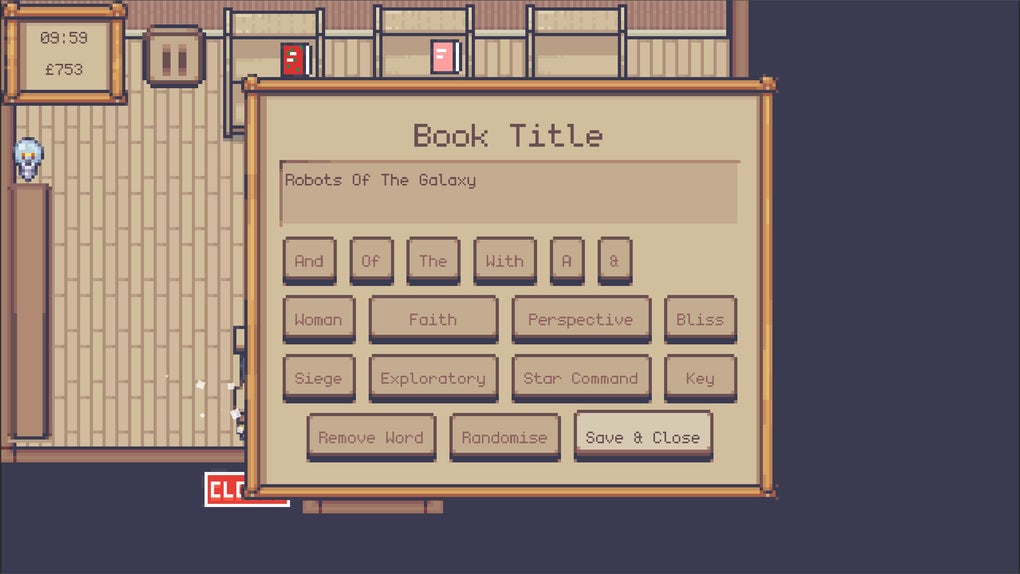
Perhaps the most unique and exciting feature hinted at in Book-Bound is the ability to “write and publish your own books.” This takes the concept of bookstore management to an entirely new level, integrating a powerful creative outlet directly into the gameplay loop. Players aren’t just selling stories; they’re creating them. This mechanic allows for a truly personal connection to the store’s inventory, transforming you from a mere vendor into a bona fide author. The inspiration for these original works can come from various sources: the daily life you observe in the bustling fantasy city, the intriguing interactions you have with your diverse customers, or even the grand adventures you might experience or hear about.
Imagine writing a heartwarming children’s story inspired by a friendly pixie customer, or a thrilling mystery novel based on a peculiar encounter with a grumpy troll. You could pen down a philosophical essay inspired by a recurring wizard patron, or a romance sparked by the city’s charming street performers. Once written, these books could go through a virtual publishing process, allowing you to choose covers, titles, and even influence their genre and impact on your shop’s reputation. Selling your own creations within your own bookstore adds a profound layer of personal investment and pride. It’s a testament to the game’s depth, offering a creative journey that mirrors the very essence of a bookstore: a place where stories are born, shared, and celebrated. This feature truly differentiates Book-Bound, making it an appealing prospect for aspiring writers and creative minds.
The Art of Bookselling: Marketing, Management, and Customer Relations
Spreading the Word: Effective Advertising and Outreach
In any bustling city, even a charming fantasy one, a new business needs to make its presence known. Book-Bound incorporates elements of marketing and advertising to help players attract a steady stream of customers to their nascent bookstore. While the exact methods aren’t fully detailed, one can imagine a range of creative ways to “spread the word around.” This could involve traditional methods reimagined for a fantasy setting, such as distributing beautifully calligraphed flyers across the market square, or hiring a town crier to announce special offers. Perhaps more magically inclined options exist, like enchanting posters to glow enticingly, or using a harmless charm to subtly guide potential readers towards your shop’s entrance.
Beyond passive advertising, players might also engage in proactive outreach. This could include hosting literary events, such as author signings (with your own written books, perhaps!), poetry readings by local bards, or even book club meetings within your store. Participating in local festivals or trade fairs could also be a way to showcase your unique selection. The effectiveness of different advertising strategies might depend on the local populace and the specific genres you wish to promote. Successful advertising won’t just bring in more customers, but the right customers – those who will appreciate your curated selection and become repeat visitors. This aspect of the game touches on the “FOR BUSINESS” and “Internet & Network” (metaphorically, as ’network’ could mean community reach) categories, reflecting the essential entrepreneurial spirit required to grow a business.
Personalized Service: Engaging Your Readers
A truly memorable bookstore experience goes beyond simply having books; it’s about the interaction, the recommendations, and the feeling of being understood as a reader. Book-Bound emphasizes the importance of personally assisting customers, guiding them to “help them find their next great read.” This suggests a deeper level of customer engagement than mere transactional sales. Players might need to converse with customers, understanding their preferences, past reads, and current mood to suggest the perfect book. A tired adventurer might seek a lighthearted romance, while a scholar might be hunting for a rare historical tome.
This personalized service could build customer loyalty, leading to repeat visits and positive word-of-mouth. Implementing a system where customers remember good recommendations, or even develop favorite genres and authors, would add significant depth. Perhaps fulfilling special requests for hard-to-find books, or organizing literary workshops for your patrons, could further solidify your bookstore’s reputation as a community hub. The game could also introduce various customer archetypes, each with unique personalities and demands, making every interaction a mini-challenge or a heartwarming moment. This focus on individual engagement enriches the simulation, making the player feel like a true literary guide rather than just a shopkeeper.
Navigating the Business of Books: Financials and Growth
While Book-Bound maintains a cozy, low-stress vibe, the underlying principles of business management are still crucial for the bookstore’s success and growth. Players will naturally need to oversee the financial health of their establishment. This involves managing initial startup costs, understanding procurement expenses for new books, setting appropriate pricing strategies, and monitoring daily sales and profits. Balancing the desire to offer a diverse and high-quality catalog with the need to remain profitable is a subtle art. Rare books might yield higher profits but appeal to a smaller niche, while popular fantasy novels could guarantee steady income.
Beyond day-to-day operations, the game would likely offer opportunities for expansion and upgrades. As your bookstore gains popularity and accumulates capital, you might invest in larger premises, unlock new sections (perhaps an arcane texts library or a children’s story corner), hire staff (if the game introduces this mechanic), or even open additional branches in other parts of the fantasy city. Managing resources effectively – from gold coins to inventory space – will be key to sustainable growth. Even in a magical world, basic economics apply, and smart financial decisions will allow your charming bookstore to flourish from a small shop into a renowned literary institution, continually serving the intellectual and imaginative needs of its diverse clientele. This strategic layer adds a satisfying sense of progression and long-term goal setting to the otherwise relaxing gameplay.
Charting the Next Chapter: Future Prospects for Book-Bound
Acknowledging Current Constraints: The Path to Deeper Engagement
As with many early-access or newly released indie titles, Book-Bound, in its current iteration, has been noted for having “thin content.” While its core mechanics and charming premise are strong, players have expressed a desire for more depth and variety to enrich the gameplay experience. This feedback is common for simulation games, where the community often craves endless activities, new features, and expanded worlds to explore. The current shallow gameplay might mean that while the initial hours are delightful, long-term engagement could wane without additional layers of complexity or new challenges.
However, this critique also presents a significant opportunity for the developer, Bit66. Games like Stardew Valley and Minecraft famously grew into massive, beloved titles through continuous content updates, driven by player feedback and a clear development roadmap. For Book-Bound, “thin content” is not a death knell but a starting point. It signifies a solid foundation upon which a truly expansive and enduring game can be built. The charming fantasy world, the unique writing mechanic, and the cozy management loop are all excellent building blocks. The next steps for the developer will be crucial in transforming this promising game into a truly deep and replayable experience that can captivate players for hundreds of hours.
Envisioning Expansions: New Features and Community Involvement
The potential for future content updates in Book-Bound is immense, offering exciting possibilities to address the current “thin content” observation and elevate the game to new heights. One obvious area for expansion is the introduction of more genres and book types, perhaps including rare, magical artifacts disguised as books, or interactive story elements. Deeper character interactions with customers could be implemented, with evolving relationships, mini-quests, or even loyalty programs that unlock special dialogue and items. The “writing your own books” mechanic could be expanded with more writing prompts, editing tools, and publishing options, allowing players to truly become celebrated authors within their fantasy world.
Seasonal events, themed decorations, and holiday-specific book sales could add cyclical interest. Introducing competitors, either other bookstores or rival magical institutions, could provide a subtle strategic challenge without sacrificing the cozy vibe. Furthermore, player requests for staffing options, advanced store customization (like multi-floor layouts or outdoor reading gardens), and even a broader map of the fantasy city to explore would enhance the sense of progression and exploration. The community aspect, potentially through online leaderboards for best-selling authors or shared design templates, could also foster engagement. Like many successful simulation games, Book-Bound could greatly benefit from a strong feedback loop with its player base, leading to updates that continuously enrich its enchanting world and deepen its gameplay. The game’s strong core provides an excellent canvas for such future expansions, making its narrative far from over.
Conclusion: A Must-Try for Bibliophiles and Cozy Gamers
Book-Bound, developed by Bit66, presents itself as a truly charming and utterly relaxing management simulator, perfectly tailored for anyone who cherishes the quiet joy of reading, the creativity of storytelling, and the serene satisfaction of building something unique. Set against the backdrop of an imaginative fantasy world, it invites players to not just own, but to breathe life into their very own bookstore. From the intricate decisions involved in decorating your literary haven and curating a diverse collection of tales for a fantastical clientele, to the truly distinctive mechanic of writing and publishing your own books, the game offers a uniquely personal and engaging experience.
While the current version, available on PhanMemFree.org for Windows, might possess content that some find a bit shallow, its foundational elements are undeniably strong and full of promise. The cozy gameplay, coupled with its chill vibes and extensive customization options, makes it an immediate draw for bibliophiles and fans of the genre. The opportunities for future updates and expansions are vast, suggesting that the story of Book-Bound is only just beginning. It’s a game that understands the magic inherent in books and the solace found in creation. For those seeking an escape into a world where literature reigns supreme, where every shelf tells a story, and every customer interaction is a chance to share the love of reading, Book-Bound is an experience well worth delving into. It’s more than a game; it’s an invitation to become the proprietor of a dream, a true literary entrepreneur in a world where imagination knows no bounds.
File Information
- License: “Full”
- Version: “1.0.2”
- Latest update: “March 20, 2025”
- Platform: “Windows”
- OS: “Windows 11”
- Language: “English”
- Downloads: “102”