
BookCAT, a once-popular Windows-based application for cataloging and managing book collections, has unfortunately reached the end of its lifecycle. While the software remains downloadable, it’s crucial to understand that it’s no longer supported by its developer, FNProgramvare. This means no further updates, bug fixes, or customer support are available. This review will delve into its features, functionalities, user experiences, and the implications of its discontinuation.
BookCAT’s Core Functionalities: A Powerful, Yet Now-Obsolete, Database
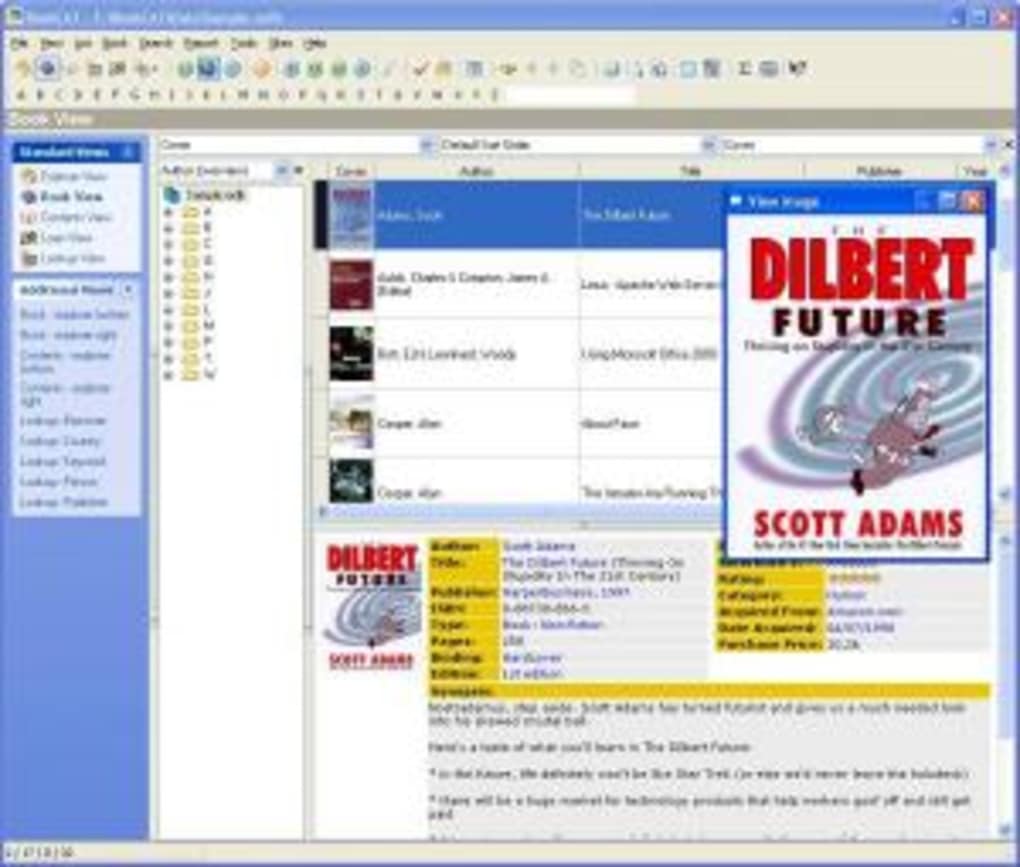
At its core, BookCAT functioned as a robust database program designed specifically for organizing and managing personal book libraries. Its strength lay in its ability to meticulously store and retrieve detailed information about each book in a user’s collection. This information likely included, but wasn’t limited to, the following:
- Title: Accurate recording of the book’s title, allowing for quick searches and retrieval.
- Author: Detailed author information, possibly including multiple authors and pseudonyms.
- ISBN: Inclusion of the International Standard Book Number, facilitating accurate identification and cross-referencing.
- Publisher: Recording the publisher’s name and potentially location.
- Publication Year: Accurate recording of the year of publication.
- Genre: Categorization of the book based on genre, allowing for easy browsing and filtering.
- Series: Identification of the book’s belonging to a specific series, beneficial for users with extensive series collections.
- Rating/Review: Personal rating and review sections, allowing users to track their opinions and thoughts on each book.
- Location: Tracking the physical location of the book within a user’s library, aiding in quick retrieval.
- Notes: A section for personal notes, comments, and relevant information related to the book.
- Hyperlinks: Possibly including external links to online resources, such as reviews or author websites (though past issues with certain characters in links were noted).
This comprehensive data entry system allowed users to build a highly organized and searchable digital representation of their physical book collections. The search capabilities likely allowed for filtering and sorting based on any of the above data points, allowing for efficient browsing and retrieval of specific books. The inclusion of backup functionality was also a significant feature, ensuring data safety and preventing loss of crucial information.
User Experience and Limitations: A Mixed Bag
User reviews, while limited in number and dating back to 2013, paint a mixed picture of BookCAT’s user experience. The overwhelmingly positive aspects centered around its powerful functionality and ease of use in cataloging a book collection. Users praised its ability to handle a substantial number of books, its detailed information fields, and its search capabilities. One user referred to it as a “great program.”
However, a significant limitation was the apparent restriction on the number of books the trial version could handle. One review explicitly states that the trial version’s limitation of accommodating only 40 books was a major drawback, especially considering the lack of an available full version for purchase. This lack of availability of a full version is a central issue and speaks to the software’s current state. The absence of an updated, supported version effectively renders BookCAT unusable for anyone needing to manage a larger library or needing technical assistance.
Further complicating matters was the cessation of sales and support. This rendered the software effectively obsolete, leaving users with a potentially powerful tool but without access to updates, bug fixes, or customer support for any issues that may arise. The developer’s silence regarding the discontinuation only added to the frustration.
The Discontinuation of BookCAT: Implications for Users
The developer’s decision to discontinue BookCAT represents a considerable challenge for its users. While the software itself is still accessible for download, the lack of ongoing support renders it a high-risk option. Any potential bugs or glitches remain unfixed, and users have no avenues for assistance should they encounter problems. The security of the application itself is also a concern, as the absence of updates leaves it vulnerable to potential security threats.
For current users, the discontinuation necessitates a search for alternative solutions. The need to migrate their existing book catalog data to a new system presents a significant task, requiring careful planning and execution to avoid data loss or corruption. Finding a compatible replacement will require careful consideration of functionality, ease of use, and the long-term viability of the chosen software.
For potential new users, the discontinuation makes BookCAT an unsuitable choice. The absence of support and updates makes it a risky proposition. Investing time in learning a system without future support is ill-advised. The inherent risks outweigh any perceived benefits.
Alternative Solutions: Exploring Modern Book Cataloguing Options
Given BookCAT’s discontinuation, users need to explore alternative solutions for managing their book collections. Numerous options exist, ranging from simple spreadsheet applications to sophisticated database software and dedicated book cataloging apps. The best choice will depend on the individual’s specific needs and preferences, but considerations should include:
- Scalability: The ability to handle a growing book collection without performance issues.
- Features: The availability of features such as ISBN lookup, genre categorization, rating systems, and custom fields.
- Ease of Use: An intuitive and user-friendly interface.
- Platform Compatibility: Availability on the preferred devices (desktop, mobile, web).
- Support: The availability of ongoing support and updates.
- Cost: The price of the software, ranging from free open-source solutions to paid subscription services.
Consider exploring options like:
- Spreadsheet software (e.g., Microsoft Excel, Google Sheets): While simple, these offer basic functionalities for managing book data, though lacking the advanced features of dedicated software.
- Dedicated book cataloging apps (e.g., Goodreads, LibraryThing): These online platforms offer social features and integration with other library services.
- Database software (e.g., LibreOffice Base, FileMaker Pro): These provide more advanced database functionalities and customization options, but often require greater technical expertise.
A careful evaluation of each option’s features, considering the current and future needs of the user, will be crucial in selecting an appropriate replacement for BookCAT.
Conclusion: A Legacy of Functionality, but a Cautionary Tale
BookCAT served as a functional book cataloging solution for many users. Its detailed data entry capabilities and powerful search features provided a valuable tool for organizing extensive book collections. However, its discontinuation serves as a cautionary tale highlighting the importance of ongoing support and updates in software selection. While the software itself may remain downloadable, the lack of support renders it unreliable and ultimately unsuitable for long-term use. Users are strongly advised to migrate their data to a supported alternative to ensure the long-term preservation and accessibility of their valuable book collection information. The experience serves as a reminder to always prioritize software with active development and ongoing support.
File Information
- License: “Trial version”
- Latest update: “July 16, 2025”
- Platform: “Windows”
- OS: “Windows 2003”
- Language: “English”
- Downloads: “6.4K”
- Size: “14.16 MB”


