
Border Officer is a simulation game developed by Cocopo and published by Cheesecake, offering players an immersive and often challenging experience as an immigration officer in the fictional, impoverished nation of Stavronzka. The game draws clear inspiration from titles like Papers, Please, placing players in a high-stakes environment where their decisions directly impact not only the flow of people across the border but also the well-being of their own family. Unlike many simulation games focused on resource management or economic growth, Border Officer adds a potent layer of human drama, forcing players to grapple with moral dilemmas and the harsh realities of poverty and political instability.
The Stavronzkan Struggle: Gameplay and Objectives
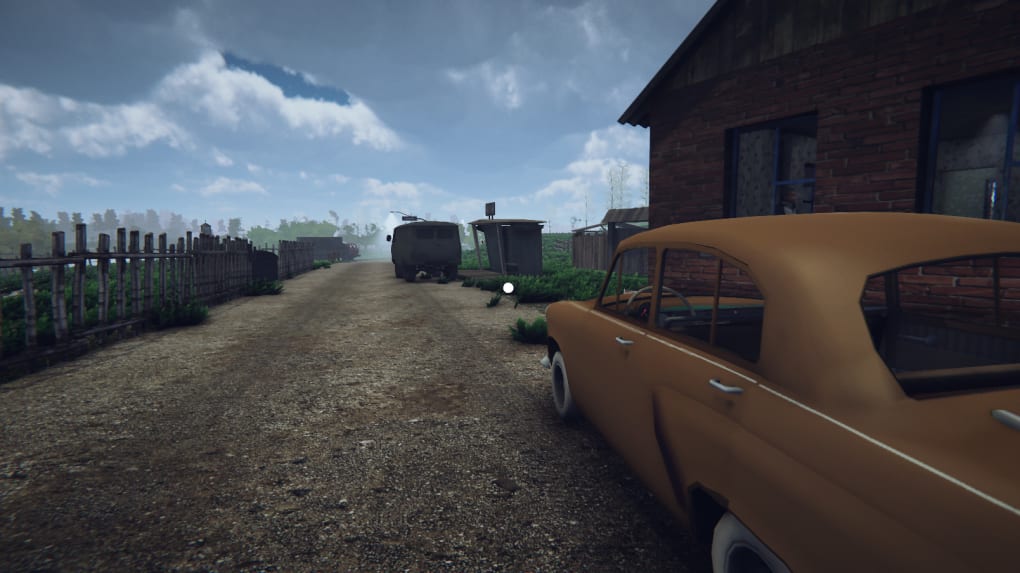
The setting of Border Officer immediately establishes a sense of grim realism. Stavronzka is depicted as a nation grappling with widespread unemployment, a desperate populace, and a seemingly indifferent government. The player takes on the role of the family’s sole provider, thrust into the position of an immigration officer as their only means of survival. This isn’t a glamorous job; it’s a grueling, detail-oriented task demanding constant vigilance and careful judgment.
The core gameplay loop revolves around interviewing and inspecting individuals attempting to cross the border. Players must meticulously examine passports, identify forged documents, and search for contraband, including weapons. The rules governing immigration are dynamic, subject to frequent changes and updates issued by the Stavronzkan state. Adaptability and quick thinking are crucial, as failing to comply with the latest regulations can result in penalties and, ultimately, jeopardize the player’s livelihood.
However, Border Officer goes beyond the simple act of checking documents. It introduces a compelling narrative layer where the player’s decisions extend far beyond their official duties. They must manage their family’s finances, ensuring they can afford necessities such as food, housing, and medical care for any sick family members. The weight of responsibility is palpable, as a single missed paycheck or a misjudgment at the border can have devastating consequences for their loved ones.
Beyond the Border: Moral Choices and Secondary Objectives
The game’s depth lies in its branching narrative and the challenging moral choices it presents. The player isn’t simply a cog in the immigration machine; they are faced with opportunities – and temptations – that test their ethical compass. The game presents players with several secondary objectives and paths they can choose to pursue:
-
Underground Society: The option to join an underground society provides an avenue to challenge the oppressive Stavronzkan state. This path likely involves risky actions and clandestine operations, potentially leading to a different kind of struggle for survival. The success or failure of such efforts remains uncertain, and players must weigh the potential benefits against the significant risks involved.
-
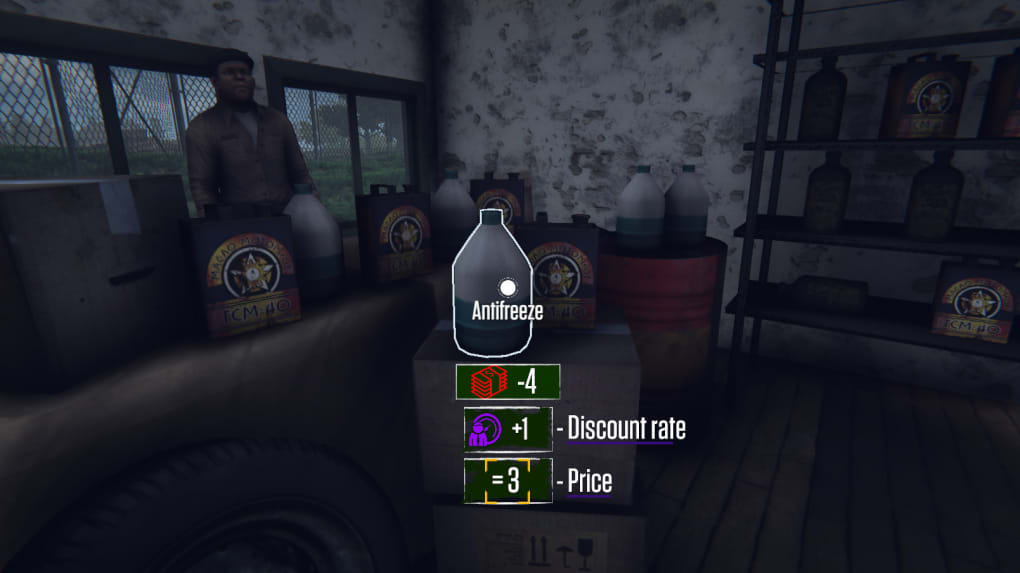
Gambling and Scavenging: The desperation of the setting is further underscored by the inclusion of opportunities for gambling and scavenging for food. These represent survival strategies resorted to by many in Stavronzka, giving the player a visceral understanding of their citizens’ plight. These actions, while potentially offering short-term relief, also carry inherent risks and could negatively affect the player’s family in the long run.
This interconnectedness of gameplay elements creates a compelling cycle of cause and effect. The player’s success as an immigration officer directly influences their family’s well-being, while their outside activities can impact their performance at their official post. This intricate relationship encourages players to develop sophisticated strategies, balancing their responsibilities at the border with the needs of their family and their potential involvement in wider political intrigue.
Balancing Realism and Gameplay: Strengths and Weaknesses
Border Officer successfully captures the atmosphere of a struggling nation. The game’s aesthetic, while admittedly unrefined, serves to underscore the pervasive poverty and desperation of Stavronzka, contributing to its realistic depiction. The brooding atmosphere and the constant pressure to make difficult decisions create a compelling gaming experience. The strategic depth of the game is a significant strength; players must carefully weigh the risks and rewards of each decision, adopting different strategies based on their evolving circumstances.
However, the game is not without its shortcomings. The developers have acknowledged an imbalance in the game’s difficulty, creating moments of frustration for some players. The “unfair” elements, as noted in some reviews, could stem from the unpredictable nature of the regulations or the unforgiving consequences of even minor mistakes.
Additionally, the game’s similarity to Papers, Please is a point of contention. While it offers its own distinct narrative and setting, some might find the core gameplay mechanics too derivative. However, this similarity could also be seen as a testament to the success of the Papers, Please formula, providing a solid foundation upon which Border Officer builds its own unique story. It manages to capture the essence of that successful model without simply being a reskin.
Comparison with Similar Titles
The comparison to Papers, Please is inevitable, as both games share a similar core gameplay loop of inspecting documents and making decisions with significant consequences. However, Border Officer differentiates itself through its focus on the broader economic and social realities of Stavronzka. While Papers, Please emphasizes the political intricacies of a totalitarian regime, Border Officer casts a spotlight on the everyday struggle of survival within a struggling nation.
Other games, such as Internet Cafe Simulator, Contraband Police, and Streamer Life Simulator, offer different perspectives within the simulation genre, but lack the same intense, morally ambiguous decision-making that defines Border Officer. Contraband Police, while featuring a checkpoint setting, lacks the family-centered narrative and the broader political context that distinguishes Border Officer. Internet Cafe Simulator, on the other hand, focuses on business management, offering a very different set of challenges and objectives.
Conclusion: A Unique and Challenging Simulation
Border Officer, despite its rough edges and similarities to other titles, presents a unique and compelling simulation experience. Its focus on the human element, the harsh realities of poverty, and the difficult moral choices players face make it stand out. The game’s success in creating a gripping and emotionally resonant experience overshadows its technical shortcomings. It may not reinvent the wheel, but Border Officer offers a distinctive narrative and gameplay experience that will undoubtedly resonate with players seeking a simulation that transcends the purely economic or strategic, delving instead into the complex and morally challenging landscape of human survival. For those willing to embrace the challenges and the grim realities of Stavronzka, Border Officer offers a truly unforgettable gaming experience.
File Information
- License: “Full”
- Version: “0.8”
- Latest update: “February 21, 2025”
- Platform: “Windows”
- OS: “Windows 7”
- Language: “English”
- Downloads: “27.9K”


