
Boxee was a groundbreaking multimedia center application that aimed to revolutionize how users interacted with their digital media. It sought to consolidate various media sources – local files, online streaming services, and more – into a single, user-friendly interface. While no longer actively developed, its innovative approach and impact on the home entertainment landscape warrant a closer look at its features and functionality. This deep dive explores Boxee’s strengths, weaknesses, and its lasting influence.
Boxee’s Core Functionality: A Unified Media Experience
Boxee’s primary function was to centralize a user’s entire multimedia collection. This encompassed both locally stored files (videos, music, photos) and a wide array of online content. The software wasn’t simply a media player; it was a comprehensive hub that integrated various streaming services, providing a seamless experience for users. Imagine a single application where you could access your personal movie library, watch YouTube videos, listen to Pandora radio, and browse photos on Flickr – all from a consistent and intuitive interface. This was the promise of Boxee, and for many users, it delivered.
The application’s interface, while initially described as requiring some acclimation, was designed to be visually appealing and easy to navigate once users became familiar with its unique approach. Hidden menus would reveal themselves on hover, providing access to different sections of the application. This design prioritized a clean and uncluttered visual experience, a notable departure from the more cluttered interfaces of many media players at the time.
Boxee’s versatility extended beyond its core media playback capabilities. Its app store-like functionality allowed users to extend its capabilities through the addition of various third-party applications, further enhancing its functionality and customization options. This “app box,” as it was referred to, allowed users to personalize their Boxee experience significantly, adding features that catered to their individual preferences and media consumption habits.
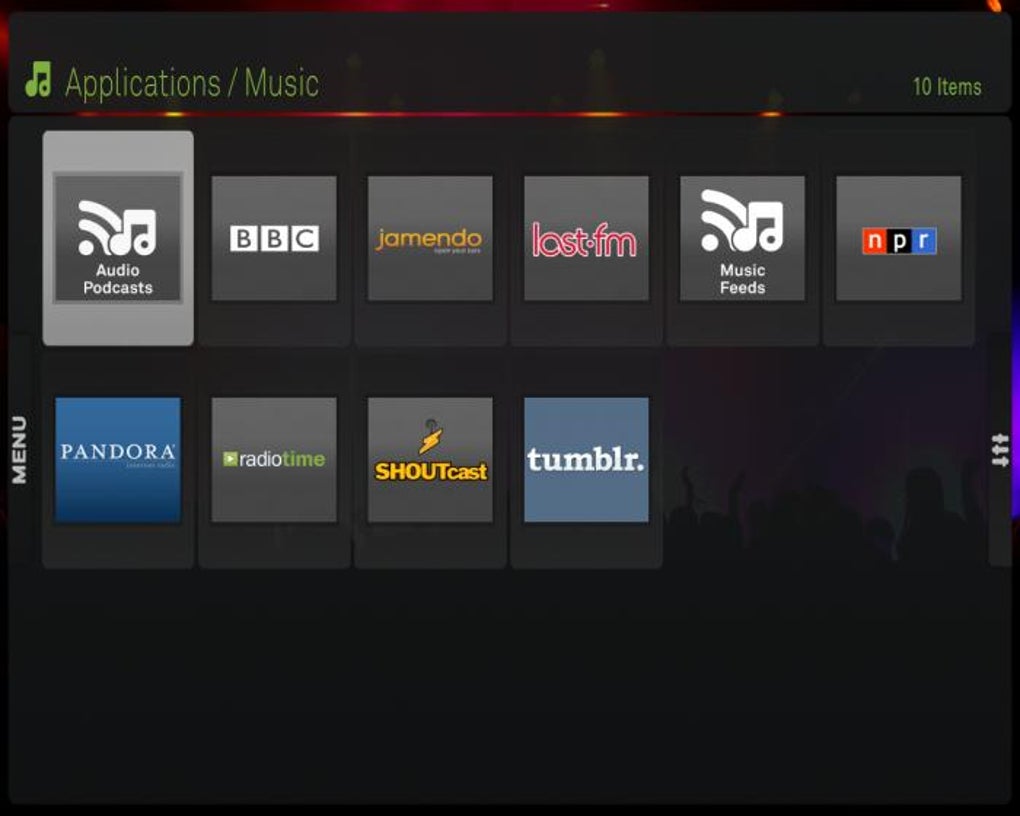
The Boxee Ecosystem: Apps, Games, and Beyond
Boxee’s functionality was significantly expanded through its robust app ecosystem. These apps extended its capabilities far beyond simple media playback, offering a broad spectrum of entertainment and utility options. Let’s explore the diverse categories that made up the Boxee app landscape:
Games
Boxee offered a selection of games, spanning various genres to cater to a broad range of tastes:
- Action: High-octane games focused on fast-paced gameplay and intense challenges.
- Adventure: Games emphasizing exploration, storytelling, and puzzle-solving.
- Arcade: Classic arcade-style games, often featuring simple controls and addictive gameplay.
- Board: Digital adaptations of popular board games, offering multiplayer capabilities and strategic gameplay.
- Card: Digital card games, from classic solitaire to more complex strategy games.
- Casino: Games of chance, offering a simulated casino experience.
- Educational: Games designed to be both entertaining and educational, often targeting specific learning objectives.
- Family: Games suitable for players of all ages, typically emphasizing fun and collaborative play.
- Music: Rhythm games and music-based challenges.
- Puzzle: Games focusing on problem-solving and logical thinking.
- Racing: High-speed racing games, featuring realistic physics and intense competition.
- Role-Playing: Immersive games where players assume the roles of characters within a fictional world.
- Simulation: Games simulating real-world scenarios, allowing players to experience various aspects of life.
- Sports: Games simulating various sports, allowing users to engage in virtual competition.
- Strategy: Games emphasizing planning, resource management, and tactical decision-making.
- Trivia: Knowledge-based games testing players’ general knowledge.
- Utilities: Games that serve a functional purpose, such as puzzle games aimed at improving cognitive skills.
- Word: Games focused on vocabulary, spelling, and word puzzles.
This wide selection showcased Boxee’s commitment to offering a diverse and engaging entertainment experience.
AI Applications
With the rise of artificial intelligence, Boxee incorporated various AI-powered applications, a forward-thinking feature for its time:
- AI Audio: Applications using AI to enhance audio quality, create personalized soundtracks, or generate music.
- AI Chat: AI-powered chatbots for communication and entertainment.
- AI Coding: Tools assisting in programming tasks through AI-powered code generation and assistance.
- AI Education: Educational applications leveraging AI for personalized learning experiences.
- AI Image Generator & Editor: AI-powered tools for generating and editing images.
- AI Productivity: AI-powered tools to enhance productivity, such as scheduling and task management.
- AI Video Generator & Editor: AI-driven tools for video creation and editing.
- AI Writing Assistant: AI tools to aid in writing tasks, providing suggestions and corrections.
The inclusion of these AI applications demonstrated Boxee’s forward-thinking approach and commitment to integrating emerging technologies.
Other Key Application Categories
Boxee went beyond games and AI applications, offering a wide range of other categories designed to enhance the user experience:
- Browsers: Boxee integrated web browsers allowing users to seamlessly access online content directly within the platform. This included support for add-ons and tools, enhancing browsing capabilities.
- Security & Privacy: Given the nature of accessing various online services, Boxee also provided access to security and privacy applications. This included features like ad blockers, antivirus software, VPNs, and password managers, ensuring user safety and data protection.
- Productivity: Boxee wasn’t just for entertainment; it also provided a selection of productivity applications, such as office suites, email clients, calculators, and project management tools.
- Internet & Network: Applications aiding in network management and online activities, including download managers, file-sharing tools, and search utilities.
- Multimedia: This broad category encompassed everything from audio and video players to graphic design software and photo editing tools, enhancing multimedia creation and consumption.
- Development & IT: A category focused on developers and IT professionals, featuring tools for software development, database management, and network administration.
- Education & Reference: Applications catering to educational needs, including e-readers, dictionaries, encyclopedias, and educational software.
- Lifestyle: Applications related to various aspects of daily life, including health and fitness trackers, shopping apps, and weather apps.
- Personalization: Tools for customizing the Boxee interface, including themes, wallpapers, and custom cursors.
- Social & Communication: Applications for social networking, chat, and other communication tools.
- Travel & Navigation: Applications for planning trips, finding locations, and accessing public transportation information.
- Utilities & Tools: A collection of general-purpose utilities, including file managers, data recovery tools, and system monitoring tools.
This comprehensive range of applications demonstrated Boxee’s ambition to be a truly all-encompassing platform for entertainment, productivity, and information access.
Boxee’s Strengths and Weaknesses
Boxee had several strengths that made it a compelling option for multimedia enthusiasts:
- Unified Interface: Its centralized interface provided a single point of access for various media sources, simplifying media management.
- Extensive App Support: The app ecosystem significantly expanded Boxee’s capabilities, allowing for customization and adding new features.
- Integration of Online Services: Seamless integration with popular online services like YouTube, Pandora, and Flickr broadened its appeal.
- User-Friendly Design (eventually): While initially criticized for its unique interface, it proved intuitive for most users once they familiarized themselves with it.
However, Boxee also suffered from certain weaknesses:
- Performance Issues: Users often reported slow startup times and occasional performance hiccups.
- Limited Device Support: Boxee primarily focused on PCs, limiting its accessibility compared to more platform-agnostic solutions.
- Dependence on Internet Connection: Many features relied heavily on internet connectivity, creating limitations for users with unreliable connections.
- Discontinuation: The ultimate downfall of Boxee was its eventual discontinuation, leaving users without support and updates.
Boxee’s Legacy
Despite its discontinuation, Boxee left a significant mark on the multimedia landscape. Its innovative approach to integrating local and online media, combined with its flexible app ecosystem, laid the groundwork for many subsequent multimedia platforms. The concept of a unified media center, offering seamless access to diverse content sources, remains a cornerstone of modern entertainment systems. While Boxee itself is no longer available, its influence can be seen in the design and functionality of many current media players and smart TV platforms. It serves as a reminder of the potential of a well-integrated and user-friendly multimedia experience, even if its full potential was never fully realized.
File Information
- License: “Free”
- Latest update: “November 3, 2010”
- Platform: “Windows”
- OS: “Windows 8”
- Language: “English”
- Downloads: “34K”
- Size: “46.32 MB”


