
Boxes: Lost Fragments, published by Snapbreak (the creators of the popular Doors series), is a first-person puzzle game that immerses players in a thrilling heist within a grand mansion. The game’s core gameplay revolves around solving a series of increasingly complex box puzzles, each demanding careful observation, logical deduction, and a touch of ingenuity. This detailed review explores the game’s mechanics, visuals, strengths, and weaknesses, providing a comprehensive overview for potential players.
A Thief’s Toolkit: Gameplay and Mechanics
The game unfolds from a first-person perspective, placing the player directly into the role of the thief. The environment is meticulously detailed, allowing for thorough examination of each box. Players can freely rotate the camera and zoom in to scrutinize every nook and cranny, searching for clues and potential mechanisms. The puzzles themselves are multifaceted, ranging from intuitive actions like picking up and manipulating objects to more challenging tasks involving sliding mechanisms, dial manipulation, and intricate sequences of actions.
The interface is thoughtfully designed to minimize distractions. Collected items are displayed clearly on the right side of the screen, enabling easy interaction. The left side houses the menu and hint system, providing accessible assistance without disrupting the immersive puzzle-solving experience. While hints are available, they are carefully designed to guide players rather than outright reveal solutions, encouraging active problem-solving.
The progression through the puzzles feels organic. Initial levels introduce fundamental mechanics, gradually building complexity as the player progresses. This methodical approach prevents overwhelming the player and allows them to steadily develop their puzzle-solving skills. However, the simplicity of early puzzles might feel slightly underwhelming to experienced puzzle game enthusiasts.
The game currently offers a free playable demo containing two levels, allowing potential players to experience the core gameplay before committing to the full version. These demo levels effectively showcase the game’s design philosophy, presenting a compelling sample of the challenges to come. While the demo provides a taste of the experience, the limited number of puzzles naturally does not fully represent the complete game’s scope and difficulty progression.
Visual and Auditory Delights: Immersive Design
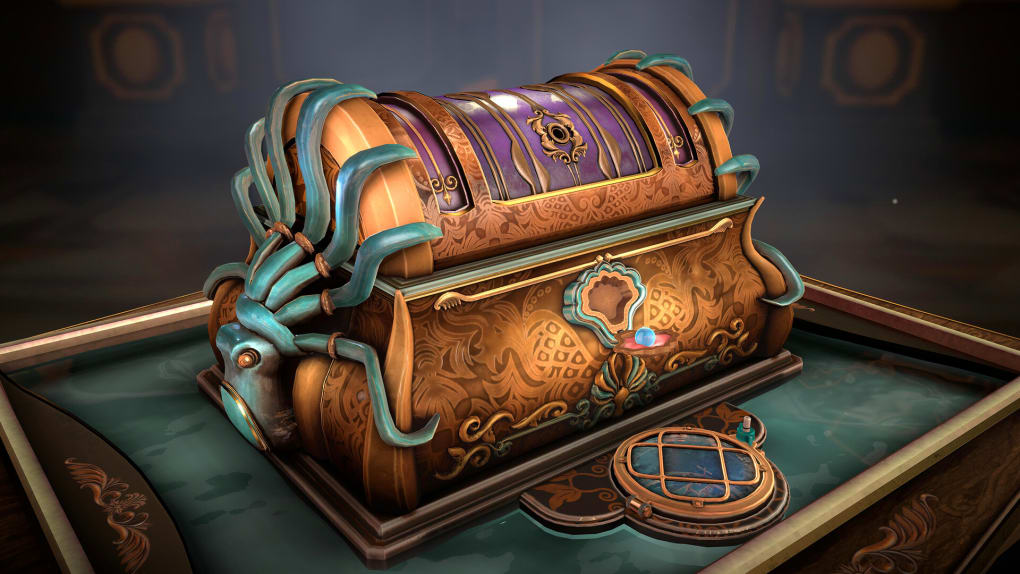
Boxes: Lost Fragments excels in its visual presentation. The game utilizes high-quality 3D graphics, rendering each box with intricate detail and a distinctive aesthetic. The visual design is not just visually appealing; it actively supports gameplay. The textures, lighting, and shadows are all carefully implemented to highlight important features and mechanisms, guiding the player’s attention and enhancing the overall immersion.
The animations are equally impressive, adding depth and dynamism to the gameplay. The smooth and responsive movements of the box mechanisms, coupled with realistic light effects, create a satisfying sense of interaction. Furthermore, the sound design complements the visual experience. The subtle clicks, whirs, and thuds accompanying each interaction create a rich auditory environment, reinforcing the sense of physical manipulation and adding to the game’s overall enjoyment. The satisfying sound of mechanisms clicking into place upon correct completion is particularly noteworthy.
A Triumphant Puzzle: Strengths and Weaknesses
The game’s strongest asset lies in its ingenious puzzle design. The puzzles are challenging yet fair, rewarding careful observation and strategic thinking. The developers have successfully crafted a balance between intuition and complexity, ensuring that players feel a sense of accomplishment upon solving each puzzle, without resorting to frustrating trial-and-error. While the challenges gradually escalate in complexity, the game effectively provides the tools and information needed for a player to solve each one. The difficulty curve is fairly well managed, preventing a steep learning curve.
However, one potential drawback is the limited replayability. Once a puzzle is solved, the satisfaction diminishes on subsequent attempts, as the solution becomes known. The game doesn’t offer multiple solutions or different approaches to the same puzzle, making repeated playthroughs less engaging. The game’s structure, focused on sequential progression, contributes to this limitation, as the same puzzles will not reappear later.
Despite this limitation, the feeling of triumph achieved from solving each complex puzzle outweighs this aspect for many players. The focus is on the journey of solving each intricate challenge rather than endless repetitive attempts. The game is essentially a series of unique, intricate puzzles, where the challenge lies in the initial encounter and the satisfaction stems from the accomplishment itself.
Beyond the Boxes: Comparing to Similar Titles
Boxes: Lost Fragments occupies a niche in the puzzle game genre. While sharing similarities with other escape room or puzzle box games, its high-quality graphics and detailed level design set it apart. Compared to more abstract puzzle games, Boxes: Lost Fragments offers a more immersive experience, grounding the challenges within a tangible, visually rich environment. The first-person perspective and the realistic physics enhance the player’s interaction with the puzzle elements, increasing engagement.
In contrast to some puzzle games that emphasize speed and quick reflexes, Boxes: Lost Fragments prioritizes careful observation and logical deduction. The pace of the game is deliberate, encouraging players to take their time to analyze the environment and consider all possibilities. This thoughtful approach allows players to appreciate the intricacy of the design and feel a greater sense of accomplishment when solving a particularly challenging box.
Conclusion: A Recommendation for Puzzle Enthusiasts
Boxes: Lost Fragments stands as a testament to Snapbreak’s skill in crafting engaging and visually stunning puzzle experiences. The game’s high-quality graphics, immersive sound design, and intricate yet intuitive puzzle designs create an unforgettable experience. While the limited replayability might be a concern for some, the sense of achievement gleaned from overcoming each challenging puzzle makes it a worthwhile experience, especially for players who appreciate a more immersive and visually rich puzzle game. The meticulous attention to detail in both the visual and auditory elements elevates the game beyond a simple puzzle collection, transforming it into a captivating and deeply satisfying experience.
The free demo provides an excellent opportunity for players to sample the gameplay before committing to the full version, allowing them to gauge whether the unique blend of challenging puzzles and immersive visuals aligns with their preferences. Overall, Boxes: Lost Fragments is highly recommended for puzzle enthusiasts seeking a beautifully designed and intellectually stimulating challenge. The game’s strengths outweigh its limitations, making it a compelling and memorable addition to the puzzle game genre.
File Information
- License: “Full”
- Version: “varies-with-devices”
- Latest update: “February 2, 2024”
- Platform: “Windows”
- OS: “Windows 7”
- Language: “English”
- Downloads: “2.8K”


